How Veterinary Clinics Use AI Calming Music in 2026
Discover how veterinary clinics use AI calming music to ease pet anxiety and enhance clinic ambience in 2026.
How Veterinary Clinics Use AI Calming Music
Introduction
Veterinary clinics in 2026 are transforming the way pets experience healthcare environments. A major catalyst in this evolution is the rise of AI calming music for veterinary clinics, a technology-driven approach to reducing pet anxiety and improving overall clinic ambience. As animal care continues to integrate digital tools and psychological wellness strategies, AI-driven sound therapy has become a cornerstone for improving both the experience of pets and the efficiency of veterinary professionals.
Pets are highly sensitive to environmental stimuli. Loud noises, unfamiliar scents, and medical procedures can trigger stress responses that make examinations or treatments difficult. For decades, veterinarians have experimented with natural soundscapes or gentle background music, but these solutions rarely accounted for the unique stress patterns of different animals. In 2026, advanced music generation tools have changed that equation entirely.
Instead of playing generic playlists, clinics can now create tailored vet office audio using artificial intelligence—music that dynamically aligns with the emotional and behavioral needs of animals. This evolution in animal calming represents not only a compassionate innovation but also an operational advantage for clinics seeking smoother workflows and better client satisfaction.
What makes AI calming music effective for veterinary clinics?
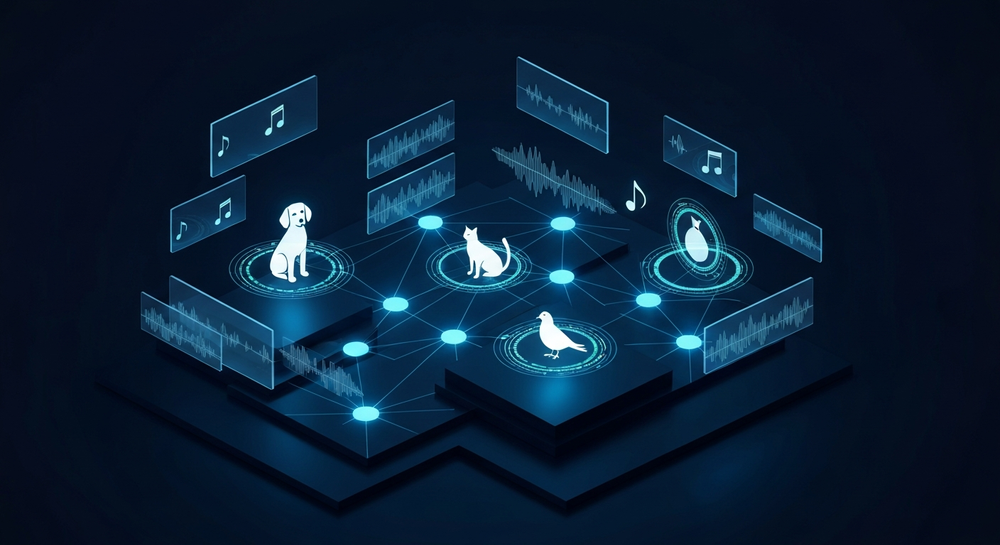
AI calming music works because it integrates principles from neuroscience, animal behavior research, and acoustic engineering. In veterinary settings, the music’s function goes beyond entertainment—it is therapeutic. Studies over the past few years (2024–2025) have shown that specific frequency ranges and rhythmic patterns have measurable effects on pets’ heart rates and cortisol levels.
By 2026, digital tools can fine-tune these acoustic environments using custom data inputs. For instance, a clinic may set different background tones for the waiting area and examination rooms. In waiting areas, gentle ambient melodies foster tranquility. In examination spaces, low-frequency, rhythmic patterns sustain composure. The culmination is a space where both owner and animal feel calmer, improving treatment outcomes.
Beyond the emotional layer, the technological benefit is equally significant. AI algorithms can learn from context—pet responses, time spent in the facility, and even clinic occupancy—to generate smarter ambient sound choices over time. The possibilities are vast and evolving.
How does veterinary-specific AI music differ from general relaxational tracks?

Traditional wellness tracks or commercial relaxation playlists often focus on human relaxation patterns. However, AI sound therapy for animals takes an entirely different approach. Dogs, cats, rabbits, and exotic pets each perceive tonal frequencies in unique ways. The AI models powering these systems can adapt instrument choice, tempo, and progression to align with species-specific comfort zones.
For example:
- Dogs respond well to harmonic simplicity with slow tempos (50–60 beats per minute) and steady chamber or piano tones.
- Cats are comforted by higher frequencies and string-based arrangements with fewer percussive elements.
- Birds typically prefer naturalistic ambient soundscapes featuring wind or water-like frequencies.
Using AI tools designed for clinic ambience, professionals can fine-tune music to suit mixed-animal environments. More importantly, because these tracks are generated algorithmically, they avoid human vocals or sudden intensity shifts—common triggers for stress.
Why is 2026 a turning point for AI calming music in veterinary settings?
In recent years, AI adoption in clinical environments has accelerated dramatically. Between 2024 and 2025, most clinics used pre-made playlists or downloaded acoustic therapy tracks. By 2026, custom AI-generated background scores have become affordable and instantly accessible. With innovations like Soundverse’s advanced text-to-music generation models, clinics can generate music in a few minutes rather than hours.
Additionally, data protection and attribution have matured. Thanks to platforms integrating verification layers such as Soundverse Trace, veterinarians can ensure that every piece of generated audio complies with copyright and usage standards—a critical factor for commercial establishments. This new transparency has fostered broader acceptance among regulatory bodies and veterinary associations.
How to integrate AI calming music into your veterinary practice
Implementing AI calming music depends on the layout, clientele, and acoustic profile of each clinic. Here are practical strategies for successful adoption:
- Map the clinic experience: Identify stress points—reception, surgery prep, recovery rooms—and tailor different soundscapes for each.
- Leverage looping capabilities: Continuous, seamless playback prevents abrupt transitions, maintaining relaxation without noticeable repetition.
- Test and iterate: Observe animal behavior. AI tools in 2026 can adapt based on behavioral responses, optimizing results over time.
- Combine with natural cues: Integrate the music alongside pheromone diffusers or comfortable lighting for holistic pet stress relief.
Clinics that fully personalize their ambience enjoy higher client trust and improved procedural efficiency. Pet Acoustics offers similar innovative solutions designed to enhance pet welfare and recovery in veterinary settings.
How to make AI calming music for veterinary clinics with Soundverse AI Music Generator
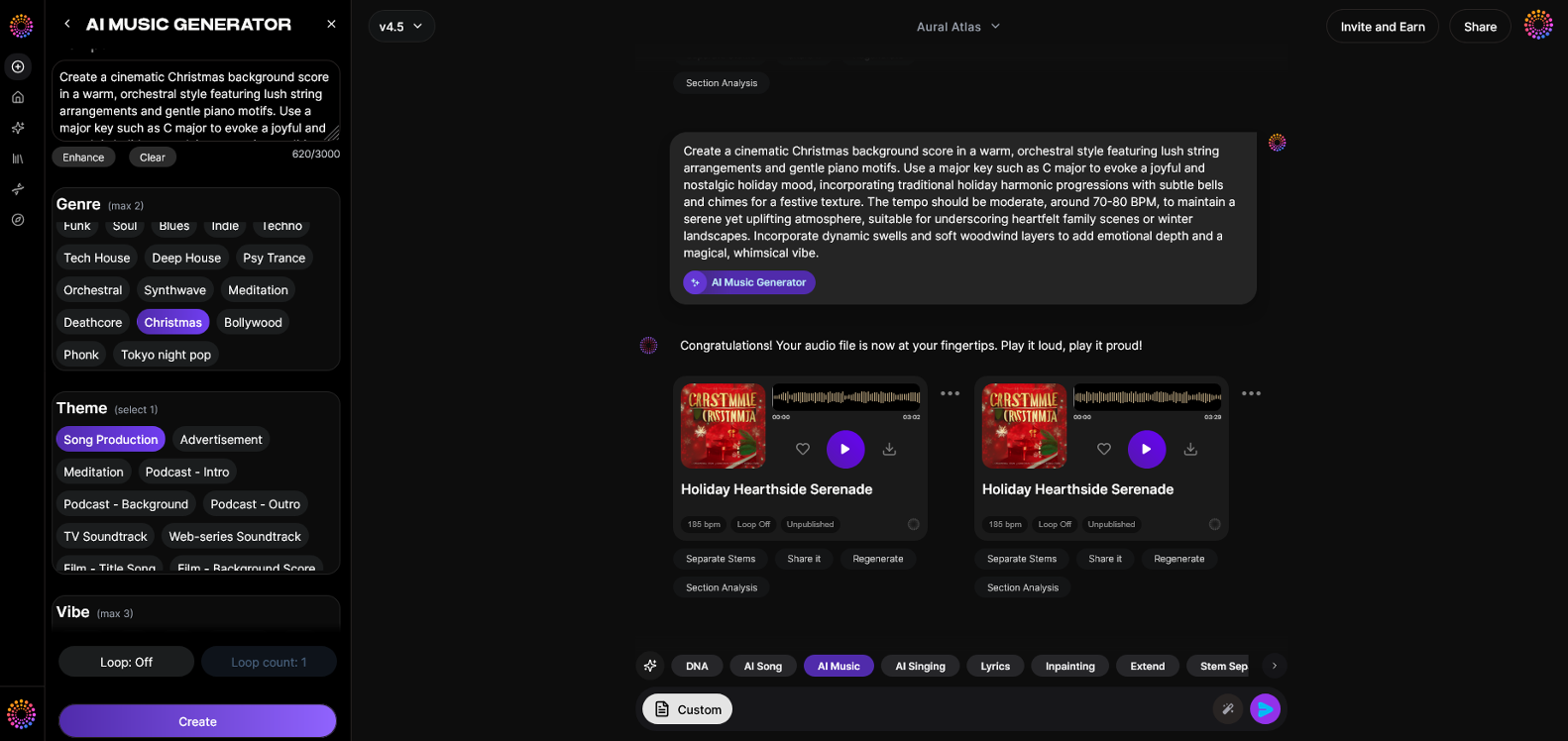
Soundverse’s AI Music Generator is a versatile tool that creates instrumental soundscapes customized via text inputs. Originally built for creators, businesses, and wellness users, it’s now finding powerful use in clinical and therapeutic contexts such as veterinary practices.
Key Capabilities
- Text-to-music creation: Simply describe the ideal sound—“gentle acoustic lullaby suited for cats” or “warm ambient tones to comfort anxious dogs.” The AI translates this into professional-grade instrumentals.
- Loop Mode: Generate seamless looping tracks perfect for background ambience.
- Full control: Choose genre, mood, tempo, and instrument details that match your desired vet office audio mood.
- Advanced model choices: Users can select between the V4 and V5 models for nuanced audio rendering.
Beyond creation, Soundverse integrates with Similar Music Generator, allowing clinics to match existing reference tracks for consistent ambience across locations. And for total peace of mind, using Soundverse Trace ensures every track’s rights and attribution are verifiable.
If you want to understand how AI text-to-music evolved, check our article on AI music trends, or explore our guide on healing meditation music generation to see parallel applications in wellness environments. For more learning content, check out our Soundverse Tutorial Series playlist on YouTube.
How to implement Soundverse’s AI Music Generator for clinic ambience
Here’s a practical framework to help you get started:
- Conceptualize the mood: Determine what each space should feel like—calm, reassuring, or recovery-focused.
- Write descriptive prompts: Example: “soft instrumental with harp and light synth textures to relax post-surgery canines.” Text-based precision drives better accuracy.
- Generate and listen: Create multiple variations. Choose the one that best matches your clinic’s soundscape needs.
- Loop and deploy: Enable loop mode for non-stop playback during operational hours.
- Review animal feedback: Track whether pets show reduced pacing, trembling, or vocalization to evaluate the music’s effectiveness.
For more inspiration on prompt crafting, read our guide on 100 text-to-music prompts.
The measurable benefits of AI calming music in veterinary environments
1. Improved patient behavior: Calmer pets enable smoother physical exams, blood draws, or imaging sessions.
2. Enhanced pet-owner confidence: When clients see their pets remain composed, it increases loyalty and positive word-of-mouth.
3. Reduced staff fatigue: A tranquil acoustic environment supports staff focus and lowers noise-induced stress.
4. Differentiation in competitive markets: By offering a distinctive sensory experience, clinics can promote tech-forward, compassionate care.
These results are not merely anecdotal; they reflect a broader movement in animal welfare. Just as AI enables improved diagnostics, it now equally empowers emotional wellness. Industry events like Fetch Long Beach Veterinary Conference 2026 and the Music City Veterinary Conference also highlight these emerging technologies, alongside AI innovation trends outlined in Instinct Science’s Top 15 Veterinary Conferences 2026.
Future outlook: Where is AI sound therapy for animals heading?
By late 2026, expect veterinary systems and smart cages equipped with adaptive sensors to synchronize with AI-generated audio systems. These frameworks will automatically modify sound frequencies based on a patient’s physiological metrics like heart rate or motion data.
Companies already pioneering similar adaptive music frameworks in human wellness are collaborating with animal scientists to expand cross-species applications. The line between AI sound therapy for animals and traditional therapeutic environments will continue to blur.
Create Soothing AI Music for Your Veterinary Clinic Today
Discover how Soundverse’s AI tools help you generate calming music tailored for pets and clinic environments. Bring comfort, reduce anxiety, and create a more relaxed atmosphere for animals and caregivers alike.
Try Soundverse Free
Related Articles
- How to Create Healing Meditation Music with Soundverse AI — Learn how to craft tranquil and therapeutic soundscapes with Soundverse AI’s intuitive music tools.
- The Role of AI Music in Film and Television — Explore how AI-generated compositions are reshaping emotional storytelling in media and entertainment.
- How AI-Generated Music Is Transforming the Music Industry — Find out how artists and studios leverage AI to create unique sound experiences and streamline production.
- The Benefits of Composing with an AI Music Generator — Understand how AI composition tools help creators save time while enhancing creativity and flexibility.
Here's how to make AI Music with Soundverse
Video Guide

Here’s another long walkthrough of how to use Soundverse AI.
Text Guide
- To know more about AI Magic Tools, check here.
- To know more about Soundverse Assistant, check here.
- To know more about Arrangement Studio, check here.
Soundverse is an AI Assistant that allows content creators and music makers to create original content in a flash using Generative AI.
With the help of Soundverse Assistant and AI Magic Tools, our users get an unfair advantage over other creators to create audio and music content quickly, easily and cheaply.
Soundverse Assistant is your ultimate music companion. You simply speak to the assistant to get your stuff done. The more you speak to it, the more it starts understanding you and your goals.
AI Magic Tools help convert your creative dreams into tangible music and audio. Use AI Magic Tools such as text to music, stem separation, or lyrics generation to realise your content dreams faster.
Soundverse is here to take music production to the next level. We're not just a digital audio workstation (DAW) competing with Ableton or Logic, we're building a completely new paradigm of easy and conversational content creation.
TikTok: https://www.tiktok.com/@soundverse.ai
Twitter: https://twitter.com/soundverse_ai
Instagram: https://www.instagram.com/soundverse.ai
LinkedIn: https://www.linkedin.com/company/soundverseai
Youtube: https://www.youtube.com/@SoundverseAI
Facebook: https://www.facebook.com/profile.php?id=100095674445607
Join Soundverse for Free and make Viral AI Music

We are constantly building more product experiences. Keep checking our Blog to stay updated about them!