Grammy-Winning Songs: What They Have in Common
Discover what Grammy-winning songs have in common and the music traits behind award success in 2026.
Grammy-Winning Songs: What They Have in Common
In 2026, the conversation around Grammy-winning songs continues to evolve as music production, listener analytics, and AI-assisted composition blur the boundaries between creativity and precision. Artists and producers are increasingly asking: what do Grammy-winning songs actually have in common? What deep musical DNA threads link these timeless hits across genres and years? This article explores the recurring traits of Grammy success, offering insights for professionals seeking to understand or replicate the sound of excellence.
What defines the DNA of a Grammy-winning song in 2026?
While tastes shift with every generation, the Grammys still reward songs that combine technical brilliance, emotional resonance, and cultural relevance. In 2026, three major Grammy-winning songs—across Pop, R&B, and Alternative—shared recognizable hallmarks: extremely thoughtful production, dynamic arrangements with identifiable emotional peaks, and authentic lyrical storytelling.
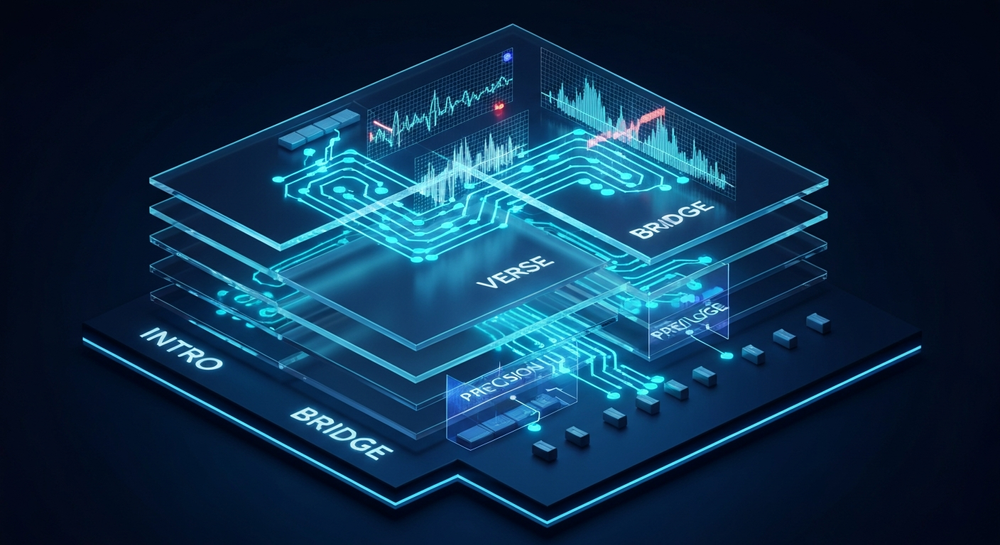
The underlying goal is a fusion of art and emotion wrapped in professional sonic execution. When producers aim for award-winning music traits, they focus on:
- Precision Layering and Mixing: Every sound in the track must serve a purpose. Grammy-winning productions employ balanced frequencies, spatial depth, and evolving textures.
- Recognizable Song Structure: The most iconic songs of recent years—from 2024 to now—lean heavily on compelling section transitions, such as impactful choruses that follow introspective verses.
- Cultural Commentary or Emotional Authenticity: Lyrics that capture the mood of a generation, whether through heartbreak, empowerment, or social reflection, tend to rise above routine releases.
- Strong Dynamic Range: Songs that contrast quiet verses with explosive choruses mirror the emotional ebb and flow of real life—and listeners reward this authenticity.
According to industry data shared at the 2026 Producers Guild Summit, these patterns are statistically aligned with audience retention metrics on streaming platforms.
What production elements shape award-winning music traits?

Behind every Grammy-winning song lies meticulous attention to micro-level production choices. Producers are rethinking everything—how they structure transitions, what energy levels define choruses, and how much space vocals need to breathe. Some of the most common Grammy song characteristics identified in recent analytics include:
- Hybrid Production Techniques: Mixing acoustic warmth with AI-generated textures for emotional depth.
- Sectional Contrast: Verses often feature minimal instrumentation to make the chorus burst with full sound.
- Energy Curves: Songs generally build from moderate intensity to high-impact choruses, followed by resolution in bridges or outros.
- Collaborative Engineering: Multiple co-producers, mastering experts, and digital mix assistants ensure consistency across devices.
The evolution of award standards mirrors how music tools have become more intelligent. Platforms capable of analyzing arrangement flow—such as section boundaries—play a critical role. This analytical precision helps producers refine hit song formulas long before release. For a deeper dive, watch our guide on how to make music or our Deep House music tutorial on the Soundverse YouTube channel.
How have hit song formulas changed compared to 2024 and 2025?
In the mid-2020s, award-winning songs leaned into minimalism and raw vocal emotion. However, by 2026, the landscape has swung toward richer sound design and narrative-driven structures. The influence of AI-assisted composition platforms, as covered in recent industry reports like How AI-generated music is transforming the music industry, has fueled this transformation.
The formula today includes:
- Precision Section Planning: Knowing exactly where the drop happens isn’t about guesswork—it’s about mapping energy peaks via structure analysis.
- Genre Fluidity: 2026 Grammy winners blend multiple styles—R&B harmonies layered over pop chords with hip-hop-inspired rhythms.
- High-Concept Storytelling: Narratives inspired by personal struggles or global issues resonate universally.
- Live Sound Realism: Even electronic tracks often simulate organic imperfections to retain human character.
Hit song formulas now balance predictability and surprise. Audiences enjoy familiar rhythmic progressions but crave emotive and production-driven innovations that keep listening engagement high.
What are the key Grammy success factors every artist should know?
When analyzing Grammy success factors, professionals note five dimensions that recurrently drive recognition:
- Authenticity: The Grammys continue to celebrate songs with genuine emotional expression rather than formulaic assembly.
- Technical Excellence: Mixing, mastering, and structure matter as much as melodic appeal.
- Cultural Resonance: A Grammy-winning song often reflects the spirit of its time, providing commentary or inspiration, as shown in standout performances cited in Music First: How the 2026 Grammy Performances Defined the Night.
- Performance Delivery: Vocal control and live adaptability influence committee perception, which was evident in the 2026 Grammy winners’ performances and Producer of the Year honors.
- Story Arc Clarity: Songs that narrate cohesive journeys—beginning, climax, resolution—tend to leave lasting impact.
Producers aiming at award traction increasingly rely on advanced section analysis to ensure their track architecture aligns with these storytelling curves. For producers exploring interface workflows, check the Explore tab walkthrough from the Soundverse tutorial series.
How to make Grammy-winning songs with Soundverse Section Analysis
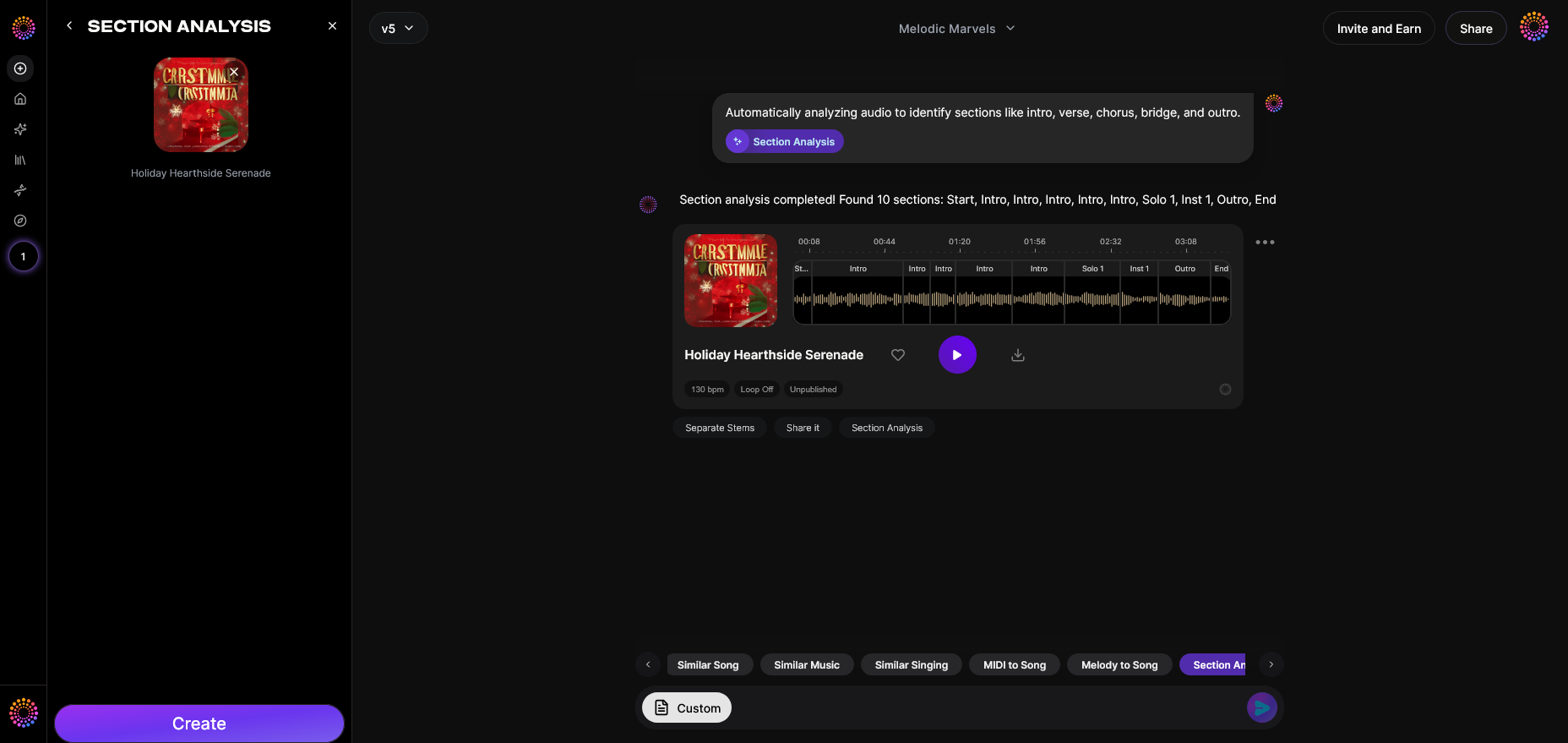
Soundverse’s Section Analysis feature directly supports professionals pursuing Grammy-level precision. It automatically detects and labels the structural parts of a song—intro, verse, chorus, bridge, and outro—providing timestamp accuracy and a clear visual roadmap.
Feature Summary
- Automated Structure Detection: The AI processes uploaded audio to identify sections based on harmonic and dynamic signatures.
- Visual Roadmap Generation: Producers receive a detailed layout of their track’s progression, helping refine transitions or remix plans.
- Timestamp Export: Each section’s timing can be exported for external editing, sync licensing review, or re-arrangement workflows.
This capability proves vital in pre-production and remix stages, where arrangement coherence influences perceived professionalism. For example, an award-seeking producer can upload their demo into Soundverse, analyze where the emotional peaks occur, and adjust instrumental transitions accordingly before sending the mix for mastering.
Soundverse Section Analysis has become especially popular for cover planning, remix creation, and DJ cue setting—areas where timing precision dictates audience engagement. In sync licensing evaluations, timestamp labeling helps assess how narratively and sonically a song fits a film or advertising brief.
Supporting Ecosystem Tools
Soundverse’s innovational suite extends beyond Section Analysis:
- Similar Song Generator: Creates new, original compositions inspired by stylistic references—without infringing copyright.
- Soundverse Trace: Adds an integrity layer to ensure ethical attribution and rights tracking across every export.
- Ethical AI Music Framework: Enforces transparency and fair compensation while maintaining creative freedom.
Together, these tools complement each other to help artists and producers push toward repeatable Grammy-level outcomes safely and authentically.
To explore seamless AI composition techniques, professionals can refer to related guides such as Soundverse AI Magic Tools or Generate AI Music with Soundverse Text-to-Music. These resources demonstrate how the arrangement insights from Section Analysis tie into larger creative workflows.
Why structure analysis is the invisible secret behind award-winning music traits
Behind the flashy mix or viral chorus lies something subtler—the architecture of flow. Section analysis offers data-driven visibility into the emotional map of a song. By visually distinguishing intros from choruses, artists can detect disjointed pacing or underdeveloped transitions—both killers of award potential.
Grammy-winning songs maintain consistent listener engagement metrics: average replay rate above 110% on streaming platforms, low skip ratios, and strong memory associations within their first 30 seconds. Each of these metrics correlates with well-planned section pacing.
Hence, analytical structure tools not only refine production quality but also amplify storytelling clarity—a critical component for meeting both audience expectations and jury standards.
Create Your Own Grammy-Worthy Track with AI
Turn your musical ideas into professional-quality songs using Soundverse AI. Generate, refine, and polish music that captures the emotion and excellence of Grammy-winning songs—all in minutes.
Related Articles
- How AI-Generated Music Is Transforming the Music Industry: Discover how artificial intelligence is reshaping creativity, production, and collaboration in the modern music scene.
- The Role of AI Music in Film and Television: Explore how AI-driven compositions are elevating storytelling and sound design in movies and series.
- AI Music Generator and Human Composers: A Future Together: Learn how human creativity and AI technology complement each other to craft the next generation of music.
- The Benefits of Composing with an AI Music Generator: Uncover how AI tools can streamline your creative process, enhance your compositions, and inspire fresh ideas.
Here's how to make AI Music with Soundverse
Video Guide

Here’s another long walkthrough of how to use Soundverse AI.
Text Guide
- To know more about AI Magic Tools, check here.
- To know more about Soundverse Assistant, check here.
- To know more about Arrangement Studio, check here.
Soundverse is an AI Assistant that allows content creators and music makers to create original content in a flash using Generative AI.
With the help of Soundverse Assistant and AI Magic Tools, our users get an unfair advantage over other creators to create audio and music content quickly, easily and cheaply.
Soundverse Assistant is your ultimate music companion. You simply speak to the assistant to get your stuff done. The more you speak to it, the more it starts understanding you and your goals.
AI Magic Tools help convert your creative dreams into tangible music and audio. Use AI Magic Tools such as text to music, stem separation, or lyrics generation to realise your content dreams faster.
Soundverse is here to take music production to the next level. We're not just a digital audio workstation (DAW) competing with Ableton or Logic, we're building a completely new paradigm of easy and conversational content creation.
TikTok: https://www.tiktok.com/@soundverse.ai
Twitter: https://twitter.com/soundverse_ai
Instagram: https://www.instagram.com/soundverse.ai
LinkedIn: https://www.linkedin.com/company/soundverseai
Youtube: https://www.youtube.com/@SoundverseAI
Facebook: https://www.facebook.com/profile.php?id=100095674445607
Join Soundverse for Free and make Viral AI Music

We are constantly building more product experiences. Keep checking our Blog to stay updated about them!