How AI Music is Revolutionizing Aquarium & Zoo Exhibits in 2026
Explore how AI music for exhibits is transforming aquariums and zoos with immersive soundscapes and educational ambience.
AI Music for Aquarium & Zoo Exhibits
In 2026, the world of public exhibitions has evolved far beyond static displays and simple narration. Aquarium and zoo curators now understand that designing an immersive environment means engaging every sense. Among these sensory innovations, AI music for exhibits has become a transformative force, reshaping how visitors experience the natural world through sound.
Why is Sound So Important in Modern Aquarium and Zoo Exhibits?
Sound is a critical layer of storytelling in any exhibit environment. When used effectively, sound design can:
- Reinforce the theme or mood of an environment.
- Guide visitor flow through immersive audio cues.
- Deepen emotional connections with animals or ecosystems.
- Provide subtle educational ambience that supports learning.
For example, a coral reef exhibit paired with gentle ambient music interwoven with soft aquatic tones can make guests feel as though they are underwater. Similarly, a rainforest habitat enriched with rhythmic percussion and layers of animal calls can transport visitors deep into the jungle. By integrating AI music for exhibits, designers can now tailor these soundscapes dynamically without relying solely on pre-recorded sound libraries.

What Are the 2026 Trends in Exhibit Audio Design?
The use of exhibit audio and interactive sound design has become one of the leading trends in the exhibit world. Post-2025, more zoos and aquariums have begun experimenting with location-based sound triggers and adaptive loops. The goal is to create a living, breathing soundscape that evolves as visitors move through different spaces.
Some prominent trends this year include:
- Dynamic Looping Soundscapes: Seamless ambient loops that can run indefinitely without noticeable repetition. Perfect for immersive zones where the sound must feel continuous yet organic.
- AI-Generated Educational Narratives: Rather than prerecorded human narration, AI-generated soundscapes now include subtle tonal shifts that align with exhibit lighting or visual cues.
- Cross-Triggered Ecosystem Sounds: Systems that gradually change tonal composition based on visitor movement or time of day.
- Hybrid Sound-Music Environments: Blending natural sounds—waves, wind, animal calls—with music created via AI to create an educational ambience that feels alive and responsive.
As AI-powered platforms like Soundverse advance, exhibit designers can now create original, royalty-free ambient pieces that respond to specific habitats, species, or narratives—all generated through text prompts.
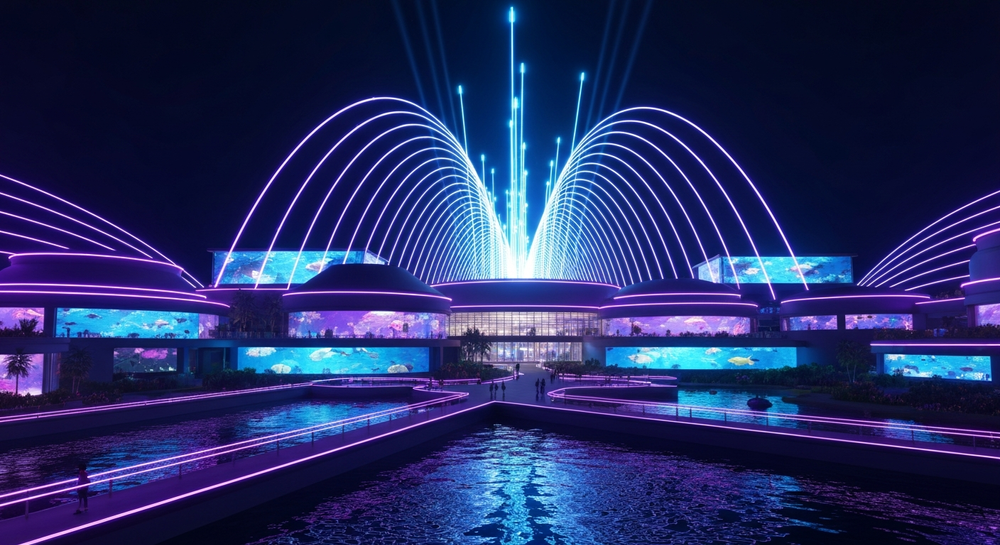
How Does AI Music Enhance Zoo and Aquarium Experiences?
AI-generated music does more than fill silence—it shapes perceptions. A properly designed zoo soundscape can affect how long visitors remain in a space, how they emotionally respond to the exhibit, and what they remember afterward.
Elevating Emotional Impact
AI music allows curators to evoke empathy or awe through sound. For instance, a rescue exhibit can use minimalistic, hopeful music to inspire compassion, while predator zones might incorporate lower frequencies and evolving tension to capture the energy of the wild.
Encouraging Educational Focus
Educational ambience doesn’t distract; it enhances comprehension. Museums have long known the value of low-level ambient tracks in improving focus. Today, aquarium and zoo sound designers apply this concept with precision—thanks to AI tools that let them generate tracks calibrated for cognitive engagement and calmness.
Supporting Sustainable Audio Practices
Historically, creating and licensing bespoke music for each environment was expensive. AI-generated tracks reduce costs and reliance on external rights-managed music, offering flexible looping capabilities ideal for continuous operation.
By aligning AI music for exhibits with visitor emotions, thematic storytelling, and sustainability objectives, curators can now achieve immersive environments that rival cinematic experiences.
For further creative context, visit Frost Science Museum – Aquarium & Planetarium, a facility that exemplifies innovation in sensory design.
How to Make Immersive Exhibit Soundscapes with Soundverse AI Music Generator
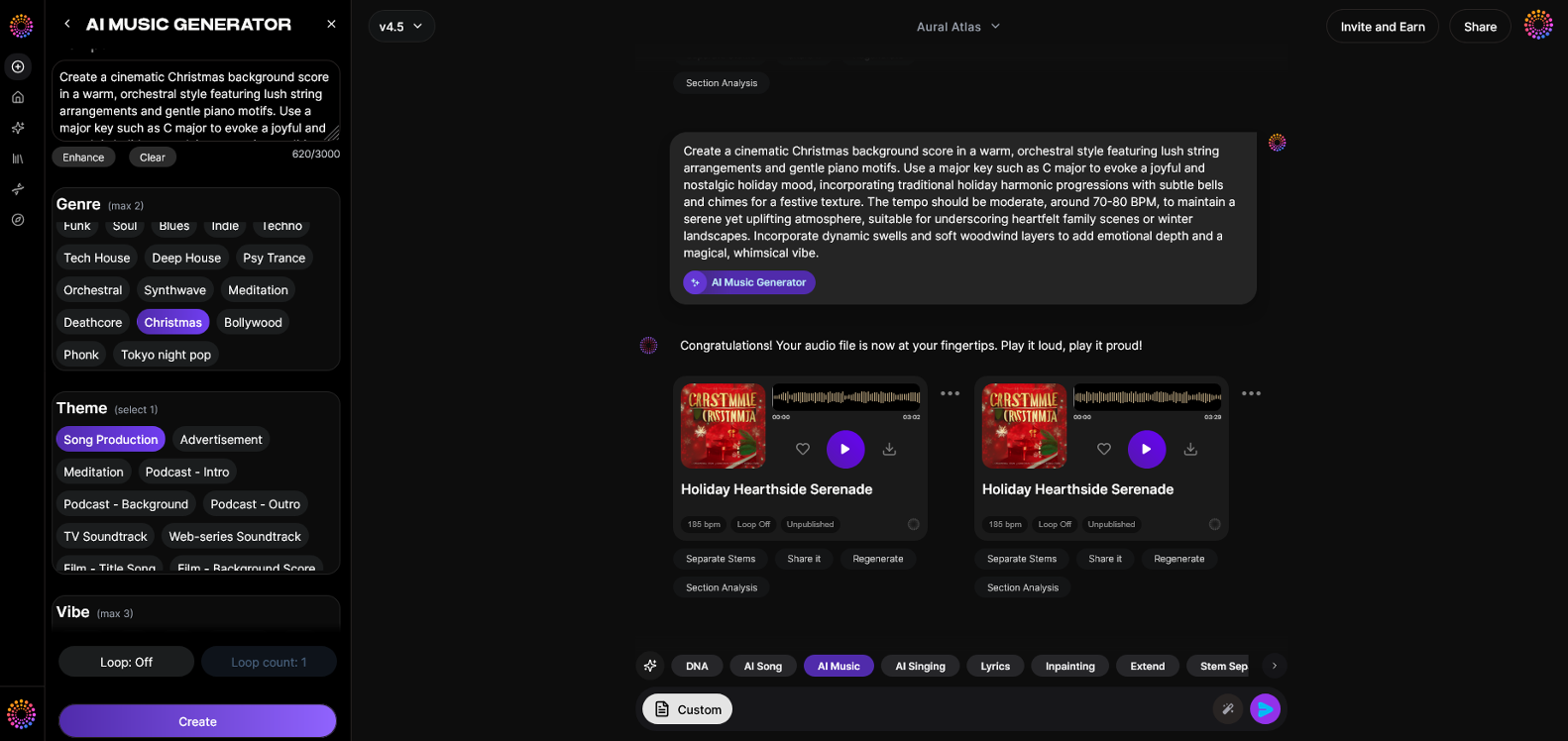
As one of the most advanced tools available, Soundverse’s AI Music Generator empowers exhibit creators to produce fully composed background tracks through simple text descriptions. Here’s how it fits into the design workflow:
Text-to-Music Generation
Soundverse’s AI Music Generator converts a curator’s text prompt—such as “calm ambient underwater theme with subtle harp tones and flowing water texture”—into a professionally mixed instrumental track. Since it specializes in background music without vocals, the results are ideal for looping exhibit audio.
Loop Mode for Continuous Ambience
Loop Mode ensures that generated soundscapes repeat seamlessly. In large aquarium halls or outdoor zoo exhibits, continuous looping is essential to maintain immersion without interruptions or noticeable cuts.
Detailed Mood and Instrument Control
Designers can refine the music by selecting specific genres, moods, and instrumentation that reflect an exhibit’s natural focus. Whether it’s bamboo flute textures for a panda enclosure or deep ocean drones for shark tanks, Soundverse allows fine-grained control.
V4 and V5 Model Options
Users can choose between the V4 or the newer V5 model for enhanced realism and sound layering depth. Both can generate nuanced textures perfect for natural environments.
Compatible Tools for Extended Projects
Soundverse also offers related features such as Similar Music Generator for matching pre-approved reference styles, and Extend Music to lengthen any previously created sound file while maintaining tempo, tone, and style consistency.
For more inspiration, professionals can explore guides such as How to Create Jazz Music with Soundverse AI or Generate AI Music with Soundverse Text-to-Music, both of which demonstrate the platform’s adaptive music-making capabilities. For an applied demonstration, check the Soundverse Tutorial - How to Make Music.
How Soundverse Addresses the Needs of Exhibit Designers
Authoring music for a zoo or aquarium isn’t just about generating pleasant audio—it’s about curating educational ambience that aligns with spatial storytelling. Here’s how Soundverse’s AI-powered approach streamlines this process:
- Scalability: Once a curator defines exhibit zones, AI-generated tracks can be produced in batches, each matching the habitat theme—from arctic tundra to coral lagoons.
- Creative Precision: Using the descriptive text interface, designers can adjust attributes like tempo, instrumentation, and atmosphere instead of hiring multiple composers.
- Cost Efficiency: Projects often require hours of background sound. AI looping significantly reduces cost while maintaining audio quality.
- Educational Integration: Music can subtly reinforce lesson objectives—for example, slow harmonic progressions for reflective learning spaces or energetic percussive tones near hands-on displays.
- Consistency Across Venues: Shared AI-generated sound libraries enable theme alignment across multiple zoo or aquarium branches.
These efficiencies make Soundverse particularly attractive for contemporary institutions that combine visitor engagement with sustainability planning.
Case Example: Designing a Coral Reef Exhibit Soundscape
Imagine creating an immersive coral reef tunnel where visitors feel like they’ve entered another world. Using AI music for exhibits, designers can:
- Generate layered ocean ambience with Soundverse’s text prompt system.
- Configure Loop Mode to ensure long-form playback.
- Adjust tonal elements to synchronize with exhibit lighting changes or feeding times.
Over time, this system can even evolve—new tracks can be generated to match seasonal programming or updated conservation themes, ensuring that the experience never feels static. For continued learning about habitat-based sound design, see the Contest Rules and Eligibility Requirements - Aquarium of the Pacific.
The Broader Impact: Educational Ambience in the Age of AI
As educational institutions increasingly adopt AI-based creative tools, the concept of sound as a learning medium becomes central. Natural history museums, aquariums, and wildlife centers can now communicate environmental awareness not just through visuals but through emotion-driven soundscapes powered by AI music.
Research from recent exhibit design conferences suggests that adaptive sound environments improve recall of educational content by nearly 20% compared to silent displays. Such findings reinforce the importance of AI-driven scoring systems that keep exhibits vibrant and pedagogically engaging.
To see related innovation enthusiasm, check PLANET ZOO 2 OFFICALLY ANNOUNCED and AI Musicians Took the Stage in 2026. These examples celebrate creativity at the crossroads of simulation, wildlife, and sound design.
To stay updated on advancements in audio innovation, curators can review related insights from How AI-Generated Music is Transforming the Music Industry or explore Soundverse’s AI Magic Tools, both illustrating the wider ecosystem of intelligent music creation.
Transform Your Exhibits with Immersive AI Music
Bring your aquarium or zoo to life with adaptive soundscapes composed by AI. Soundverse lets you generate custom, copyright-free music that perfectly matches your environment’s theme and mood.
Start Creating Today
Related Articles
- The Role of AI Music in Film and Television — Discover how AI-generated music is transforming storytelling across screens and elevating emotional connection through sound.
- How to Create Healing Meditation Music with Soundverse AI — Learn how to produce tranquil, restorative soundscapes using AI tools to evoke calmness in any environment.
- How an AI Music Generator Inspires Creative Fusion — Explore how AI-driven composition tools unlock innovative collaborations between technology and human creativity.
- How to Create Music Evoking the Desert — A step-by-step guide to shaping atmospheric and location-inspired melodies using AI music generation.
Here's how to make AI Music with Soundverse
Video Guide

Here’s another long walkthrough of how to use Soundverse AI.
Text Guide
- To know more about AI Magic Tools, check here.
- To know more about Soundverse Assistant, check here.
- To know more about Arrangement Studio, check here.
Soundverse is an AI Assistant that allows content creators and music makers to create original content in a flash using Generative AI.
With the help of Soundverse Assistant and AI Magic Tools, our users get an unfair advantage over other creators to create audio and music content quickly, easily and cheaply.
Soundverse Assistant is your ultimate music companion. You simply speak to the assistant to get your stuff done. The more you speak to it, the more it starts understanding you and your goals.
AI Magic Tools help convert your creative dreams into tangible music and audio. Use AI Magic Tools such as text to music, stem separation, or lyrics generation to realise your content dreams faster.
Soundverse is here to take music production to the next level. We're not just a digital audio workstation (DAW) competing with Ableton or Logic, we're building a completely new paradigm of easy and conversational content creation.
TikTok: https://www.tiktok.com/@soundverse.ai
Twitter: https://twitter.com/soundverse_ai
Instagram: https://www.instagram.com/soundverse.ai
LinkedIn: https://www.linkedin.com/company/soundverseai
Youtube: https://www.youtube.com/@SoundverseAI
Facebook: https://www.facebook.com/profile.php?id=100095674445607
Join Soundverse for Free and make Viral AI Music

We are constantly building more product experiences. Keep checking our Blog to stay updated about them!