AI Music and Its Long-Term Cultural Impact: How Artificial Intelligence is Redefining Music Society in 2026
Explore how AI music is shaping the cultural landscape and transforming music society in 2026.
AI Music and Its Long-Term Cultural Impact
In 2026, the conversation around AI music has moved far beyond novelty. What began as experimental technology in the early 2020s has transformed into a defining cultural movement. Artificial intelligence in music now sits at the intersection of creativity, ethics, and innovation — challenging traditional norms of authorship, reshaping global music societies, and redefining how audiences experience sound.
What does AI music mean for modern music society in 2026?
AI music refers to compositions generated or assisted by machine learning systems capable of interpreting musical data, understanding sonic patterns, and creating new works. The technology has become ubiquitous — not only powering online streaming recommendations and generative tools but actively contributing to albums, film scores, and even live performances.
In 2026, the music society has adapted to this integration. AI systems now collaborate with human producers to enhance emotion, tempo, and narrative depth. Instead of replacing artists, the most advanced models act as creative extensions. Platforms like Soundverse champion ethical frameworks ensuring artists maintain control and receive recognition for their contributions.
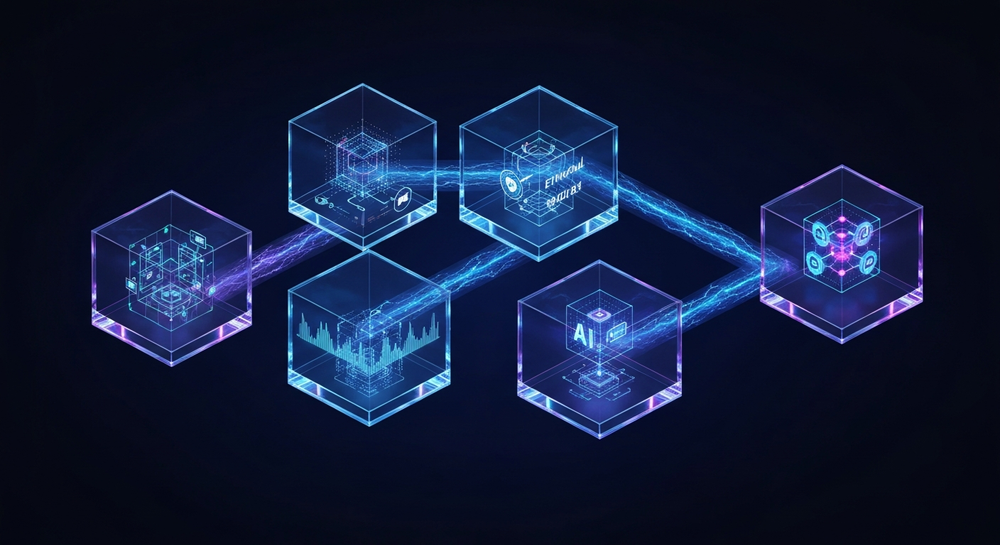
This transition reflects a growing maturity in the cultural impact of technology. The debate no longer focuses on whether AI should create music but how it can coexist with artists’ rights, heritage, and social meaning.
How has the cultural impact of technology reshaped creative identity?
The cultural impact of technology is broad, but AI music has triggered a unique artistic evolution. Composers, DJs, and producers now blend human experience with algorithmic insight, redefining creativity’s boundaries. A composer in Tokyo might use AI to reinterpret jazz with Polynesian rhythms, while a producer in Berlin integrates historic recordings into new AI-assisted ambient textures.
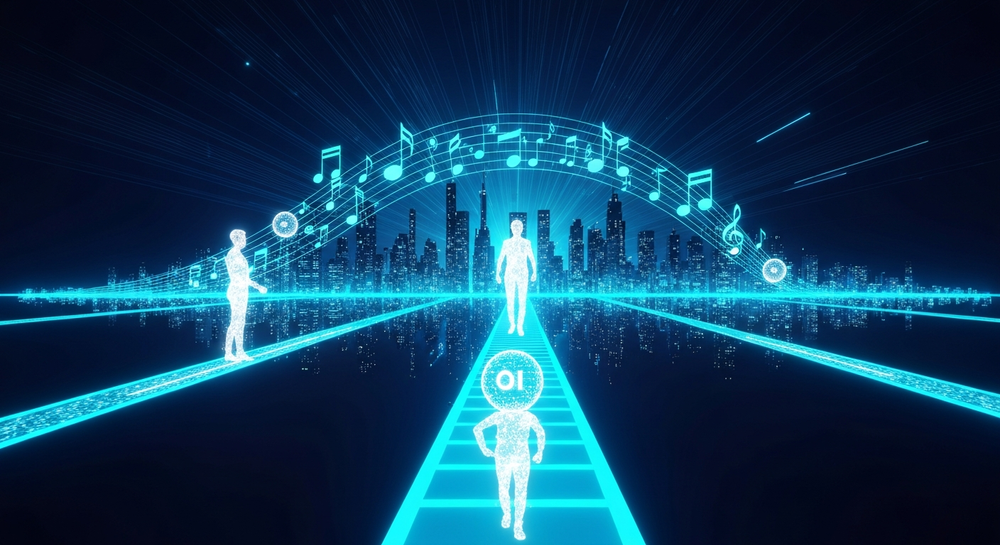
This democratization of creation dismantles barriers. Artists no longer need extensive studios or expensive equipment; with accessible AI tools, they can conceptualize entire albums through text-to-music generation. Articles such as 100 Text-to-Music Prompts That Will Help You Create Viral Music explore how creators leverage prompts to channel emotion and genre diversity.
However, the long-term cultural question revolves around authenticity. How do listeners relate to works generated by algorithms? The answer, as seen in 2026, is nuanced. When AI models are trained ethically — with licensed data and transparent attribution — audiences embrace them as valid forms of art. It signals a cultural shift where 'authored by AI' isn’t a replacement for humanity but an acknowledgment of collaborative creativity.
What are the major long-term cultural effects of AI music?
- Redefinition of originality: Originality is being redefined not by who composes but by how algorithms interpret data. AI’s ability to synthesize genre conventions and cultural motifs challenges traditional copyright systems while inspiring new creative formats.
- Global accessibility: Artists from developing nations can now participate in music creation without vast financial backing. This has produced a surge in cultural hybridity — where AI interprets local folk rhythms or indigenous samples into modern global styles.
- Ethical ownership: In 2026, ethical frameworks govern how music data is used. Transparency replaces hidden datasets, ensuring artists’ styles aren’t exploited but empowered through participation programs.
- Cultural preservation: AI music isn’t only futuristic; it’s archival. Models are now trained to restore lost cultural works, preserving endangered melodies and reinterpreting them for new generations.
- Emotional craftsmanship: By learning human emotional contexts, AI systems now pinpoint the psychological resonance behind melodies, enabling composers to evoke precise feelings with scientific nuance.
How is artificial intelligence in music fostering collaboration rather than competition?
Artificial intelligence in music no longer symbolizes replacement anxiety. In fact, collaborative culture flourishes through AI-enhanced production tools. Many musicians use AI to handle technical complexity, freeing creative focus. For instance, with platforms embracing ethical AI frameworks, artists can safely share sonic data to generate new textures aligned with their personal identities.
Studies published in late 2025 already hinted that musicians employing transparent AI models outperform traditional workflows in diversity and innovation. The result in 2026 is a society that views technology not as disruption but evolution. Articles such as AI Music Generator and Human Composers: A Future Together discuss this synergy as a defining moment for modern artistry. For a deeper dive, watch our guide on creating Deep House music and tutorial on how to make music using generative AI tools.
How technology is reshaping the future of music creation
The future of music creation lies in balanced partnership — where human emotion and machine logic coexist. AI-driven composition doesn’t erase the soul of music; instead, it enhances adaptability and cultural resonance. Musicians now engage AI to test ideas at scale, explore genres, and refine sonic qualities before recording live performances.
One major trend in 2026 is immersive contextual generation. Creators input environmental or narrative cues — desert themes, cyberpunk moods, meditative states — and AI translates them into full-length compositions. Relevant studies and tutorials, including How to Create Healing Meditation Music with Soundverse AI, showcase how these workflows nurture emotion-driven design.
As ethical models rise, creative output also gains social acceptance. With the right frameworks, AI becomes an artistic collaborator embedded within cultural progression.
How to make ethical, transparent AI music with Soundverse The Ethical AI Music Framework
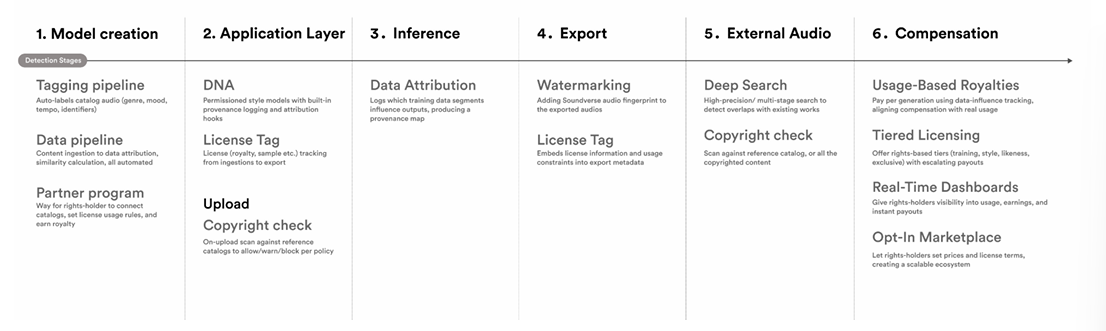
The Ethical AI Music Framework from Soundverse exemplifies the transparency movement that defines 2026. Unlike black-box models that scrape data, this infrastructure uses a clear six-stage pipeline connecting innovation with artist integrity.
Stage 1: Licensed Data Sourcing – Rather than unlicensed scraping, Soundverse uses officially licensed catalogs. Artists and labels authorize their datasets, ensuring consent.
Stage 2: Permissioned Models (Soundverse DNA) – Every model is permission-based, meaning it carries artist identity features trained on ethical foundations. This prevents imitation without approval while enabling monetization.
Stage 3: Explainable Inference (Attribution) – AI outputs are traceable to source inspiration. The system embeds attribution metadata, creating transparent ownership records.
Stage 4: Traceable Export (Watermarking) – Soundverse watermarks AI-generated music to ensure future identifiability and prevent misuse.
Stage 5: Deep Search (External Scanning) – A proprietary scanning layer verifies originality by comparing new outputs against global datasets.
Stage 6: Recurring Compensation (Partner Program) – The model automatically accounts for usage royalties. Rights-holders enrolled through the Content Partner Program receive continuing revenue based on attribution data.
As a result, enterprises and creators can trust AI-generated compositions for legal compliance, ethical transparency, and sustainable monetization.
Complementary tools like Soundverse Trace, Soundverse DNA, and the Content Partner Program integrate seamlessly to build a circular system where creativity and ethics coexist. By protecting artists during AI training, Soundverse not only transforms technological processes but reinforces cultural trust.
Why Soundverse’s framework matters for the future of music society
In the cultural narrative of 2026, ethical AI isn’t an option—it’s a necessity. The Ethical AI Music Framework embodies this principle. For the music society at large, it cultivates fair creativity ecosystems and transparent data governance. Every layer of the pipeline functions as evidence that integrity and innovation can thrive together.
This approach changes the conversation about AI music permanently. Instead of focusing on technical novelty, attention shifts toward long-term sustainability. The partnership model inspires both creative freedom and cultural balance, ensuring that technology continues to uplift, not exploit, human artistry.
For professionals analyzing the cultural impact of technology, Soundverse stands as a benchmark. It connects the artistic soul of music with future-driven infrastructure—establishing ethical AI music as the cornerstone of modern creativity.
In conclusion, AI music in 2026 represents a fusion of technology, emotion, and societal responsibility. The long-term cultural impact isn’t about machines composing symphonies alone; it’s about building transparent frameworks where inspiration, attribution, and compensation harmonize. As the world embraces artificial intelligence in music creation, platforms like Soundverse guarantee that the rhythm of progress remains human at heart.
Create Your Own AI Music Today
Experience the next generation of music creation. With Soundverse, you can compose, remix, and experiment effortlessly using advanced AI tools that bring your sonic visions to life.
Related Articles
- How AI-Generated Music Is Transforming the Music Industry: Discover how AI composition tools are reshaping music production and redefining creativity across genres.
- The Role of AI Music in Film and Television: Learn how filmmakers and studios are integrating AI-created soundtracks to enhance storytelling and production value.
- AI Music Generator and Human Composers: A Future Together: Explore the collaborative potential of AI and human musicians working in harmony to shape the future of sound.
- AI Music in the USA: Examine how AI music is growing across America’s creative industries and influencing cultural trends.
Here's how to make AI Music with Soundverse
Video Guide

Here’s another long walkthrough of how to use Soundverse AI.
Text Guide
- To know more about AI Magic Tools, check here.
- To know more about Soundverse Assistant, check here.
- To know more about Arrangement Studio, check here.
Soundverse is an AI Assistant that allows content creators and music makers to create original content in a flash using Generative AI.
With the help of Soundverse Assistant and AI Magic Tools, our users get an unfair advantage over other creators to create audio and music content quickly, easily and cheaply.
Soundverse Assistant is your ultimate music companion. You simply speak to the assistant to get your stuff done. The more you speak to it, the more it starts understanding you and your goals.
AI Magic Tools help convert your creative dreams into tangible music and audio. Use AI Magic Tools such as text to music, stem separation, or lyrics generation to realise your content dreams faster.
Soundverse is here to take music production to the next level. We're not just a digital audio workstation (DAW) competing with Ableton or Logic, we're building a completely new paradigm of easy and conversational content creation.
TikTok: https://www.tiktok.com/@soundverse.ai
Twitter: https://twitter.com/soundverse_ai
Instagram: https://www.instagram.com/soundverse.ai
LinkedIn: https://www.linkedin.com/company/soundverseai
Youtube: https://www.youtube.com/@SoundverseAI
Facebook: https://www.facebook.com/profile.php?id=100095674445607
Join Soundverse for Free and make Viral AI Music

We are constantly building more product experiences. Keep checking our Blog to stay updated about them!