AI Music and Cultural Representation: How Artificial Intelligence Reshapes Global Musical Identity in 2026
Explore how AI music redefines cultural diversity and artistic integrity in 2026.
AI Music and Cultural Representation
Artificial intelligence has irrevocably changed the soundscape of global music creation. As we step deeper into 2026, the conversation no longer revolves around whether AI can make music—it’s about what kind of cultural story AI music tells. From indigenous melodic structures being preserved in algorithmic form to modern urban genres being remixed through machine-learning models, AI has become a mirror reflecting diverse cultural identities.
What is AI music and why does cultural representation matter in 2026?
AI music refers to compositions created or assisted by artificial intelligence systems that learn patterns from millions of sound examples. In 2026, the rise of artist-trained models has led to more ethically grounded approaches to AI-assisted creation. The purpose is not just automation but cultural preservation. As regions invest in digital heritage programs, AI-trained music systems help retain sonic traditions that were once fading due to globalization.
Cultural representation in AI music means ensuring that these algorithms do not homogenize global sound. Instead, they should encode diversity—giving every culture equal opportunity to be heard and valued. From African percussion patterns to Indian ragas and Latin harmonies, cultural AI now actively includes datasets derived from licensed regional catalogs, preserving their authenticity rather than exploiting them.
How has AI music evolved from 2024 to 2026?
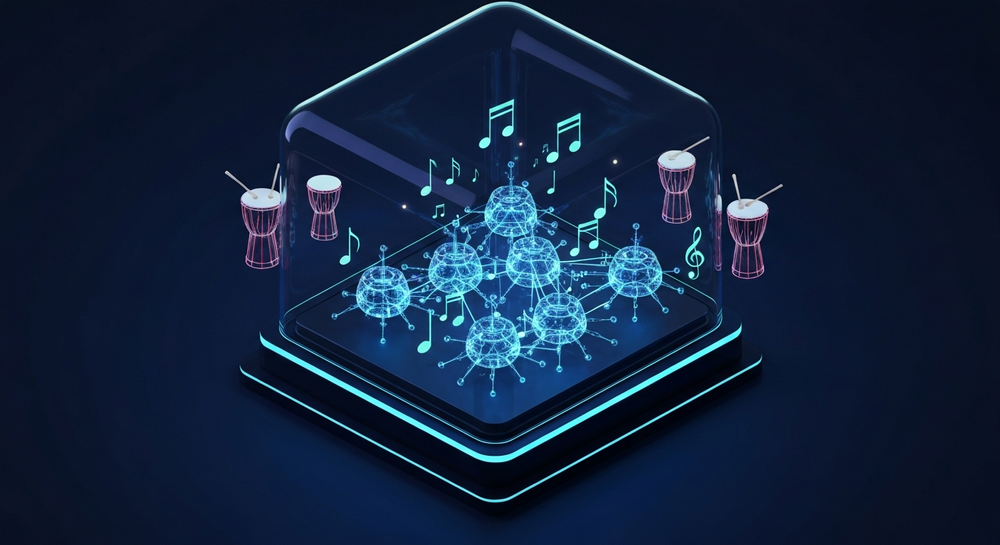
Between 2024 and 2025, most AI music generators operated as general-purpose tools, focusing on user-friendly text-to-music prompts. They accelerated creativity, yet raised questions about bias and fairness. By 2026, the industry shifted toward transparent cultural AI frameworks. Platforms like Soundverse and others emphasize ethical licensing, artist consent, and traceable attribution.
The evolution includes:
- Ethical Dataset Curation – Training exclusively on licensed catalogs instead of scraping unverified data sources.
- Cultural Diversity Encoding – Integrating stylistic signatures from multiple global artists.
- Adaptive Voice Modeling – Creating artist-approved vocal DNA that reflects cultural vocal timbres.
- Monetized Cultural Sharing – Allowing artists to earn royalties when their cultural style is used for AI generation.
Read how this transformation connects with other advancements in the AI music industry trends and ethical creation explained in How AI-generated music is transforming the music industry.

What are the cultural ethics of artificial intelligence in music?
AI music ethics center around consent, attribution, and avoidance of cultural erasure. When AI generates a new song inspired by traditional motifs, who owns that sound? In 2026, research institutions and policy bodies have redefined digital rights for algorithmic culture. Systems now embed metadata showing the lineage of sonic DNA—so users can trace whether a model was trained on Afrobeat, jazz, or indigenous folk.
The Ethical AI Music Framework developed by Soundverse serves as an example of how transparent pipelines prevent exploitation. Its six stages safeguard the creators who provide data for training, ensuring fair attribution and recurring compensation. These steps align AI music ethics with cultural protection—making sure that technology amplifies cultural voices rather than silences them.
For additional insight, see Artificial Intelligence and Popular Music - Taylor & Francis or explore current international research initiatives like the 15th International Conference on Artificial Intelligence in Music, Sound, Art and Design.
How do AI music systems promote cultural diversity?
Cultural diversity in AI music depends on multi-source training and style clustering. Advanced systems segment datasets by ethnicity, era, and genre, preserving unique tonal variations. Through accurate metadata tagging and licensing, AI models can now generate compositions consistent with a culture's rhythmic identity.
In 2026, cultural AI systems:
- Cluster musical catalogs into eras and geographical identities.
- Generate genre-based outputs that balance modernization and tradition.
- Apply sensitivity sliders to determine historical authenticity or contemporary adaptation.
For instance, a researcher could produce Moroccan desert-inspired music with algorithmic precision using creative guides such as How to create music evoking the desert.
These methods not only introduce cross-cultural appreciation but also open doors for sonic branding beyond uniform Western standards. In effect, AI provides music creators with the means to maintain identity while reaching a global audience.
To learn practical applications, view our Soundverse Tutorial Series - 9. How to Make Music or dive deeper with the Soundverse Tutorial Series - 10. Make Deep House Music, offering hands-on examples of cultural tone adaptation in production.
How to make culturally sensitive AI music with Soundverse DNA
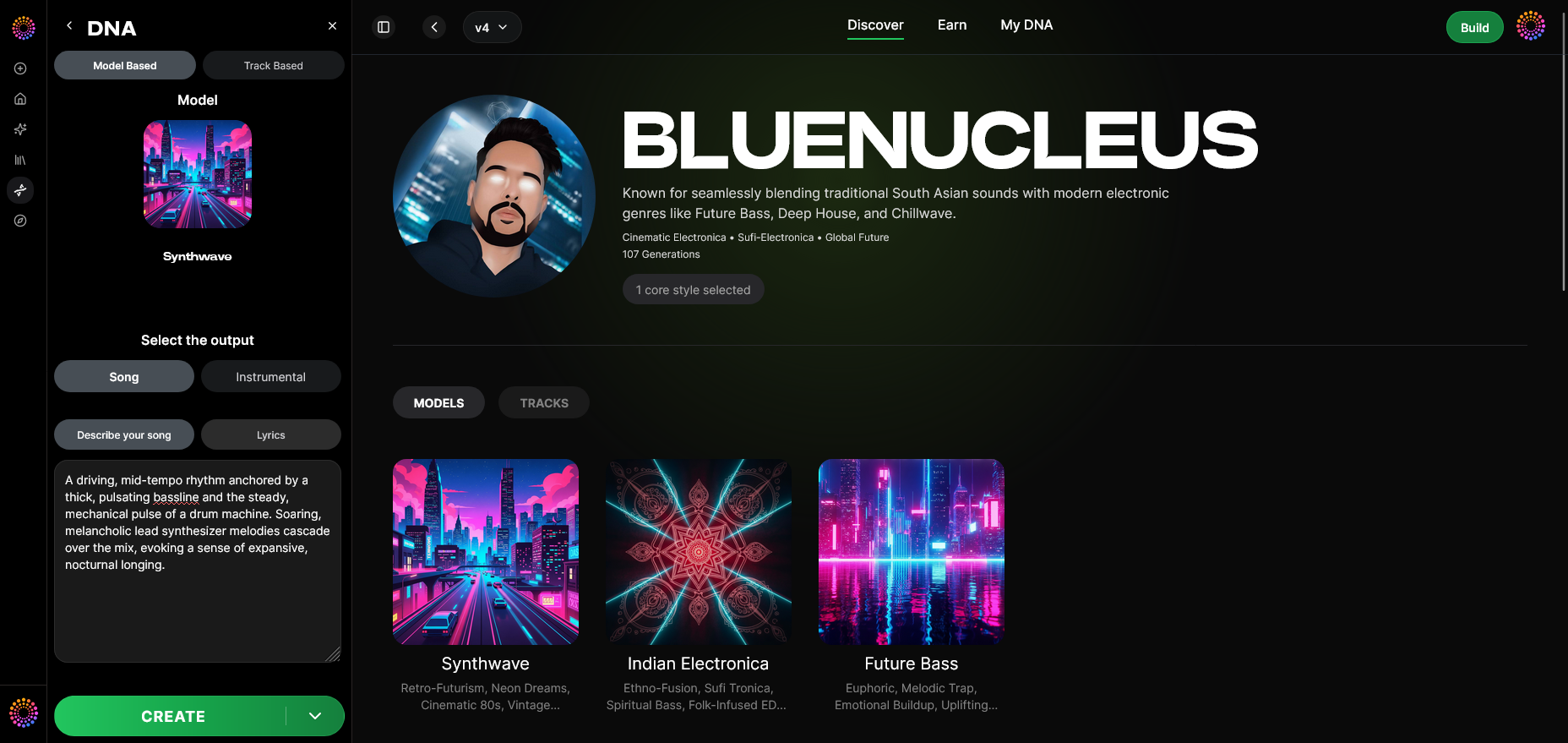
Soundverse DNA leads the charge in connecting artistic identity with technological precision. This artist-trained AI music generation system creates original compositions from licensed sonic identities—addressing both ethical and cultural challenges.
Core Description: Soundverse DNA generates music using Full DNA or Voice DNA formats. Full DNA captures entire song and instrumental essence, while Voice DNA models vocal style and timbre. Artists upload licensed catalogs, train their unique model, and monetize their style through the DNA Marketplace. Users can then generate consistent, copyright-safe tracks without fear of cultural or intellectual property violation.
Key Capabilities:
- Full DNA (Songs/Instrumentals): Encodes the complete musical essence.
- Voice DNA (Vocal timbre/style): Recreates vocal textures authentically.
- DNA Marketplace: Allows artists to license their style directly to users.
- Sensitivity Selector: Clusters catalogs into eras for cultural precision.
- Private Mode: Enables secure co-creation without data leakage.
Primary Use Cases:
- Artist Monetization: Cultural artists can earn revenue when others use their model.
- Sonic Branding: Brands maintain consistent cultural identity across campaigns.
- Film/Game Scoring: Legal generation of culturally themed cues.
- Personal Workflow: Artists rapidly produce music genuinely reflective of their roots.
When combined with Soundverse Trace, data transparency strengthens cultural accountability by embedding permanent attribution to each generated track.
To explore additional applications, discover how creators use AI tools for genre customization in Generate AI music with Soundverse text-to-music and similar genres explained in How to Create Jazz Music with Soundverse AI.
For a look into multi-sensory expansion, read Music as a Multi-Sensory Experience: 2026 Trends - Soundverse AI.
What does cultural AI mean for future music technology?
Cultural AI represents the fusion of ethnomusicology and machine learning. Future music technology will no longer be confined to replication—it will act as preservation. Instead of standardizing global pop sounds, AI systems will help archive and reinvigorate regional musical expression. Researchers in 2026 anticipate that artist-owned models will become cultural libraries, accessible for education, performance, and film integration.
This paradigm integrates community-driven datasets, promoting fairness while expanding creative freedom. Musicians can collaborate with AI models to reinterpret cultural narratives—using technology as co-creator rather than competitor.
How Soundverse balances innovation and cultural integrity
Soundverse’s Ethical AI Music Framework functions as the foundation for cultural inclusivity. By giving rights-holders control of their catalogs through the Content Partner Program, the platform ensures that every cultural sound that enters the AI pipeline is legally cleared and compensated.
Meanwhile, Soundverse Trace maintains accountability by embedding deep search and attribution layers. This transparent lifecycle ensures that whether AI music is played in Europe, Asia, or South America, its cultural origins remain visible.
Through these systems, Soundverse bridges innovation with integrity—allowing AI to stand as curator of culture rather than disruptor.
Start Creating Music That Reflects Every Culture
Experience the next generation of AI music creation with Soundverse. Blend global sounds, genres, and traditions into your tracks effortlessly, and bring your creative vision to life today.
Related Articles
- The Role of AI Music in Film and Television: Discover how AI-generated music is reshaping soundtracks and visual storytelling for modern media productions.
- How an AI Music Generator Inspires Creative Fusion: Learn how AI tools are fostering genre-blending and cultural collaboration across global music scenes.
- AI Music Generator and Human Composers: A Future Together: Explore how AI music tools can complement human creativity rather than replace it, shaping the future of composition.
- AI Music in the USA: Dive into how AI music is influencing trends, artists, and innovation in the American music industry.
Here's how to make AI Music with Soundverse
Video Guide

Here’s another long walkthrough of how to use Soundverse AI.
Text Guide
- To know more about AI Magic Tools, check here.
- To know more about Soundverse Assistant, check here.
- To know more about Arrangement Studio, check here.
Soundverse is an AI Assistant that allows content creators and music makers to create original content in a flash using Generative AI. With the help of Soundverse Assistant and AI Magic Tools, our users get an unfair advantage over other creators to create audio and music content quickly, easily and cheaply. Soundverse Assistant is your ultimate music companion. You simply speak to the assistant to get your stuff done. The more you speak to it, the more it starts understanding you and your goals. AI Magic Tools help convert your creative dreams into tangible music and audio. Use AI Magic Tools such as text to music, stem separation, or lyrics generation to realise your content dreams faster. Soundverse is here to take music production to the next level. We're not just a digital audio workstation (DAW) competing with Ableton or Logic, we're building a completely new paradigm of easy and conversational content creation.
TikTok: https://www.tiktok.com/@soundverse.ai
Twitter: https://twitter.com/soundverse_ai
Instagram: https://www.instagram.com/soundverse.ai
LinkedIn: https://www.linkedin.com/company/soundverseai
Youtube: https://www.youtube.com/@SoundverseAI
Facebook: https://www.facebook.com/profile.php?id=100095674445607
Join Soundverse for Free and make Viral AI Music

We are constantly building more product experiences. Keep checking our Blog to stay updated about them!