How Half of Spotify Royalties Go to Independent Artists in 2026
Discover how independent artists now earn half of Spotify royalties and how Soundverse helps musicians secure fair streaming payments.
How Half of Spotify Royalties Go to Independent Artists
In 2026, the music industry has shifted in a way few could have predicted just a few years ago. Spotify royalties—the cornerstone of streaming payments—are increasingly being distributed to independent musicians. Recent data and transparency reports show that nearly 50% of all Spotify royalty payouts now flow directly to independent artists. This transformation represents one of the most significant changes in music industry earnings, reshaping artist compensation, financial sustainability, and the broader royalty split model.
Why Are Independent Artists Now Receiving Half of Spotify Royalties?
The evolution from major label dominance to independent income distribution on platforms like Spotify didn’t happen overnight. Between 2024 and 2025, multiple factors accelerated this transition: the rise of accessible digital distribution platforms, new music licensing frameworks, and a surge in fan-driven streams for indie artists. By 2026, these forces merged into a clear pattern—listeners increasingly favor authenticity and direct engagement, and streaming algorithms reward diversity across genres and creators.
The traditional royalty split once favored major record labels, who negotiated larger percentages from streaming revenues. Independent artists used to earn smaller fractions for every play. However, the democratization of content creation and the rise of transparent data reporting have made it easier for independents to collect fair streaming payments. Spotify’s internal algorithm updates now allow unsigned musicians to compete equally for global visibility, driving half of all Spotify royalties toward creators without label representation.
What Does This Change Mean for Artist Compensation and Music Industry Earnings?
Artist compensation models have evolved from flat per-stream rates to dynamic, performance-based structures. Independent artists increasingly view streaming income not just as passive revenue, but as an active component of their overall brand economy. This change also presses the industry to adopt new frameworks for accountability, transparency, and equitable payout distribution.
For industry professionals, the surge in independent income means adapting to a more competitive environment where success relies on both creative quality and digital strategy. Streaming payments have become more nuanced—royalty splits now reflect engagement metrics, listener loyalty, and song discovery trends.
Several artists point to the importance of aggregation tools and transparent dashboards—a growing necessity for anyone tracking royalty flows. Indie musicians who once struggled to understand the opaque royalty systems now have access to real-time insights into their music performance. This accessibility promotes a healthier ecosystem and fairer music industry earnings. For further insights, watch our Soundverse tutorial on how to make music.

How Do Streaming Payments Work in 2026?
Streaming platforms like Spotify distribute royalties based on several variables: total monthly streams, regional payouts, subscription revenue, and ad-based monetization. According to Spotify paid $11B in royalties, but artists see fraction - The Tech Buzz, Spotify paid out $11 billion in royalties in 2025, up from $10 billion in 2024. While premium users generate higher per-stream revenue, free-tier streams still contribute significantly to overall artist compensation.
Independent artists benefit from direct uploading routes and global distribution services. These tools remove middlemen and allow musicians to maintain full ownership over their masters, redirecting a larger portion of streaming payments directly into their accounts. The blend of accessibility, transparency, and community support defines the streaming culture of 2026.
Royalty splits differ depending on collaborations, production credits, and publishing rights. Independent artists often enjoy simplified structures with fewer intermediaries—meaning a higher payout percentage per stream. This evolving landscape highlights the long-term trend toward creator empowerment.
What Are the Key Trends Driving This Royalty Revolution?
Several 2026 trends underpin the rise in independent artist income:
- Direct-to-platform distribution: Musicians upload directly to Spotify or use low-fee distributors.
- Fan engagement metrics: Streaming algorithms prioritize repeat listens and playlist adds.
- Global indie discovery: Curated playlists and regional content promotions amplify independent exposure.
- AI-assisted music production: Advanced tools from platforms like Soundverse have reduced production costs.
- Ethical licensing frameworks: Technologies fostering fair artist compensation are becoming industry standards.
Together, these factors contribute to an environment where the 50/50 royalty split between independent and signed artists no longer seems radical—it’s the new normal.
How Spotify’s Royalty Split Impacts the Next Generation of Artists
Emerging musicians are increasingly inspired by financial independence. Instead of relying on traditional label deals with restrictive contracts, many new artists adopt the DIY approach—writing, producing, and releasing their own music while controlling their publishing rights.
This shift redefines what it means to have a “career” in music. Artists now focus on scalable, diversified income streams—from streaming payments to sync licensing and AI-based music generation. Tools like Soundverse’s AI Music Generator help artists produce professional-grade music efficiently, allowing them to compete fairly in today's competitive streaming environment. For a creative boost, explore our Deep House music tutorial.
As independent musicians continue to generate record numbers of streams and playlist placements, the industry adapts to accommodate this new balance of power. Transparency and fair attribution remain critical to maintaining trust across the ecosystem.
How to make Spotify Royalties Fairer with Soundverse Content Partner Program
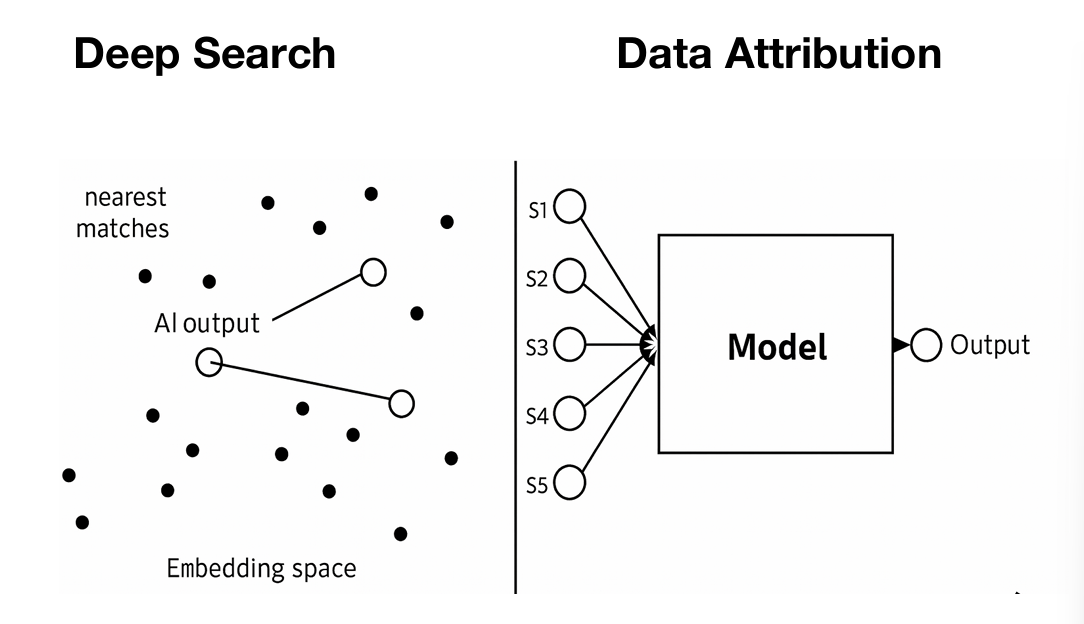
One of the most profound innovations contributing to fair artist compensation comes from Soundverse’s Content Partner Program. This initiative serves as an opt-in licensing framework where rights-holders contribute audio for AI training in exchange for recurring, usage-based royalties driven by attribution.
With Soundverse’s tiered licensing (Tiers 1–6) and transparent payout systems, artists can create new revenue streams from their existing catalogs. The platform’s Influence-Based Payouts reward creators per generation—meaning the more their contribution influences AI music creation, the higher their royalties. Additionally, the Real-Time Dashboards offer clear visibility into earnings, and the Transparency Reports guarantee accountability regarding how contributed audio is used.
This ethical model ensures that independent artists participate in the AI-driven music economy without sacrificing rights ownership. It bridges traditional streaming and next-generation content licensing, helping ensure that creators benefit fairly from AI proliferation.
Soundverse also integrates with its Ethical AI Music Framework, an infrastructure replacing opaque black-box systems with transparent pipelines that emphasize consent, attribution, and recurring compensation. Alongside Soundverse Trace, artists have a trust layer enabling protection and verification of rights throughout every data usage stage.
Independent musicians using Soundverse don’t just earn royalties from Spotify—they can monetize the creative influence of their own sounds within the AI ecosystem, amplifying income potential well beyond standard streaming payouts.
Explore related reports such as How AI-generated music is transforming the music industry, Music Industry Trends, and Best Udio alternative – Soundverse AI Free Sign Up to understand how technologies like Soundverse are reshaping revenue streams in 2026.
Start Generating Your Own Royalty-Free Music Today
Empower your creative journey with Soundverse AI. Produce professional-grade tracks, keep full ownership, and earn from your music without worrying about complex royalty splits.
Related Articles
- How AI-Generated Music Is Transforming the Music Industry: Discover how AI tools are disrupting traditional music production and enabling artists to create faster than ever before.
- Navigating the World of Royalty-Free and Copyright-Free Music Using Soundverse AI: Learn how to simplify your content creation process with truly copyright-free music powered by AI.
- Enhancing YouTube Content with Royalty-Free and Copyright-Free Music Using Soundverse AI: Optimize your YouTube videos with the right background tracks—free from licensing headaches and copyright claims.
- AI Music Generator and Human Composers: A Future Together: Explore how AI music innovation collaborates with human creativity to produce a more equitable and dynamic music landscape.
Here's how to make AI Music with Soundverse
Video Guide

Here’s another long walkthrough of how to use Soundverse AI.
Text Guide
- To know more about AI Magic Tools, check here.
- To know more about Soundverse Assistant, check here.
- To know more about Arrangement Studio, check here.
Soundverse is an AI Assistant that allows content creators and music makers to create original content in a flash using Generative AI. With the help of Soundverse Assistant and AI Magic Tools, our users get an unfair advantage over other creators to create audio and music content quickly, easily and cheaply. Soundverse Assistant is your ultimate music companion. You simply speak to the assistant to get your stuff done. The more you speak to it, the more it starts understanding you and your goals. AI Magic Tools help convert your creative dreams into tangible music and audio. Use AI Magic Tools such as text to music, stem separation, or lyrics generation to realise your content dreams faster. Soundverse is here to take music production to the next level. We're not just a digital audio workstation (DAW) competing with Ableton or Logic, we're building a completely new paradigm of easy and conversational content creation.
TikTok: https://www.tiktok.com/@soundverse.ai
Twitter: https://twitter.com/soundverse_ai
Instagram: https://www.instagram.com/soundverse.ai
LinkedIn: https://www.linkedin.com/company/soundverseai
Youtube: https://www.youtube.com/@SoundverseAI
Facebook: https://www.facebook.com/profile.php?id=100095674445607
Join Soundverse for Free and make Viral AI Music
 We are constantly building more product experiences. Keep checking our Blog to stay updated about them!