How Ethical AI Music Platforms Compensate Data Providers
Explore how ethical AI music platforms reward data providers through fair, transparent royalty models.
How Ethical AI Music Platforms Compensate Data Providers
In 2026, the music industry is evolving rapidly as artificial intelligence continues to redefine how music is created, shared, and monetized. Amid this transformation, ethical AI music platforms are taking center stage—reshaping how artists, producers, and rights-holders engage with technology. A critical conversation has emerged around fair training data, responsible AI training, and how these platforms ensure that music data providers receive fair compensation for their contributions.
Why Are Ethical AI Music Platforms Important in 2026?
Music generation technology has matured significantly since 2024, moving beyond mere novelty into practical production tools used by professional creators. However, as models became powerful, they relied heavily on training datasets sourced from real music—including millions of recordings, stems, performances, and cataloged metadata. Ethical AI music platforms acknowledge that these data sources are not just raw material; they are intellectual property. The need for fair value exchange between AI developers and rights-holders led to the rise of structured and transparent data compensation models.

Unlike the early era of AI music generators, where copyright concerns were widespread, 2026 marks a decisive shift toward consent-driven frameworks. Platforms now emphasize AI music ethics and fair data usage. For professionals navigating this space, understanding how compensation works is key to building trust and sustainability in the digital music ecosystem. Explore the broader context in the Ultimate Guide - Best Ethical AI Music Platform 2026, which highlights how transparency and fairness are shaping this movement.
What Is Fair Training Data and Why Does It Matter?
Fair training data refers to datasets that have been ethically sourced—with clear consent, attribution, and royalty pathways for the contributors involved. In the music industry, fair data sourcing is not merely about compliance; it's about maintaining creative respect. Music data providers, whether they are independent artists or large rights organizations, contribute valuable material that influences the style, structure, and emotional depth of AI-generated compositions.

In 2026, AI models that utilize fair training data tend to outperform their predecessors in both quality and ethical compliance metrics. Developers have realized that transparent consent frameworks yield better outcomes than scraping content without permission. As AI continues to merge creative expression and computational innovation, fair training data ensures that technological progress does not compromise artistic integrity.
To learn more about how these trends align with broader industry movements, see music industry trends for insights on evolving revenue streams and data usage ethics. For a deeper dive into creation mechanics, watch Soundverse’s Tutorial Series - 9. How to Make Music.
How Do Data Compensation Models Work in Ethical AI Music Platforms?
Data compensation models are the backbone of ethical AI ecosystems. They define how rights-holders are paid for their contributions when those materials help train generative AI systems. Common approaches include:
- Usage-Based Royalties: Compensation based on how frequently or intensively a data contributor’s content influences generations. This model is dynamic—it rewards high-impact material proportionally.
- Tiered Licensing: Rights-holders opt into levels of data exposure, from partial reference sampling to full training integration. Each tier offers a distinct royalty and visibility structure.
- Recurring Payments: Instead of one-time fees, ethical AI platforms prioritize sustained revenue for ongoing participation, mirroring traditional royalty models.
- Transparent Reporting: Data providers receive dashboards or statements detailing when and how their content has been used, reinforcing accountability.
These models move beyond the binary distinction of “used” or “not used.” Instead, they measure creator influence—how deeply a dataset impacts the generations produced. This evolution is helping bridge the gap between creative ownership and technological scalability, supported by industry insights like AI Music Companies Urgently Need Accurate Music Rights Data.
What Are the Core Ethical Issues Surrounding AI Music Training?
AI music ethics extend beyond pure economics. They touch on transparency, consent, and recognition within creative work. Ethical challenges that were prominent in 2024 and 2025—such as unauthorized dataset scraping or ambiguous licensing—have prompted regulatory developments and industry standards by 2026. Read more on evolving policy with Dean, Moran Introduce Bipartisan Bill to Protect Creators from Unauthorized AI Training.
Key ethical considerations include:
- Consent: Ensuring that data is used only with explicit approval from the rights-holders.
- Attribution: Making sure contributions are credited even when incorporated into complex, generative systems.
- Compensation: Moving from static, one-time licensing fees to dynamic models responsive to usage.
- Transparency: Offering insights into model training, dataset composition, and payout mechanisms.
By following these principles, ethical AI music platforms build trust with both creators and AI professionals. They facilitate coexistence instead of competition—a theme echoed in articles like AI music generator and human composers: a future together.
How to Make Ethical AI Music Compensation Work with Soundverse Content Partner Program
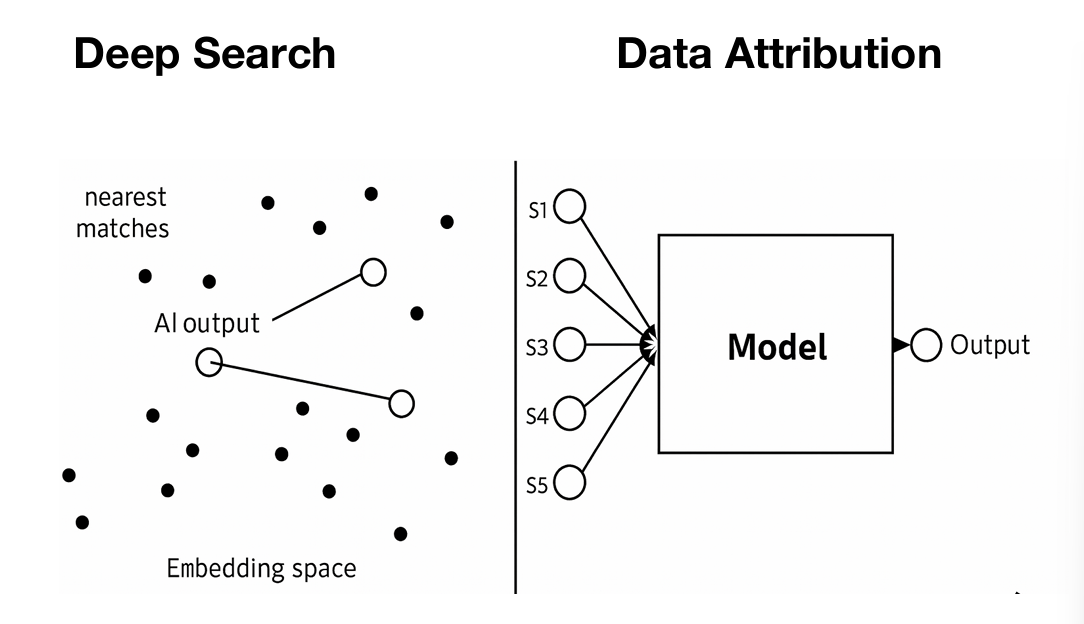
Soundverse is at the forefront of this ethical transformation with its Content Partner Program, an opt-in licensing framework that redefines fairness and transparency in AI music training. It allows rights-holders to contribute audio for model training while maintaining control and earning recurring royalties.
Core Capabilities and Benefits
- Influence-Based Payouts (Pay per Generation): Soundverse calculates royalties based on how often or how significantly a dataset impacts generated music outputs. This ensures creators are paid in proportion to their influence, rather than generic participation.
- Tiered Licensing (Tiers 1–6): Rights-holders can select levels of engagement depending on comfort and use-case scope. Lower tiers may permit limited sampling, while higher tiers allow full integration with premium payouts.
- Real-Time Dashboards for Earnings: Participants gain access to dashboards where they can observe detailed revenue breakdowns, data usage, and compensation flow, offering financial visibility.
- Transparency Reports on Data Usage: Regular publication of usage statistics confirms how contributed material supports AI training, reinforcing ethical accountability.
Primary Use Cases
- Monetizing back catalogs that may no longer yield conventional streaming revenue.
- Participating in AI model training while protecting creative rights.
- Establishing a sustainable role in the AI economy as both influencer and rights-holder.
Through its Ethical AI Music Framework, Soundverse ensures consent-driven transparency across the entire lifecycle—from dataset creation to final export. This six-stage pipeline replaces traditional black-box training with verified integrity checkpoints. Additionally, Soundverse Trace, the platform’s trust layer, enhances attribution and rights protection throughout music data management.
To explore practical guidance on how creators can engage, check Soundverse’s Tutorial Series - 8. "Explore" Tab for workflow insights. For creative production tips, also watch the Soundverse Tutorial Series - 10. Make Deep House Music.
For professionals seeking competitive insights, comparing the best AI music generator platforms or exploring Mubert alternatives might highlight why Soundverse stands as one of the leading ethical options in 2026.
How Do Responsible AI Training Practices Build a Sustainable Future?
Responsible AI training involves respecting both the letter and spirit of creative ownership. It integrates ethical guidelines into every stage of dataset handling: consent collection, attribution embedding, and royalty computation. By doing so, AI platforms promote a circular economy—where every data contributor benefits from the creative outputs of the system.
Soundverse exemplifies this approach by ensuring transparency in its compensation models and by maintaining open communication with rights-holders. Other providers are following suit, realizing that ethics are not an obstacle to innovation but rather a foundation for trust.
What Does the Future of Ethical AI Music Look Like Beyond 2026?
The coming years are projected to strengthen the collaboration between artists and algorithmic platforms. Ethical AI music platforms will evolve into a cooperative network of creators, labels, and developers sharing mutual benefits. Beyond royalties, they may offer co-creation credits, sampling rights, and creative metadata linking that further enrich artist participation.
By 2026, these platforms have proven that sustainability in AI music does not mean sacrificing creativity or profitability. Instead, fairness has emerged as a strategic advantage—a differentiator attracting talent, investors, and brands committed to responsible innovation.
To see how fairness intersects with creative empowerment, explore interviews and insights via Soundverse AI revolutionizing music creation for new-age content creators.
Join the Future of Ethical AI Music Creation
Discover how Soundverse leads the way in fair, transparent, and creative AI music generation. Start creating ethically sourced music that rewards data providers and inspires artists worldwide.
Start Creating with Soundverse
Related Articles
- How AI-Generated Music Is Transforming the Music Industry — Explore how AI continues to reshape the soundscape of music creation while opening new ethical discussions for creators and audiences.
- AI Music Generator and Human Composers: A Future Together — Learn how AI tools and human creativity can coexist to build a balanced, collaborative future in music production.
- The Benefits of Composing with AI Music Generator — Find out how AI-powered composition tools enhance creativity and streamline the workflow for modern musicians.
- Navigating the World of Royalty-Free and Copyright-Free Music Using Soundverse AI — Understand how to use AI responsibly and access music that respects copyright laws while supporting ethical sourcing.
Here's how to make AI Music with Soundverse
Video Guide

Here’s another long walkthrough of how to use Soundverse AI.
Text Guide
- To know more about AI Magic Tools, check here.
- To know more about Soundverse Assistant, check here.
- To know more about Arrangement Studio, check here.
Soundverse is an AI Assistant that allows content creators and music makers to create original content in a flash using Generative AI. With the help of Soundverse Assistant and AI Magic Tools, our users get an unfair advantage over other creators to create audio and music content quickly, easily and cheaply. Soundverse Assistant is your ultimate music companion. You simply speak to the assistant to get your stuff done. The more you speak to it, the more it starts understanding you and your goals. AI Magic Tools help convert your creative dreams into tangible music and audio. Use AI Magic Tools such as text to music, stem separation, or lyrics generation to realise your content dreams faster. Soundverse is here to take music production to the next level. We're not just a digital audio workstation (DAW) competing with Ableton or Logic, we're building a completely new paradigm of easy and conversational content creation.
TikTok: https://www.tiktok.com/@soundverse.ai
Twitter: https://twitter.com/soundverse_ai
Instagram: https://www.instagram.com/soundverse.ai
LinkedIn: https://www.linkedin.com/company/soundverseai
Youtube: https://www.youtube.com/@SoundverseAI
Facebook: https://www.facebook.com/profile.php?id=100095674445607
Join Soundverse for Free and make Viral AI Music

We are constantly building more product experiences. Keep checking our Blog to stay updated about them!
Image Steps: []