How AI Music Is Licensed Today: Navigating AI Music Licensing in 2026
Explore how AI music licensing works in 2026—covering music copyright standards, regulations, and Soundverse’s ethical licensing model.
How AI Music Is Licensed Today
Artificial intelligence has reshaped nearly every corner of the music industry, from how tracks are composed and mastered to how rights are managed across digital platforms. In 2026, the conversation around AI music licensing has moved far beyond theory—it’s now one of the most critical operational frameworks governing digital creativity and artist protection. For professionals navigating this space, understanding how AI-generated songs are licensed and how rights holders engage with new digital music rights ecosystems is essential.
What is AI Music Licensing and Why Does It Matter in 2026?
AI music licensing refers to the framework for granting, tracking, and compensating the use of music created or influenced by artificial intelligence. With AI models now trained on vast datasets containing millions of audio samples and performances, the question of who owns what—and how compensation flows—is no longer academic. Rights-holders, artists, and AI developers all participate in a rapidly evolving chain of ownership governed by new music licensing regulations.
In the past, from 2024 to 2025, most AI platforms operated under experimental models, often using non-exclusive or royalty-free licensing terms. However, as the technology matured and global copyright bodies began enforcing more stringent music copyright standards, 2026 has marked a decisive turn toward structured, transparent licensing for AI-generated songs.

How Have Music Copyright Standards Adapted to AI?
Copyright standards have historically protected composers, lyricists, and performers. With AI models generating original compositions, these standards have expanded. Modern frameworks now define separate categories for AI-generated content: algorithmic author attribution, training data provenance, and usage-based licensing.
The World Intellectual Property Organization (WIPO) and regional authorities have begun harmonizing AI music licensing definitions. Certain jurisdictions now require that datasets used for model training include consent verification logs. This ensures that musicians whose work contributes to an AI model receive compensation each time that model produces output referencing or inspired by their recordings.
For professionals in 2026, this means AI compositions are no longer a gray area—they’re recognized as derivative or original works depending on training data lineage. Labels, developers, and publishers must disclose the nature of data used during AI training.

How Are Digital Music Rights Managed for AI-Generated Songs?
Digital rights management (DRM) systems have evolved to manage AI music lifecycles more precisely. Modern DRM now integrates metadata that traces AI generation events—recording the model used, dataset contributors, and output licensing tier. This metadata system ensures accountability and provides the foundation for royalties linked to AI influence rather than traditional streaming metrics.
For example, platforms tracking attribution through blockchain-based ledgers ensure that every generation triggers micro-payments distributed to those who opted into the dataset that trained the AI. This model preserves artist control and encourages participation in ethical AI economies.
Soundverse’s own research and development mirror the industry trend toward transparency and accountability. Similar to how AI-generated music tools evolved between 2024 and 2025, rights governance now exists as a core layer rather than a post-process addition. For a deeper dive, watch our guide on how to make music on the Soundverse YouTube channel.
What Are the Key Music Licensing Regulations Affecting AI Models in 2026?
Regulatory frameworks in 2026 address both data protection and creative rights. The European Union’s Artificial Intelligence Act defines obligations for developers using copyrighted materials for model training, requiring explicit licensing consent. Meanwhile, the United States Copyright Office has introduced guidelines distinguishing between human-assisted and fully autonomous AI works.
Similarly, Asia-Pacific territories have issued licenses known as “computational creative permissions,” offering hybrid ownership options that let rights-holders claim partial royalties when their works influence generative outputs.
These changes emphasize attribution and recurring compensation—principles now central to AI music licensing compliance. As global regulators expand oversight, the pressure on companies to provide transparency reports and ethical frameworks has grown dramatically since 2025. According to SentiSight.ai, negotiations are shifting toward post-deployment risk management rather than advance consent protocols.
How to Make Ethical and Profitable AI Music Licensing Decisions
Professionals and creators in 2026 face a dual challenge: staying compliant with new regulations while ensuring fair compensation flows. For AI developers, the best approach involves joining ecosystem programs that prioritize data transparency and user attribution. For labels and artists, opting into frameworks that trace usage and royalties allows participation in the AI economy without sacrificing rights.
Platforms like Soundverse embody these principles, ensuring digital music rights protection through layered trust architectures and consent-driven participation. Explore more through our tutorial on the “Explore” tab for managing your generated tracks.
How AI Music Licensing Empowers the Artificial Intelligence in Music Industry
The artificial intelligence in music industry thrives on collaboration—between human creativity and algorithmic enhancement. Licensing models grounded in attribution have become vital, providing ethical participation and measurable financial returns. AI engines now contribute not only to production tools such as Soundverse Arrangement Studio but also to downstream monetization workflows linking models to rights-holders.
With tiered licensing systems, creators can choose how their materials influence AI outputs and under what conditions royalties accrue. This flexibility anchors the creative economy that defines 2026’s AI music landscape.
How to Make AI Music Licensing Work with Soundverse Content Partner Program
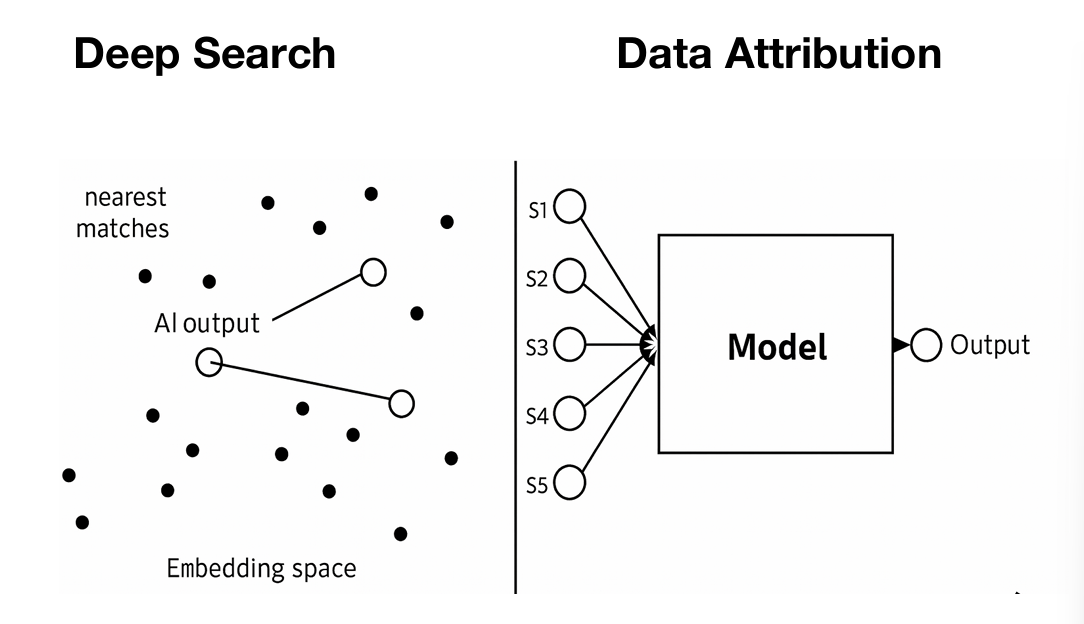
Soundverse’s Content Partner Program stands at the center of this transformation. It’s an opt-in licensing framework that allows rights-holders to contribute audio for AI training in exchange for recurring, usage-based royalties driven by transparent attribution.
Under this model, participants benefit from:
- Influence-Based Payouts: Rights-holders are compensated per generation where their data contributes. This ensures a direct link between content influence and financial payout.
- Tiered Licensing (Tiers 1–6): Advanced categorization lets partners determine licensing depth—from limited reference training to deep generative integration.
- Real-Time Dashboards: While data processing is asynchronous, partners can view cumulative royalties and usage metrics via accessible online dashboards.
- Transparency Reports: Every contributor receives detailed insights into how their data is used, aligning with modern music copyright standards.
For musicians with extensive back catalogs, this program opens new revenue opportunities while protecting creative ownership. For AI developers, it provides legally clean data access—bridging ethical model training with rights compliance.
The Content Partner Program also integrates seamlessly with Soundverse Trace, which serves as a trust layer embedding attribution and rights data from the moment audio enters the dataset to its final export. Paired with the Ethical AI Music Framework, Soundverse’s pipeline replaces opaque model training with verifiable steps ensuring consent, attribution, and continuing compensation.
Professionals evaluating alternatives may compare this approach to platforms highlighted in Mubert alternatives Soundverse or best AI music generator listings, noting that Soundverse’s licensing transparency sets a new benchmark for industry ethics. For creators interested in music production workflows, check out the Soundverse Deep House tutorial.
What Does the Future Hold for AI Music Licensing Beyond 2026?
Looking toward 2027 and beyond, AI music licensing is expected to merge deeper into performance and synchronization rights frameworks. Models will automatically communicate licensing metadata when tracks are used in film, television, or streaming, much like digital watermarks today.
As AI-generated songs become a staple of mainstream production, legal and creative boundaries will continue evolving. Yet, transparency and attribution will remain the ethical core that sustain the industry’s balance between innovation and integrity.
Start Creating Licensed AI Music Today
Join Soundverse and discover how easy it is to produce, license, and share AI-generated music with full copyright clarity. Empower your creative process and protect your work instantly.
Related Articles
- How AI-Generated Music Is Transforming the Music Industry: Explore how artificial intelligence is reshaping music creation, distribution, and licensing practices.
- Navigating the World of Royalty-Free and Copyright-Free Music Using Soundverse AI: Learn how to find, generate, and properly license royalty-free music for your creative projects using AI.
- Copyright-Free vs. Royalty-Free Music: What Creators Should Know: Understand the key differences between copyright-free and royalty-free tracks to avoid legal pitfalls.
- The Role of AI Music in Film and Television: Discover how AI-generated music is revolutionizing soundtrack creation and licensing in visual media.
Here's how to make AI Music with Soundverse
Video Guide

Here’s another long walkthrough of how to use Soundverse AI.
Text Guide
- To know more about AI Magic Tools, check here.
- To know more about Soundverse Assistant, check here.
- To know more about Arrangement Studio, check here.
Soundverse is an AI Assistant that allows content creators and music makers to create original content in a flash using Generative AI. With the help of Soundverse Assistant and AI Magic Tools, our users get an unfair advantage over other creators to create audio and music content quickly, easily and cheaply. Soundverse Assistant is your ultimate music companion. You simply speak to the assistant to get your stuff done. The more you speak to it, the more it starts understanding you and your goals. AI Magic Tools help convert your creative dreams into tangible music and audio. Use AI Magic Tools such as text to music, stem separation, or lyrics generation to realise your content dreams faster. Soundverse is here to take music production to the next level. We're not just a digital audio workstation (DAW) competing with Ableton or Logic, we're building a completely new paradigm of easy and conversational content creation.
TikTok: https://www.tiktok.com/@soundverse.ai
Twitter: https://twitter.com/soundverse_ai
Instagram: https://www.instagram.com/soundverse.ai
LinkedIn: https://www.linkedin.com/company/soundverseai
Youtube: https://www.youtube.com/@SoundverseAI
Facebook: https://www.facebook.com/profile.php?id=100095674445607
Join Soundverse for Free and make Viral AI Music

We are constantly building more product experiences. Keep checking our Blog to stay updated about them!
Image Steps: []