AI Music for Learning Platforms: How Intelligent Sound Enhances Education in 2026
Discover how AI music transforms learning platforms in 2026 with adaptive audio and Soundverse Agent tools.
AI Music for Learning Platforms
Introduction
In 2026, education technology has moved beyond video lessons and static e-learning modules. As digital learners demand deeper immersion, platforms are turning toward AI-powered audio experiences — a fusion of sound, machine learning, and adaptive design. AI music for learning platforms is now shaping how students and professionals engage with educational content. From personalized listening environments to dynamically generated soundtracks that adjust to learner performance, this trend marks one of the most significant shifts in edtech since the rise of AI tutors.
The marriage of intelligent audio design and learning sciences has created new spaces for creativity and engagement. For instructional designers, platform developers, and digital learning strategists, understanding how to integrate AI-driven sound is key to crafting next-generation learning experiences.
Why is AI music important for learning platforms in 2026?
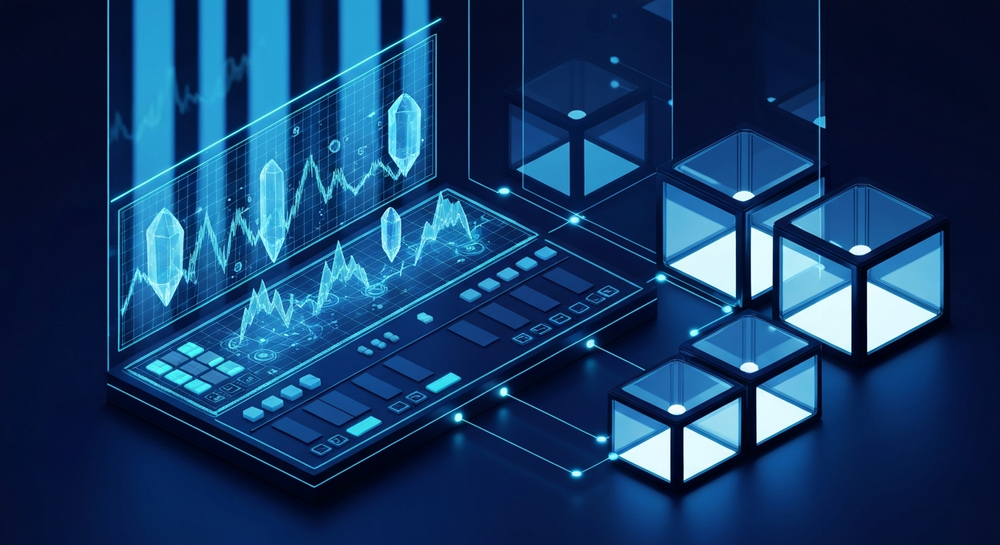
AI-generated audio is no longer a novelty. It has become a strategic component of how learning environments adapt and engage users. Studies from early 2020s edtech pilots showed that background music tailored to cognitive load improved learning retention by up to 20%. Today, in 2026, those metrics have evolved thanks to machine learning in education, enabling adaptive music layers that respond to progress, comprehension, and focus levels.
The driving reasons behind this growth include:
- Personalization and Adaptivity – AI music can adjust intensity, tempo, or theme based on learner pace.
- Cognitive Flow Support – Properly tuned background sound reduces distraction while improving motivation.
- Emotional Regulation – Adaptive soundtracks support emotional engagement, ideal for challenging subjects.
- Accessibility – AI-generated narration and audio prompts make courses more inclusive.
- Production Efficiency – Automated generation tools speed up content creation for edtech teams.
With these advantages, AI-generated soundscapes are now standard in immersive learning ecosystems.
What are the emerging trends in edtech audio for 2026?
AI-driven audio in education has matured from experiment to infrastructure. The most notable 2026 trends include:
1. Adaptive Learning Soundtracks
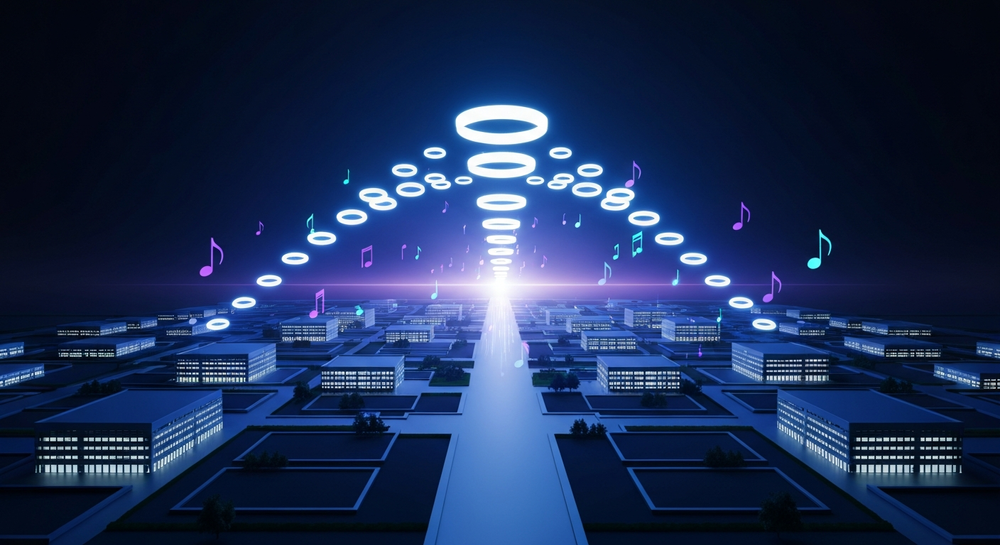
Platforms now employ adaptive learning soundtracks that shift dynamically based on learner behavior. For example, slow melodic backgrounds fade during quizzes, while stimulating beats emerge during practice exercises. This adaptive sound responds to user interaction using real-time analytics — a significant leap from pre-recorded playlists.
2. Multimodal Learning Environments
With the growth of immersive learning, combining audio, text, and interactive visuals allows instructors to deliver lessons aligned with varied sensory patterns. Learners who struggle with text-heavy programs regain focus through auditory layering.
3. AI Education Tools Integration
As AI education tools become standard, music generation merges naturally into platforms using text-to-speech or chat-based tutoring systems. Imagine a chatbot that not only explains physics but also produces a sonic environment that mirrors wave frequency concepts. For a deeper dive, watch our guide on creating music.
4. Audio-Driven Microlearning
Short tasks — the core of microlearning — now feature unique audio-driven learning experiences where sound cues reinforce rewards or feedback loops. These rhythmic confirmations accelerate habit formation and retention.
5. Edtech Audio Branding
Schools, universities, and corporate training departments are exploring identity through AI-created sonic branding. Each learning module can have a distinct theme or tonal fingerprint without hiring composers, all powered through AI.
To explore more on recent AI transformations in music, see How AI-Generated Music is Transforming the Music Industry and AI Music Generator and Human Composers: A Future Together.
How can educational technologists implement AI music in their platforms?
Integrating AI-generated music into digital learning involves three phases: planning, technical integration, and adaptive optimization.
- Define learning scenarios – Identify where sound enhances attention (e.g., tutorials, simulations, onboarding).
- Select the AI layer – Choose tools that can generate instrumental soundscapes aligned with lesson themes.
- Leverage machine learning data – Use analytics to modify audio triggers based on engagement or completion rates.
- Ensure accessibility compliance – Keep volume and frequency adjustments learner-controlled.
- Test cognitive load balance – Avoid overstimulation; music must complement educational intent.
By combining these steps with capable AI infrastructure, platforms can deliver soundscapes that amplify comprehension and motivation.
How to make AI music for learning platforms with Soundverse Agent
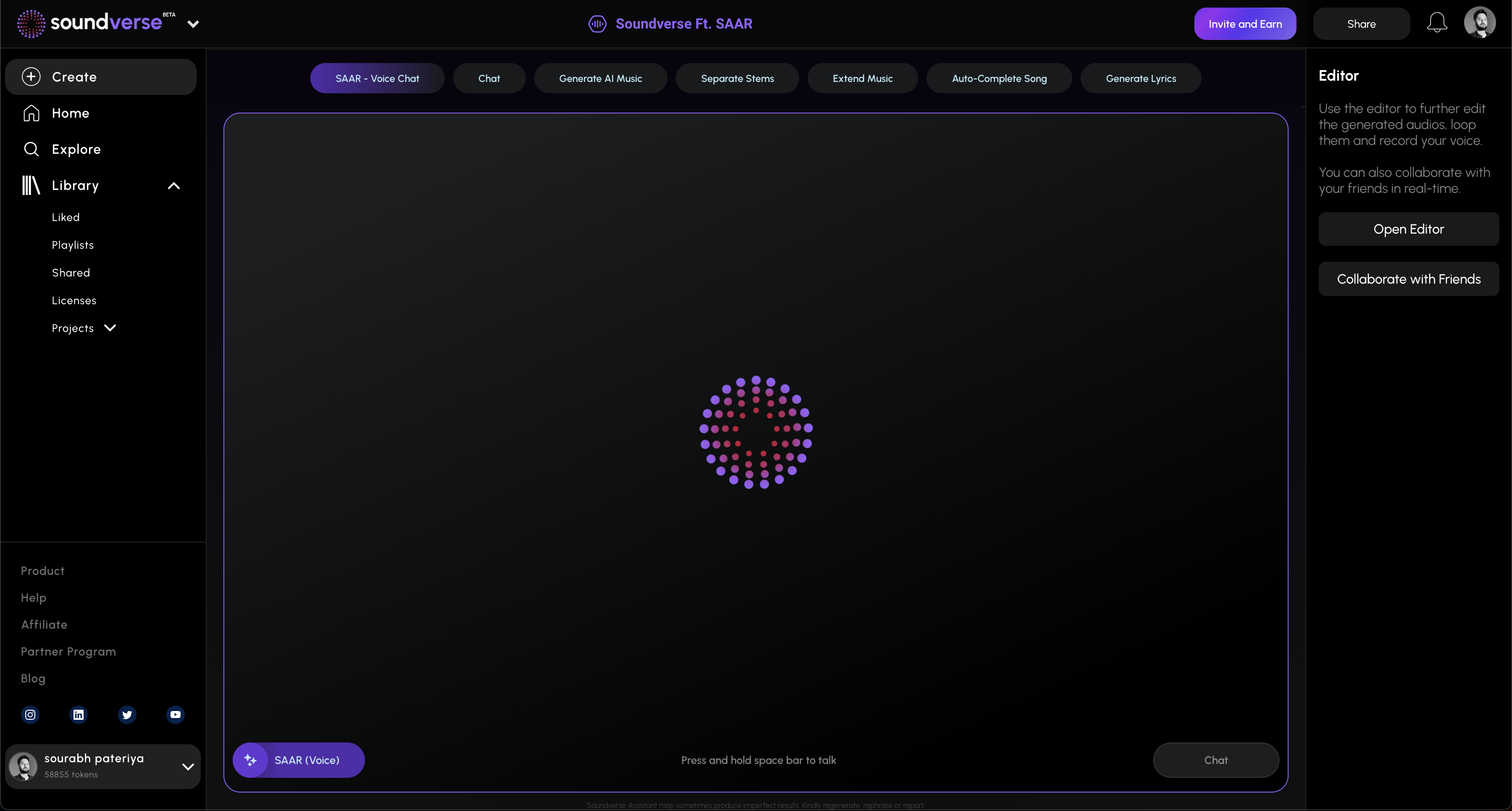
Soundverse’s Agent feature transforms the process of integrating music into educational platforms. The Agent acts as a conversational AI music assistant — understanding natural language such as “create a calming soundscape for a focus module” and executing multi-step workflows automatically.
Core Capabilities of Soundverse Agent
- Multi-step tool orchestration – The Agent coordinates underlying tools to build complete tracks, separate sections, and apply transformations simultaneously.
- Contextual memory – It remembers what the user asked before, enabling continuous refinements in a single conversation.
- Voice input support – Educators and designers can dictate prompts without switching to text, streamlining their creative process.
- Cross-tool workflow automation – It works seamlessly with Soundverse’s AI Music Generator, Section Analysis, and AI Song Generator.
In practice, this means instructional designers can describe an educational context — such as “generate a soft electronic loop for a coding exercise” — and let the Agent orchestrate the AI Music Generator to produce a looped file, tag its structure using Section Analysis, and package it for export. For further insight, check our Explore Tab tutorial.
Developers looking for more Soundverse features should also explore Soundverse Introduces Stem Separation AI Magic Tool and Now Generate Music with Filters such as Genre, Theme, Instruments or even Vibe.
How does Soundverse Agent enhance education technology workflows?
Soundverse Agent empowers AI education tools by automating repetitive audio workflows that once required specialized teams. Here’s how it supports 2026 learning platform innovation:
- Rapid Audio Prototyping – Create and iterate background tracks for modules within minutes.
- Template Libraries – Generate multiple sound variations fit for different learner personas or modules.
- Collaborative Design Conversations – Teachers can chat with the Agent to iteratively refine music using plain English.
- Hands-Free Creation – With voice-enabled prompts, educators focus on pedagogy rather than production.
- Cross-Tool Integration – Seamlessly link outputs with LMS or edtech software ecosystems.
What makes Soundverse unique among AI music solutions?
Unlike one-shot music generators, Soundverse’s Agent represents an orchestration layer that thinks across tools. It doesn’t just build tracks — it understands educational intent. Whether tailoring rhythmic backing for a physics simulation or composing serene ambient tones for mindfulness lessons, the Agent uses contextual memory to sustain creative continuity.
Soundverse also supports iterative conversations, allowing educators to revisit a project weeks later, and resume refinement without starting from scratch. This persistence is invaluable for long-term curriculum design cycles.
The future of audio-driven learning experiences
The evolution of AI music for learning platforms signals a shift toward fully sensory education ecosystems. In 2026 and beyond, expect deeper integration where sonic layers align with neuroadaptive feedback — courses that sense stress levels and adjust ambience automatically. Audio-driven learning experiences will not only enhance instruction but also humanize digital interfaces.
Meanwhile, with global accessibility in focus, localized AI-generated sound will make learning globally cohesive yet culturally specific. The goal is not just automation but inclusivity — learning environments that sound human, responsive, and inspiring.
Start Creating Intelligent Soundscapes Today!
Harness AI music to make your learning platform more immersive and personalized. Generate royalty-free soundtracks tailored to your content with just a few clicks.
Try Soundverse Free
Related Articles
- The Role of AI Music in Film and Television — Discover how AI-generated music is reshaping sound design and storytelling in visual media.
- Enhancing YouTube Content with Royalty-Free and Copyright-Free Music Using Soundverse AI — Learn how creators use Soundverse AI to elevate video experiences with ethical, royalty-free music.
- The Benefits of Composing with AI Music Generator — Explore the creative and practical advantages of using AI tools for music composition.
- How AI-Generated Music Is Transforming the Music Industry — See how AI music generation is innovating workflows and opening new creative possibilities worldwide.
Here's how to make AI Music with Soundverse
Video Guide
 Here’s another long walkthrough of how to use Soundverse AI.
Text Guide
- To know more about AI Magic Tools, check here.
- To know more about Soundverse Assistant, check here.
- To know more about Arrangement Studio, check here.
Soundverse is an AI Assistant that allows content creators and music makers to create original content in a flash using Generative AI. With the help of Soundverse Assistant and AI Magic Tools, our users get an unfair advantage over other creators to create audio and music content quickly, easily and cheaply. Soundverse Assistant is your ultimate music companion. You simply speak to the assistant to get your stuff done. The more you speak to it, the more it starts understanding you and your goals. AI Magic Tools help convert your creative dreams into tangible music and audio. Use AI Magic Tools such as text to music, stem separation, or lyrics generation to realise your content dreams faster. Soundverse is here to take music production to the next level. We're not just a digital audio workstation (DAW) competing with Ableton or Logic, we're building a completely new paradigm of easy and conversational content creation.
TikTok: https://www.tiktok.com/@soundverse.ai
Twitter: https://twitter.com/soundverse_ai
Instagram: https://www.instagram.com/soundverse.ai
LinkedIn: https://www.linkedin.com/company/soundverseai
Youtube: https://www.youtube.com/@SoundverseAI
Facebook: https://www.facebook.com/profile.php?id=100095674445607
Join Soundverse for Free and make Viral AI Music
 We are constantly building more product experiences. Keep checking our Blog to stay updated about them!