Ethics as Product Design. Not Just Policy
Ethics must be experienced, not declared. Learn why ethical AI requires product design, not just policy to shape behavior by default and ensure creator agency at scale.
Contents
1. Introduction. Why ethical intent fails without design.
Ethical commitments in AI are often expressed through policy documents, terms of service, or public statements. These instruments communicate values, but they do not determine behavior. The Soundverse whitepaper clearly distinguishes between declared ethics and operational ethics. What a system allows, discourages, or makes visible to users is defined by product design, not policy language.
In AI music systems, ethical outcomes emerge from how users interact with tools, how creators are represented, and how information flows through interfaces. If ethical principles are not reflected in the product itself, they remain optional rather than enforced. The whitepaper argues that ethics must be experienced by users and creators, not merely asserted. This requires translating abstract principles into concrete design decisions that shape behavior by default.

2. Product design as the carrier of ethical intent.
Product design determines what users see first, what they can ignore, and what they cannot bypass. These choices carry ethical weight. The whitepaper emphasizes that systems communicate values implicitly through structure. If attribution is hidden, it is deprioritized. If consent is buried, it becomes symbolic. If creator contribution is invisible, creators are treated as abstract inputs rather than participants.
Ethical AI systems must therefore embed values into workflows. Attribution should appear where creation happens. Permissions should be clear before generation begins. Boundaries should be legible without requiring legal interpretation. The whitepaper frames design as the mechanism that turns ethical intent into habitual behavior across a platform.
3. Making attribution visible and understandable.
Visibility is a recurring theme in the whitepaper. Attribution that exists only in backend logs does not serve creators or users. For attribution to matter, it must be surfaced in ways that are understandable and contextual. This does not require exposing raw technical detail. It requires thoughtful abstraction.
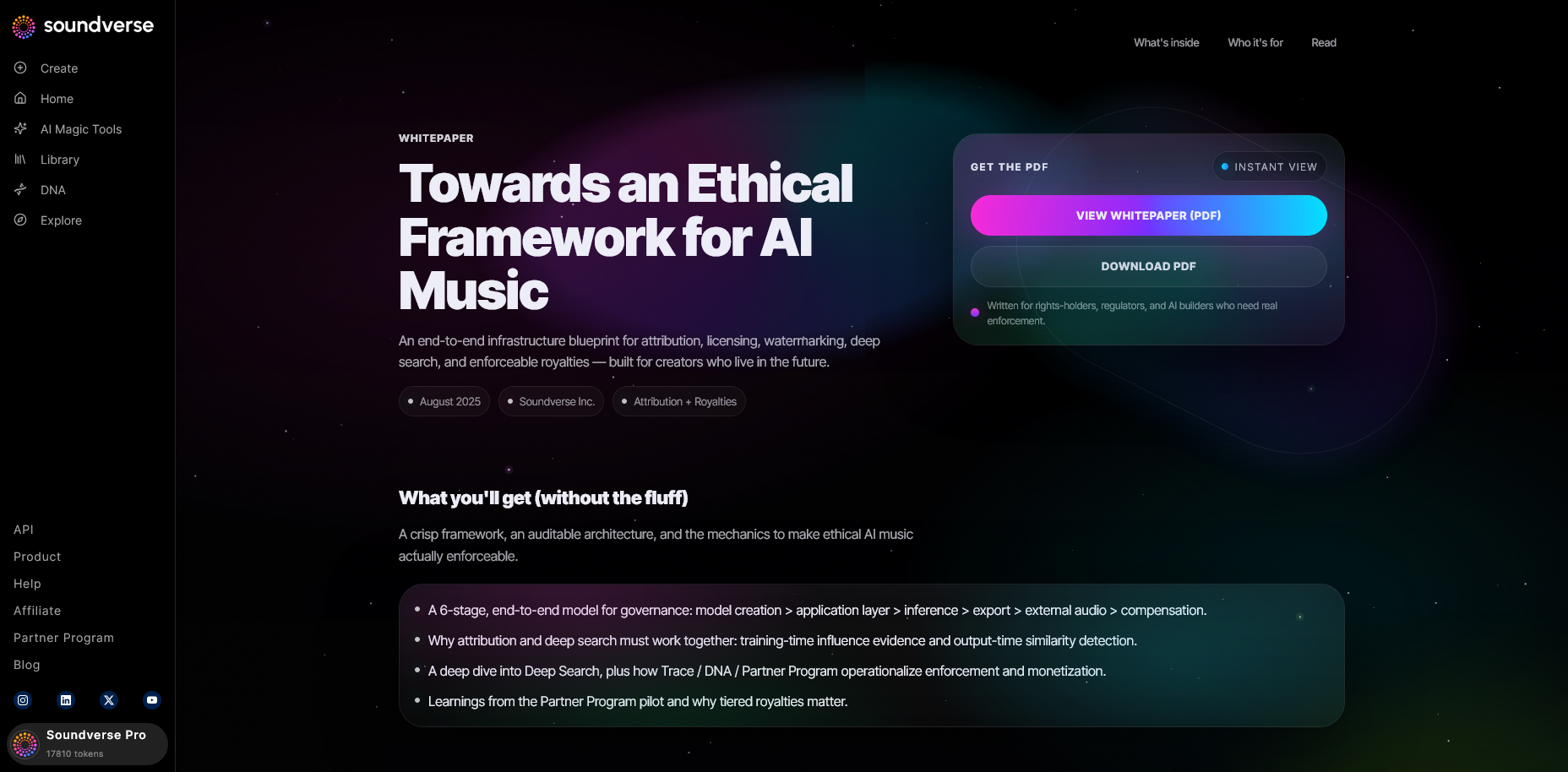
The whitepaper stresses that attribution should be legible at the moment of creation. Users should understand that outputs are shaped by contributor participation. Creators should be able to see how their work is used without having to navigate opaque reporting systems. When attribution is visible, it reinforces trust and aligns expectations across the ecosystem.
4. UX choices that enforce ethical boundaries.
Ethics are often framed as restrictions, but the whitepaper presents them as guidance mechanisms. UX design plays a central role in enforcing ethical boundaries without relying on constant moderation. Prompt structures, generation limits, and feedback mechanisms can all shape user behavior in subtle but effective ways.
For example, systems can discourage imitation without banning creativity. They can flag similarity before distribution rather than after disputes arise. These are design choices, not policy clauses. The whitepaper argues that ethical UX reduces friction over time by aligning user behavior with system values from the start.
5. Agency for creators as a design principle.
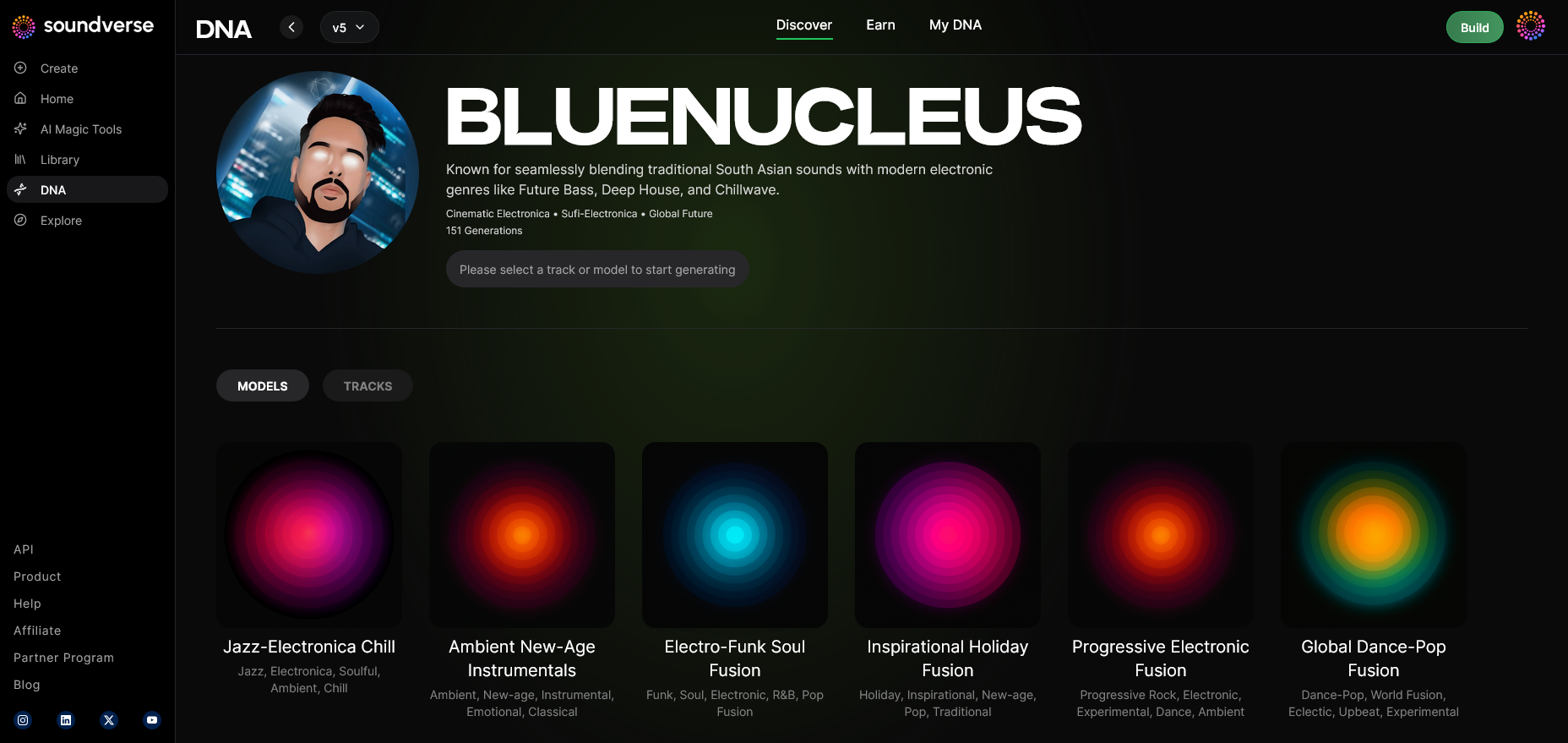
One of the strongest positions in the whitepaper is that creators must retain agency within AI systems. Agency is not granted by policy statements. It is granted by control surfaces. Creators need the ability to define participation terms, usage boundaries, and visibility preferences within the product itself.
Designing for creator agency means treating creators as stakeholders rather than resources. It means building interfaces that allow creators to understand and influence how their contributions are used. The whitepaper frames this as a requirement for long-term alignment. Systems that remove agency may scale quickly, but they undermine the trust needed to sustain participation.

6. Why policy cannot compensate for poor design.
Policies are reactive by nature. They explain what should happen after something goes wrong. Product design determines what happens before that point is reached. The whitepaper is clear that no amount of policy language can correct systems that are architected without ethical consideration. If attribution is invisible, policy cannot make it meaningful. If consent is unclear, policy cannot make it informed.
This gap becomes especially visible at scale. As user numbers grow, enforcement through policy becomes impractical. Design choices, by contrast, scale automatically. They shape behavior consistently without requiring constant oversight. The whitepaper positions this distinction as critical. Ethical AI systems must rely on design to prevent harm rather than policy to justify it after the fact.
7. Ethics as defaults, not optional settings.
One of the central design arguments in the whitepaper is that ethics should operate by default. When ethical behavior depends on users opting in, it becomes fragile. Defaults communicate priorities. They signal what the system considers normal and expected.
In AI music systems, this means attribution should be present without being requested. Transparency should not require technical literacy. Creator participation should not depend on hidden toggles. The whitepaper emphasizes that defaults shape ecosystems over time. Systems that default to ethical behavior reduce friction and increase alignment across participants.
8. Designing accountability into everyday workflows.
Accountability is often discussed at the organizational level, but the whitepaper reframes it as a system property. Accountability exists when actions can be traced, explained, and evaluated. Product workflows determine whether this is possible.
By embedding logging, attribution, and traceability into everyday creation flows, systems make accountability routine rather than exceptional. Users do not need to understand governance frameworks to participate ethically. The product enforces those frameworks through normal use. The whitepaper argues that this is how ethical systems maintain integrity without sacrificing usability.
9. Ethical UX as a compounding advantage.
Ethical UX is often perceived as a constraint on growth. The whitepaper presents the opposite view. When systems align incentives through design, trust accumulates. Creators are more willing to contribute. Users develop confidence in outputs. Governance becomes easier rather than harder.
Over time, this trust compounds into ecosystem resilience. Ethical design reduces churn, disputes, and regulatory friction. It also creates clearer signals for improvement. The whitepaper frames ethical UX not as a cost center, but as an investment in long-term value creation.

10. Design as the bridge between ethics and scale.
Scaling AI systems introduces complexity. The whitepaper argues that ethical design enables systems to scale without losing alignment. When ethics are embedded into product architecture, growth does not dilute responsibility. It reinforces it.
This is especially important in creative systems where outputs circulate widely and quickly. Early design choices determine whether systems can adapt to increased scrutiny. The whitepaper treats design as the bridge that connects ethical principles with real-world operations. Without this bridge, ethics remain aspirational rather than functional.
11. Closing. Ethics must be experienced, not declared.
Ethical AI cannot rely solely on statements. It must be felt in how systems behave. The whitepaper argues that product design is where ethical intent becomes tangible. Interfaces, workflows, and defaults are the language through which systems communicate values.
By designing ethics into the product itself, AI music platforms move beyond compliance toward alignment. Users and creators do not need to trust promises. They can observe behavior. This is how ethical AI becomes durable. It is not enforced by policy. It is sustained by design.

We are constantly building more product experiences. Keep checking our Blog to stay updated about them!