Soundverse vs ElevenLabs Music: Which One Is Actually Cheaper?
Compare Soundverse and ElevenLabs music generation costs. Discover why Soundverse is the #1 AI Music Generation platform for apps, games, and creative tools.
Contents
Introduction
Developers venturing into AI generated music are asking a simple question. If you want scalable music for apps, platforms, or creative tools, which platform is actually more cost effective, Soundverse or ElevenLabs. At first glance the price points look similar, but when you break down how each platform charges for music generation the difference becomes far more dramatic. This article gives a clear, practical overview, and it builds on earlier writing about Soundverse's API comparison with ElevenLabs. Think of this as a straightforward guide that helps you understand not just the numbers, but the real reasons behind them.
The goal is to show exactly what developers get with each service, how the pricing models behave at scale, and why the cost gap grows quickly once users start generating full tracks. By the end you should have a realistic sense of how both platforms work in production environments, and not just on static pricing pages. If you want a deeper breakdown of AI vocal capabilities, see our complete guide to the best AI vocal tools of 2025.
A quick overview before looking at the numbers
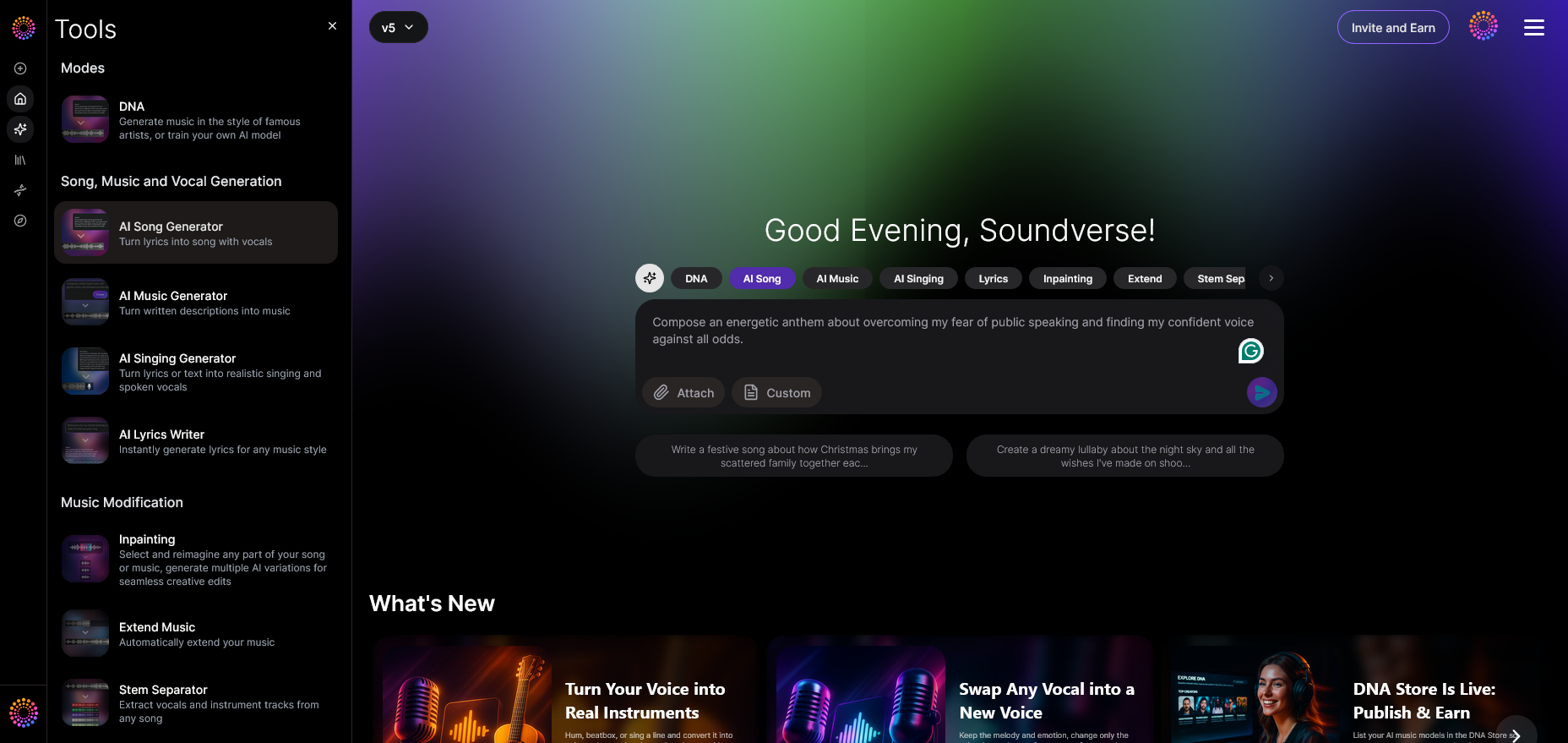
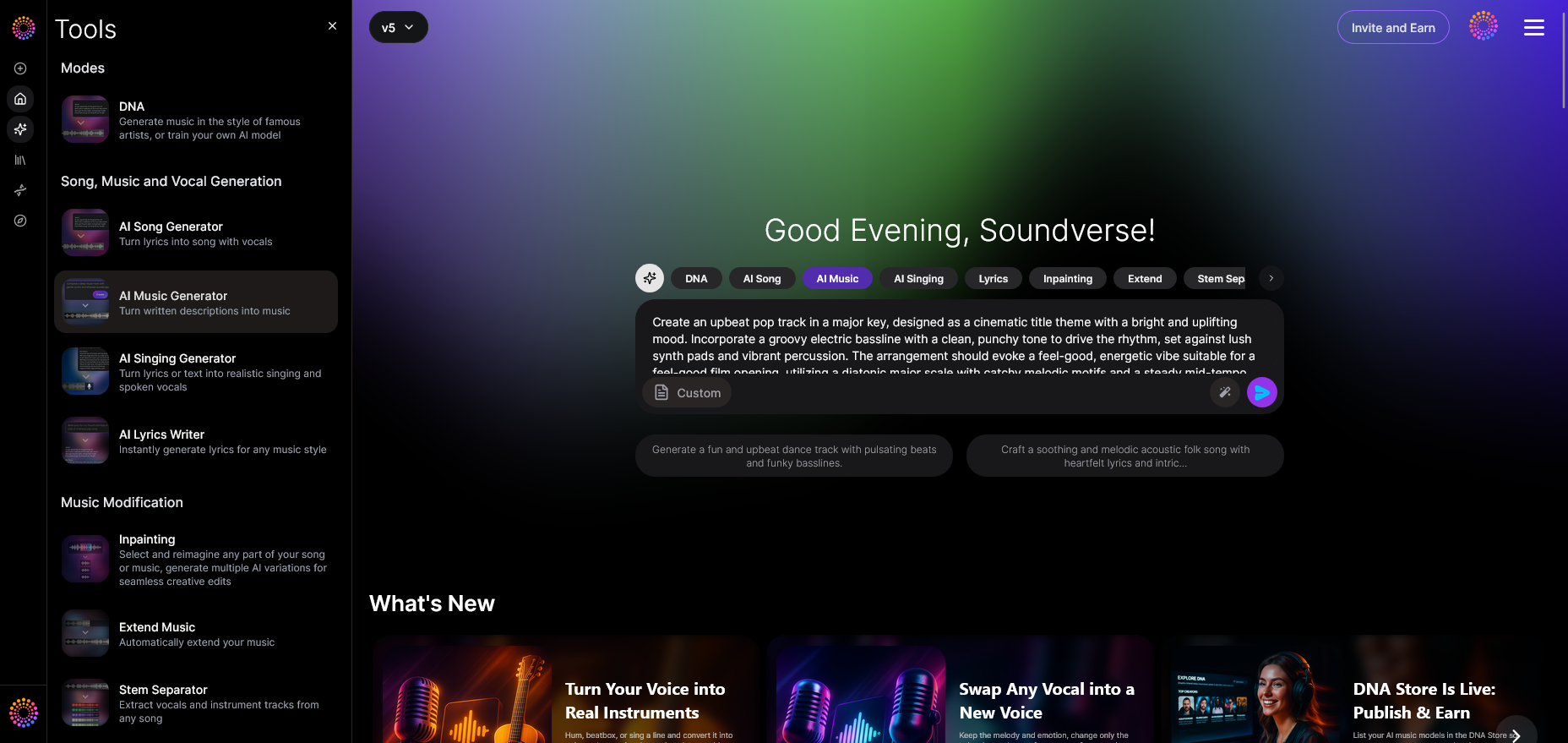
Soundverse. Soundverse is a music first creation platform that specialises in generating complete, production ready songs. The platform accepts text prompts, MIDI files, melodies, or reference audio, and produces full tracks with vocals, stems, song structure, and style control, making it suitable for apps, large scale media, game scoring, and workflows that depend on consistent musical output. The pricing approach is a predictable monthly subscription with commercial licensing bundled into tiers, which reduces surprises when usage scales. For developers, you can explore the API directly here.
ElevenLabs. ElevenLabs is primarily a voice synthesis platform that includes music generation as an add-on through Eleven Music. The service is best known for realistic speech, dubbing, and voice effects, and it uses a credit based model where music generation shares the same pool as voice generation. Because the product focus sits on voice, publicly available documentation emphasises voice features, and it provides less detail about advanced music outputs such as stems, reference style cloning, and distribution licensing for music. Music generation on ElevenLabs is charged at roughly $0.50 per minute, with bundled minutes available across subscription tiers. This means that while ElevenLabs can generate music, its product design behaves differently when you move to longer tracks or higher volume.
Comparing the platforms side by side
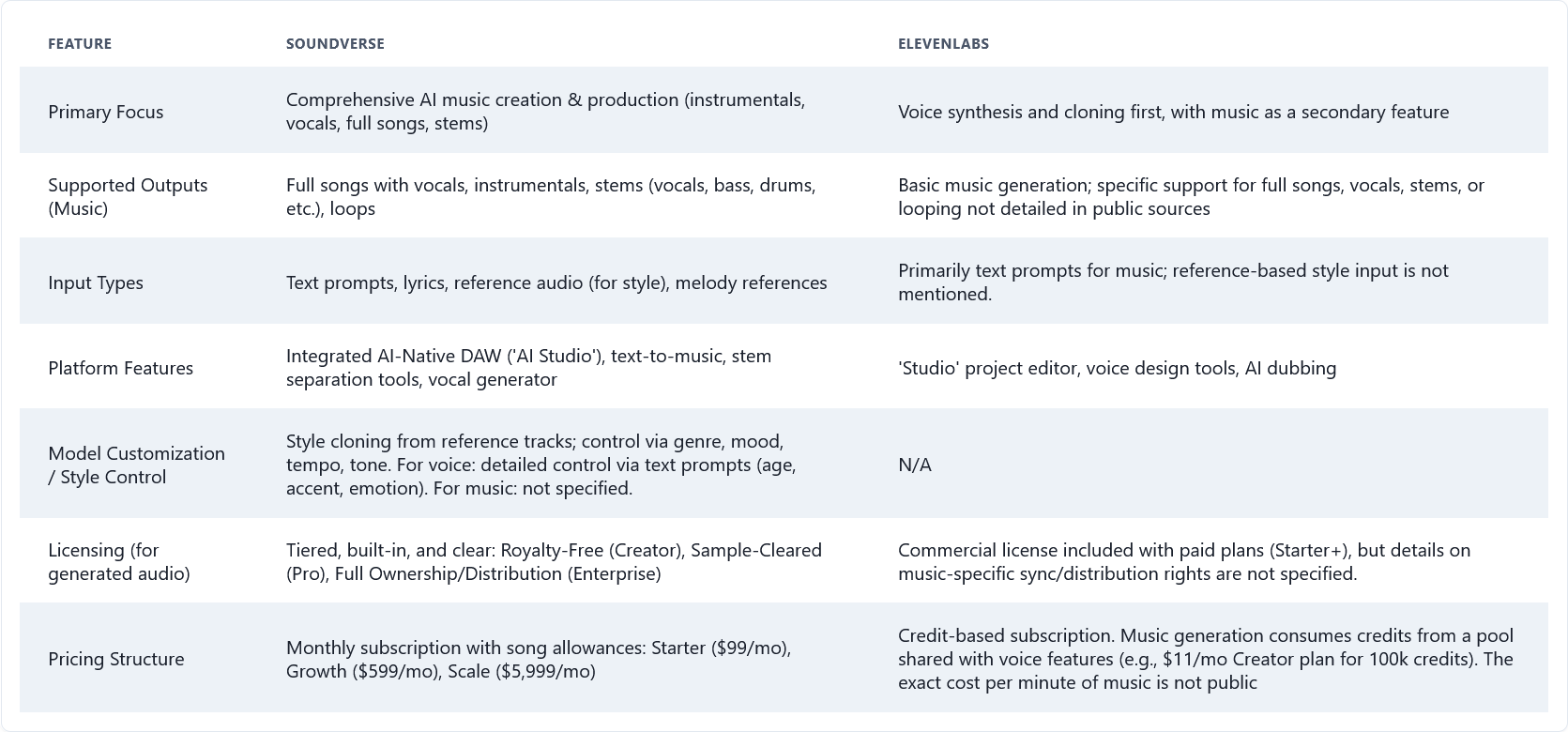
The comparison table is simple to read. Soundverse is purpose built for music, which is evident across its pricing and licensing. The platform generates full songs with vocals, offers stems and loops, supports detailed style cloning from reference audio, and rolls tiered commercial licensing into monthly plans, from royalty free up to full ownership, all through a developer friendly dashboard. ElevenLabs takes a voice first approach. It offers music, but music generation is handled inside a credit model that also services voice features, with per minute pricing around $0.50 per minute of generated audio. The result is clear, predictable licensing and workflow support at Soundverse, and a more general purpose, voice centric approach at ElevenLabs that can create ambiguity and higher costs for music heavy use cases.
Let us talk about cost, since that is usually the deciding factor
Soundverse uses a monthly tier system that grants a fixed number of songs for full outputs, which makes cost per minute very low when you generate many tracks. The Starter plan at $99 per month includes roughly 1,980 songs with royalty free licensing included. If your average track is 4 minutes, that works out to approximately 1.25 cents per minute of music, which is highly competitive for long form or bulk generation. The licensing model is integrated, so you are buying both generation and clear usage rights in one predictable package.
ElevenLabs charges credits per minute of audio, which is sensible for short voice clips, but it becomes expensive for multi minute songs. Based on public pricing, music generation on ElevenLabs commonly costs around $0.50 per minute. A single 4 minute song therefore costs about $2.00 just in generation compute, which is a substantial gap versus Soundverse. That gap widens quickly as you increase volume or average track duration. To generate the same 1,980 songs that come with Soundverse Starter, ElevenLabs would cost approximately $3,960 at standard rates, nearly 40 times more expensive. The credit pool model can also leave teams exposed when user behaviour spikes.
How the difference plays out in real developer workflows
If your product generates full songs, looping background tracks, or hundreds of variations for adaptive scoring, Soundverse is generally far cheaper and far easier to budget. A single monthly plan will often cover the production needs for apps and games that rely on music as a core feature. If your product is voice centric and only needs occasional music, ElevenLabs can be convenient because it keeps voice and music in the same credit pool, but the music portion of that pool remains relatively expensive, especially for longer or higher volume outputs.
A fitness app that generates tempo matched songs for thousands of users will benefit from Soundverse's fixed quotas and bundled licensing, because usage spikes do not create wildly variable bills. A social music app that lets users create full songs with their own lyrics fits Soundverse's strengths too, since it handles vocals, stems, and structure. On the other hand, a video tool that is mostly focused on voiceovers and character narration, with only light musical accompaniment, may prefer the convenience of ElevenLabs despite the higher per minute music cost.
Output quality and creative control

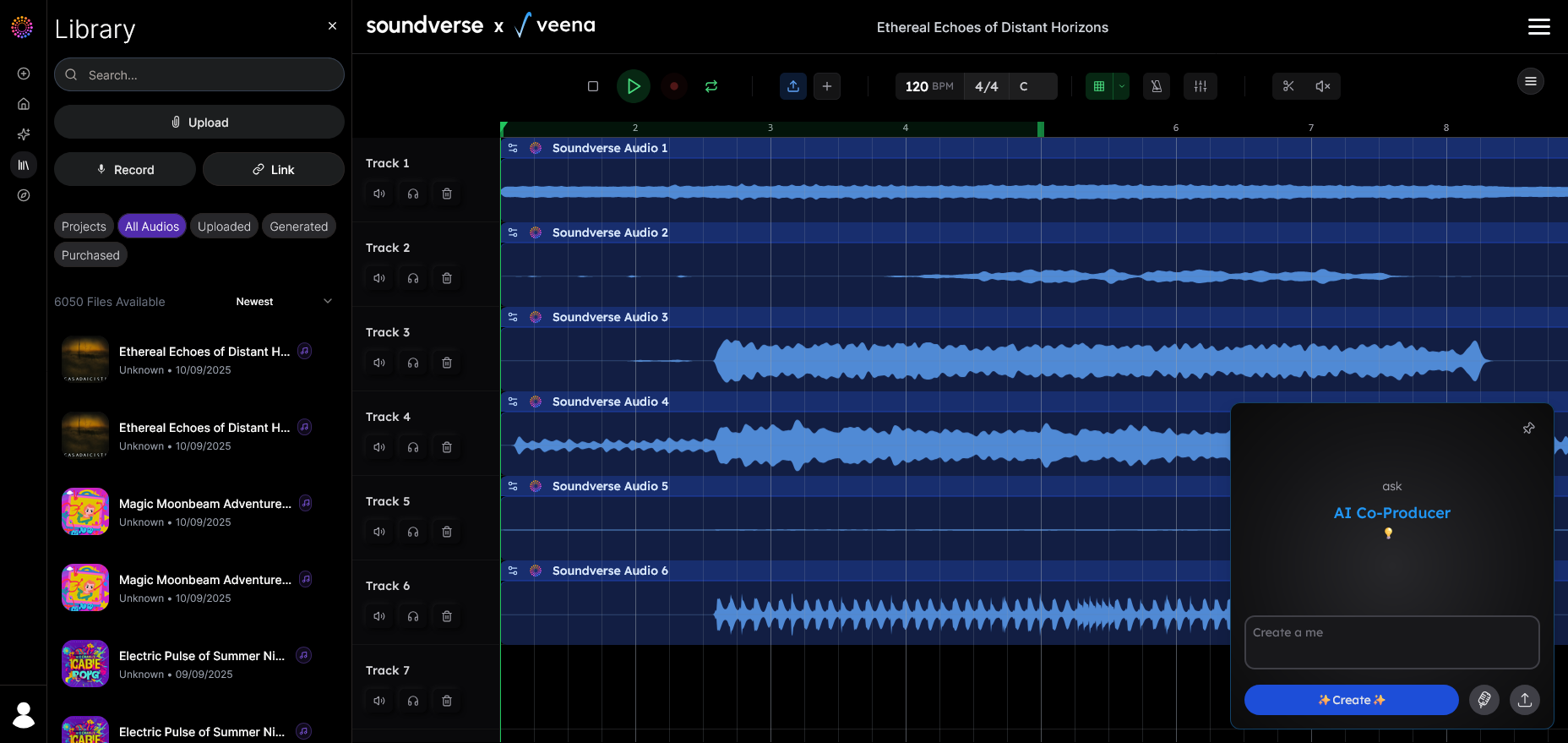
Soundverse is designed around complete musical control. It accepts MIDI and melody inputs, it supports reference audio for style matching, and it exports stems for downstream mixing and mastering workflows. This gives developers direct control over arrangement and production, which matters when you need reliable genre fidelity or when you require multi track outputs for further processing. Game studios are using the platform for adaptive music that responds to gameplay, creative agencies are leveraging it for mood syncing music in advertising campaigns, video platforms are implementing automatic scoring features, and wellness apps are creating personalized soundscapes based on user preferences.
ElevenLabs is exceptional at voice, and that remains its core strength. Music generation exists on the platform, but it is less explicit about multi track outputs, stem exports, or advanced style cloning, which reduces its suitability for full song generation at scale. Teams that need granular control over musical structure and stems will find Soundverse delivers more of the tools they need.
Licensing and distribution rights
Soundverse builds licensing into its tiers, with royalty free usage available on entry level plans at no extra cost, sample safe or distribution rights at higher tiers, and options to upgrade specific tracks to full ownership. The Starter plan at $99 per month includes royalty free licensing, the Growth plan at $599 per month includes sample licensing, and the Scale plan at $5,999 per month includes distribution licensing. Per track upgrades are also predictable, with a 4 minute song costing roughly $0.06 for royalty free or $0.60 for full ownership. This tiered approach simplifies commercial deployment, because plan selection maps neatly to project needs, and license upgrades are transparent and affordable per track. For teams shipping products that involve user distribution, catalog sales, or synchronised media, this clarity is valuable.
ElevenLabs offers commercial rights across subscription plans, but many lower tiers are marked for individual use only, which restricts usage for podcasts, paid ads, corporate work, film, TV, games, and client projects. More complex commercial usage often requires Pro, Scale, Business, or Enterprise tiers. On top of tier restrictions, you still pay the per minute generation cost of roughly $0.50 per minute, which creates a dual complexity of navigating both plan based rights and per minute billing. For developers who need explicit music distribution and catalog usage permissions, this combination can lead to additional legal review or higher tier requirements.
Workflow examples using real developer scenarios
A game studio producing adaptive music for levels, events, and dynamic encounters can generate hundreds of variations while remaining on a predictable monthly plan with Soundverse, because each generation maps to a plan quota rather than to total minutes of audio. An app that generates music based on user biometric input will find that Soundverse's model scales predictably as user engagement grows, whereas a credit based system can create uneven costs that complicate product economics. A creative tool that lets users craft full songs and download stems for remixing is more straightforward to build on Soundverse, while a narration first platform that occasionally wants short background cues may find ElevenLabs useful for bundling voice and simple music needs together, despite the higher per minute music cost.
For creators looking to establish consistency across their content, AI music generation also enables building a unique audio identity that sets channels and brands apart. Teams looking for inspiration can explore 50 hand picked prompts for background music generation across various use cases and moods.
So which one should you choose
If your product depends on meaningful musical output, full songs, stems, and predictable licensing, Soundverse is the practical choice. It is purpose built for music, and its pricing and licensing models are designed to scale with production needs. For music heavy development, the economics are clear. Soundverse costs roughly 1.25 cents per minute on the Starter plan versus ElevenLabs at $0.50 per minute, a difference that becomes dramatic at scale. ElevenLabs remains a market leader for voice, and it is useful when voice is the primary feature and music is a secondary element. You might reasonably use both, ElevenLabs for voice and Soundverse for music. The right choice depends on your product priorities, but for music first development the economics and tooling favour Soundverse.
Ready to get started? Explore the Soundverse platform and see how it fits your development needs.