AI Music for Kids & Education: Shaping Young Minds Through Interactive Learning in 2026
Explore how AI music for kids revolutionizes creative education with Soundverse Agent and educational music AI tools.
AI Music for Kids & Education
What is AI music for kids and how is it transforming education in 2026?
AI music for kids refers to innovative musical tools that use artificial intelligence to support children’s learning, creativity, and emotional development. By 2026, these technologies have become central to digital education programs and home-based learning environments. The concept blends algorithms capable of generating melodies, rhythms, and harmonies with adaptive learning platforms, enabling kids to explore music intuitively—even without prior training.
With the rapid evolution of edtech, AI music now assists teachers and parents in nurturing essential skills such as rhythm awareness, pitch recognition, and creative expression. This revolution stems from the growing availability of AI-driven platforms, interactive musical apps, and advanced educational music assistants. These systems can adjust to each child’s learning pace, tailoring activities to improve engagement and comprehension.
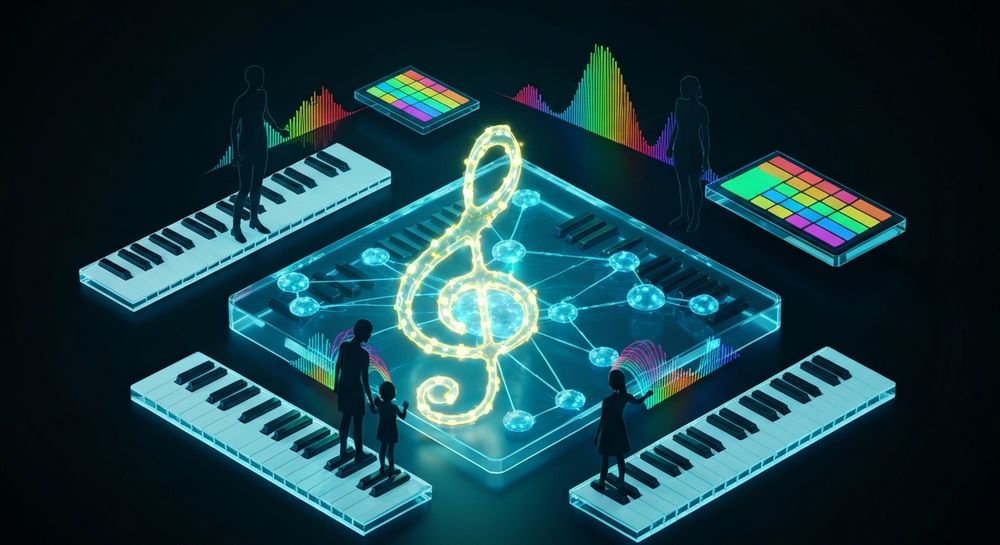
Why is AI music important for children's cognitive and emotional development?
Music has long been recognized as a catalyst for brain development in children. When combined with AI, its educational potential amplifies dramatically. AI algorithms monitor student progress and provide instant feedback, helping beginners grasp difficult concepts quickly. For instance, educational music AI systems can analyze a child’s singing or rhythm patterns and suggest personalized exercises to strengthen coordination and tone.
From a psychological perspective, AI music for kids also fosters emotional resilience. Children often use musical creation as an outlet for self-expression. AI-supported learning can guide them through musical storytelling activities that teach empathy and collaboration. These activities prove invaluable in a world increasingly emphasizing emotional intelligence as much as academic success.
What are the key benefits of AI-driven music education in 2026?
The impact of AI-driven music education spans multiple aspects of learning:
- Personalized instruction: Educational music AI adapts lessons to individual skill levels, allowing each child to progress at their own speed.
- Interactive engagement: Children respond better to dynamic visuals and sound-based feedback produced by AI-driven interfaces.
- Cross-disciplinary learning: AI tools for teaching music integrate mathematics, language, and art, reinforcing broader academic concepts.
- Accessibility: Children with learning disabilities can now engage with musical content through vocal or visual interaction supported by AI voices and adaptive instruments.
- Motivation through gamification: Many children’s music learning apps employ game-style rewards that reinforce daily practice and build long-term discipline.
As discussed in Soundverse’s AI Magic Tools, automation within creative platforms encourages faster experimentation—essential for keeping younger learners engaged.
How do educators use AI tools to teach music effectively?
Modern teachers leverage AI platforms to manage class lessons, assess progress, and create unique compositions tailored to students’ age groups. These systems automate tasks that traditionally required significant manual effort—writing sheet music, recording samples, or editing tracks. With AI tools for teaching music, educators can focus on fostering emotional connection with the art rather than technical execution.
A growing trend in 2026 is the incorporation of AI-generated accompaniment tracks for classroom singing sessions. Teachers input lyrics or a short description, and the AI produces an entire backing track. This process mirrors what’s possible in Soundverse’s text-to-music workflows, enabling quick adaptation for lesson plans or school projects. To see this in practice, watch our Soundverse Tutorial Series - How to Make Music for tips on building a full composition workflow.
What types of children's music learning apps dominate the 2026 market?
Children’s music learning apps have diversified significantly, balancing entertainment and education. Leading categories include:
- Interactive rhythm games: Apps that use AI to track tapping patterns and improve timing skills.
- Virtual instrument tutors: Systems teaching piano or guitar fundamentals through real-time note recognition.
- AI composition assistants: Platforms that help children compose songs by suggesting chord progressions or melodies.
- Storytelling music creators: Apps where kids write stories that the AI transforms into themed soundtracks.
Soundverse’s ecosystem belongs to the “AI composition assistant” class, offering deeper functionality, automated workflow orchestration, and natural language understanding. Similar platforms include Mubert and Amper Music, although their focus leans toward professional creators rather than education.
How has AI-driven music education evolved from 2024 to 2026?
Between 2024 and 2025, early adoption was mostly experimental, emphasizing proof-of-concept classroom pilots. By 2026, full-fledged AI curriculum frameworks emerged, integrating tools like learning analytics, child-safe voice interaction, and context-sensitive AI recommendations.
Developers now emphasize ethical data handling and student privacy. For instance, systems avoid storing identifiable voice samples, utilizing anonymized acoustic features instead. The inclusion of conversational interfaces allows young learners to ask questions such as, “What’s a melody?” or “Can you make this sound happy?”—turning lessons into playful explorations.
Educators also note more collaboration between AI music for kids applications and general edtech suites, giving schools unified platforms that blend visual arts, poetry, and music. Articles like Music Industry Trends highlight how these convergences push creative learning forward.
What challenges exist when introducing AI music to classrooms?
Despite enthusiasm, certain challenges remain:
- Infrastructure: Some schools lack sufficient audio hardware or stable internet.
- Training: Teachers need practical workshops to learn AI-based workflows.
- Ethical use: Institutions must ensure parental consent for voice-based features.
- Content curation: Proper selection of age-appropriate material remains essential.
Industry solutions such as the Soundverse Assistant help bridge these gaps through conversational design, enabling educators to control tools naturally and avoid technical complexities.
How to make AI music for kids with Soundverse Agent
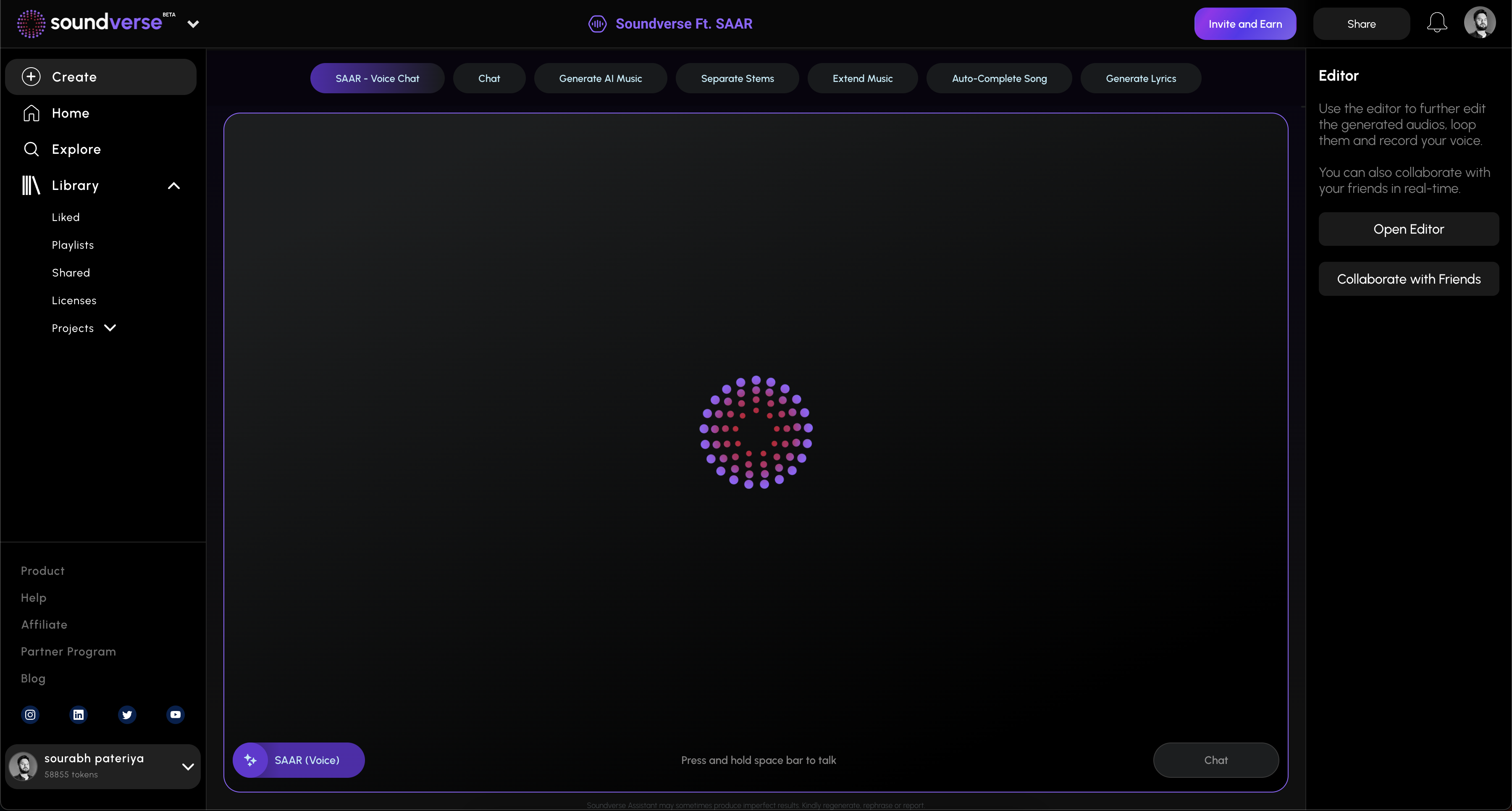
Now that you understand AI music for kids and its educational significance, here’s how to create interactive musical experiences instantly using Soundverse Agent.
Soundverse’s Agent acts as a conversational AI music assistant. It serves as the platform’s centralized controller, interpreting natural language requests like “create a pop song, then remove the drums.” Using multi-step reasoning, Agent orchestrates multiple tools—generators, lyric assistants, and arrangement modules—to build complete compositions tailored for young learners.
Key Capabilities:
- Multi-step orchestration ensures that teachers or parents can request full learning pieces without manual steps.
- Contextual memory keeps track of previous interactions, allowing continuity in thematic lessons (e.g., revisiting prior musical motifs).
- Voice input enables children to speak directly to the AI, creating fun learning moments.
- Cross-tool workflow automation ensures seamless integration with Soundverse’s AI Song Generator and AI Lyrics Writer.
Educational Use Cases Include:
- Beginner-friendly creation: Children can describe emotions or themes, and Agent converts them into simple melodies.
- Music theory learning: Teachers use conversational prompts to show chord progressions or rhythm changes.
- Rapid prototyping: Developers and educators experiment with multiple musical variations for interactive apps.
To explore more technical insights, refer to Soundverse Introduces Stem Separation AI Magic Tool, showcasing its integration potential. You can also explore our Soundverse Explore Tab tutorial to learn how to browse templates and styles effectively.
Start Creating AI Music for Kids Today!
Empower young minds with creative, customizable soundtracks and musical experiences generated by AI. Bring learning and fun together with Soundverse’s intuitive tools designed for educators and families.
Related Articles:
- How AI-Generated Music Is Transforming the Music Industry — Discover how AI music technology is reshaping creativity, production, and accessibility for musicians and educators.
- Soundverse AI Revolutionizing Music Creation for New-Age Content Creators — Explore how Soundverse is making music creation effortless for creators through AI innovation and smart tools.
- AI Music Generator and Human Composers: A Future Together — Learn how AI complements human creativity and fosters collaboration in music composition.
- The Role of AI Music in Film and Television — See how AI-generated music enhances storytelling and emotional impact across visual media.
Here's how to make AI Music with Soundverse
Video Guide
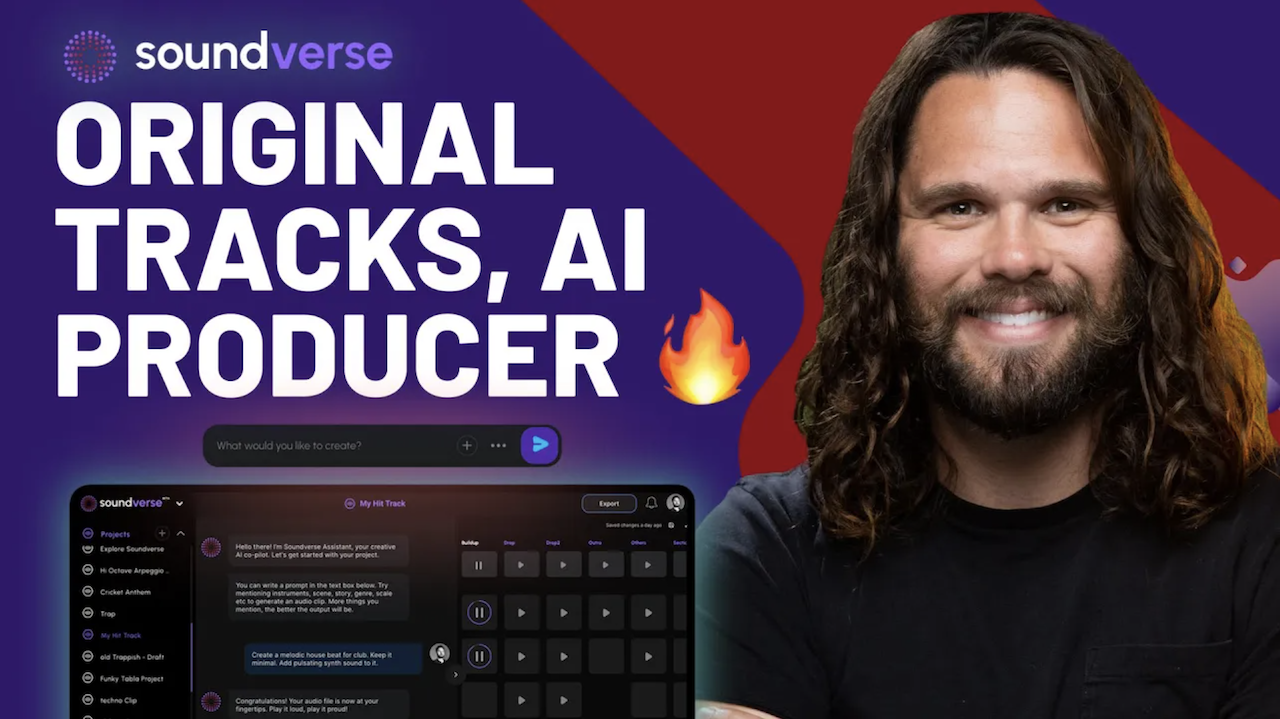
Here’s another long walkthrough of how to use Soundverse AI.
Text Guide
- To know more about AI Magic Tools, check here.
- To know more about Soundverse Assistant, check here.
- To know more about Arrangement Studio, check here.
Soundverse is an AI Assistant that allows content creators and music makers to create original content in a flash using Generative AI. With the help of Soundverse Assistant and AI Magic Tools, our users get an unfair advantage over other creators to create audio and music content quickly, easily and cheaply. Soundverse Assistant is your ultimate music companion. You simply speak to the assistant to get your stuff done. The more you speak to it, the more it starts understanding you and your goals. AI Magic Tools help convert your creative dreams into tangible music and audio. Use AI Magic Tools such as text to music, stem separation, or lyrics generation to realise your content dreams faster. Soundverse is here to take music production to the next level. We're not just a digital audio workstation (DAW) competing with Ableton or Logic, we're building a completely new paradigm of easy and conversational content creation. TikTok: https://www.tiktok.com/@soundverse.ai Twitter: https://twitter.com/soundverse_ai Instagram: https://www.instagram.com/soundverse.ai LinkedIn: https://www.linkedin.com/company/soundverseai Youtube: https://www.youtube.com/@SoundverseAI Facebook: https://www.facebook.com/profile.php?id=100095674445607
Join Soundverse for Free and make Viral AI Music
 We are constantly building more product experiences. Keep checking our Blog to stay updated about them!