What Artists Receive From AI Training Licensing Deals in 2026
Learn how musicians earn from AI training licensing deals through royalties and transparent compensation in 2026.
What Artists Receive From AI Training Licensing Deals
In 2026, the conversation around AI and music has shifted from fear to participation. Musicians, producers, and rights managers now explore how artificial intelligence can expand creative reach without sacrificing ownership. Central to this transformation are AI training licensing deals for artists, where human creators allow their music to train generative AI systems in exchange for compensation.
Why Artists Are Signing AI Training Licensing Deals
AI's integration into the music industry originally sparked controversy. During 2024 and 2025, debates about unauthorized data scraping and copyright infringements dominated the headlines. However, as frameworks matured, ethical alternatives emerged—deals that gave creators agency over their audio being used for machine learning. By 2026, professional musicians recognize that licensing catalogs to vetted AI platforms offers recurring income, visibility, and control.

Artists now view AI training not as exploitation, but as an extension of the licensing market—comparable to streaming or sync placements. The difference lies in transparency: every dataset contribution can be tracked, and every AI-generated output referencing their influence can yield a royalty. Predictions from experts suggest licensing changes and platform detection in 2026 may reshape the industry, moving beyond disputes toward structured collaboration.
What Do AI Training Licensing Deals Offer to Artists?
For independent musicians and major label acts alike, the appeal of AI licensing deals lies in three pillars:
- Creator Compensation: Artists receive payouts based on how frequently their style or audio segments are referenced in trained AI models. Unlike one-time lump sums, these payments accumulate over time, similar to performance royalties.
- Licensing Revenue: Rights holders can monetize their back catalog without risking creative ownership. AI platforms now structure agreements to distribute recurring returns tied to active model usage.
- Transparency and Control: Advanced systems log every use of licensed data. Artists can access dashboards to see where and how their audio informs AI outputs.
This recurring income model has become an important revenue stream in 2026 as streaming payouts flatten and digital sync competition increases. It also opens opportunities for music rights managers seeking to diversify income beyond traditional publishing or production splits. Market studies show Generative AI in Music could reach significant value between 2026 and 2034.
What Are the Typical AI Deal Terms in 2026?
Negotiating AI deal terms follows familiar licensing logic but with added technical conditions. Here are key features defining 2026 contracts:
- Scope of Audio Use: The artist specifies which tracks, stems, or voice samples can be included in training datasets. Sensitive or unreleased material is excluded.
- Model Attribution Requirements: The AI platform must log and disclose attribution metadata whenever a generative output references the artist's material.
- Royalty Calculation Methods: Payments depend on usage metrics—such as impressions, generations, or playback frequency. Most systems apply usage-weighted formulas to ensure fairness.
- Duration and Renewal Clauses: Contracts last 12–36 months, with options to renew. Artists can revoke participation before renewal to regain full control.
- Data Transparency Reports: Monthly or quarterly reports outline data utilization, similar to streaming analytics.
In short, these deal terms protect artist rights and align compensation with measurable AI activity rather than vague estimates.
How Creator Compensation Models Have Evolved Since 2025
In early prototypes of AI music systems, compensation models were uncertain. Many platforms offered fixed payments for datasets, leaving artists in the dark about long-term value. But by 2026, with the adoption of transparent AI infrastructures, creator compensation now mirrors royalty-based ecosystems.
This shift was driven by ethical AI frameworks, demanding traceability from ingestion to generation. Now, artists can understand exactly how their sound fuels models and receive payment when listeners generate or consume derivative AI music. This evolution has motivated new partnerships between tech companies and musicians pursuing controlled integration rather than blanket licensing.
For creators in genres like EDM or jazz, where innovation and influence blend fluidly, verified AI training deals serve as a modern equivalent to production credits—recognizing technical and sonic contribution beyond simple authorship. For a deeper dive, watch our guide on creating Deep House music or learn how to make music in Soundverse.
Learn more about this changing landscape in How AI-Generated Music Is Transforming the Music Industry and explore trend analyses in Music Industry Trends.
Ethical Implications and Opportunities for Musicians
Ethical participation is now the baseline standard for AI collaboration. Musicians are increasingly aware of consent mechanisms embedded in data collection workflows. Instead of unapproved scraping, 2026 licensing involves signed permissions and AI frameworks that respect creator identities.
These licensing deals also redefine brand value. An artist’s sonic fingerprint—unique tone, rhythm, and production aesthetic—becomes a tradable asset. Therefore, participating in training acts as a form of brand extension. When an AI engine generates music inspired by your catalog, attribution systems credit your role and pay accordingly.
Additionally, major outlets report that record labels could strike landmark AI music licensing deals within weeks, positioning 2026 as the era of mainstream AI collaboration.
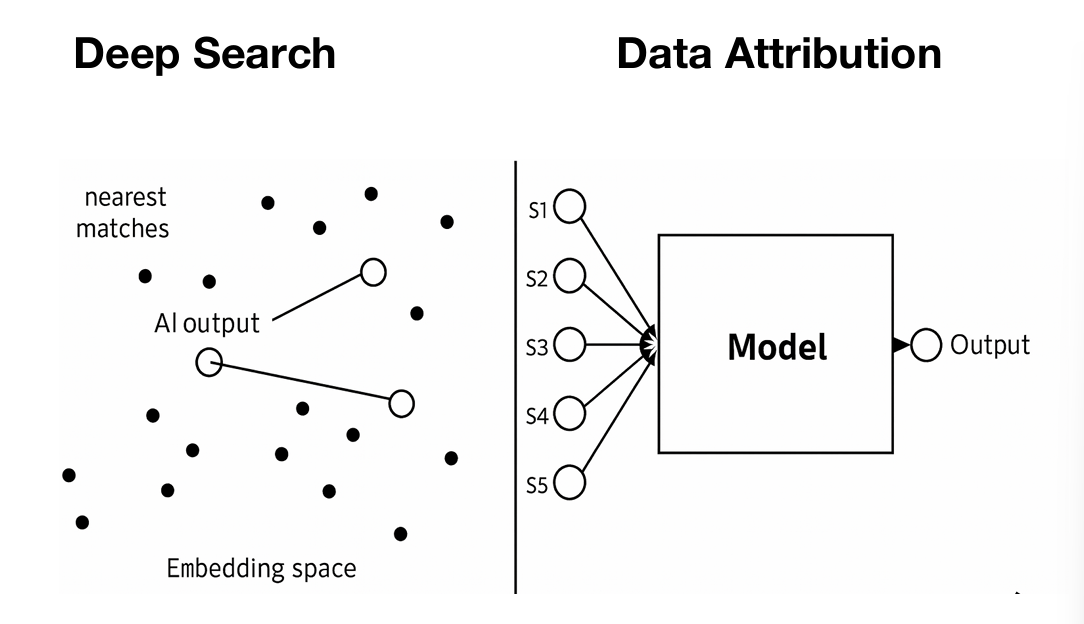
Moreover, AI platforms integrate protection tools like metadata encryption and deep search verification. This combination ensures that even derivative outputs remain traceable back to original sources. Rights managers regard these safeguards as essential in establishing trust.
For musicians wondering about creative applications, AI licensing participation doesn’t limit artistic freedom. You can still release your material independently or collaborate with other creators through platforms offering ethical operations similar to those listed in Soundverse Introduces Stem Separation AI Magic Tool and Soundverse AI Magic Tools Create Content Quickly With AI.
How Artists Track and Manage Earnings from AI Licensing
One major advantage of modern AI licensing frameworks is data transparency. Artists get insight into what happens after their music joins training sets. This visibility includes:
- Earnings Dashboards: Provide breakdowns per generation, tier, and influence contributed.
- Transparency Reports: Detail where your data was utilized and whether it influenced active models.
- Tiered Licensing: Artists advance through six defined tiers. Higher tiers result in better payout ratios reflecting extensive use or strong style influence.
Because these processes are asynchronous, musicians can focus on creation while their AI partnerships operate behind the scenes. Every generation or output referencing their license results in incremental royalties.
How to Make AI Training Licensing Work with Soundverse Content Partner Program
Soundverse’s Content Partner Program is the definitive model for ethical AI training participation. It operates as an opt-in licensing framework, empowering rights holders to contribute their music for AI learning safely and profitably.
Key Features of the Soundverse Content Partner Program:
- Influence-Based Payouts: Artists are compensated per generation based on how their style or sound informs AI outputs. The more your sonic DNA inspires generated tracks, the more you earn.
- Tiered Licensing (Tiers 1–6): Structured levels enable fair participation across emerging and established creators. Each tier scales benefits with dataset influence.
- Real-Time Dashboards for Earnings: Creators monitor royalties and track dataset interactions through transparent metrics.
- Transparency Reports on Data Usage: Soundverse regularly publishes usage documentation verifying how each contribution supports ethical model training.
Primary Use Cases:
- Monetizing back catalogs with ongoing royalty flows.
- Engaging in ethical AI music creation ecosystems.
- Protecting rights while contributing creatively to the evolving AI music economy.
This program positions Soundverse at the forefront of fair and transparent collaborations between technology and artistry. Integrating it with tools like Soundverse DNA, artists can preserve authenticity while expanding income. Soundverse DNA uses licensed catalogs to train models that emulate a creator’s sound responsibly, ensuring royalties flow to the rightful owner. Combined with Soundverse Trace, a trust layer embedding attribution and rights protection across every stage—from dataset ingestion to export—the Content Partner Program anchors Soundverse’s ethical ecosystem perfectly.
Creators exploring ethical innovations should also visit Soundverse AI Revolutionizing Music Creation for New Age Content Creators or learn how genre generation tools empower dataset expansion in Now Generate Music with Filters Such as Genre, Theme, Instruments, or Even Vibe.
Unlock Your Creative Future with Soundverse AI
Join thousands of artists empowering their music careers through AI collaboration. Create, remix, and license music intelligently with Soundverse's advanced AI tools built for modern creators.
Start Creating Today
Related Articles
- How AI-Generated Music is Transforming the Music Industry: Explore how AI music platforms are redefining production, distribution, and collaboration across the industry.
- AI Music Generator and Human Composers: A Future Together: Discover how artists and AI can collaborate to shape the next era of musical creativity.
- Navigating the World of Royalty-Free and Copyright-Free Music Using Soundverse AI: Learn how to create and monetize music safely within copyright frameworks of the digital age.
- AI Music in the USA: Understand how AI music regulations and licensing practices are evolving across the United States.
Here's how to make AI Music with Soundverse
Video Guide
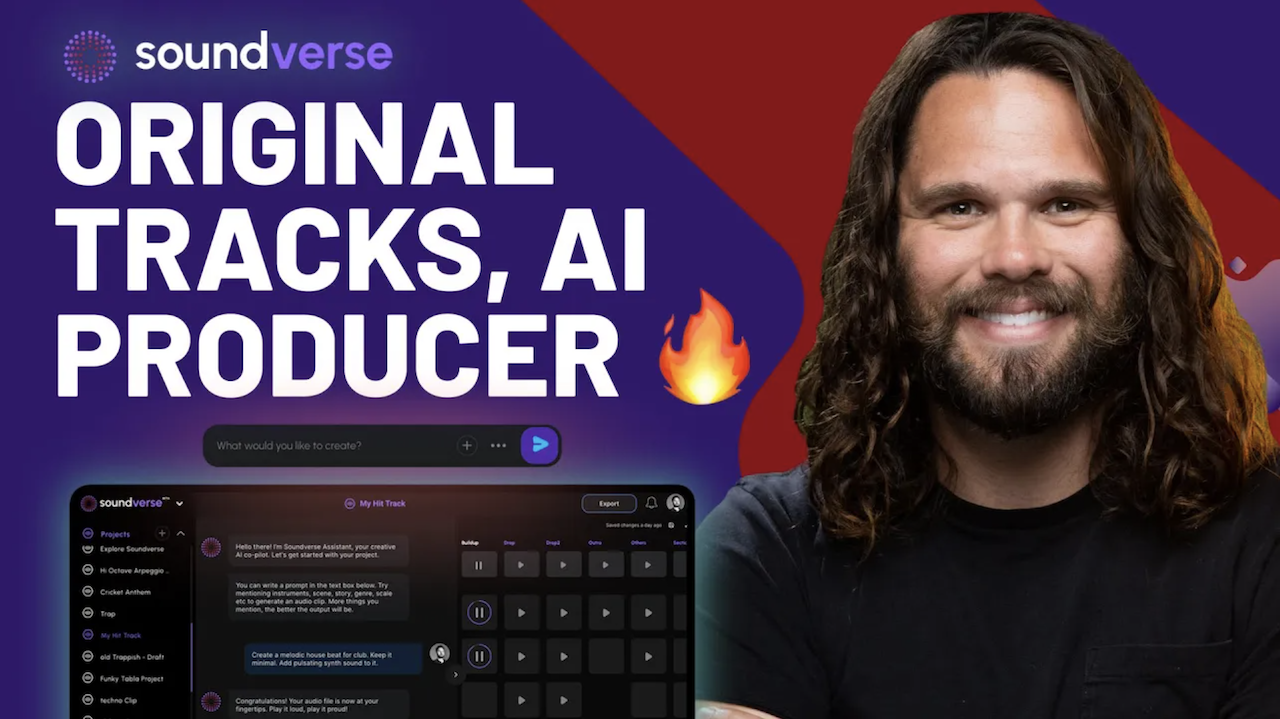
Here’s another long walkthrough of how to use Soundverse AI.
Text Guide
- To know more about AI Magic Tools, check here.
- To know more about Soundverse Assistant, check here.
- To know more about Arrangement Studio, check here.
Soundverse is an AI Assistant that allows content creators and music makers to create original content in a flash using Generative AI.
With the help of Soundverse Assistant and AI Magic Tools, our users get an unfair advantage over other creators to create audio and music content quickly, easily and cheaply.
Soundverse Assistant is your ultimate music companion. You simply speak to the assistant to get your stuff done. The more you speak to it, the more it starts understanding you and your goals.
AI Magic Tools help convert your creative dreams into tangible music and audio. Use AI Magic Tools such as text to music, stem separation, or lyrics generation to realise your content dreams faster.
Soundverse is here to take music production to the next level. We're not just a digital audio workstation (DAW) competing with Ableton or Logic, we're building a completely new paradigm of easy and conversational content creation.
TikTok: https://www.tiktok.com/@soundverse.ai
Twitter: https://twitter.com/soundverse_ai
Instagram: https://www.instagram.com/soundverse.ai
LinkedIn: https://www.linkedin.com/company/soundverseai
Youtube: https://www.youtube.com/@SoundverseAI
Facebook: https://www.facebook.com/profile.php?id=100095674445607
Join Soundverse for Free and make Viral AI Music

We are constantly building more product experiences. Keep checking our Blog to stay updated about them!