What Is Beat Music? Understanding the British Beat Movement and Its 1960s Rock Legacy
Explore beat music, the British Beat movement, and how it shaped 1960s rock and the global British Invasion sound.
What Is Beat Music?
Beat music, also known as the British Beat or Merseybeat sound, represents one of the most defining eras of modern music history. Emerging in the early 1960s, this energetic genre fused American rhythm and blues with British pop sensibilities to create a fresh style that would soon take over the world. While its roots lie in local clubs around Liverpool and London, beat music reshaped global pop culture — setting the stage for what we now recognize as 1960s rock.
What is Beat Music?
At its core, beat music refers to a style of rock and roll that emphasizes strong rhythms, catchy melodies, and vocal harmonies. This form of music evolved during the late 1950s and early 1960s when British musicians began adapting American rock and rhythm and blues. Unlike raw rock & roll, beat music added polished arrangements and relatable lyrics that spoke to post-war youth. The results were songs brimming with optimism and energy that ignited teenage fans throughout the UK.

The term “beat” initially referred to the driving beat of the rhythmic pattern that carried each song. It became symbolic of the youth movement itself — a generation united by dance halls, electric guitars, and musical freedom. By 1963, Liverpool emerged as the epicenter of this new sound, driven by groups like The Beatles, Gerry and the Pacemakers, and The Searchers. This collective wave later evolved into the renowned British Beat movement.
How Did the British Beat Movement Begin?
The British Beat movement was born from Britain’s post-war social climate. Young people in the late 1950s were eager for expression and filled with renewed optimism. America’s rock and roll icons — like Chuck Berry and Little Richard — had already revolutionized rhythm and energy. British teenagers, inspired by those records, began to form local bands using whatever guitars and amps they could find.
Liverpool and Manchester quickly became musical hubs thanks to the proliferation of clubs — most famously, The Cavern Club. It was here that beat bands performed live nightly, developing tight vocal harmonies and punchy instrumentation. The combination of guitars, snappy drum beats, and syncopated bass defined the unmistakable Merseybeat sound.
What Is Merseybeat?
Merseybeat refers specifically to the Liverpool sound that dominated the early 1960s. Named after the River Mersey, artists from that region brought a distinctive rhythmic edge to their work. Although groups like The Beatles later transcended it, early Merseybeat recordings shared similar structures: upbeat tempos, romantic lyrics, and infectious choruses.
What made Merseybeat revolutionary was its accessibility. It sounded fresh yet familiar. Young bands didn’t need symphonic arrangements — just electric guitars, a drum kit, and microphones. As more acts entered the scene, regional newspapers began documenting this youth-driven phenomenon. By 1963, London journalists were calling it the “Mersey Sound.” Soon, it captured national radio attention, paving the way for a worldwide musical takeover: the British Invasion. The name Merseybeat was linked to the term coined by Bill Harry’s Mersey Beat publication, which chronicled Liverpool’s growing music culture. According to Britannica, this style featured a lineup of lead guitar, rhythm guitar, bass guitar, and drums — defining the sound of early British pop.
How Did Beat Music Influence the British Invasion?
The British Invasion refers to the wave of British Beat bands and rock acts that conquered America and other global markets during the mid-1960s. Fueled by Beat music’s popularity, the invasion saw English artists break records internationally. Groups such as The Beatles, The Rolling Stones, and The Animals redefined popular music by blending catchy Beat melodies with blues-inspired rhythms and cultural experimentation, as described in British Invasion - A Brief History Of Pop And Beat Music.
Beat music didn’t just entertain; it mirrored social transformation. The confident, creative spirit of British youth inspired fashion, art, and cinema. The movement’s rebellion against conformity resonated globally, solidifying England’s influence on pop culture.
By the late 1960s, Beat music had evolved into broader subgenres — psychedelic rock, folk-rock, and progressive music — yet its rhythmic foundation remained key. Every subsequent style that emerged carried echoes of the Beat generation’s infectious energy.
Why Is Beat Music Important in 1960s Rock History?
Beat music marked the turning point between early rock and modern pop. Before its rise, rock and roll was heavily American — rooted in blues and country forms. Beat groups reinterpreted that sound through a British lens, refining it with vocal harmonies and layered guitar interplay. This synthesis gave birth to the musical architecture of 1960s rock.
The era’s artists shaped songwriting conventions, album formats, and recording innovation. Bands prioritized group dynamics over solo performance — a departure from earlier crooner traditions. The focus shifted to collective expression, a principle mirrored today in digital creative tools and community-driven music production.
Even now in 2026, Beat music continues to inspire new genres, from indie revival movements to AI-generated retro compositions. Its timeless simplicity and drive for creativity remain critical study material for students learning about music evolution and the mechanics of pop soundscapes.
How to Make Beat Music with Soundverse AI Music Generator
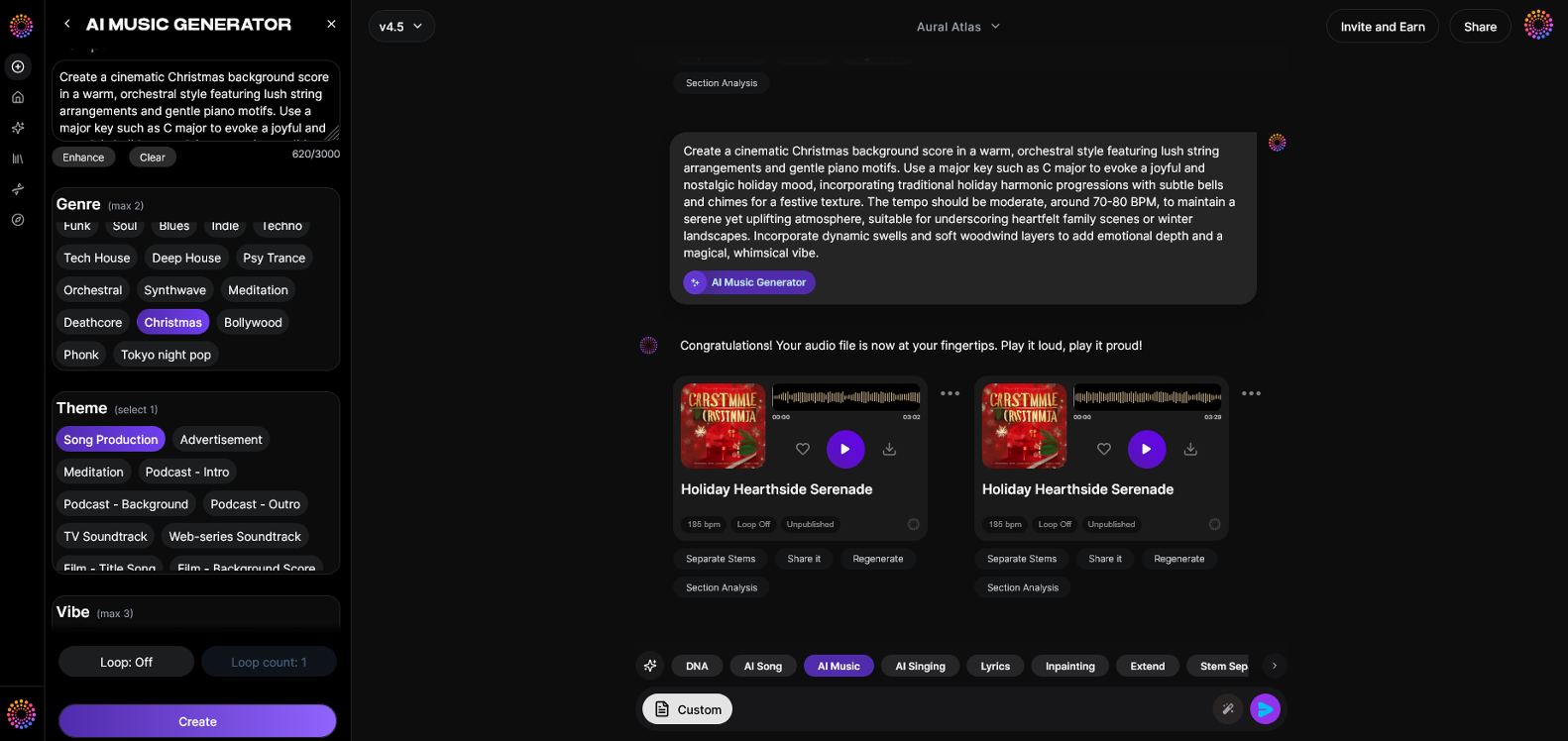
If you’re a creator or educator interested in recreating the energy of Beat music, the Soundverse AI Music Generator offers a modern route to that nostalgic sound. It enables users to create fully produced instrumental tracks directly from text prompts.
With Soundverse, you can generate loops and background beats that emulate classic rhythmic styles from the British Beat era while experimenting with updated instrumentation. The process involves describing the desired mood or style, such as “1960s British Beat with jangly guitars and upbeat drums,” and letting the AI produce instrumentals accordingly.
Key Capabilities
- Text-to-Music Function: Simply input a text prompt that outlines your vision — such as tempo, rhythmic feel, or mood.
- Loop Mode: Generate seamless looping tracks ideal for video background music or historical documentaries.
- Genre & Instrument Control: Refine composition details by choosing guitar types, percussion strength, or melodic tone.
- V4 and V5 Model Options: Choose between these advanced Soundverse models for varying production depth and realism.
Use Cases
- Video Background Music: Capture the feel of the 1960s British Beat era for film or content projects.
- Game Soundtracks: Integrate lively rhythms for games inspired by vintage settings.
- Meditation & Wellness Tracks: Recreate warm analog tones reminiscent of early British pop harmonies.
- Advertising and Commercials: Design upbeat instrumentals invoking nostalgia and youthful energy.
For creatives exploring other applications, Soundverse also features complementary tools. The Voice to Instrument tool converts humming or voice inputs into melodically accurate instrument layers — a great method to recreate vocal harmonies typical of Beat bands. Alternatively, the Similar Music Generator can produce custom compositions inspired by existing reference tracks, perfect for matching the sonic feel of a 1960s rock demo. For video instructions, watch our Soundverse Tutorial Series - How to Make Music or explore the Explore Tab walkthrough.
To explore more ways AI reshapes creativity, check our articles on how AI-generated music is transforming the music industry and Soundverse AI Magic Tools. They explain the broader movement of AI systems recreating historical music styles.
How Beat Music Influences Modern AI Composition
As we enter 2026, music creation has merged historical influence with advanced technology. Beat music serves as an excellent example of rhythm-driven innovation — a primitive form of syncopation that resonates with today’s algorithmic composition methods. AI tools like Soundverse interpret the concept of “beat” literally, using mathematical precision to simulate patterns that mimic human groove.
Producers can use these systems to model the Merseybeat’s characteristic shuffle rhythm, crisp snare hits, and rhythmic guitar jangles. What once required hours in analog studios can now be recreated typically within minutes. The democratization of creative production mirrors the same spirit of accessibility that powered Liverpool youth bands 60 years ago.
To experiment further, visit our insights on AI music generator top picks and reviews or learn about genre and instrument filtering in Soundverse. Understanding how technology interprets genre cues helps modern musicians pay homage to historical roots while staying innovative.
Create Your Own Beat Music Instantly with Soundverse AI
Turn your ideas into professional-sounding beat tracks in seconds. Experience the power of AI-driven music creation and unlock endless creative possibilities—no gear or studio required.
Related Articles
- How to Create Rap Music with AI — Discover how Soundverse helps you craft powerful rap beats and vocals using easy AI tools.
- Generate AI Music with Soundverse Text-to-Music — Learn how to generate unique melodies and beats just by typing your ideas into Soundverse.
- AI Music Generator and Human Composers: A Future Together — Explore how AI-generated beats are reshaping creative collaboration between artists and technology.
- The Role of AI Music in Film and Television — Find out how AI-generated beats are finding their way into commercial soundtracks and film scoring.
Here's how to make AI Music with Soundverse
Video Guide
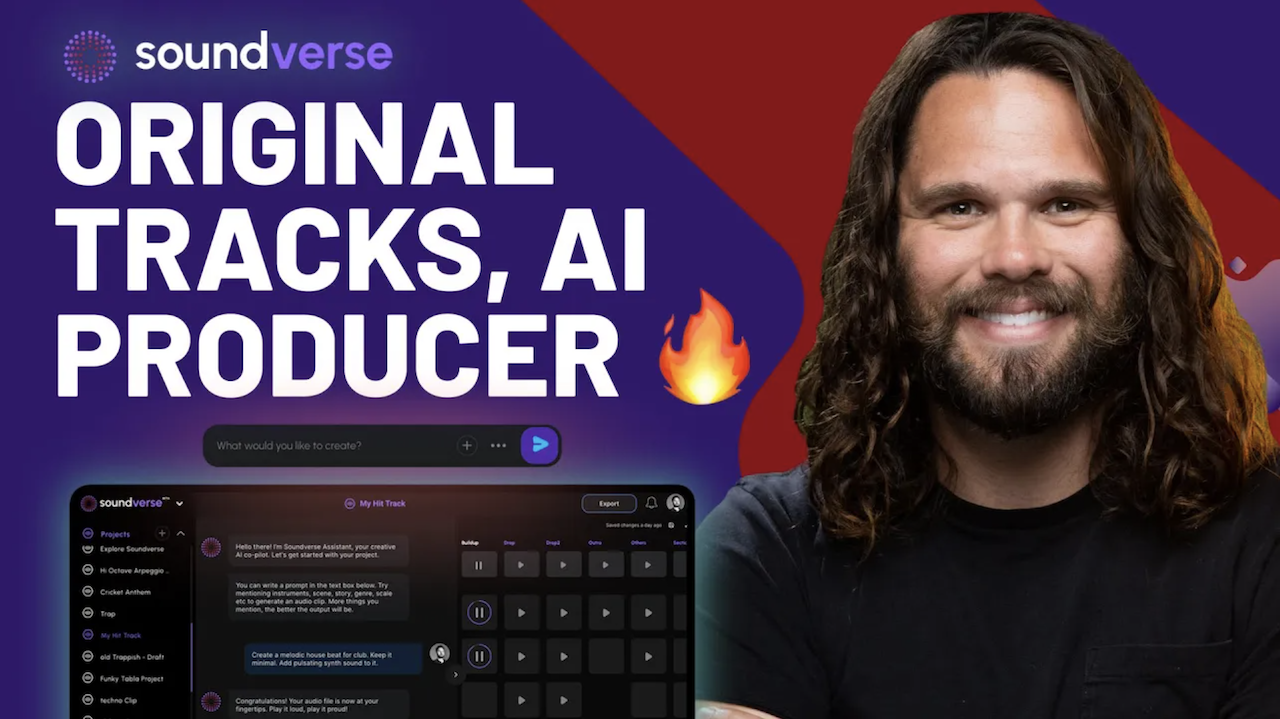
Here’s another long walkthrough of how to use Soundverse AI.
Text Guide
- To know more about AI Magic Tools, check here.
- To know more about Soundverse Assistant, check here.
- To know more about Arrangement Studio, check here.
Soundverse is an AI Assistant that allows content creators and music makers to create original content in a flash using Generative AI. With the help of Soundverse Assistant and AI Magic Tools, our users get an unfair advantage over other creators to create audio and music content quickly, easily and cheaply. Soundverse Assistant is your ultimate music companion. You simply speak to the assistant to get your stuff done. The more you speak to it, the more it starts understanding you and your goals. AI Magic Tools help convert your creative dreams into tangible music and audio. Use AI Magic Tools such as text to music, stem separation, or lyrics generation to realise your content dreams faster. Soundverse is here to take music production to the next level. We're not just a digital audio workstation (DAW) competing with Ableton or Logic, we're building a completely new paradigm of easy and conversational content creation.
TikTok: https://www.tiktok.com/@soundverse.ai
Twitter: https://twitter.com/soundverse_ai
Instagram: https://www.instagram.com/soundverse.ai
LinkedIn: https://www.linkedin.com/company/soundverseai
Youtube: https://www.youtube.com/@SoundverseAI
Facebook: https://www.facebook.com/profile.php?id=100095674445607
Join Soundverse for Free and make Viral AI Music

We are constantly building more product experiences. Keep checking our Blog to stay updated about them!