How Voice Cloning Can Preserve an Artist’s Vocal Style
Discover how voice cloning preserves artists’ vocal styles using ethical AI tools like Soundverse DNA.
How Voice Cloning Can Preserve an Artist’s Vocal Style
Introduction
In 2026, voice cloning is redefining how artists, producers, and engineers think about vocal preservation and creative longevity. What once seemed like science fiction—replicating a singer’s unique tone, inflection, and expression through artificial intelligence—is now a vital part of the modern music industry. From legacy management to creative collaboration, voice cloning allows artists to extend their sound beyond traditional limitations while maintaining integrity and consent.
This article explores how voice cloning preserves an artist’s vocal style, the role of AI in music, and how technologies like Soundverse DNA are ensuring artists can ethically protect and monetize their sonic identity in the age of synthetic vocals and voice synthesis technology.
What Is Voice Cloning and Why Does It Matter to Musicians in 2026?
Voice cloning is the process of creating a digital model of a voice using advanced AI algorithms trained on real recordings. In music, this means generating synthetic vocals that maintain a singer’s emotional depth, tone, and nuance. Unlike early attempts from the 2010s and 2020s, today’s voice cloning systems use licensed, ethically sourced data to ensure authenticity and respect for artists’ rights.
For musicians and producers, voice cloning opens a path to preserve an artist’s voice long after their physical instrument—the vocal cords—changes or fades. Imagine being able to generate new verses, harmonies, or entire songs in the recognizable voice of a beloved artist, all while ensuring fair compensation and consent.
This approach to vocal preservation is gaining traction as artists seek to retain creative control over their brand identity and protect their legacy.
How Does Voice Cloning Support Vocal Preservation?
Vocal preservation goes beyond archiving recordings—it safeguards an artist’s sonic fingerprint. Aging, health, touring, and performance strain can alter a voice over time. With voice cloning and AI voice synthesis technology, vocalists can digitally preserve their unique style for future projects.
For example, an artist can create fresh collaborations decades after retirement or approve derivative works that maintain their authentic sound. Voice cloning ensures their legacy lives on in film, games, and virtual performances without losing vocal integrity.
Producers also benefit from consistent vocal performances across sessions and projects. Rather than re-recording takes until perfection, synthetic vocals provide a controlled, repeatable voice print that fits seamlessly into production environments. This balance between authenticity and technological precision defines the new era of vocal preservation.
How Is AI Transforming Creative Expression Through Voice Synthesis Technology?
AI in music has shifted from novelty to necessity. From composition tools to lyric generators, artificial intelligence is now embedded in creative workflows. Voice synthesis technology in particular empowers creators to transcend physical and logistical boundaries.
In 2026, tools like Soundverse DNA, powered by The Ethical AI Music Framework, ensure transparency and respect for creators. Artists can license their voice models to others on a per-use basis, generating revenue while maintaining full control. This framework signals a significant shift in how music collaborations emerge—artists’ styles become interactive elements that inspire others responsibly.
AI-driven synthetic vocals also allow music producers to experiment across genres. A pop singer’s model can perform in jazz or EDM contexts, preserving their essence but expressing it in new sonic territories. Combined with AI music generation tools, these capabilities have fueled a surge of experimentation that blends human character with computational creativity. For a deeper dive, watch our guide on creating Deep House music or explore how to make music with Soundverse.
What Ethical Challenges Does Voice Cloning Solve?
Earlier generations of AI models faced criticism for using unlicensed data or replicating artists without consent. Unauthorized voice usage sparked legal and moral debates across 2024 and 2025. Today’s technologies prioritize transparent data handling, licensing, and attribution.
Soundverse’s ecosystem, for instance, redefines ethics in synthetic music. Built on licensed catalogs, it addresses copyright safety and ensures royalties are distributed fairly whenever cloned models are used. This means that when a fan generates a new track in an artist’s voice, the artist benefits directly.
The Ethical AI Music Framework has become the standard for ensuring accountability in AI-driven music synthesis. No more ghost data collections or unauthorized imitations—voice cloning has matured into a legitimate creative and commercial tool that supports creators rather than exploiting them.
How to Make Vocal Preservation Work for Your Artistry in 2026
Implementing vocal preservation strategies through voice cloning isn't just for top-charting stars. Independent artists are increasingly adopting these methods to future-proof their vocal identities.
- Create a Clean Vocal Archive: Record multiple performance styles and eras of your voice.
- Train a Licensed Voice Model: Use platforms prioritizing artist consent and data ownership.
- Leverage Synthetic Vocals in Creation: Use AI to generate harmonies or new parts in your own vocal timbre.
- Control Licensing and Access: Limit your model’s public use with private tools like Soundverse’s Secure Co-Creation mode.
Many artists are already combining synthetic vocals with human recordings. This hybrid approach preserves emotion while benefiting from technological precision and repeatability.
How to Make Voice Cloning Work with Soundverse DNA
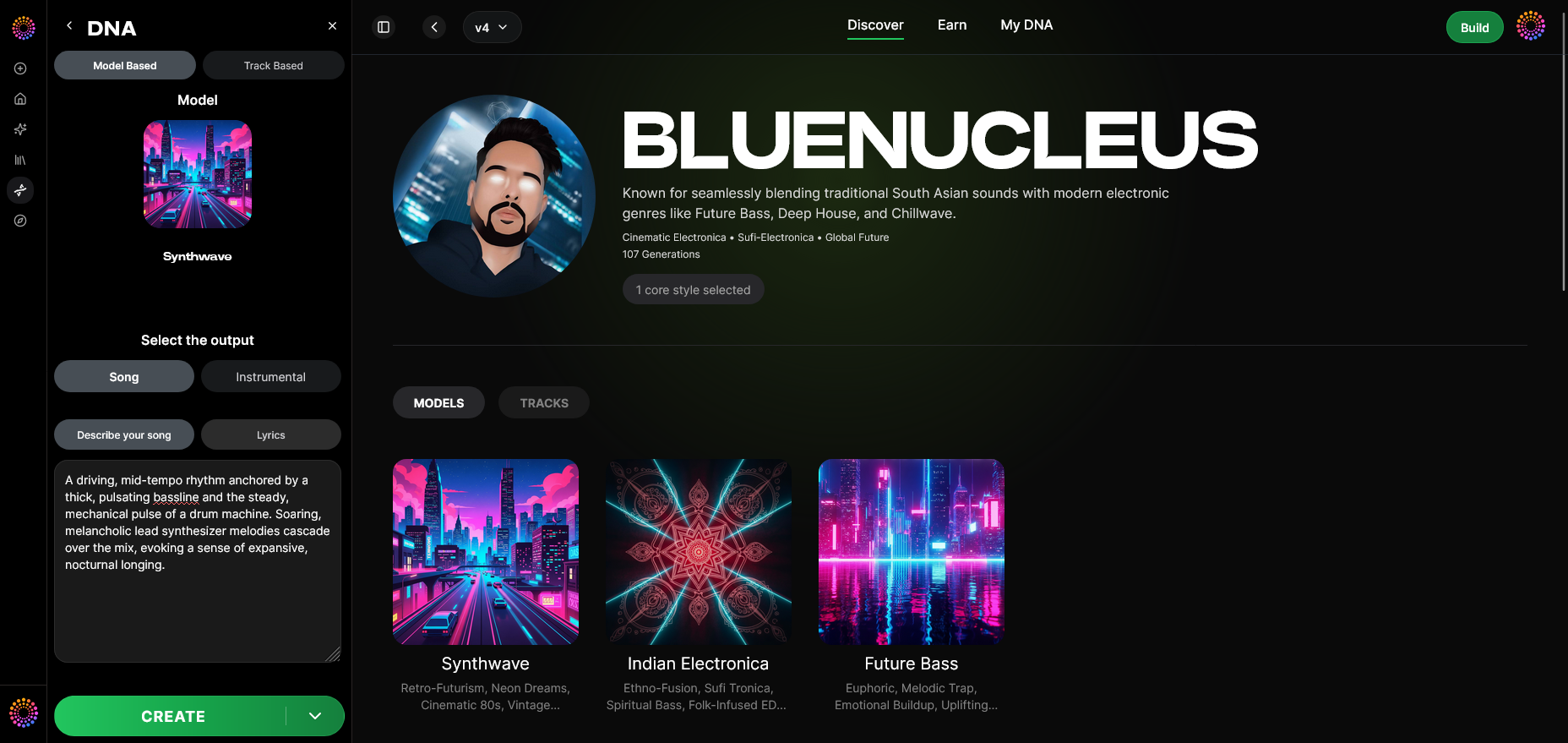
Soundverse DNA is an artist-trained AI system built for ethical and creative music generation. Rather than cloning voices illegally, it provides a legitimate infrastructure for building, managing, and monetizing artist DNA models.
What Is Soundverse DNA?
Soundverse DNA creates original music using an artist’s unique sonic identity. It supports both Full DNA (songs and instrumentals) and Voice DNA (vocal timbre and style). Every model is sourced from a licensed catalog, ensuring the artist remains at the center of the creative process. Designed for musicians, producers, and media companies, Soundverse DNA helps generate original, copyright-safe music that matches specific artistic aesthetics.
Core Capabilities
- Voice DNA: Train models on specific vocal traits to replicate tone, texture, and style ethically.
- Full DNA: Extend this modeling to include entire musical structures and arrangements.
- DNA Marketplace: License your style safely to fans or collaborators.
- Sensitivity Selector: Cluster catalog eras for version control (e.g., 2019 vs. 2023 tonal changes).
- Private Mode: Collaborate securely while maintaining privacy.
Use Cases for Voice Cloning and Soundverse DNA
- Artist Monetization: Earn royalties each time your style is used in generated tracks.
- Sonic Branding: Ensure your signature voice remains consistent across content and marketing.
- Film/Game Scoring: Generate style-matched vocals for visual media while avoiding copyright issues.
- Personal Workflow: Speed up production with a personal voice model that fits your sound exactly.
By integrating these capabilities, Soundverse DNA transforms voice cloning for multilingual songs and global content from a technical novelty to a strategic tool for vocal preservation and artist legacy.
How Voice Cloning Is Preserving Artist Legacy in 2026
Artist legacy has become one of the most important topics in digital music creation. Modern musicians are not just releasing songs—they are curating their long-term creative DNA. Voice cloning ensures that an artist’s unique sound remains accessible to future generations.
Legacy management through platforms like Soundverse allows families or estates to license an artist’s style posthumously, ensuring continuity and fair compensation. Fans can engage more deeply with their favorite voices through customized music experiences without infringing on rights.
Similar concepts have reshaped AI in the music industry and sparked interest in sustainable creative ecosystems. Artists are treating their sonic fingerprint like intellectual property—a protected extension of their artistry.
The Broader Creative Potential of Synthetic Vocals
Synthetic vocals are no longer mere imitations; they are creative tools enabling collaboration beyond the limits of time, geography, and mortality. Paired with AI music composition engines, cloned voices can perform new lyrics, explore cross-genre experiments, or become part of interactive digital performances.
Artists can even create multi-era variations of their sound using Soundverse’s Sensitivity Selector—offering listeners everything from early-career tones to mature dynamism simulated through AI. The fusion of human creativity and machine learning opens endless space for innovation, as seen in Soundverse’s stem separation technologies, which make remixing and reimagining voice-driven tracks effortless. For more inspiration, check out our Explore Tab tutorial.
Start Creating with AI-Powered Voice Cloning Today
Bring unique vocal styles to life and preserve artistic expression with Soundverse’s cutting-edge voice cloning tools. Experience limitless creative potential for music, podcasts, and content creation.
Try Soundverse for Free
Related Articles
- Soundverse SAAR: AI Voice Assistant: Discover how Soundverse SAAR helps creators generate natural, expressive AI voices for music and media projects.
- AI Music Generator and Human Composers: A Future Together: Explore how AI music tools are enhancing human artistry rather than replacing it, shaping a collaborative musical future.
- How AI-Generated Music Is Transforming the Music Industry: Learn how artificial intelligence is driving major innovations across music production, performance, and artist preservation.
- Soundverse AI Revolutionizing Music Creation for New-Age Content Creators: Find out how Soundverse empowers creators to produce original music faster and preserve creative integrity using AI.
Here's how to make AI Music with Soundverse
Video Guide
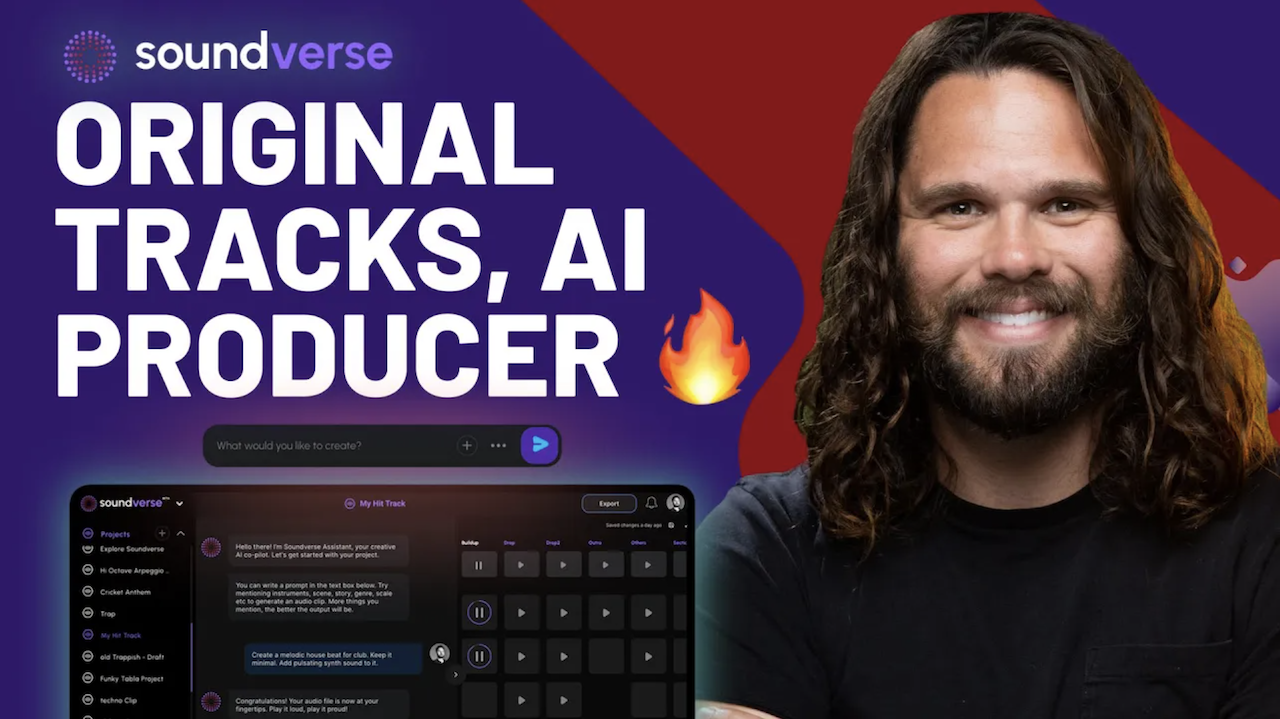
Here’s another long walkthrough of how to use Soundverse AI.
Text Guide
- To know more about AI Magic Tools, check here.
- To know more about Soundverse Assistant, check here.
- To know more about Arrangement Studio, check here.
Soundverse is an AI Assistant that allows content creators and music makers to create original content in a flash using Generative AI.
With the help of Soundverse Assistant and AI Magic Tools, our users get an unfair advantage over other creators to create audio and music content quickly, easily, and cheaply.
Soundverse Assistant is your ultimate music companion. You simply speak to the assistant to get your stuff done. The more you speak to it, the more it starts understanding you and your goals.
AI Magic Tools help convert your creative dreams into tangible music and audio. Use AI Magic Tools such as text to music, stem separation, or lyrics generation to realize your content dreams faster.
Soundverse is here to take music production to the next level. We're not just a digital audio workstation (DAW) competing with Ableton or Logic—we're building a completely new paradigm of easy and conversational content creation.
TikTok: https://www.tiktok.com/@soundverse.ai
Twitter: https://twitter.com/soundverse_ai
Instagram: https://www.instagram.com/soundverse.ai
LinkedIn: https://www.linkedin.com/company/soundverseai
Youtube: https://www.youtube.com/@SoundverseAI
Facebook: https://www.facebook.com/profile.php?id=100095674445607
Join Soundverse for Free and make Viral AI Music

We are constantly building more product experiences. Keep checking our Blog to stay updated about them!