Haptic Feedback in Music: How It Works
Explore how haptic feedback in music transforms sound into touch and enhances musical experiences.
Haptic Feedback in Music: How It Works
Introduction
Haptic feedback in music is one of the most intriguing intersections of sound, touch, and technology emerging in 2026. For decades, musical experiences were primarily auditory—but with the rise of tactile audio systems, vibration music, and touch-based feedback devices, creators are translating sound into physical sensations. This new sensory layer enhances how we experience rhythm, bass, and nuance, opening possibilities for performers, producers, and listeners alike.
In this article, we’ll explore how haptic feedback in music works, its unique applications, and the technologies making these immersive experiences possible. We’ll also see how creators can generate immersive music using AI-powered tools like the Soundverse AI Music Generator, which lets anyone design detailed soundscapes optimized for haptic and multisensory environments.
What is haptic feedback in music?
Haptic feedback in music refers to the use of vibrations and tactile signals to represent sonic characteristics like rhythm, intensity, or pitch through the sense of touch. In simpler terms, it lets you feel the music instead of only hearing it. The concept bridges neuroscience, sound engineering, and physical computing.
In 2026, advancements in wearable technology and immersive hardware have made tactile audio a mainstream component of live performances, gaming experiences, and virtual environments. Devices such as haptic suits and chairs translate low frequencies into precise vibrations that sync perfectly with musical timing, creating a holistic experience that enhances the emotional connection between listener and song. This kind of haptic technology uses vibrations to deliver real-time rhythm and timing cues, deepening the bond between artist and sound.
The anatomy of tactile audio
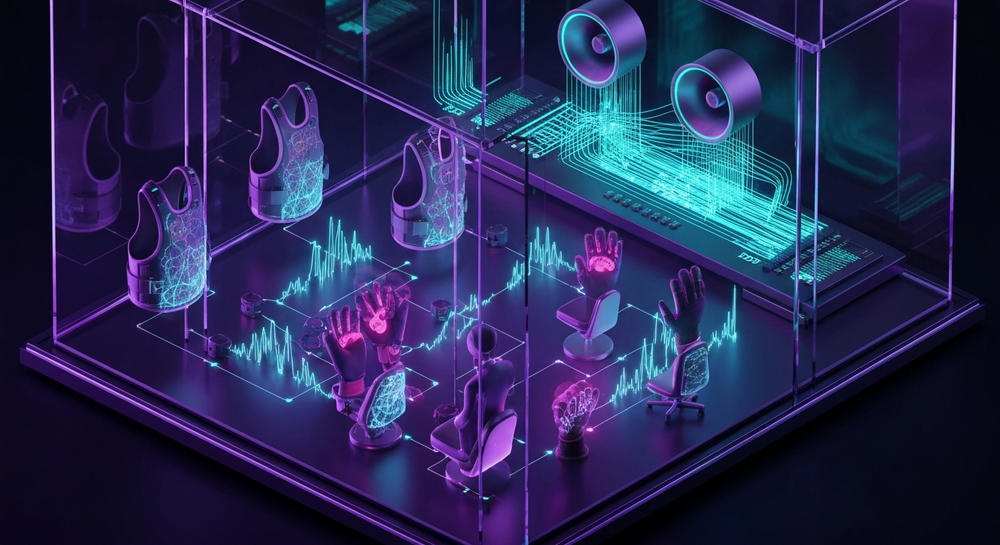
Tactile audio—or vibration music—is built on the principle that low-frequency vibrations can be physically transmitted through surfaces or the human body. Specialized transducers convert audio signals into mechanical vibrations, allowing users to feel basslines, drum patterns, or even melodic contours through their skin or clothing.
Today's tactile systems use spatial mapping to ensure each vibration correlates accurately with the music's rhythm and intensity. These systems can differentiate between soft melodic cues and impactful percussive hits, providing a nuanced sensory tapestry.
How does touch feedback enhance music performance and listening?
Touch feedback enhances musical experience by deepening engagement and accessibility. Musicians use haptic responses to refine timing and stage performance, while audiences benefit from immersive, full-body sensations that turn listening into a multisensory event. This approach parallels innovations in AI and accessibility-driven instruments emerging across creative platforms.
1. Performance precision
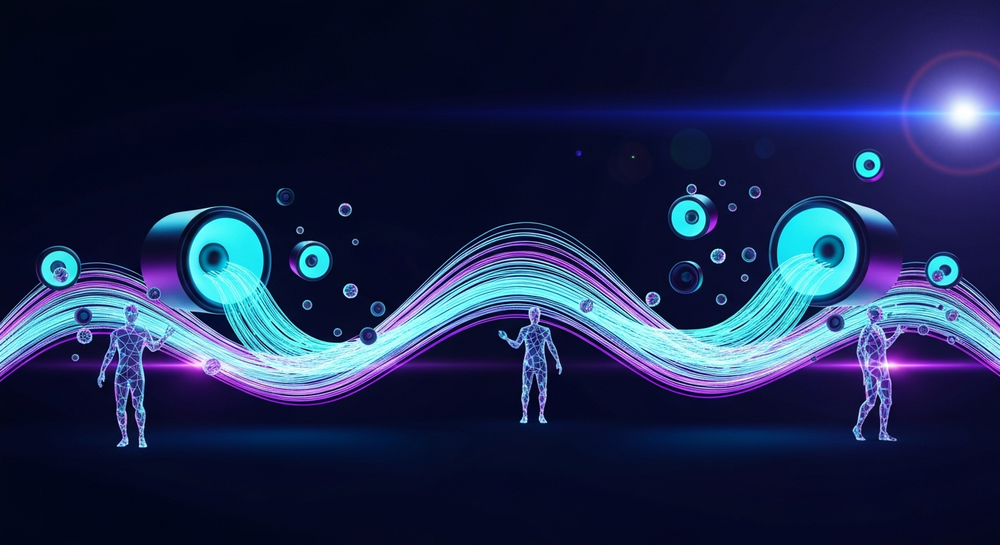
For performers, haptic feedback acts like a physical metronome. Guitarists, drummers, and electronic musicians can wear haptic bands or gloves that pulse in sync with tempo changes or cue transitions. This allows them to maintain rhythm accuracy without relying solely on audible click tracks.
2. Sensory immersion
In installations, concerts, and VR musical experiences, vibration music systems extend sound through the listener’s body. Feeling rhythmic patterns enhances emotional resonance, creating a stronger empathetic reaction. In genres like electronic dance music, this transforms audiences into participants of the physical rhythm rather than spectators. Music: Not Impossible demonstrates this by turning sound into touch through vibrotextile wearables. For a hands-on example, watch our guide on creating Deep House music.
3. Accessibility enhancement
Haptic technology also makes music more inclusive. Individuals who are deaf or hard of hearing use tactile audio devices to experience the emotional weight of sound through body sensation. Institutions and researchers continue developing tactile interfaces for learning, therapy, and sensory education.
What technologies power haptic feedback in modern music experiences?
Behind every vibration-based music system are several components translating waveform data into touch feedback:
- Vibration Transducers: These devices, such as bass shakers or haptic actuators, convert low-frequency sound waves into physical motion. Commonly mounted in chairs, floors, or wearable suits, they bring sub-bass tones to life.
- Digital Signal Processing (DSP): DSP algorithms filter and map audio frequencies to haptic signals, ensuring that each vibration corresponds accurately to the music’s intensity, pitch, or beat.
- Wearable Haptic Devices: From smart gloves to vests, modern clothing-integrated devices allow performers and listeners to experience synchronized physical responses. These wearables integrate Bluetooth or wireless systems for real-time synchronization.
- 3D Audio Engines: Used in gaming and VR, these engines combine positional audio with haptic outputs, making users feel spatial shifts in music, such as instruments moving or reverb spaces expanding.
- AI-Driven Sound Design: Artificial intelligence is now used to analyze and optimize vibration patterns for emotional or physical impact. This helps composers craft music intended to be not only heard but felt.
How Soundverse AI Music Generator supports tactile sound design
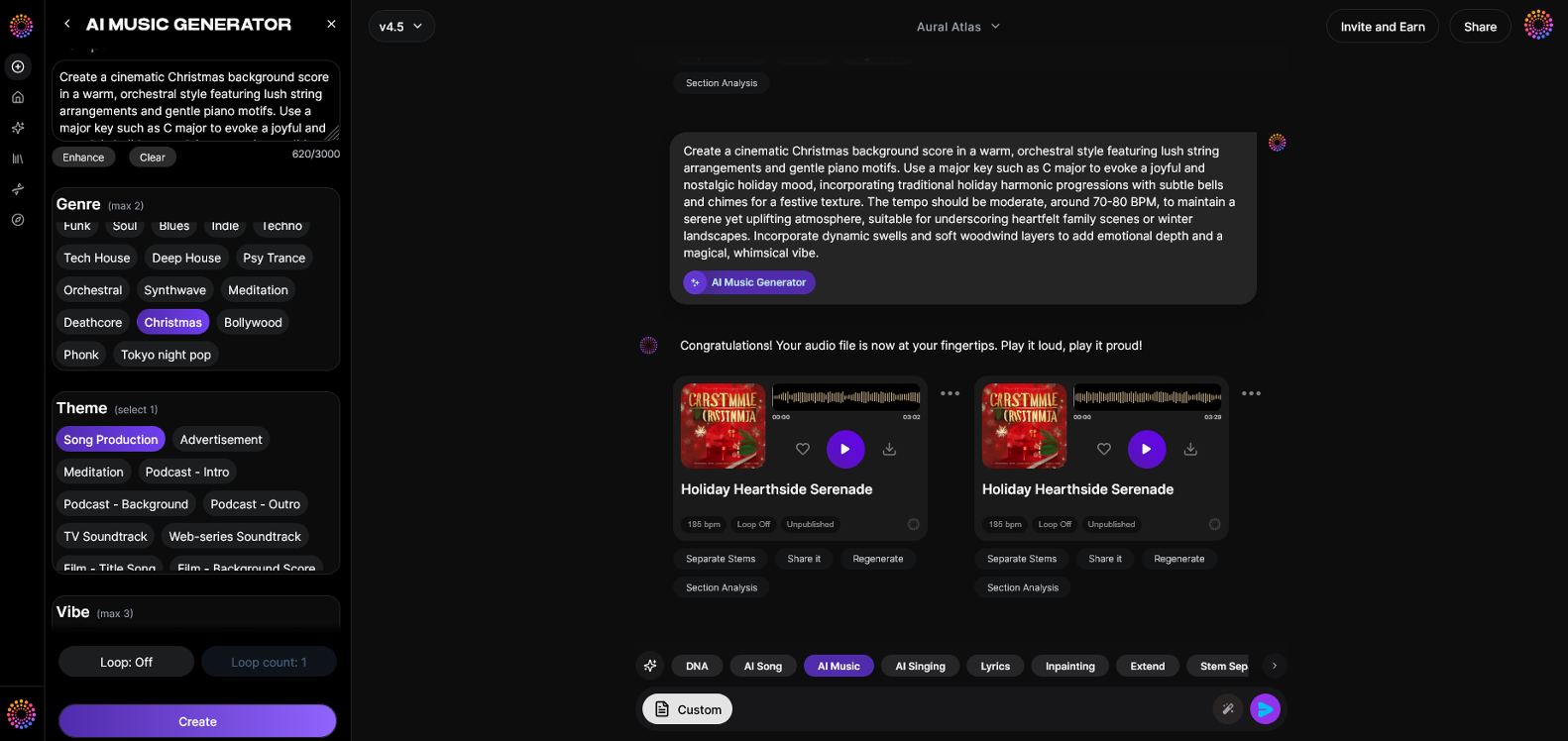
As haptic technology evolves, the Soundverse AI Music Generator has become a valuable partner for creators designing tactile or vibration-based experiences. Whether crafting meditative soundscapes, ambient textures, or game-ready loops, Soundverse’s AI-driven system lets users generate instrumental tracks optimized for haptic playback.
The AI Music Generator converts text prompts into fully produced instrumental compositions. Using simple descriptive commands like “deep rhythmic tribal percussion with ambient bass textures,” creators can produce music that emphasizes tactile frequencies perfect for haptic applications.
Key Capabilities for Haptic Use
- Text-to-Music: Input mood, genre, and instrumentation to generate audio tailored for vibration mapping.
- Loop Mode: Creates seamless, endlessly looping tracks ideal for installations or wearable demos.
- Detailed Control: Customize parameters like tempo, bass depth, and instrument textures to emphasize tactile regions.
- Version Options: Choose between V4 and V5 models for greater fidelity and nuanced sound layering.
Soundverse-generated music often complements sensory installations, meditation programs, or virtual reality soundscapes where immersive engagement is vital. You can read more about AI’s influence on music creation in How AI-Generated Music is Transforming the Music Industry and explore comparisons like Mubert Alternatives or Soundraw Alternative. For additional inspiration on AI-assisted music, explore our tutorial on how to make music.
How to make haptic music with Soundverse AI Music Generator
Creating music designed for haptic playback doesn’t require complex equipment today. The Soundverse platform enables experimentation with texture, rhythm, and vibration-ready compositions.
- Accessing the generator: Log in to your Soundverse account and select the AI Music Generator from the main menu.
- Describe your intent: Enter a descriptive text prompt outlining the mood and tactile profile you want—for example, “slow pulsating ambient bass for full-body meditation chair.”
- Select style and duration: Control genre, tempo, and track length to match your installation or performance needs.
- Generate and review: Soundverse processes your prompt asynchronously. Once complete, listen and fine-tune your choice for optimal tactile translation.
- Export your audio: Download the instrumental file to use with a vibration system, haptic wearable, or controller-based environment.
To explore creative applications of this tool, see related resources such as The Benefits of Composing with AI Music Generator and AI Music Generator and Human Composers: A Future Together. You can also check out the Explore Tab overview video for more Soundverse workflow tips.
The evolving landscape of touch and sound in 2026
By 2026, haptic feedback in music has expanded beyond experimental studios and entered practical use cases:
- Virtual concerts: Audiences experience synchronized vibrations during online performances, feeling bass lines from home setups.
- Gaming environments: Music-driven haptics enhance tension, immersion, and gameplay realism.
- Therapeutic sessions: Providers use vibration-based tracks to create grounding or meditative effects during wellness treatments.
- Educational settings: Tactile music lessons allow learners to physically grasp rhythmic movement concepts.
Researchers continue exploring how tactile synchronization can aid rehabilitation, emotional therapy, and even creativity training. These intersections signal a paradigm shift—from listening to music to experiencing vibration as music.
Experience Music Like Never Before with Soundverse AI
Turn ideas into immersive audio experiences using the latest AI-driven tools from Soundverse. Create, remix, and design music with precision, speed, and creativity—all in one intuitive platform.
Start Creating with Soundverse
Related Articles
- The Role of AI Music in Film and Television: Discover how AI-generated music is reshaping soundtracks and unlocking new creative possibilities for filmmakers and content producers.
- How AI-Generated Music Is Transforming the Music Industry: Explore how AI is innovating traditional music production, from songwriting to sound engineering, across the global industry.
- Soundverse AI Magic Tools: Create Content Quickly with AI: Learn how Soundverse’s AI Magic Tools speed up your creative workflow, helping you produce professional-quality tracks instantly.
- Soundverse Introduces Stem Separation AI Magic Tool: Find out how Soundverse’s stem separation feature allows creators to easily isolate vocals, drums, and instruments for remixing and mastering.
Here's how to make AI Music with Soundverse
Video Guide
Here’s another long walkthrough of how to use Soundverse AI.
Text Guide
- To know more about AI Magic Tools, check here.
- To know more about Soundverse Assistant, check here.
- To know more about Arrangement Studio, check here.
Soundverse is an AI Assistant that allows content creators and music makers to create original content in a flash using Generative AI. With the help of Soundverse Assistant and AI Magic Tools, our users get an unfair advantage over other creators to create audio and music content quickly, easily and cheaply. Soundverse Assistant is your ultimate music companion. You simply speak to the assistant to get your stuff done. The more you speak to it, the more it starts understanding you and your goals. AI Magic Tools help convert your creative dreams into tangible music and audio. Use AI Magic Tools such as text to music, stem separation, or lyrics generation to realise your content dreams faster. Soundverse is here to take music production to the next level. We're not just a digital audio workstation (DAW) competing with Ableton or Logic, we're building a completely new paradigm of easy and conversational content creation.
TikTok: https://www.tiktok.com/@soundverse.ai
Twitter: https://twitter.com/soundverse_ai
Instagram: https://www.instagram.com/soundverse.ai
LinkedIn: https://www.linkedin.com/company/soundverseai
Youtube: https://www.youtube.com/@SoundverseAI
Facebook: https://www.facebook.com/profile.php?id=100095674445607
Join Soundverse for Free and make Viral AI Music
We are constantly building more product experiences. Keep checking our Blog to stay updated about them!