Current Trends in the Consumption of Recorded Music in 2026
Explore recorded music consumption trends in 2026, from streaming habits to vinyl sales and AI-era listener behavior.
Current Trends in the Consumption of Recorded Music
What are the main recorded music consumption trends in 2026?
As the global music industry continues its transformation into a digitally driven ecosystem, 2026 stands as a defining year that reflects the maturation of streaming, the revival of vinyl, and the emergence of ethical AI frameworks for rights management. Recorded music consumption trends now extend far beyond the scope of traditional listening platforms, encompassing new layers of personalization, transparency, and interactivity.
1. Streaming remains dominant—but is evolving
Music streaming habits in 2026 continue to define the vast majority of recorded music consumption worldwide. Platforms such as Spotify, Apple Music, YouTube Music, and emerging AI-driven apps have reshaped the landscape into one dominated by subscription-based and ad-supported models. However, in contrast to 2024 and 2025, the focus has now shifted from mere access to quality and exclusivity.
Listeners increasingly subscribe to tiered services offering high-fidelity audio, spatial sound formats, and personalized playlists crafted through behavioral AI. In addition, the integration of machine learning algorithms allows for predictive recommendations that go beyond genre categorization, identifying emotional tone, lyrical themes, and sonic textures.
These nuanced recommendations have driven audience retention and discovery, enhancing the overall experience for both passive and active listeners. Professionals in the recording industry now rely on global music industry insights to track listener preference evolution. According to Music Streaming Services Stats (2026), streaming accounts for 84% of total industry revenue worldwide. For deeper learning into architecture and production, watch our guide on creating Deep House music.
2. Vinyl and physical formats see a nuanced revival

Despite the digital surge, vinyl records continue to maintain a steady cultural relevance. In 2026, vinyl sales have become symbolic of intentional listening—a behavior pattern distinguishing those who value collectibility, artwork, and analog warmth. Physical formats often perform well among niche segments, such as independent artists and audiophiles seeking tactile experiences.
According to broader market analysis and the Digital Music Market Report, this resurgence echoes an emotional desire to reconnect with tangible art while forming micro-communities around classic listening rituals. Labels have capitalized on this behavior by offering limited-edition pressings and exclusive bundles featuring collectible metadata and track lineage—bridging the analog aesthetic with digital provenance.
3. Music listener behavior: personalization and participation
Modern listener behavior reflects not just consumption but participation. Social media and real-time collaboration tools have turned fans into co-creators. Whether remixing open stems, generating AI covers, or contributing sounds to community-based projects, listeners actively shape musical outcomes.
The popularity of micro-content and short-form platforms (like TikTok’s 2026 iteration and YouTube Shorts) has amplified the demand for versatile tracks—songs designed for adaptability across formats. Artists now compose music with viral structure optimization, where snippets and hooks align with trend cycles.
AI continues to play a major role in shaping both the creative and consumption side of music, including royalty-free production tracks made with ethical frameworks like Soundverse’s AI tools. For an overview of creative workflows, watch our tutorial on how to make music.
4. The integration of ethical AI and rights transparency
While AI-generated music flourished across 2024 and 2025, the controversy surrounding copyright protection and rights attribution pressed the industry to adapt new standards. By 2026, transparent AI music generation pipelines are the norm.
Frameworks such as the Ethical AI Music Framework have become vital to maintaining artist integrity. This infrastructure replaces opaque black-box models with transparent metadata pipelines ensuring consent and fair compensation. The introduction of Soundverse Trace, for instance, allows audio and creative assets to carry attribution tags through their entire lifecycle—from dataset creation to export.
This transparency has shifted global music industry insights toward cooperation rather than competition, providing royalty assurance for rights-holders participating in AI training.
5. Regional diversification and cross-market expansion
Global distribution is no longer confined to Western markets. 2026 charts reveal the growing dominance of Asian, African, and Latin American streaming audiences. Localization, cultural fusion, and algorithmic inclusivity have enabled artists to break regional barriers more effectively.
Streaming platforms now cater to linguistically diverse audiences, providing multilingual lyric displays, regional curation strategies, and cultural mood playlists. These innovations not only expand listenership but also redefine monetization through region-specific subscription models.
Platforms partnering with rights management organizations ensure that cross-border royalties retain proper attribution—a principle mirrored by systems like Soundverse’s Content Partner Program. Check out our Explore Tab walkthrough for understanding cross-market engagement within Soundverse.
6. Sustainable consumption and environmental awareness
Another major trend in recorded music consumption for 2026 involves sustainable technology. As streaming data centers consume large amounts of energy, the industry responds with environmental offsets, energy-efficient codecs, and green packaging for physical formats. Many labels now include carbon-neutral certifications on releases.
The convergence of sustainability and technology helps demonstrate accountability and resonates with socially conscious audiences.
7. Community-led micro-licensing and fair compensation structures
Rights-holders are increasingly moving toward community-led micro-licensing. Rather than one-time payments, creators seek recurring royalties—an approach that aligns with usage-based attribution systems.
This movement arose in response to the imbalance observed during the early AI music adoption wave of 2024–2025. In 2026, transparent accounting and blockchain verification allow creators to see when and how their works are used. These changes encourage participation in collaborative training datasets under fair terms.
Organizations utilizing tools like Soundverse Assistant are leading this shift toward smarter cooperative content creation that rewards active contribution.
8. The future of recorded music: hybrid creativity
The future trajectory indicates a hybrid model where human creativity and AI co-evolve. Recorded music consumption is no longer purely passive listening but a dynamic ecosystem where songs are adaptive, interactive, and customizable by listeners themselves.
Apps and AI-powered features permit users to adjust vocal intensity, remix instrument layers, or modify thematic emphasis without infringing rights—a process supported by ethical frameworks and explicit artist permissions.
For researchers and executives studying music listener behavior, this transformation highlights the blurring line between production and consumption. The listener has become both the audience and a creative agent.
How to make sense of these recorded music consumption trends with Soundverse Content Partner Program
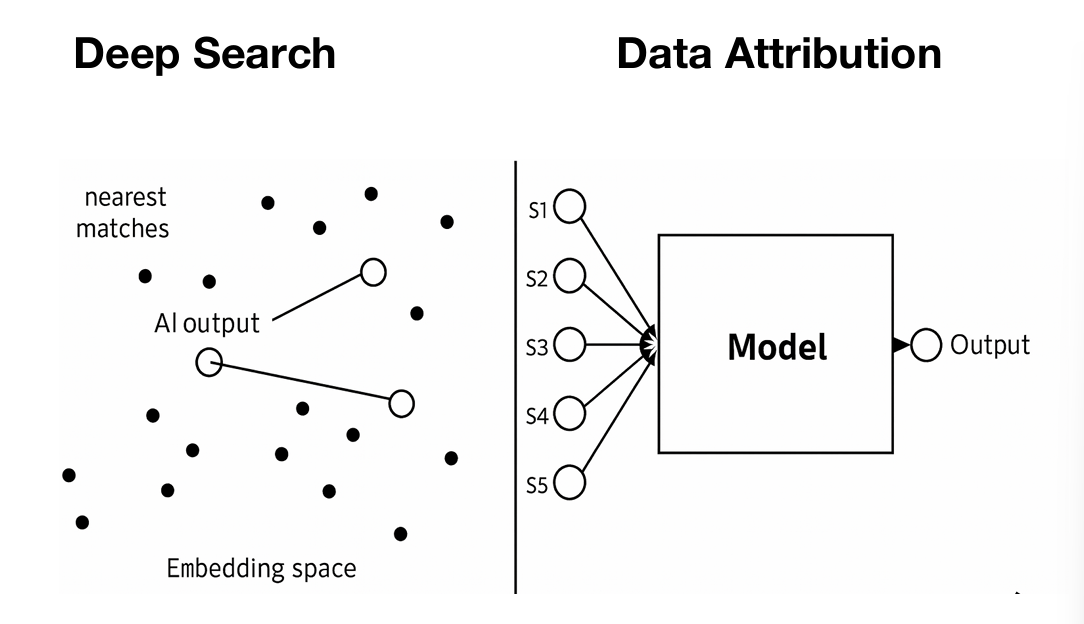
Now that you understand how recorded music consumption trends are evolving in 2026, here's how Soundverse supports rights-holders and creators in adapting to this new paradigm.
The Soundverse Content Partner Program acts as an opt-in licensing framework, allowing rights-holders to contribute audio for ethical AI training in exchange for recurring, usage-based royalties driven by attribution. Through Influence-Based Payouts, contributors earn revenue each time their submitted sounds are used to generate new content within the AI system.
The platform operates through Tiered Licensing (Tiers 1–6), enabling flexible participation levels based on asset type, exclusivity preferences, and distribution controls. Every contributor receives access to Real-Time Dashboards for monitoring royalties and activity (without real-time audio preview) and Transparency Reports that detail data usage and distribution metrics.
This framework is particularly valuable for rights-holders aiming to monetize back-catalogs ethically, allowing participation in the AI economy without sacrificing creative ownership. For music industry professionals, it introduces a new model of sustainable monetization aligned with 2026’s demand for fairness and traceability.
Combined with the Ethical AI Music Framework and Soundverse Trace, creators can protect rights, verify attribution, and participate in transparent, consent-based data ecosystems. These systems collectively empower record labels, publishers, and artists to integrate AI collaboration seamlessly while safeguarding their contributions.
For professionals analyzing future consumption, Soundverse AI tools offer a tangible approach to align with industry transparency values and new recording paradigms.
Transform Your Musical Creativity with Soundverse AI
Discover how AI-powered tools can help you create, remix, and innovate music faster than ever. Join Soundverse today and experience the future of recording and production.
- How AI-Generated Music Is Transforming the Music Industry — Explore how artificial intelligence is reshaping composition, production, and consumption patterns in the music world.
- Music Industry Trends — A detailed look at the latest developments driving innovation and growth across the global music industry.
- AI Music Generator and Human Composers: A Future Together — Discover how AI tools are complementing human creativity and redefining collaboration in the recording space.
- The Role of AI Music in Film and Television — Learn how AI-generated compositions are enhancing soundtracks and influencing viewer engagement trends.
Here's how to make AI Music with Soundverse
Video Guide
Here’s another long walkthrough of how to use Soundverse AI.
Text Guide
- To know more about AI Magic Tools, check here.
- To know more about Soundverse Assistant, check here.
- To know more about Arrangement Studio, check here.
Soundverse is an AI Assistant that allows content creators and music makers to create original content in a flash using Generative AI. With the help of Soundverse Assistant and AI Magic Tools, our users get an unfair advantage over other creators to create audio and music content quickly, easily and cheaply. Soundverse Assistant is your ultimate music companion. You simply speak to the assistant to get your stuff done. The more you speak to it, the more it starts understanding you and your goals. AI Magic Tools help convert your creative dreams into tangible music and audio. Use AI Magic Tools such as text to music, stem separation, or lyrics generation to realise your content dreams faster. Soundverse is here to take music production to the next level. We're not just a digital audio workstation (DAW) competing with Ableton or Logic, we're building a completely new paradigm of easy and conversational content creation.
TikTok: https://www.tiktok.com/@soundverse.ai Twitter: https://twitter.com/soundverse_ai Instagram: https://www.instagram.com/soundverse.ai LinkedIn: https://www.linkedin.com/company/soundverseai Youtube: https://www.youtube.com/@SoundverseAI Facebook: https://www.facebook.com/profile.php?id=100095674445607
Join Soundverse for Free and make Viral AI Music

We are constantly building more product experiences. Keep checking our Blog to stay updated about them!
Image Steps: []