K-Pop Production Techniques Using AI: How Technology Redefines Korean Pop in 2026
Discover how AI is revolutionizing K-Pop production and korean pop creation in 2026.
K-Pop Production Techniques Using AI
In 2026, the global rise of Korean pop music continues to accelerate, but this time, it’s not just about catchy choruses or synchronized choreography. The real revolution is happening behind the scenes in the production studios — where AI in K-Pop production is reshaping how songs are composed, mixed, and released. The blend of technology and human artistry has opened a new chapter in music history, where producers use machine intelligence to unlock new sonic possibilities.
What is driving the rise of AI in K-Pop production in 2026?
In previous years, K-Pop was already known for its cutting-edge production methods. However, by 2026 the integration of artificial intelligence tools into music creation pipelines has become standard practice. From arranging beats to generating vocal effects, AI assists producers in maintaining the genre’s signature polish while personalizing soundscapes for international audiences. According to Asia Tech Lens, Korea is turning AI into an operating layer for K-content, accelerating production, testing, and distribution from virtual idols to large-scale entertainment systems.
The demand for rapid yet emotionally resonant music has grown substantially. AI tools help meet this demand by analyzing existing songs and generating new material aligned with the same vibe or mood. In the fast-moving world of K-Pop, where trends can shift weekly, these smart systems help producers stay ahead.
Moreover, AI-driven tools handle complex data analysis across tempo, harmony, and texture, allowing sound engineers to focus on creativity rather than repetitive technical adjustments. The result is a streamlined workflow that supports consistent output without sacrificing artistic depth.
How are AI algorithms influencing K-Pop creation and production?

The K-Pop creation process has traditionally fused Western pop influences with distinctly Korean cultural aesthetics. Now, AI adds another dimension — data-driven creativity. Advanced systems analyze billions of samples, learning from vocal timbres, chord progressions, and percussive layers used by top producers. As shared in Straits Times, major entertainment agencies are incorporating AI into music production and artist development, solidifying its role in the industry.
In 2026, these algorithms can:
- Predict listener engagement based on tonal balance and rhythmic complexity.
- Create AI idol music that mirrors the sonic identity of famous voices while keeping compositions original and copyright-safe.
- Generate personalized tracks geared toward regional fan bases.
- Adapt production templates for live stage performances or streaming releases.
This kind of intelligent assistance isn’t about replacing human producers but expanding their creative toolkit. Many producers credit AI with helping them overcome writer’s block and quickly test new musical directions, as highlighted by Oreate AI.
What are the most popular AI production techniques in K-Pop right now?
Several AI-powered workflows define the essence of current K-Pop production. Here are some key techniques driving 2026’s biggest hits:
1. Style Transfer and Reference Composition
By analyzing a successful track’s sonic DNA — its rhythm patterns, chord emotions, and atmospheric qualities — AI models generate new music inspired by that signature. This technique ensures fresh output without any copyright conflict.
2. AI Vocal Generation
Through systems similar to Soundverse’s AI Singing Generator, producers can instantly create demo vocals that replicate specific tones or emotional expressions. It’s ideal for testing harmonies or customizing group vocal lines.
3. Automated Arrangement and Mixing
Once a melody or beat idea is set, AI leverages frequency data to balance instruments, enhance vocal clarity, and optimize bass depth for streaming platforms. This allows efficient production pipelines without constant manual mixing adjustments.
4. Data-Guided Emotional Mapping
AI can evaluate how chord transitions correspond to emotional intensity, helping producers fine-tune moments that resonate deeply with fans — a key element that keeps K-Pop universally relatable. For a deeper dive, watch our Soundverse Tutorial Series - How to Make Music for practical examples of AI-assisted sound design.
To explore AI’s wider impact across the music world, readers can visit the in-depth piece on music industry trends.
How Korean producers are balancing artistry and automation
Even with AI in the production room, the essence of K-Pop remains human. Expert producers emphasize that AI supports, rather than replaces, creativity. Genuine emotional storytelling — the lyrical vulnerability, the cultural nuances — still require a human touch.
However, using AI has democratized the process. Independent producers without large studio budgets can now achieve radio-quality output. AI systems handle time-consuming tasks like stem separation and harmonic matching, which used to take hours. For instance, technologies similar to Soundverse’s stem separation magic tool enable creators to isolate vocals or drums instantly for remixing.
This accessibility has inspired a new wave of experimental K-Pop subgenres combining lo-fi textures, electronic percussion, and multicultural influences. The agility of AI allows this sonic experimentation at scale.
Why the shift to AI idol music is redefining fandom culture
The introduction of AI idols and virtual artists has dramatically expanded what fandom means. Fans are no longer confined to following human idols alone; they can now interact with AI characters who release songs, host livestreams, and evolve based on community feedback. LSN Global notes that K-pop pioneer Lee Soo-man envisions AI as the engine driving K-pop’s next chapter of prosumer engagement.
By 2026, these AI idols are integral to Korean pop media ecosystems. They exist as digital stars created through collaboration between music producers and AI developers. Sophisticated text-to-voice systems allow them to sing emotionally aware lines, while creative teams handle choreography and storytelling.
Interestingly, Soundverse’s research shows that these AI personas complement traditional idols rather than replacing them. The dual presence of real and virtual performers fosters fresh collaborative energy — a hallmark of modern K-Pop’s global appeal.
How to make professional-grade K-Pop with Soundverse Similar Song Generator
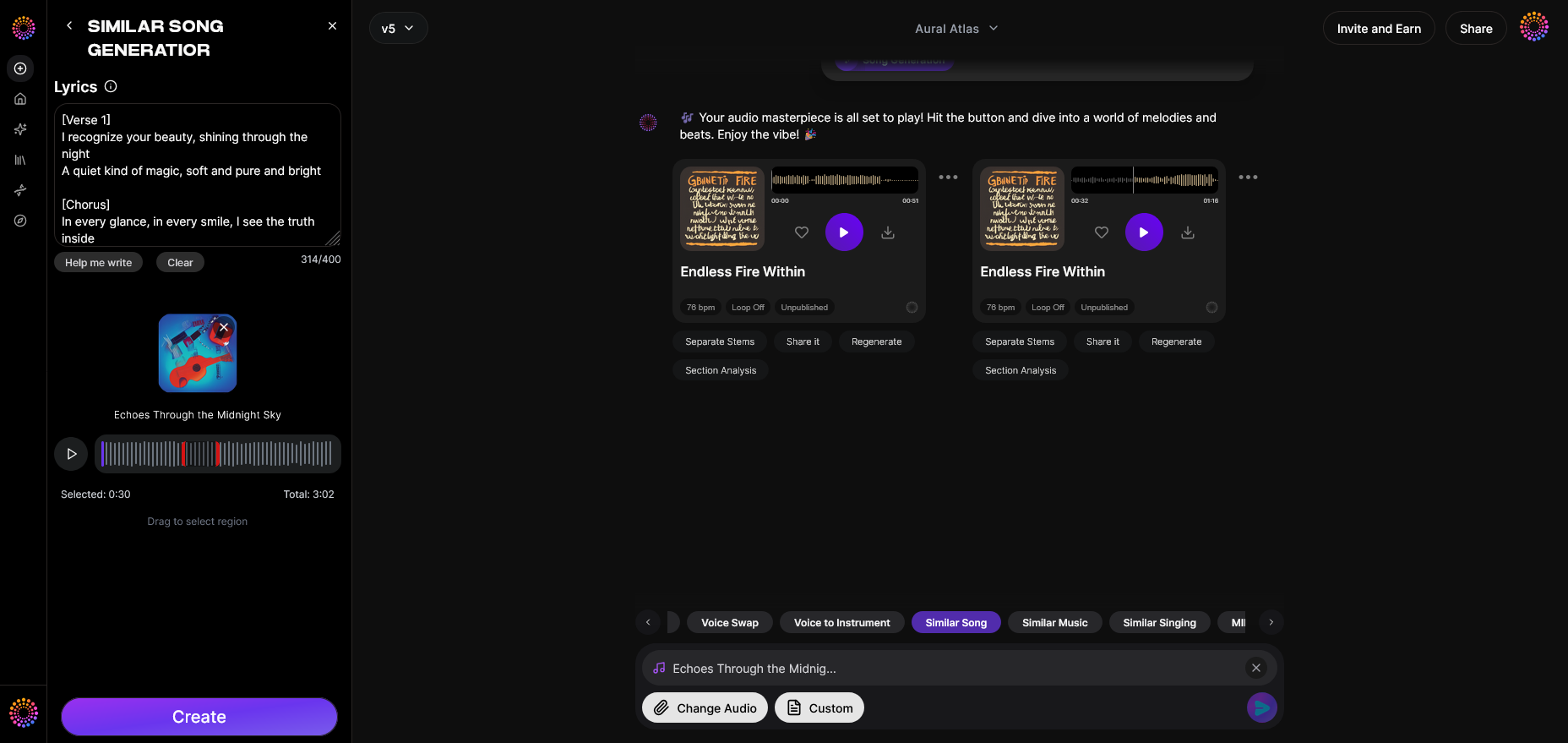
Soundverse’s Similar Song Generator is purpose-built for producers aiming to create authentic yet original K-Pop-style music using AI. It doesn’t copy existing tracks but generates new ones inspired by their energy and atmosphere. This ensures complete creative control while maintaining cultural authenticity.
Official Description: The Similar Song Generator analyzes a reference song — considering tempo, genre, and energy — then builds a fresh composition that captures a comparable mood. It supports both optional lyric input and style transfer, meaning artists can guide emotional tone and instrumental style.
Primary Use Cases:
- Crafting royalty-free alternatives to popular K-Pop songs for advertisements or YouTube campaigns.
- Rapidly ideating multiple song variations upon a chosen vibe during production sprints.
- Maintaining consistent sound aesthetics across album projects or content series.
Through integration with related tools like the AI Song Generator, AI Singing Generator, and Soundverse DNA, producers can further personalize output and create entire albums that obey ethical and legal standards. For example, Soundverse DNA ensures every generated song draws from licensed datasets, allowing creators and real artists to share benefits.
Those interested in seeing how other genres apply similar technology can explore guides like How to Create EDM with Soundverse AI and How to Create Jazz Music with Soundverse AI.
How AI-driven workflows are shaping the future of K-Pop exports
AI’s integration into K-Pop doesn’t just impact production; it transforms marketing and international collaborations too. Predictive algorithms assess which sounds engage audiences in specific regions, fine-tuning releases for American, Japanese, or Latin listeners. This data-centric approach allows K-Pop agencies to diversify their global reach without losing authenticity. IDN Financials reports that major entertainment houses have begun integrating AI workflows for global synchronization in their artist pipelines.
Additionally, by leveraging AI music tools, smaller labels can now compete with global entertainment giants. Platforms like Soundverse offer scalable production, reducing turnaround from concept to release from months to mere days. Articles such as how AI-generated music is transforming the music industry dive deeper into this democratization.
The ethical and creative implications of AI in K-Pop
As artificial intelligence increasingly co-produces music, ethical considerations have come upfront. Data provenance, artist compensation, and cultural sensitivity are constant talking points. Soundverse and other responsible AI companies train systems only on licensed material, avoiding unauthorized scraping or imitation. This ensures originality and fairness in the new creative economy.
On the creative front, AI sparks cross-cultural fusion. By learning from diverse sound traditions, AI-assisted K-Pop integrates world music motifs — from Afrobeat rhythms to synth-driven European trance — creating hybrid masterpieces that appeal to global audiences in 2026.
Start Crafting K-Pop Beats with AI Today
Experience how Soundverse transforms your creative workflow—from generating authentic K-Pop instrumentals to refining vocal layers with precision. Discover AI tools that make production seamless and inspiring.
Related Articles
- AI Music Generator and Human Composers: A Future Together: Explore how AI harmonizes with human creativity to redefine music composition for a new era of sound innovation.
- How AI-Generated Music Is Transforming the Music Industry: Discover the impact of AI on production, performance, and the evolving landscape of the global music scene.
- Soundverse AI Revolutionizing Music Creation for New Age Content Creators: Learn how Soundverse empowers creators with tools that simplify complex production tasks and fuel creative output.
- The Role of AI Music in Film and Television: Understand how AI-driven sound design enhances emotional storytelling across visual media industries.
Here's how to make AI Music with Soundverse
Video Guide
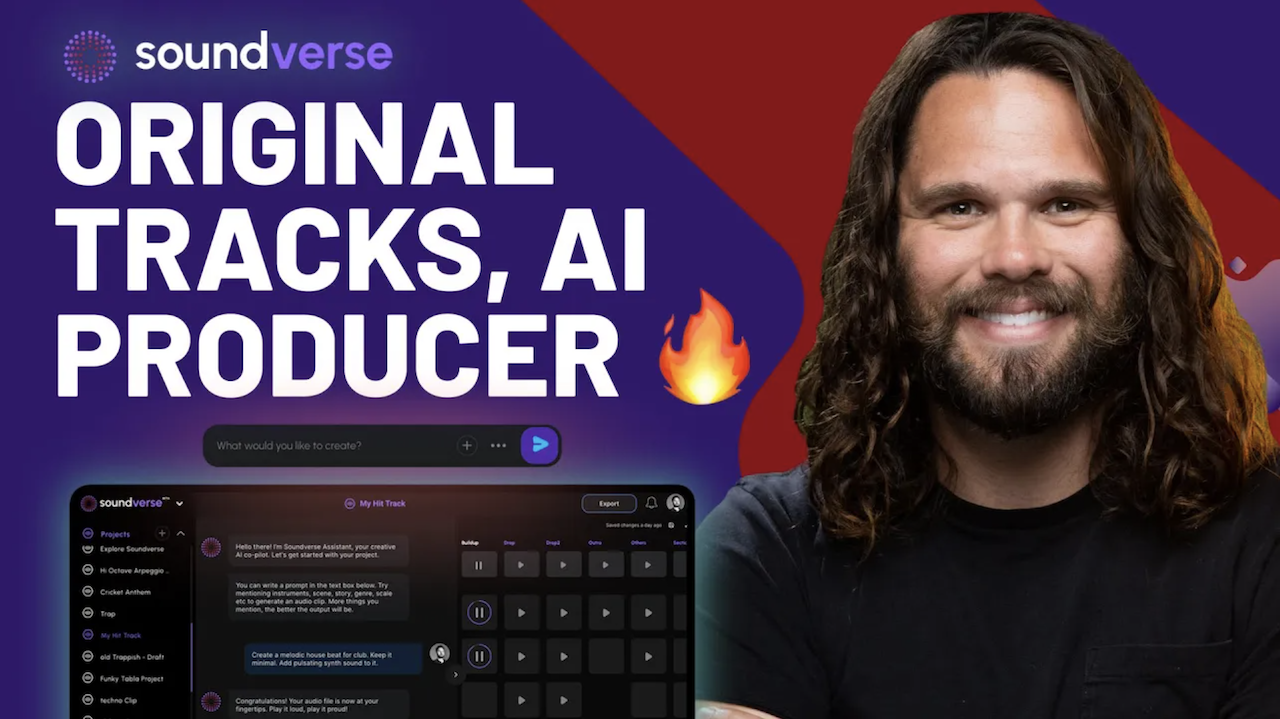
Here’s another long walkthrough of how to use Soundverse AI.
Text Guide
- To know more about AI Magic Tools, check here.
- To know more about Soundverse Assistant, check here.
- To know more about Arrangement Studio, check here.
Soundverse is an AI Assistant that allows content creators and music makers to create original content in a flash using Generative AI.
With the help of Soundverse Assistant and AI Magic Tools, our users get an unfair advantage over other creators to create audio and music content quickly, easily and cheaply.
Soundverse Assistant is your ultimate music companion. You simply speak to the assistant to get your stuff done. The more you speak to it, the more it starts understanding you and your goals.
AI Magic Tools help convert your creative dreams into tangible music and audio. Use AI Magic Tools such as text to music, stem separation, or lyrics generation to realise your content dreams faster.
Soundverse is here to take music production to the next level. We're not just a digital audio workstation (DAW) competing with Ableton or Logic, we're building a completely new paradigm of easy and conversational content creation. TikTok: https://www.tiktok.com/@soundverse.ai Twitter: https://twitter.com/soundverse_ai Instagram: https://www.instagram.com/soundverse.ai LinkedIn: https://www.linkedin.com/company/soundverseai Youtube: https://www.youtube.com/@SoundverseAI Facebook: https://www.facebook.com/profile.php?id=100095674445607
Join Soundverse for Free and make Viral AI Music

We are constantly building more product experiences. Keep checking our Blog to stay updated about them!