AI Music Licensing: Creator’s Guide to Rights & Deals (2026 Edition)
Learn how AI music licensing works in 2026—creator rights, licensing deals, and Soundverse’s ethical AI framework.
AI Music Licensing: Creator's Guide to Rights & Deals
In 2026, the intersection of artificial intelligence and the music industry has evolved from curiosity to cornerstone. As independent creators and producers increasingly collaborate with AI tools to compose, remix, or generate entire tracks, understanding AI music licensing has become essential. Far beyond copyright debates of 2024 and 2025, the current challenge in 2026 is balancing innovation with fair, transparent compensation and rights management.
What does AI music licensing mean for creators in 2026?
AI music licensing refers to a structured approach that defines how AI-generated or AI-assisted music is used, distributed, and monetized. When an algorithm creates music using datasets trained on human-composed audio, the question arises—who owns the rights? The answer lies in differentiating between training data rights and generation output rights.
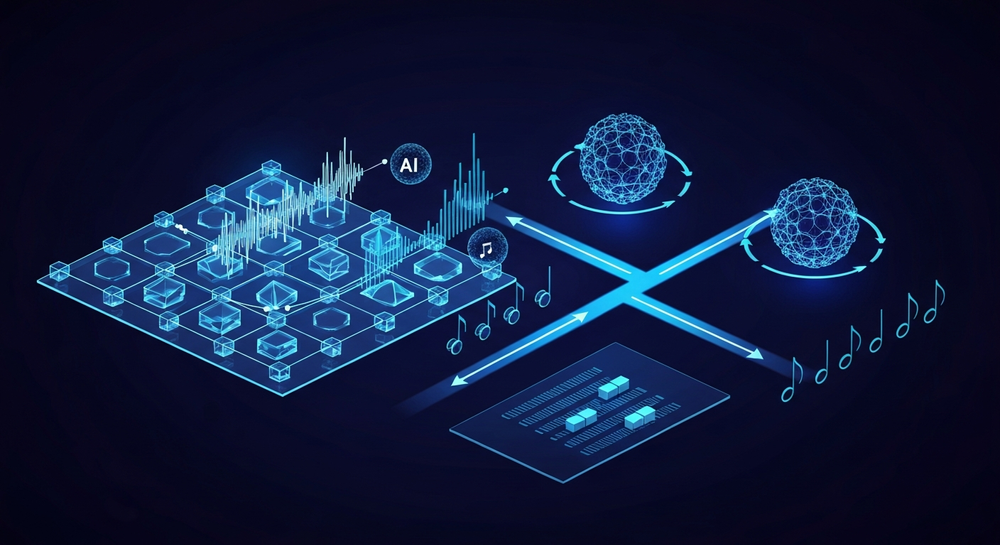
In practical terms, AI music licensing ensures that rights-holders, whether artists or producers, are compensated when their work contributes to AI training or when AI-generated results include identifiable influence from their catalog. This is especially relevant for creators uploading samples, stems, or tracks into AI systems that generate new compositions.
How have music rights evolved to include AI systems?
Historically, licensing depended on ownership and mechanical reproduction rights. By 2026, frameworks for music rights AI have expanded to include rights for both original compositions and algorithmic outputs. These frameworks determine how royalties are split between the human creator and the AI system’s operating entity.
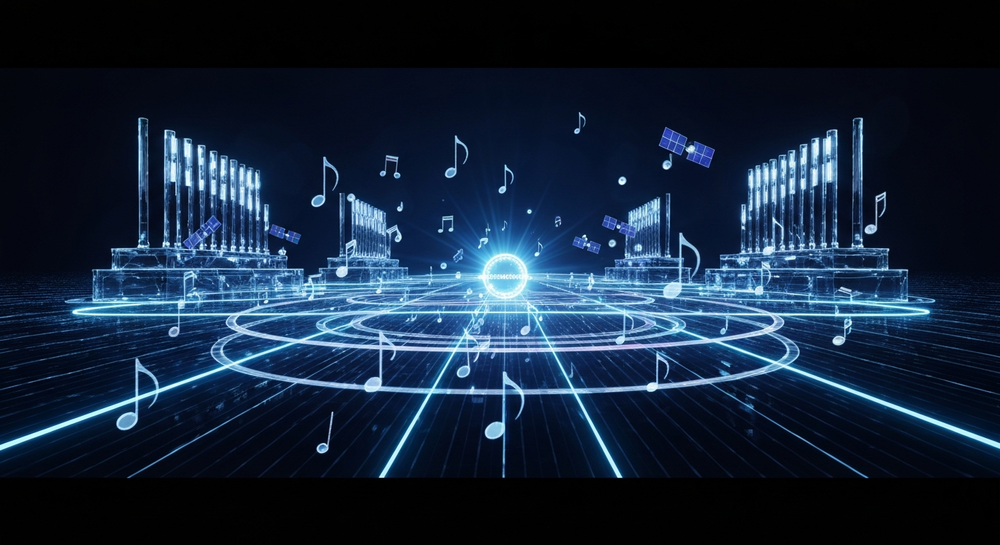
Organizations and platforms have adopted technological solutions that track AI contributions across production stages. For instance, platforms leveraging embedded attribution layers allow transparent monitoring of how datasets power AI models. The evolution has led to clearer contracts where rights are recorded automatically via blockchain or AI auditing systems.
For independent musicians, that transparency means more confidence when collaborating with AI. It eliminates the fear of losing ownership or credit—a major concern in 2024’s early adoption wave.
What types of licensing deals exist in AI music today?
AI licensing deals come in several forms:
- Dataset Contribution Licenses: Musicians contribute original audio so that AI systems can learn composition, tone, and rhythm. The rights-holders earn royalties based on usage frequency.
- Output-Based Licenses: When an AI generates a new track, users purchase a license for commercial use—such as in film, games, or online content.
- Collaborative Artist-AI Agreements: These hybrid contracts define shared ownership between artist and AI service, ensuring ethical co-authorship models.
- Creator Licensing Agreements: Independent creators grant temporary access to their catalog for AI-assisted remixing or interpolation.
By 2026, the most sustainable model focuses on recurring, usage-based royalties rather than one-time fees. This ensures creators benefit every time their contributions power new AI-generated music.
What challenges do creators face with AI copyright in 2026?
AI copyright remains complex because machines themselves cannot hold copyright. The human input—the musical data that AI models learn from—drives ownership claims. The challenge is distinguishing the scope of "influence" versus "direct sampling." AI can interpolate styles without copying exact melodies, which makes tracking rights manually almost impossible.
This is why intelligent attribution systems, like those integrated into platforms such as Soundverse, are reshaping modern copyright management. They create transparency via digital fingerprints that record every instance of usage, influence, and generation.
For a deeper dive into creative workflows, watch our Soundverse Tutorial Series - 9. How to Make Music or explore the Deep House music lesson from the Soundverse YouTube channel.
How to make your AI music licensing successful with Soundverse Content Partner Program
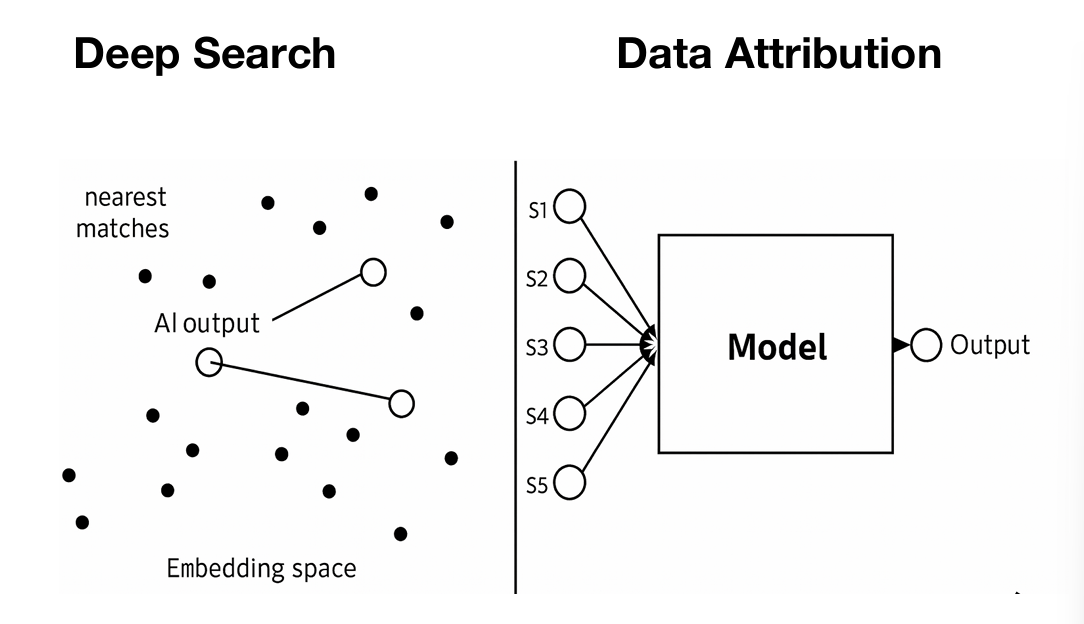
One of the most effective solutions for ethical and profitable AI music licensing in 2026 is the Soundverse Content Partner Program. It provides creators with an opt-in licensing framework that rewards participation rather than punishing AI adoption.
What it offers:
- Influence-Based Payouts (Pay per generation): Creators receive royalties every time AI generates music influenced by their uploaded audio.
- Tiered Licensing (Tiers 1–6): Creators select licensing tiers based on exclusivity and commercial usage level, allowing flexible monetization.
- Real-Time Dashboards for earnings: Though asynchronous, the dashboard provides updated analytics and transparency reports so creators can monitor every usage.
- Transparency reports: Detailed summaries show when, how, and where your content contributes to AI training or generation.
This program helps creators transform back catalogs into recurring income streams while maintaining ethical standards. It aligns perfectly with the larger Ethical AI Music Framework, Soundverse’s transparent six-stage pipeline that ensures consent and attribution at every level—from dataset integration to export.
For deeper insights on how Soundverse technology reshapes digital creation, you can explore related posts such as How AI-generated music is transforming the music industry, AI music in the USA, and Soundverse introduces stem separation AI magic tool.
Why should independent musicians opt in to creator licensing?
Participation in creator licensing frameworks ensures that your sonic identity remains protected while staying part of the AI-driven future. Instead of excluding your work from innovation, creator licensing allows you to benefit from it. When your sound influences a new generation, you get paid for each occurrence.
This economic model mirrors the streaming revolution but with one major improvement—transparent attribution. Every influence is logged, tracked, and compensated fairly. Tools like Soundverse Trace act as a trust layer, embedding permanent digital signatures in training datasets and outputs alike.
What technologies ensure ethical use of your creative rights?
Modern AI music infrastructure integrates several rights-protection technologies:
- Attribution Networks: Maintain traceability across AI generations.
- Blockchain-Linked Royalties: Automate payouts without intermediaries.
- Usage Dashboards: Provide insight into how your catalog powers learning cycles.
Soundverse combines these elements into a secure environment where creative data fuels AI innovation transparently.
By using AI ethically, artists can evolve their practice—much like how text-to-music generation and AI Magic Tools changed music production workflows in the past few years.
How are licensing deals changing the music industry’s technology landscape?
In 2026, the music industry is entering a stage defined by music industry technology convergence. AI models, creative licensing frameworks, and traceable metadata are now industry standards. The result is efficiency and moral balance.
Record labels and streaming platforms now integrate AI-generated tracks but with audit trails that prove ethical sourcing. Lower-tier licenses accommodate independent producers who want exposure, while higher tiers serve commercial entities seeking exclusivity.
The combination of AI copyright compliance and transparent deal structures means new opportunities for artists everywhere.
Pro tips for creators navigating AI music licensing
- Register your works with transparent AI frameworks to ensure long-term royalty protection.
- Opt into Content Partner Programs to monetize old tracks rather than let them remain unused.
- Stay updated on AI rights legislation. Worldwide standards continue evolving as governments recognize the unique nature of algorithmic influence.
- Collaborate with ethical AI brands such as Soundverse, which prioritize artist attribution.
For creators looking to experiment, explore the AI generation process through guides like How to Create Country Music with Soundverse AI and Generate AI Music with Soundverse Text-to-Music.
Start Licensing AI-Generated Music with Confidence
Unlock the potential of your AI music creations—Soundverse helps you generate, license, and distribute tracks legally and seamlessly. Protect your work and monetize it effortlessly.
Related Articles
- Copyright-Free vs Royalty-Free Music: What Creators Should Know: Explore the difference between copyright-free and royalty-free music so you can use AI tracks safely and confidently.
- Navigating the World of Royalty-Free and Copyright-Free Music Using Soundverse AI: Learn how Soundverse AI supports creators in producing and publishing music without legal complications.
- The Role of AI Music in Film and Television: Discover how AI-generated soundtracks are reshaping licensing and production in the entertainment industry.
- How AI-Generated Music Is Transforming the Music Industry: Dive into how artificial intelligence is redefining music production, ownership, and global licensing standards.
Here's how to make AI Music with Soundverse
Video Guide
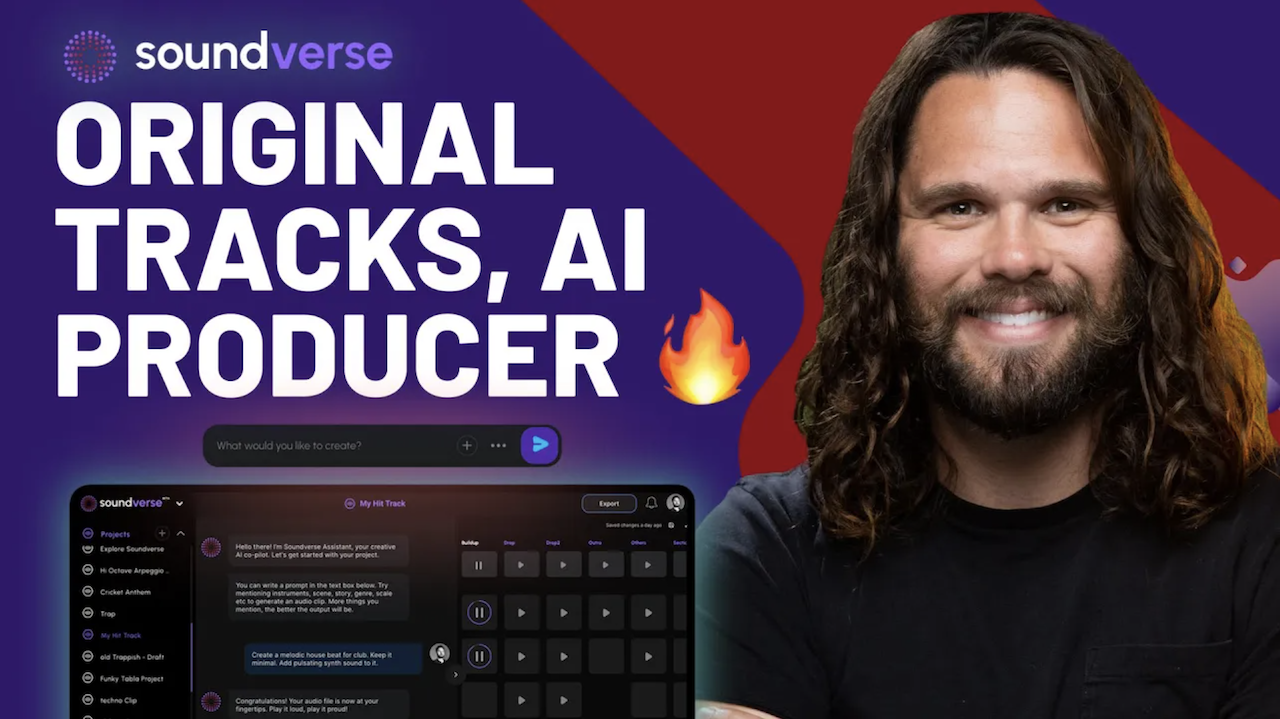
Here’s another long walkthrough of how to use Soundverse AI.
Text Guide
- To know more about AI Magic Tools, check here.
- To know more about Soundverse Assistant, check here.
- To know more about Arrangement Studio, check here.
Soundverse is an AI Assistant that allows content creators and music makers to create original content in a flash using Generative AI.
With the help of Soundverse Assistant and AI Magic Tools, our users get an unfair advantage over other creators to create audio and music content quickly, easily and cheaply.
Soundverse Assistant is your ultimate music companion. You simply speak to the assistant to get your stuff done. The more you speak to it, the more it starts understanding you and your goals.
AI Magic Tools help convert your creative dreams into tangible music and audio. Use AI Magic Tools such as text to music, stem separation, or lyrics generation to realise your content dreams faster.
Soundverse is here to take music production to the next level. We're not just a digital audio workstation (DAW) competing with Ableton or Logic, we're building a completely new paradigm of easy and conversational content creation.
TikTok: https://www.tiktok.com/@soundverse.ai Twitter: https://twitter.com/soundverse_ai Instagram: https://www.instagram.com/soundverse.ai LinkedIn: https://www.linkedin.com/company/soundverseai Youtube: https://www.youtube.com/@SoundverseAI Facebook: https://www.facebook.com/profile.php?id=100095674445607
Join Soundverse for Free and make Viral AI Music
We are constantly building more product experiences. Keep checking our Blog to stay updated about them!