AI Music for Game Developers: Complete Guide (2026 Edition)
Learn how game developers can use AI-generated music and procedural audio to create adaptive soundtracks in 2026.
AI Music for Game Developers: Complete Guide
In 2026, the boundary between creativity and technology in game development has all but disappeared. Artificial intelligence has become an integral part of audio production, empowering developers to integrate dynamic, emotion-aware soundtracks directly into gameplay experiences. In this comprehensive guide, we’ll explore how AI music for game developers is shaping sound design, powering adaptive scores, and streamlining workflows for both indie creators and large studios.
Why is AI Music So Important for Game Developers in 2026?
The gaming industry has evolved from pre-rendered soundtracks to interactive, adaptive music systems that react in real time to player behavior. In 2026, players expect worlds that feel alive—where the music seamlessly shifts as tension builds, exploration deepens, or a boss fight begins. Traditional scoring workflows can be time-consuming and expensive, but AI-generated game music brings cinematic quality and interactivity within reach for all scales of production.
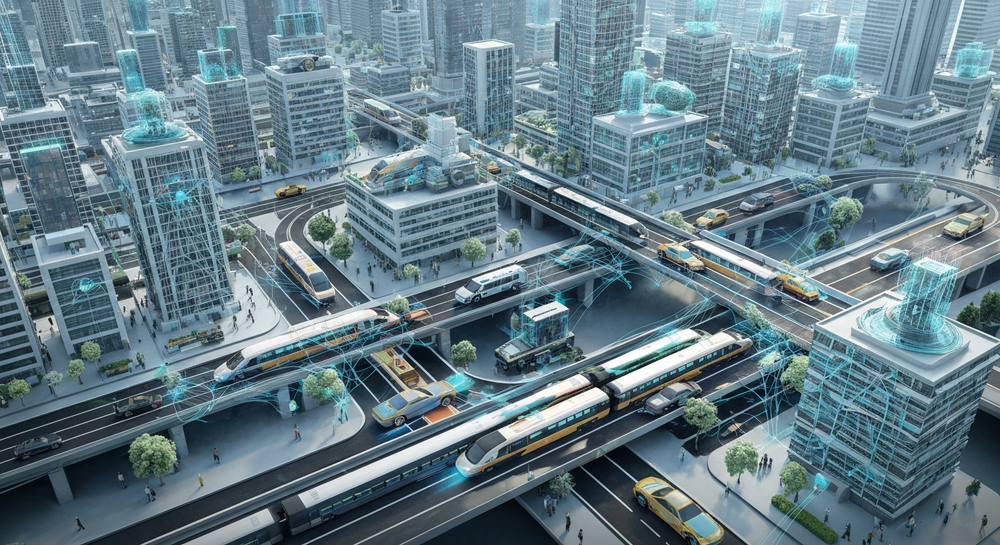
By leveraging AI, developers can:
- Save time and costs associated with traditional scoring.
- Generate background loops tailored to each environment.
- Implement procedural audio that evolves with gameplay.
- Ensure consistency across game levels with varying moods and tempos.
Games like No Man’s Sky and Hades in the early 2020s pioneered dynamic audio systems. Now, with generative models trained on vast music datasets, interactive music can be composed on-demand based on text prompts, player state, or even world simulation data.
How Does AI-Generated Music Fit into Game Soundtracks?
Game soundtrack design is transitioning from static tracks to real-time adaptive composition. Developers can use game soundtrack AI tools to produce unique layers, transitions, and motifs that respond to in-game triggers. This model eliminates rigid loops and introduces soundscapes that ‘breathe’ with the player.
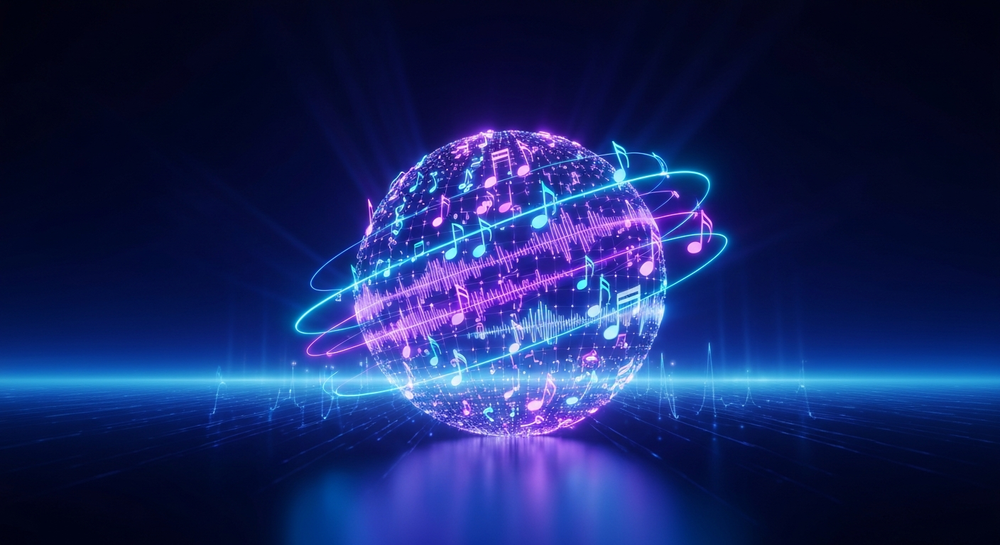
For example:
- Exploration Mode: Ambient procedural music underscores open-world immersion.
- Combat Mode: Fast-paced rhythmic layers automatically engage.
- Victory Screen: A short adaptive melody plays, composed and looped seamlessly.
With AI music for game developers, creators can design these transitions without hiring an entire music department. Whether your game is pixel art nostalgia or an ultra-realistic RPG, the AI’s stylistic diversity lets you align tone and emotion with precision.
For a deeper dive into workflow integration, watch our Soundverse Tutorial Series - 9. How to Make Music.
What Makes Adaptive and Procedural Audio Essential in 2026?
In 2026, adaptive sound design is central to immersive gameplay. Procedural audio is generated in real time based on game parameters—physics, weather, player interactions, or AI-driven world simulations. Combined with AI composition models, this ensures no soundtrack ever fully repeats.
Imagine a stealth level where footsteps alter rhythmically as tension rises. Or a driving sim where terrain, speed, and weather dynamically influence melody. These scenarios demonstrate how AI and procedural systems converge to create depth and emotion.
Moreover, AI-generated game music eliminates the bottleneck of asset fatigue. Rather than repeating a single 60-second loop, developers can generate evolving variations—maximizing replayability while keeping file sizes manageable.
Challenges Facing Game Developers Using AI Music
While the potential is exciting, there are production and ethical considerations:
- Creative Intent: AI must align with the game’s vision. It can’t replace human direction but rather supports it.
- Rights and Attribution: Tools like Soundverse Trace now ensure transparency and proper dataset attribution.
- Integration Complexity: Developers must sync generated stems with game engines like Unity or Unreal using middleware such as FMOD or Wwise.
- Testing for Immersion: Procedural and adaptive systems require extensive playtesting to maintain musical cohesion.
When integrated thoughtfully, AI elevates a game from sounding merely functional to emotionally resonant.
How to Make AI Music for Game Developers with Soundverse AI Music Generator
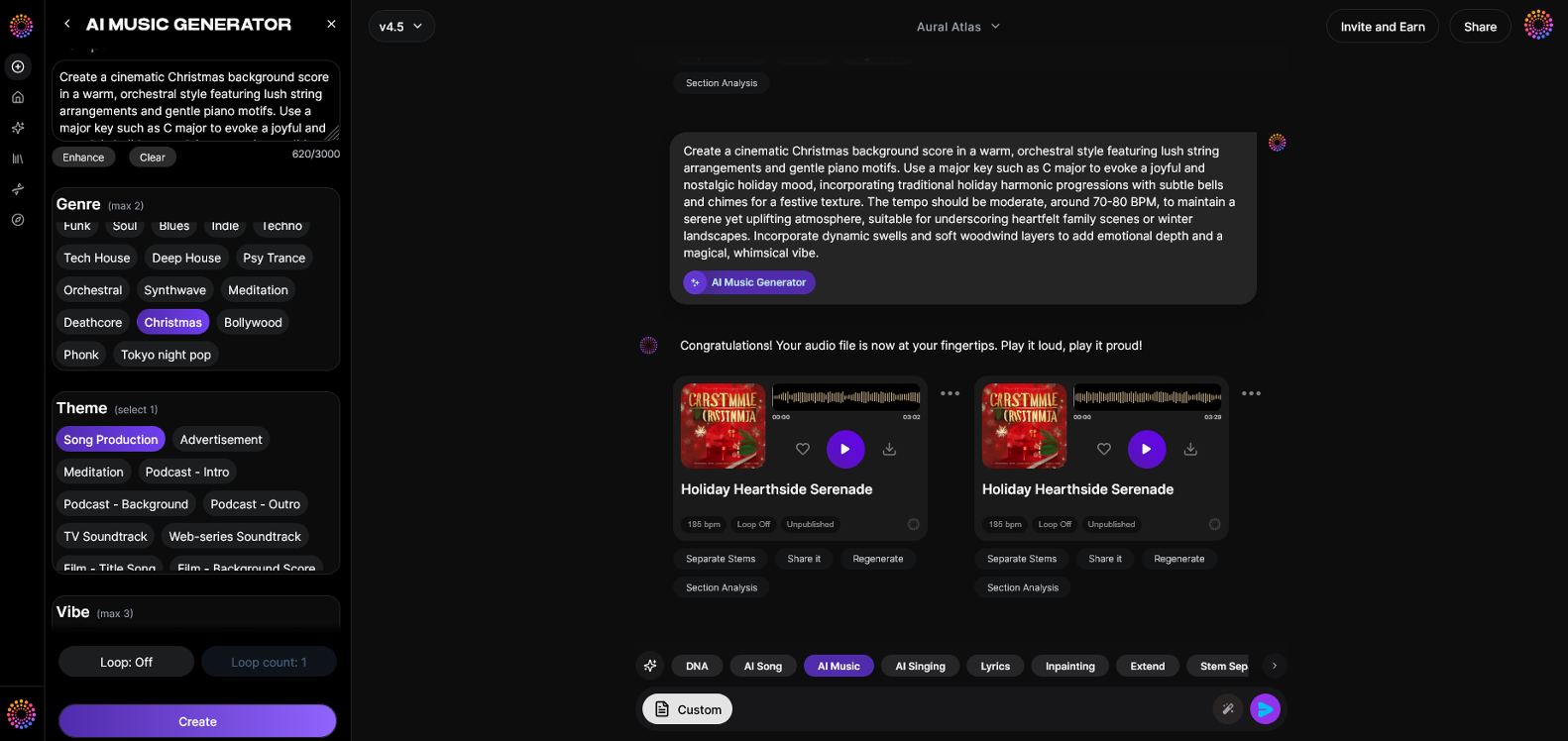
The Soundverse AI Music Generator empowers game teams to create fully produced instrumental music from simple text prompts. Specialized for background tracks, beats, and soundscapes, it’s ideal for immersive gameplay and looping atmospheres.
Key capabilities include:
- Text-to-Music Conversion: Turn short descriptions like “cyberpunk stealth chase” into complete instrumental compositions.
- Loop Mode: Generate perfectly seamless loops for background scores.
- Detailed Controls: Set genre, mood, tempo, and instruments to match your level design.
- V4 and V5 Models: Choose between AI models tuned for cinematic or game-centric production depth.
Soundverse’s application goes beyond just game music. Its ecosystem also supports:
- Extend Music: For lengthening ambient cues or end credits themes.
- Similar Music Generator: To produce variations matching a reference track or mood cue.
- Soundverse Trace: Ensuring attribution integrity and dataset transparency.
Below is the step-by-step process to generate custom adaptive tracks using Soundverse.
Step 1: Feature Overview
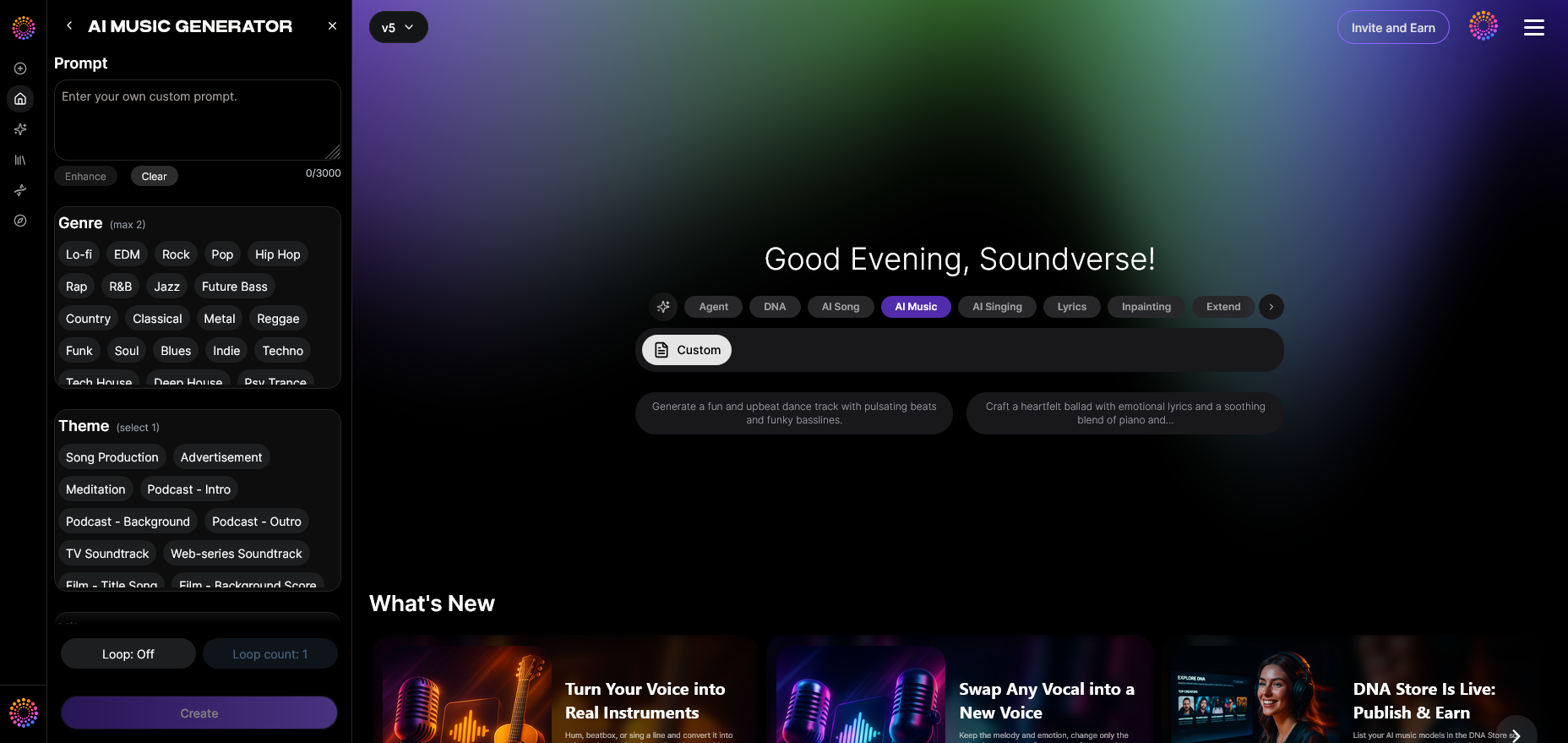
From the Soundverse main menu, access the AI Music Generator feature. This section lets you quickly start a session focused on instrumental generation, optimized for background or interactive game scoring.
Step 2: Description Input
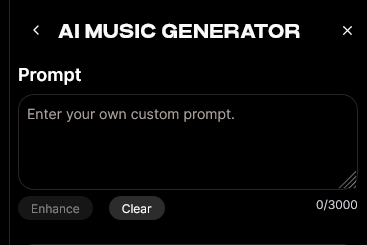
Enter a text description of the desired game music. Be specific—include tone, purpose, and desired emotion. For example: “mystical forest exploration theme with subtle percussion and evolving synth pads.” This helps Soundverse interpret context accurately.
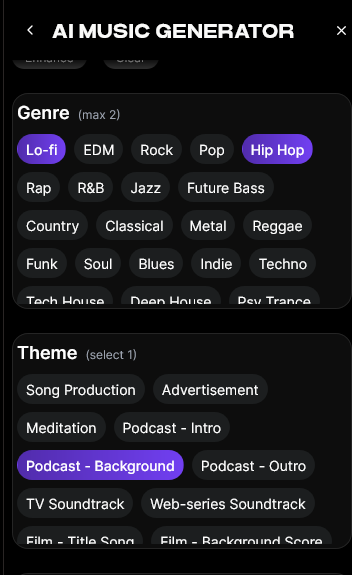
Step 3: Style & Duration
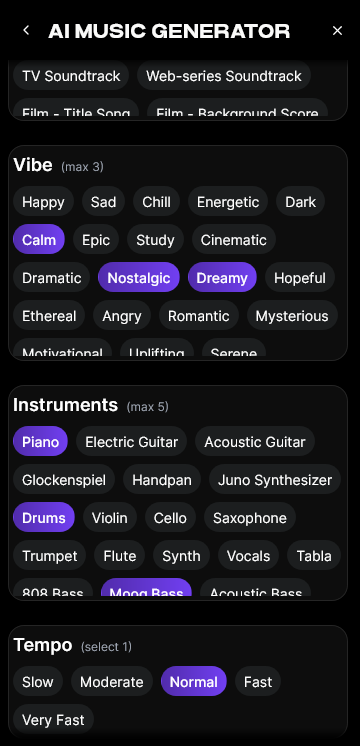
Select your preferred genre, instruments, and track duration. This control is key for interactive loops—choose shorter formats for background ambience or longer compositions for cinematic sequences.
Step 4: Generation
Click Generate to process your prompt. The AI asynchronously creates the composition using your inputs. Within minutes, Soundverse delivers a polished instrumental suited for game integration. The asynchronous workflow ensures the highest quality rendering without real-time constraints.
For beginners, see the Soundverse Tutorial Series - 8. "Explore" Tab for an overview of generating and browsing AI tracks.
Step 5: Export Options

After creation, choose from multiple export formats. Loop mode ensures seamless edges, allowing you to embed it directly into your engine’s audio editor. You can also export stems for adaptive layering in middleware tools.
Pro Tips for Game Developers Using AI Music
- Blend AI + Manual Editing: Refine AI-generated loops with EQ or spatial adjustments to match environmental acoustics.
- Leverage Variations: Re-run prompts with slight modifications to create contextual shifts between levels.
- Integrate Early: Include procedural audio logic in development from the start. Early integration allows smoother trigger-based transitions.
- Stay Informed: Follow AI music industry trends to track evolving capabilities and standards.
- Use Reference Tracks: With Similar Music Generator, generate asset packs consistent with art direction.
By adopting these methods, even small studios can achieve AAA-level sound immersion.
Future Trends: Where is AI Music for Game Developers Heading?
As AI models mature, expect deeper integration with emotion recognition, player telemetry, and generative world-building. Soundtracks in 2026 are beginning to adapt based not just on location or gameplay mode, but also player performance or narrative pacing.
Emerging directions include:
- Emotion-Aware Scoring: Music intensity evolving with player stress or heart rate sensors.
- Collaborative AI Co-Composers: Systems like Soundverse’s upcoming iteration may help producers fine-tune harmony structures interactively.
- Streaming-Based Personalization: Cloud engines composing music dynamically for every unique player session.
For more insights, explore how AI-generated music is transforming the music industry and AI Magic Tools for rapid content creation.
Supercharge Your Game with AI-Generated Music
Create immersive soundtracks instantly using Soundverse’s advanced AI music generator. Save time, cut licensing costs, and keep your game's audio dynamic and unique.
Related Articles
- The Role of AI Music in Film and Television: Discover how AI-generated music is transforming production workflows in visual media and how similar principles apply to game development.
- How AI-Generated Music is Transforming the Music Industry: Explore the major shifts AI technology is bringing to music creation and how developers can benefit from these innovations.
- Soundverse AI Revolutionizing Music Creation for New-Age Content Creators: Learn how Soundverse is helping creators produce professional-quality tracks in minutes, perfect for modern digital projects.
- Generate AI Music with Soundverse Text-to-Music: Turn your creative prompts into full-length game soundtracks effortlessly with Soundverse’s text-to-music feature.
Here's how to make AI Music with Soundverse
Video Guide
Here’s another long walkthrough of how to use Soundverse AI.
Text Guide
- To know more about AI Magic Tools, check here.
- To know more about Soundverse Assistant, check here.
- To know more about Arrangement Studio, check here.
Soundverse is an AI Assistant that allows content creators and music makers to create original content in a flash using Generative AI.
With the help of Soundverse Assistant and AI Magic Tools, our users get an unfair advantage over other creators to create audio and music content quickly, easily and cheaply.
Soundverse Assistant is your ultimate music companion. You simply speak to the assistant to get your stuff done. The more you speak to it, the more it starts understanding you and your goals.
AI Magic Tools help convert your creative dreams into tangible music and audio. Use AI Magic Tools such as text to music, stem separation, or lyrics generation to realise your content dreams faster.
Soundverse is here to take music production to the next level. We're not just a digital audio workstation (DAW) competing with Ableton or Logic, we're building a completely new paradigm of easy and conversational content creation.
TikTok: https://www.tiktok.com/@soundverse.ai Twitter: https://twitter.com/soundverse_ai Instagram: https://www.instagram.com/soundverse.ai LinkedIn: https://www.linkedin.com/company/soundverseai Youtube: https://www.youtube.com/@SoundverseAI Facebook: https://www.facebook.com/profile.php?id=100095674445607
Join Soundverse for Free and make Viral AI Music

We are constantly building more product experiences. Keep checking our Blog to stay updated about them!