The Future of AI Musicians: How Technology is Redefining Creativity
Explore how AI and Soundverse DNA are reshaping music creativity in 2026.
The Future of AI Musicians: How Technology is Redefining Creativity
In 2026, the concept of musicianship is evolving faster than ever. Artificial intelligence is no longer confined to generative art experiments — it has stepped onto the stage as a fully fledged creative partner. From virtual artists to machine learning composers, the future of AI musicians is filled with promise, ethical innovation, and a new creative renaissance where human imagination and algorithms collaborate seamlessly.
What defines the future of AI musicians in 2026?
The future of AI musicians is characterized by increased collaboration between technology and creativity. Instead of replacing artists, AI now enhances human expression by understanding musical context, cultural nuance, and emotional depth. AI models can generate original tracks, harmonize vocals, or compose entirely new genres that would be impossible to achieve through manual processes alone.
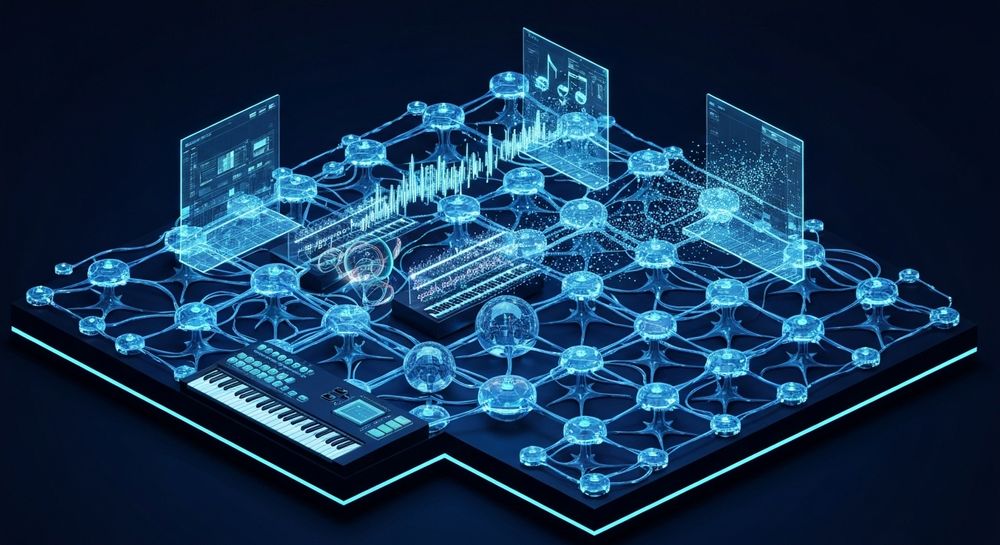
One of the most intriguing aspects of this evolution is the rise of virtual artists — digital entities with unique personalities and discographies. Back in 2024 and 2025, early AI musicians were often criticized for unoriginality or uncanny imitations. But by 2026, technological progress in AI music creation has transformed these entities into genuine creative forces. They are capable of self-developing sound signatures, adaptive performance styles, and even audience-driven evolution based on feedback and social trends.
This trend aligns with broader industry movements discussed in music industry trends. AI has become a major tool in film scoring, brand identity, and content creation, enabling creators to maintain consistency in sound across different mediums.
How are virtual artists changing the music landscape?
Virtual artists redefine what it means to be a performer. These digital performers combine machine learning, audience data, and storytelling to create immersive entertainment experiences. Some of them have social media personas, live-streamed concerts, and interactive fan collaborations — bringing fans directly into the creative process.
The modern music industry now sees a continuum: traditional artists, hybrid human-AI creators, and entirely digital performers co-existing. This integration enhances production speed, global accessibility, and artistic diversity. According to Will AI-Powered Live Shows Exist by 2026?, full AI musicals powered by tools like Soundverse and Suno are becoming feasible. Similarly, AI Acts at 2026 Festivals show hybrid shows where algorithms complement human performers, and platforms like YouTube host AI concerts merging nostalgia with innovation.
In 2026, fans no longer ask whether music is human-made; they evaluate how emotionally engaging it feels. AI systems can now detect sentiment, tonal behavior, and harmonic progression preferences to match user expectations. Technology is redefining artificial intelligence in music as a collaborator rather than a competitor.
How does AI redefine creativity for composers and producers?
For producers and composers, AI acts as a precision-enhanced tool. Machine learning algorithms dissect thousands of licensed tracks to understand rhythm patterns, chord transitions, and arrangement dynamics. This leads to machine learning composers capable of mimicking taste, context, and cultural sensitivity.
Today’s AI breeds a new category of adaptive creativity. Unlike fixed preset generators, modern systems allow personalization at every stage — from lyrical mood to instrumental layering. Platforms like Soundverse offer this through ethically trained models and consent-based data sourcing, solving ongoing issues of copyright and authenticity.
If you’re looking for similar creative tools to compare, review platforms like Soundraw, Mubert, and Udio. Yet, ethical innovation remains a challenge across many generative systems. That’s where Soundverse’s infrastructure provides a transparent model that protects artist rights while accelerating creativity. For a deeper dive, watch our guide on creating Deep House music and tutorial on how to make music with Soundverse.
How ethical AI frameworks ensure sustainability in music creation
One of the most important aspects of the modern AI music revolution is accountability. As musicians grow concerned about unauthorized dataset usage, frameworks such as The Ethical AI Music Framework create safeguards for creators. This infrastructure prioritizes consent, attribution, and royalties — transforming the way artists perceive AI.
Instead of opaque data collection, this approach ensures licensed participation via programs like the Content Partner Program, where artists can contribute audio stems and earn recurring income from AI training usage. Furthermore, Soundverse Trace embeds attribution across every stage to maintain transparency and traceability.
You can learn more about the ethical side of AI music generation from related industry insights like how AI-generated music is transforming the music industry and the role of AI music in film and television.
How to make the future of AI musicians a reality with Soundverse DNA
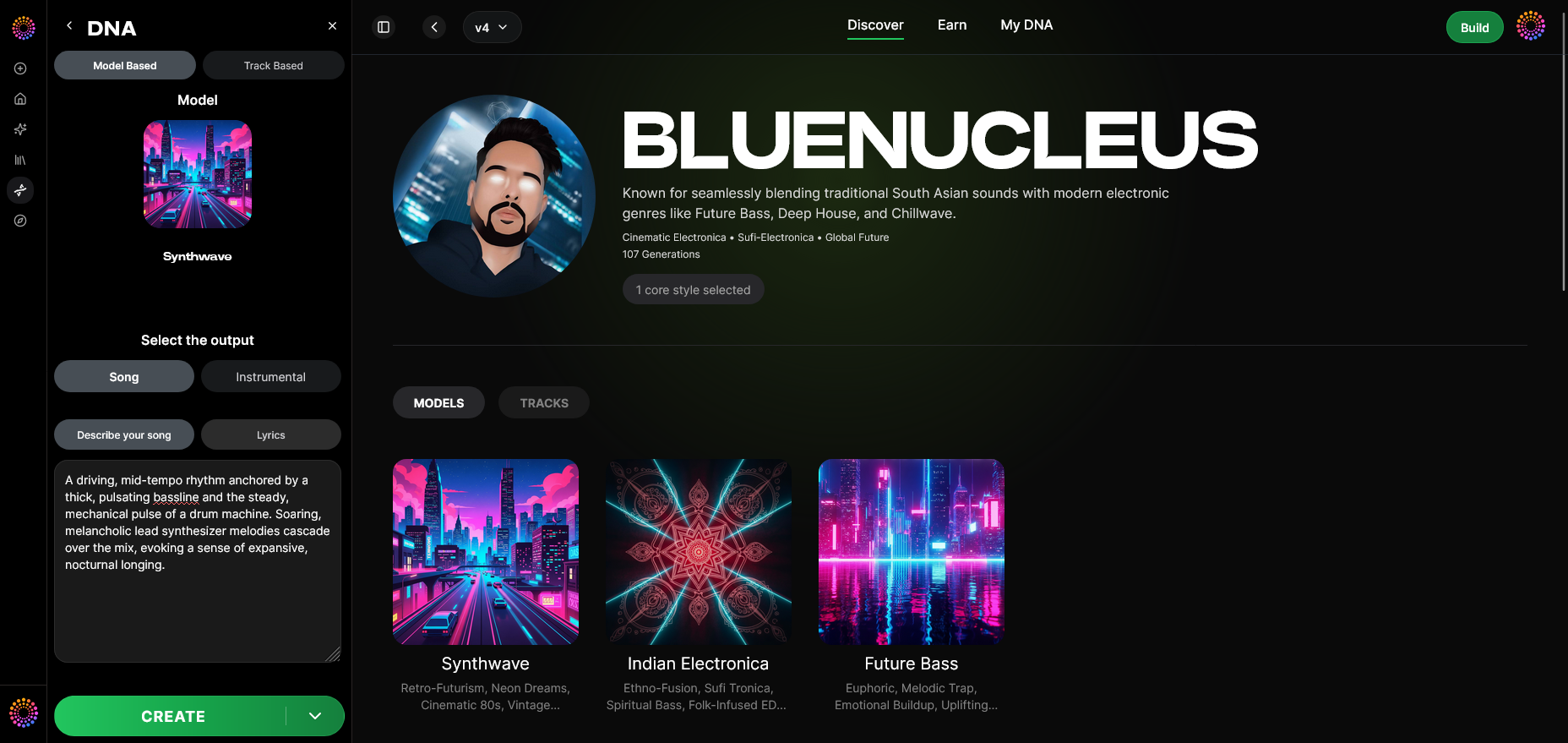
Now that you understand the technological and ethical foundations shaping AI musicians, here’s how to create and monetize your sonic identity using Soundverse DNA.
Soundverse DNA is an artist-trained AI music generation system designed to capture specific sonic identities. Unlike generic models, it operates exclusively with licensed catalogs, ensuring artists maintain full ownership while users gain access to copyright-safe music creation.
Core Capabilities of Soundverse DNA
- Full DNA (Songs/Instrumentals): Enables artists or fans to generate new compositions consistent with an artist’s musical identity.
- Voice DNA (Vocal Timbre & Style): Allows reproduction of an artist’s vocal style ethically, facilitating remix collaborations or creative reinterpretations.
- DNA Marketplace: Creators can license their DNA styles directly to fans, opening a monetization path for shared creativity.
- Sensitivity Selector: Refines the generated sound based on the specific era or evolution of an artist’s catalog.
- Private Mode: Enables secure, private co-creation — perfect for unreleased projects and confidential brand compositions.
Soundverse DNA Use Cases
- Artist Monetization: Artists earn royalties whenever their DNA model is used. This makes AI collaboration financially sustainable.
- Sonic Branding: Brands can use AI to maintain consistent sound identities across ads, games, and experiences.
- Film/Game Scoring: Producers can instantly generate music that matches an artist’s tone for storytelling precision.
- Personal Workflow: Musicians accelerate their production process without compromising creativity.
Soundverse DNA aligns perfectly with the ethical music model described earlier, powered by the Ethical AI Music Framework and Soundverse Trace. Together, these ensure consent, attribution, and transparency throughout every creation.
To explore creative workflows, you can also check guides such as generate AI music with Soundverse text-to-music or tutorials like how to create rap music with AI and how to create jazz music with Soundverse AI. For interface guidance, explore our “Explore” tab walkthrough on YouTube.
Where creativity meets technology
The convergence of artistry and machine learning is forming a new cultural vocabulary. Instead of fearing AI, artists in 2026 are embracing it as a partner. The future of AI musicians is not about artificial imitation but authentic collaboration. From data transparency to monetization ethics, platforms like Soundverse exemplify how technology can expand the boundaries of creativity.
For music industry professionals, tech innovators, and creative artists, the path forward lies in understanding AI not as automation but augmentation. The result is a new artistic ecosystem — global, permission-based, and infinitely creative. As the next digital decade unfolds, one truth remains clear: the musician’s soul endures, even as their tools evolve. AI may play the melody, but the human story continues to give it meaning.
Start Creating Music with the Power of AI Today
Transform your musical ideas into fully produced tracks in minutes using Soundverse. Unlock limitless creativity with intelligent composition tools built for modern creators.
- How AI-Generated Music Is Transforming the Music Industry — Discover how artificial intelligence is revolutionizing music production, composition, and distribution worldwide.
- AI Music Generator and Human Composers: A Future Together — Explore the evolving partnership between AI tools and human artists shaping the next era of musical creativity.
- The Role of AI Music in Film and Television — Learn how AI-generated soundtracks are redefining how movies and TV shows are scored and produced.
- How an AI Music Generator Inspires Creative Fusion — See how AI-driven music generation sparks collaboration and fresh ideas across genres and mediums.
Here's how to make AI Music with Soundverse
Video Guide
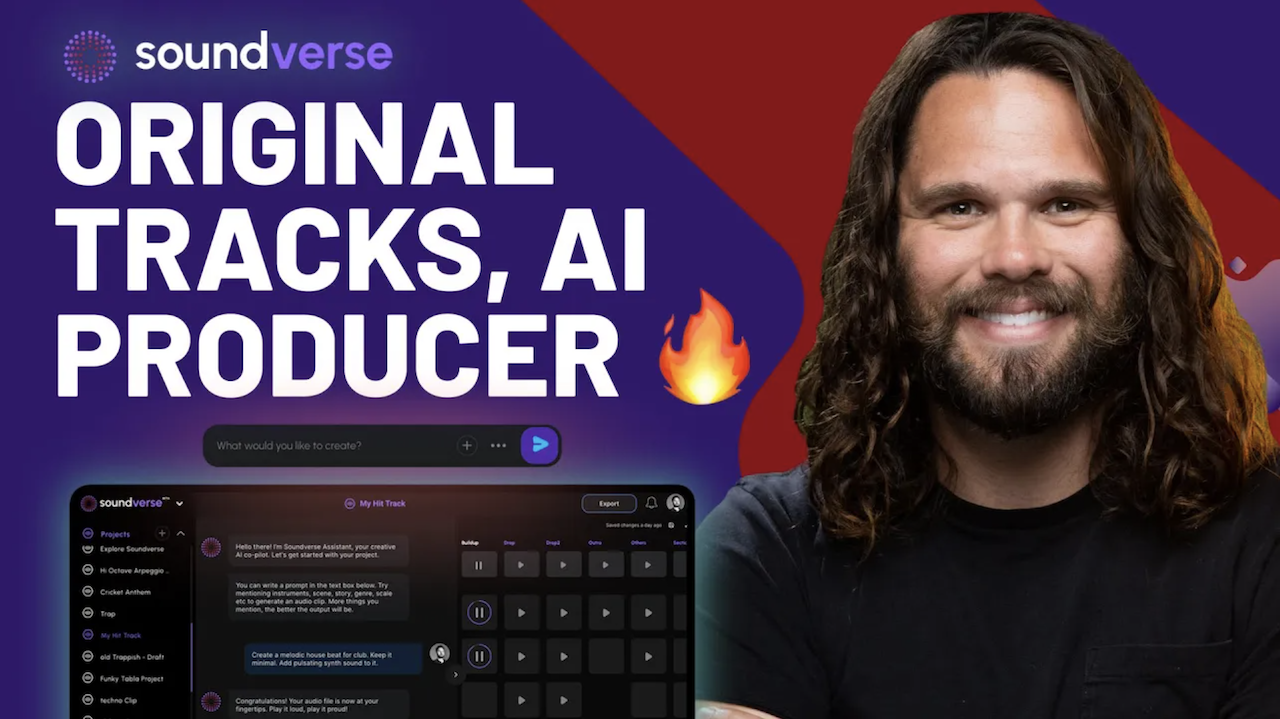
Here’s another long walkthrough of how to use Soundverse AI.
Text Guide
- To know more about AI Magic Tools, check here.
- To know more about Soundverse Assistant, check here.
- To know more about Arrangement Studio, check here.
Soundverse is an AI Assistant that allows content creators and music makers to create original content in a flash using Generative AI. With the help of Soundverse Assistant and AI Magic Tools, our users get an unfair advantage over other creators to create audio and music content quickly, easily and cheaply. Soundverse Assistant is your ultimate music companion. You simply speak to the assistant to get your stuff done. The more you speak to it, the more it starts understanding you and your goals. AI Magic Tools help convert your creative dreams into tangible music and audio. Use AI Magic Tools such as text to music, stem separation, or lyrics generation to realise your content dreams faster. Soundverse is here to take music production to the next level. We're not just a digital audio workstation (DAW) competing with Ableton or Logic, we're building a completely new paradigm of easy and conversational content creation.
TikTok: https://www.tiktok.com/@soundverse.ai
Twitter: https://twitter.com/soundverse_ai
Instagram: https://www.instagram.com/soundverse.ai
LinkedIn: https://www.linkedin.com/company/soundverseai
Youtube: https://www.youtube.com/@SoundverseAI
Facebook: https://www.facebook.com/profile.php?id=100095674445607
Join Soundverse for Free and make Viral AI Music

We are constantly building more product experiences. Keep checking our Blog to stay updated about them!