Soundverse DNA: Building AI Music Models That Reflect Cultural Identity
Explore how Soundverse DNA blends AI music modeling with cultural identity for 2026.
Soundverse DNA: Building AI Music Models That Reflect Cultural Identity
Artificial intelligence is no longer just a supporting tool in the music world—it’s the creative partner of a new age. As we progress through 2026, the conversation about AI music modeling has shifted from simple sound generation to a deeper question of cultural representation. When music is generated by algorithms, how do we ensure it reflects authentic regional sounds, traditions, and emotional depth? This question lies at the heart of Soundverse’s newest technology: Soundverse DNA.
Why does cultural identity matter in AI music modeling?
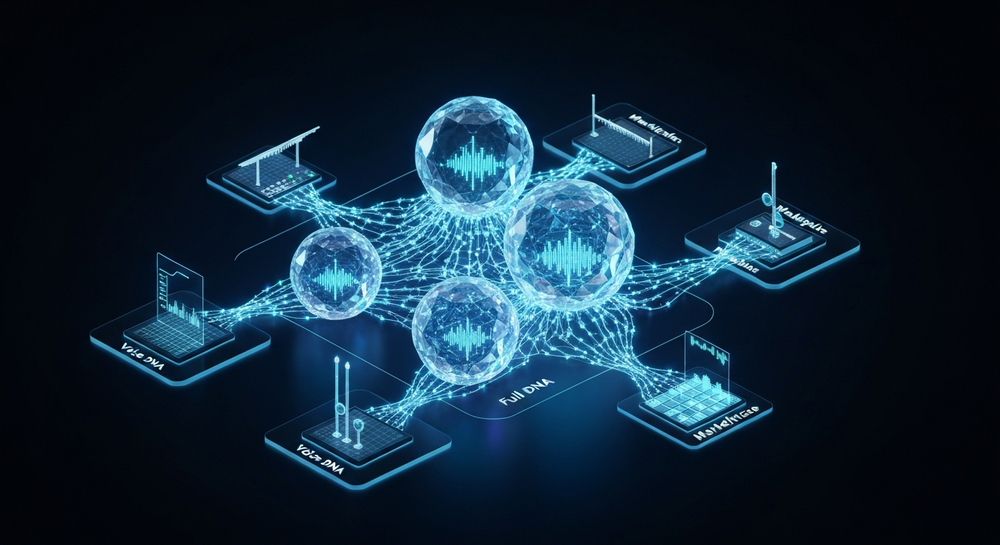
Music has always been a reflection of identity—a record of how people define themselves across geography, language, and heritage. But until recently, machine learning systems trained on massive, uncurated data sets often blended multiple musical traditions into a generic sound. These models, while impressive, risked erasing local nuance.
2026 has become the year when cultural identity in music AI takes center stage. Rather than prioritizing volume of data, the trend now emphasizes curation and ethical sourcing. As more creators, researchers, and sound engineers turn toward ethnomusicology and AI, the goal is no longer to automate creativity but to encapsulate regional identity faithfully within algorithmic generation frameworks.
The challenge? Ensuring AI systems respect the cultural boundaries that define a sound—whether it’s the rhythmic swing of Afrobeat, the microtonal melodies of Middle Eastern maqam, or the storytelling cadences of Appalachian folk.
How does AI interpret regional and cultural nuance in music?
Every region carries a unique musical DNA. Traditional instruments, rhythmic cycles, tuning systems, and storytelling forms create patterns that are both mathematical and emotional. Machine learning interprets these patterns as data features, yet the context behind them—the cultural purpose—is not inherently obvious.
When working on regional AI music modeling, developers face several key considerations:
- Dataset Authenticity – Training models on genuine, licensed local recordings ensures that stylistic signatures aren’t misrepresented.
- Cultural Consent – Communities and artists must retain oversight over how their sonic traditions are replicated or transformed.
- Interpretive Balance – The system should preserve artistic integrity without “freezing” a culture in time; evolution and fusion must remain possible.
Projects that emphasize machine learning in music creation now aim to capture not just the sound but also the sociocultural context: why a rhythm evokes movement or why a tonal structure carries emotional weight.
What makes 2026 a watershed year for cultural AI music?
The industry’s focus since 2025 has shifted from AI efficiency to AI ethics. Public scrutiny around dataset transparency and artist consent has reshaped how startups and research labs approach training models. The rise of traceable, rights-respecting frameworks, such as Soundverse’s Ethical AI Music Framework, marks a new ethical standard for data-driven creativity.
This year, leading music technologists emphasize:
- Localized Learning Pipelines: Models are trained on smaller, targeted datasets representing specific regions or instruments.
- Collaborative Attribution Systems: Artists whose work informs AI training receive measurable contributions and royalties.
- Cross-Cultural Modeling: Dual or multiregional models allow exploration of fusion while maintaining attribution clarity.
In short, 2026 is the year of AI integrity—where models not only sound authentic but act ethically. For more insights on how Soundverse integrates these methodologies, explore How Soundverse DNA is Powering the 2026 Audio Economy.
How Soundverse DNA preserves artistic identity through AI
What is Soundverse DNA?
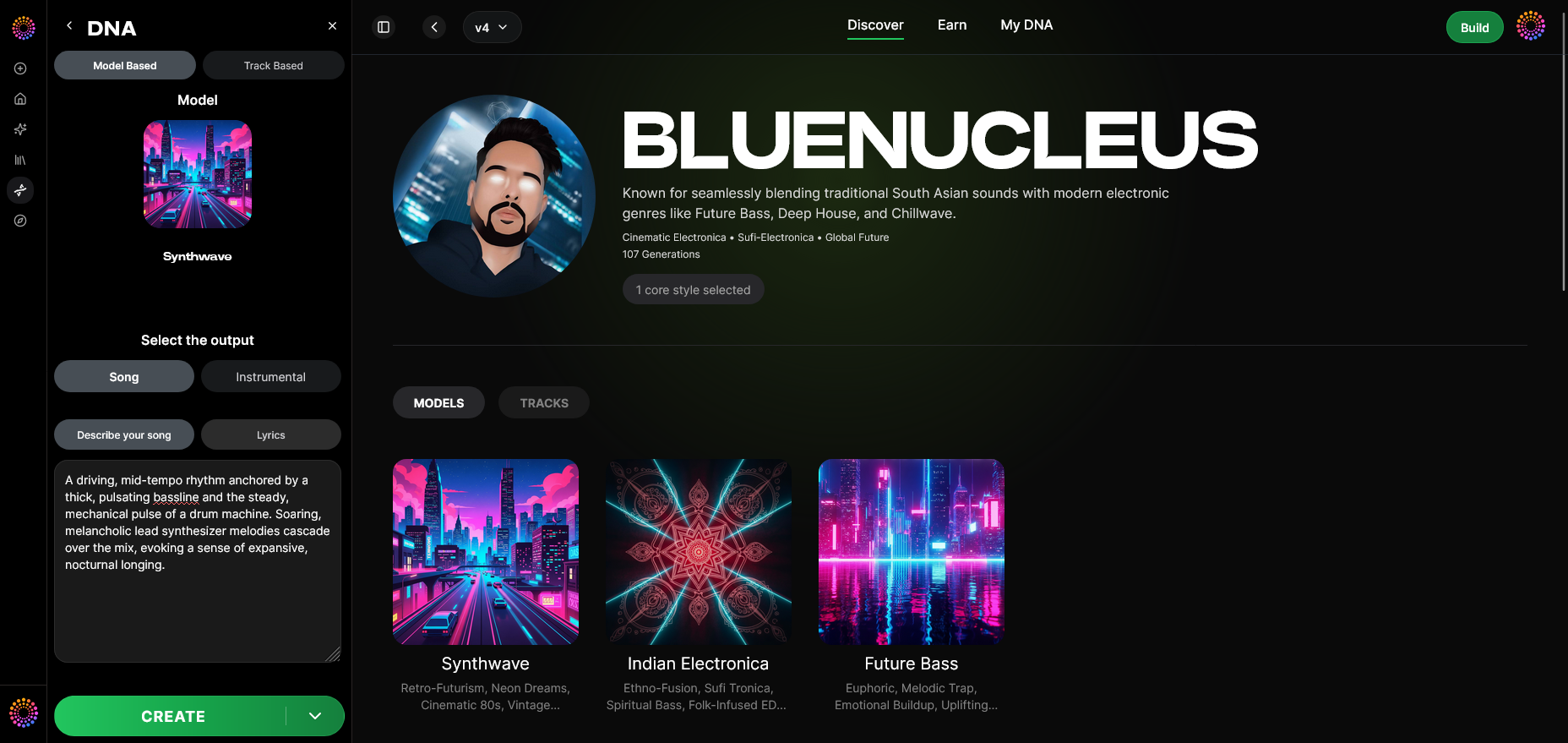
Soundverse DNA is a core component of the Soundverse ecosystem, designed to let artists and producers generate fully original, copyright-safe music rooted in specific creative identities. Unlike generalized AI music generators, Soundverse DNA works with artist-trained data, ensuring that each output is both authentic and licensed.
The system’s breakthrough lies in how it captures what Soundverse calls a sonic identity. Artists can upload songs or vocal recordings to train an AI model reflecting their unique sound—melodic tendencies, rhythmic feel, and vocal texture—without giving up ownership.
Core capabilities of Soundverse DNA
- Full DNA (Songs/Instrumentals): Capture the entire stylistic fingerprint of an artist or band for complete compositions.
- Voice DNA: Train models on vocal timbre and phrasing for AI-sung performances.
- DNA Marketplace: Artists can license their DNA models to fans and creators, earning royalties ethically.
- Sensitivity Selector: Lets creators cluster catalogs into creative eras or stylistic moods.
- Private Mode: Secure co-creation environment that keeps works confidential until shared.
These capabilities directly address the longstanding imbalance between artist contribution and AI utility. With DNA, human creativity doesn’t feed opaque systems—it defines them. Learn more and build your own artist identity through AI Music Powered by Artists - Soundverse DNA.
For those interested in how this builds upon earlier tools, read more on how AI-generated music is transforming the music industry and Soundverse’s stem separation AI Magic Tool. You can also explore the tutorial on how to make music and watch our guide on creating Deep House music for practical Soundverse usage examples.
How does Soundverse DNA enhance ethics in AI music modeling?
The backbone of Soundverse’s system is its integration with the Ethical AI Music Framework—a transparent, six-stage pipeline that ensures consent, attribution, and recurring revenue for all contributors. When a user generates a piece using another artist’s DNA model, that artist receives compensation automatically.
Meanwhile, Soundverse Trace embeds rights metadata directly into audio files, ensuring that every exported track retains its lineage and attribution. This transparency assures that regional voices aren’t lost in mass AI aggregation. As explained in How to Make AI Music Less Generic in 2026: Elevate Creativity with Soundverse DNA, this feature is core to making AI creativity more honest and traceable.
The Content Partner Program further invites local labels and archives to contribute material responsibly, preserving traditions through licensed replication rather than data scraping.
What role does ethnomusicology play in shaping future AI models?
Ethnomusicology and AI have converged significantly by 2026. Scholars now collaborate with engineers to define frameworks for fair cultural representation. AI isn’t just translating patterns into numbers; it’s participating in digital preservation.
Through collaborative projects, researchers can encode the emotive, social, and ritual dimensions that make regional music unique. For instance, collaborations across African, South American, and Southeast Asian research institutions now train AI models sensitive to community rhythm patterns and indigenous harmony logic—achieving nuanced regional AI music outputs that feel local, not synthetic.
Soundverse DNA provides a bridge between pure research and production, allowing ethnomusicological principles to directly influence generation models used by filmmakers, advertisers, and artists. Explore related use cases in AI Music for Digital Storytelling.
How can creators benefit from AI models grounded in cultural identity?
Creators adopting culturally aware AI systems gain several benefits:
- Authenticity: Outputs resonate with genuine regional styles instead of generic “AI pop.”
- Monetization: Licensing through the DNA Marketplace empowers artists to profit from their sound signatures.
- Scalability: AI-generated compositions can fit commercial use cases—film, gaming, advertising—without losing identity.
- Preservation: Historic sound structures can be revitalized and incorporated into modern genres easily.
A creator developing a film score, for example, can use Soundverse DNA to infuse authentic Nordic motifs or Synthwave-era patterns without sourcing unlicensed libraries. For deeper creative strategies, discover how AI-fueled sound generation tools streamline content creation and how Soundverse redefines music for new-age creators.
What’s next for cultural AI music in 2026 and beyond?
The next stage of evolution lies in adaptability: real-time feedback loops where artists tweak their DNA models, regional collaborations across continents, and AI tools that recognize cultural boundaries while enabling creative fusion.
Machine learning in music creation will increasingly rely on open, licensed ecosystems instead of closed, proprietary ones. As creators demand transparency, frameworks like Soundverse DNA will shape how ownership and identity coexist with AI compositional power. Read more insights from How AI Music Is Trained: A Simple Explanation for 2026 and How to Build an AI Music Catalog in 2026.
Start Creating Music That Reflects Your Culture with AI
Unlock the power of AI music modeling that understands your creative roots and cultural influences. Generate, customize, and share music that truly represents your artistic DNA.
- How AI-Generated Music Is Transforming the Music Industry — Explore how AI is reshaping global music creation, distribution, and audience engagement.
- AI Music Generator and Human Composers: A Future Together — Learn how AI tools like Soundverse complement human creativity to shape new musical landscapes.
- The Role of AI Music in Film and Television — Discover how AI-generated compositions are enriching cinematic and storytelling experiences globally.
- AI Music in the USA — Dive into how American music production is evolving with the influence of AI modeling and innovation.
Here's how to make AI Music with Soundverse
Video Guide
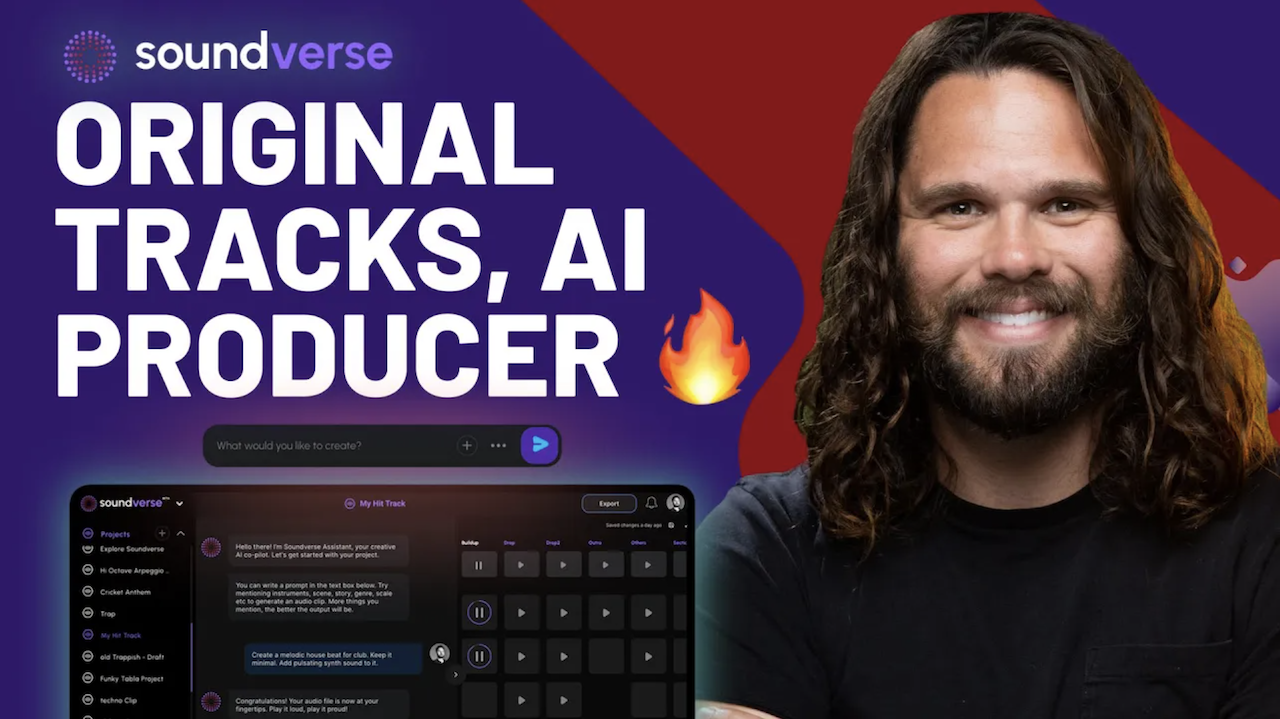
Here’s another long walkthrough of how to use Soundverse AI.
Text Guide
- To know more about AI Magic Tools, check here.
- To know more about Soundverse Assistant, check here.
- To know more about Arrangement Studio, check here.
Soundverse is an AI Assistant that allows content creators and music makers to create original content in a flash using Generative AI. With the help of Soundverse Assistant and AI Magic Tools, our users get an unfair advantage over other creators to create audio and music content quickly, easily and cheaply. Soundverse Assistant is your ultimate music companion. You simply speak to the assistant to get your stuff done. The more you speak to it, the more it starts understanding you and your goals. AI Magic Tools help convert your creative dreams into tangible music and audio. Use AI Magic Tools such as text to music, stem separation, or lyrics generation to realise your content dreams faster. Soundverse is here to take music production to the next level. We're not just a digital audio workstation (DAW) competing with Ableton or Logic, we're building a completely new paradigm of easy and conversational content creation.
TikTok: https://www.tiktok.com/@soundverse.ai
Twitter: https://twitter.com/soundverse_ai
Instagram: https://www.instagram.com/soundverse.ai
LinkedIn: https://www.linkedin.com/company/soundverseai
Youtube: https://www.youtube.com/@SoundverseAI
Facebook: https://www.facebook.com/profile.php?id=100095674445607
Join Soundverse for Free and make Viral AI Music

We are constantly building more product experiences. Keep checking our Blog to stay updated about them!