Should musicians be worried about AI? Sourabh Pateriya on Life With Strings Attached
The TL;DR of Sourabh Pateriya's two-hour conversation with Jamie Gale: from deathcore in Jabalpur to Soundverse, voice-led music making, licences and release.
Quick answer: In episode 103 of Life With Strings Attached, host Jamie Gale spent two hours and ten minutes with Sourabh Pateriya, founder and CEO of Soundverse. This seven-and-a-half-minute TL;DR keeps the highlights: how a deathcore guitarist from Jabalpur ended up building an AI music platform, what Soundverse actually is, making music with your voice, licences and getting music out, and a song written by Jamie's niece Stella. Jamie asks the questions; Sourabh answers them.
Should musicians be worried about AI? The TL;DR of Sourabh Pateriya on Life With Strings Attached, Ep. 103.
Why this conversation is worth your time
Most conversations about AI and music happen between people who already agree with each other. This one doesn't. Jamie Gale hosts Life With Strings Attached, a podcast for working musicians and guitar people, and he comes at the topic the way many players do: curious, a little sceptical, and mostly interested in what it means for people who make music for a living.
Sourabh came to AI music from the other side of the same world. Before Soundverse he was a guitarist in a deathcore band, and the podcast starts there. That background shapes the rest of the conversation: he talks about tools the way a musician talks about gear, not the way a pitch deck talks about markets.
The full episode runs past two hours. If you only have a few minutes, the TL;DR covers the main points in order, with chapters so you can jump straight to the part you care about.
What the TL;DR covers, chapter by chapter
0:00 Should musicians be worried about AI?
The opening question is the one most musicians are asking. Rather than a yes or no, the episode treats it as a set of smaller questions: what the tools can do, who controls the result, how music gets licensed and released, and where people still matter.
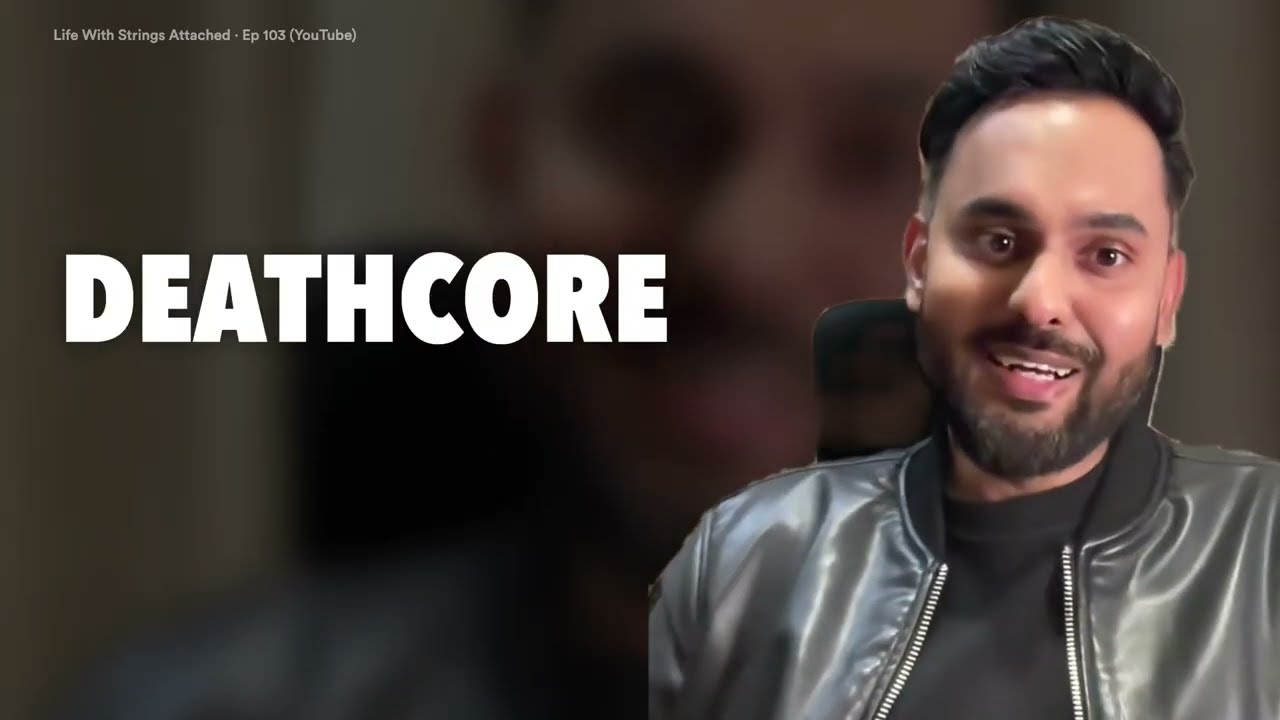
0:30 From Jabalpur to Soundverse
Sourabh comes from Jabalpur, in central India, where he played guitar in a deathcore band. This chapter follows the path from there to building an AI music platform, and it explains why a musician would want to build tools for other musicians in the first place.
2:08 What Soundverse is
A short, plain description of the product. Soundverse is an AI music platform where you can make a song from a prompt, a hum or your own voice, then keep working on it: edit sections, split stems, add vocals, make a video and get it ready to release. Agent One, the AI agent inside Soundverse, runs those tools for you from a chat, and AI Studio is the browser studio where you can arrange, mix and master by hand.
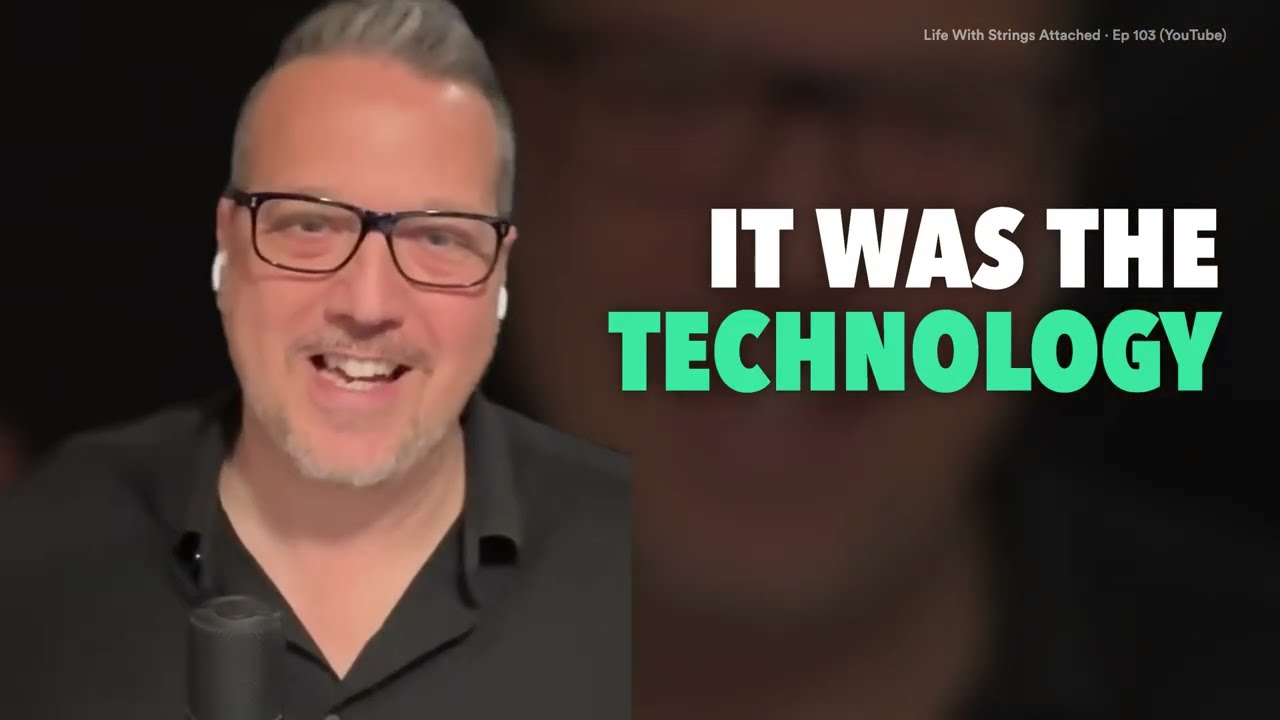
2:39 It was never just about the music
The chapter title says it: it was never just about the music. The conversation turns to where the money in music really came from, and Jamie's answer is short: it was the technology. That's useful context for the AI debate, because music has been reshaped by new technology before.
3:34 Making music, with your voice
One of the more practical parts of the conversation. Sourabh talks about making music with your voice, for example humming or singing an idea and building a track from it. If you want to try this yourself, start with the melody to song generator or voice to instrument, which turns a hummed line into an instrument part.
4:58 Licences, and getting it out
Making a track is only half the job. This chapter covers licences and release: what you can do with music you make, and how it gets from your laptop to listeners. For the details that apply to your account, check what your plan includes on the pricing page, and see our guide on how to release AI music on Spotify.
5:45 Open question: one shelf for all music?
The episode ends on a question rather than an answer: should AI music and human music share the same shelf? It's left open on purpose, and we'd like to hear your take in the YouTube comments.

6:11 Stella's song
The last chapter is a song written by Jamie's niece, Stella. It's a good place to end: a young songwriter with an idea, and the question of what tools she'll grow up using.
Watch the full episode
The TL;DR is built from clips of the full conversation, with narration and editing by Soundverse. The complete episode is on YouTube: Life With Strings Attached, Ep. 103 with Sourabh Pateriya. Life With Strings Attached is hosted by Jamie Gale.
If you want to try what they talk about
You don't need to pick a side in the debate to find out what the tools do. A good first hour on Soundverse looks like this:
- Start in chat. Open Agent One and describe a song, or hum a melody into it.
- Keep what you like. Use inpainting to rewrite one section instead of starting over, or extend a track you already like.
- Take it apart. Split it into stems with the stem separator and rebuild the parts you want to play yourself.
- Finish it by hand. Open the session in AI Studio to record, arrange and mix in your browser.
FAQ
Who is in the podcast?
Jamie Gale, host of Life With Strings Attached, and Sourabh Pateriya, founder and CEO of Soundverse. It's episode 103 of the podcast.
How long is the full conversation?
About two hours and ten minutes. The TL;DR on the Soundverse channel is just under eight minutes.
Where does the B-roll come from?
The description credits TEDxSIU Lavale (TEDx Talks), the Sound of Startups podcast, Shark Tank India S5 E25 (Sony LIV), The Fellowship of Acoustics, Life With Strings Attached with Nik Huber, and Soundverse product footage.
Can I make music with my voice on Soundverse?
Yes. You can hum or sing an idea and turn it into a song or an instrument part with tools like melody to song and voice to instrument, or ask Agent One to do it for you in chat.
Try it
Watch the TL;DR, then try Soundverse with an idea of your own. If you'd like the whole story, the full episode is worth the two hours.