How to Make Lo-Fi Music: A Complete 2026 Guide for Beginners
Learn the best lo-fi production techniques and create stunning lo-fi beats with Soundverse AI.
How to Make Lo-Fi Music
Lo-fi music has continued to define the chill soundscape of online creators, streamers, and casual listeners well into 2026. Its warm imperfections, dusty vinyl textures, and mellow drum grooves make it a timeless genre that sparks creativity and relaxation. If you’re wondering how to make lo-fi music from home, this guide will walk you through every step — from setup and sound design to mixing and mastering, all enhanced by AI-powered tools like Soundverse.
What is Lo-Fi Music and Why is It Still Popular in 2026?
Lo-fi (low fidelity) music intentionally embraces imperfections: tape hiss, crackles, background noise, and detuned instruments create its distinctive cozy vibe (Lo-fi music - Wikipedia). Once popular among bedroom producers in the mid-2010s, the genre has matured greatly by 2026, integrating AI innovation and hybrid analog-digital workflows. Social platforms and productivity apps continue favoring lo-fi playlists because they improve focus, relaxation, and emotional connection.

For aspiring producers, lo-fi remains the perfect entry point to music creation — simple, expressive, and forgiving. You don’t need expensive equipment or industry-level plugins; you just need creativity and a bit of guidance.
How to Make Lo-Fi Music with Soundverse AI Music Generator
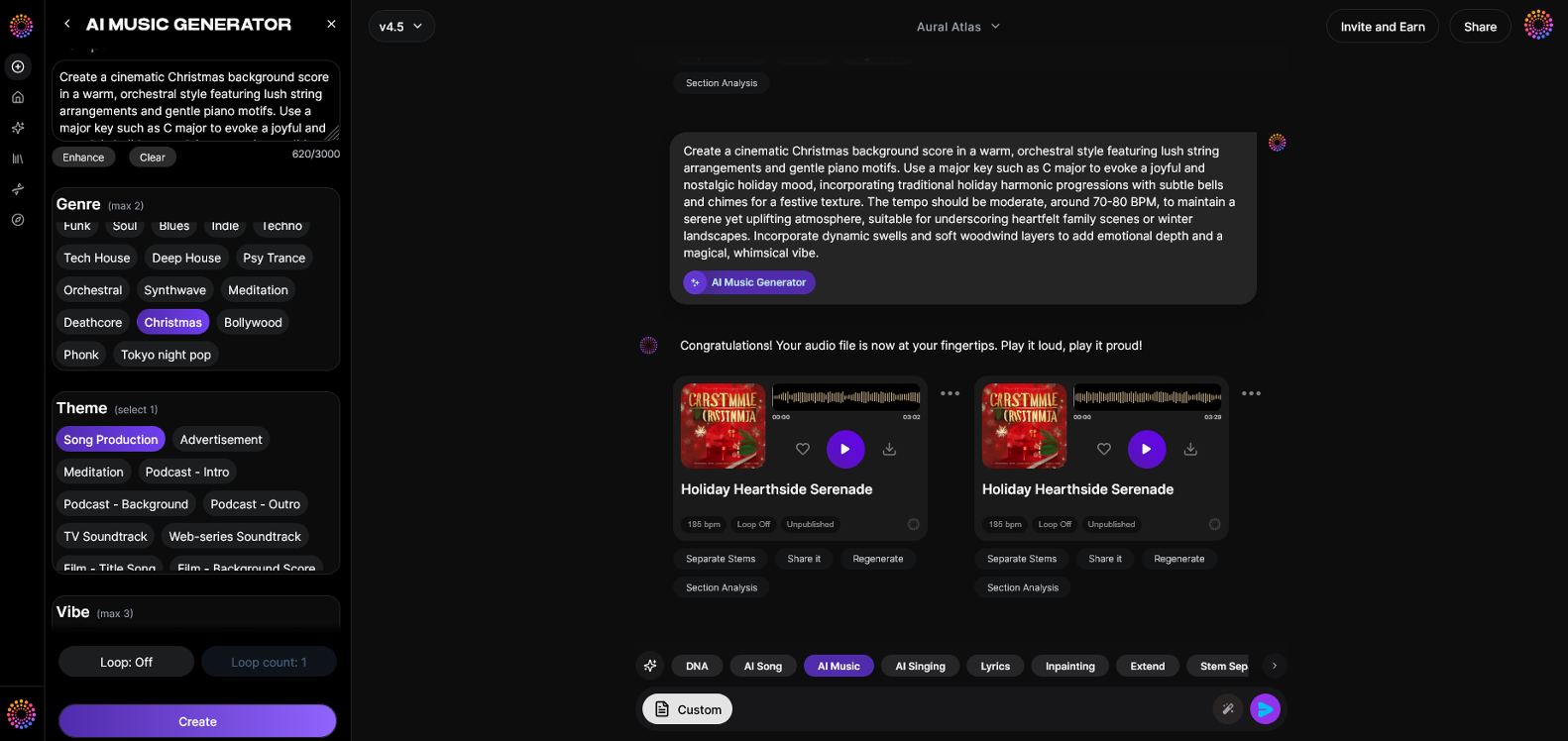
Soundverse’s AI Music Generator simplifies the process of creating fully produced instrumental tracks, including lo-fi soundscapes. Instead of manually layering samples and instruments, you can generate complete loops and beats from simple text prompts.

Key Features That Help Your Lo-Fi Workflow
- Text-to-Music Generation: Describe your desired lo-fi vibe, such as “nostalgic jazz-infused beat with vinyl crackle,” and the AI generates a corresponding instrumental.
- Loop Mode: Ideal for producers crafting steady, relaxing lo-fi beats that seamlessly repeat — perfect for study or chill playlists.
- Genre/Mood/Instrument Control: Fine-tune your track to include Rhodes piano, dusty drums, or gentle guitar chords.
- V4 and V5 Model Options: Choose between two distinct generative engines for varied sonic results — V4 for organic grooves, V5 for modern electronic textures.
Soundverse is primarily used for instrumental music production, making it excellent for lo-fi beat creation for YouTube backgrounds, podcast intros, or playlist-ready streaming tracks.
Now, let’s look at the workflow. For a deeper dive into music creation concepts, you can watch our Soundverse Tutorial Series - 9. How to Make Music on YouTube.
Step 1: Feature Overview
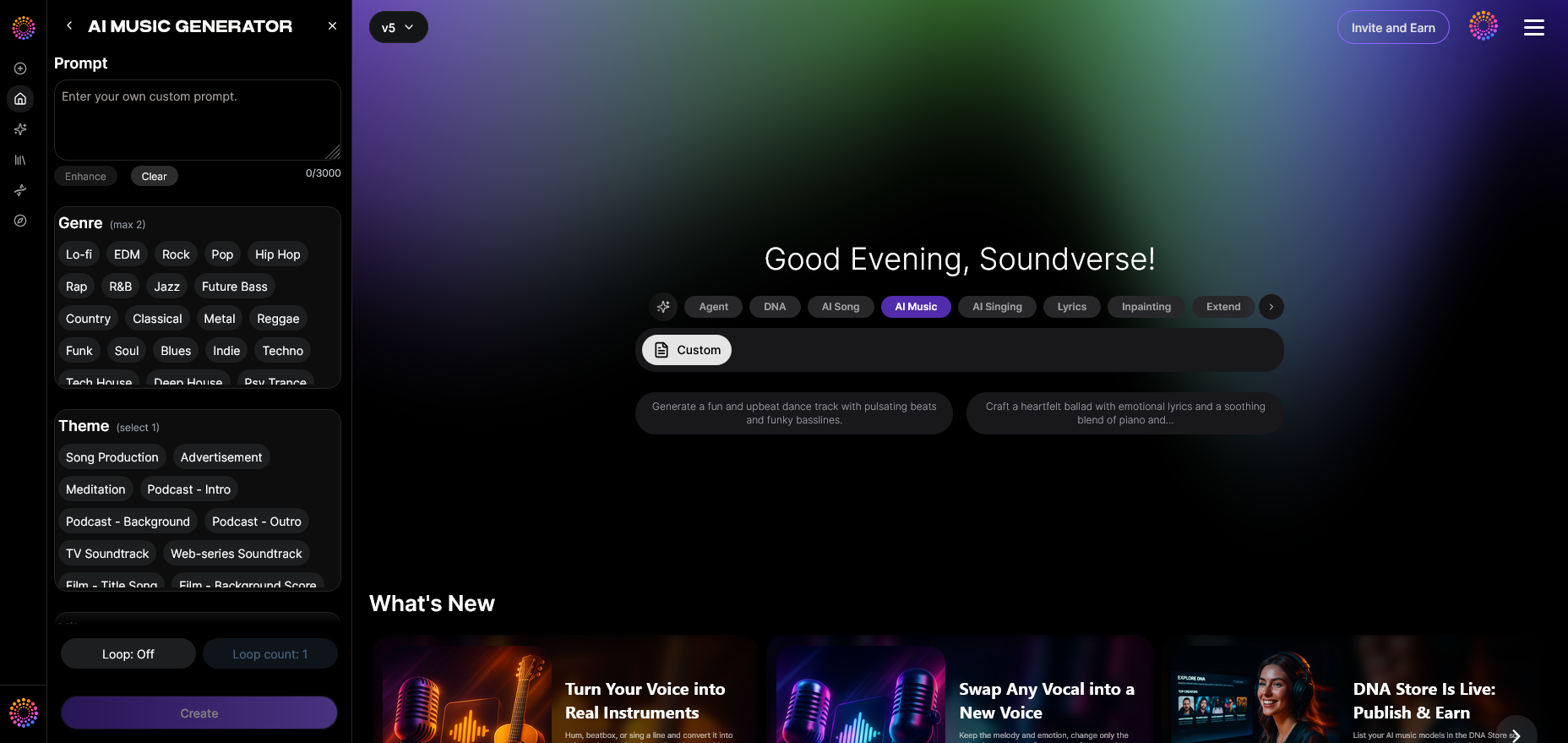
Access the AI Music Generator directly from the Soundverse main menu. This is your hub for instrumental music creation. The intuitive interface organizes options by genre, mood, and creative purpose, so from the start you can focus on crafting your unique lo-fi atmosphere.
Step 2: Description Input
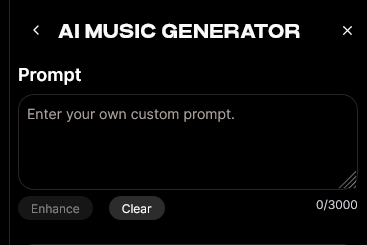
In the description box, type the kind of lo-fi track you want. Examples include:
- “Relaxed evening lo-fi beat with vinyl crackle and soft guitar.”
- “Rainy-day chillhop with jazzy chords and vintage drums.”
- “Dreamy bedroom lo-fi soundscape with tape hiss.”
This step defines the creative foundation. The clearer your prompt, the closer the AI rendition gets to your desired sound. If you’re looking for more prompt ideas, visit 100 Text-to-Music Prompts that Will Help You Create Viral Music.
Step 3: Style & Duration
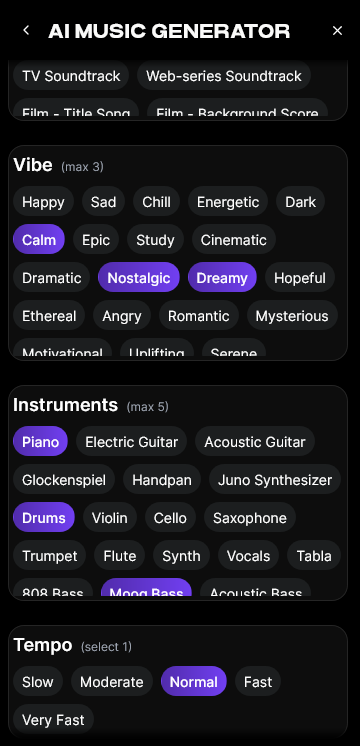
Next, choose Lo-Fi as the style and set your track length — whether short 30-second loops for commercials or 3-minute full beats for playlists. You can also experiment with related genres like “Jazz Lo-Fi,” “Ambient Chillhop,” or “Vaporwave.” Selecting the right duration helps structure your mix for looping or extension later on.
Step 4: Generation
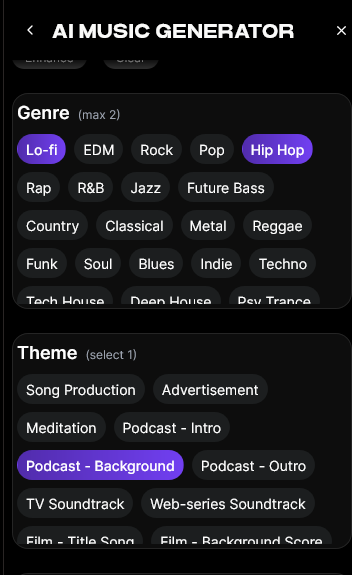
Click Generate to begin AI processing. Soundverse analyzes your prompt and builds a cohesive instrumental arrangement. In seconds, you receive a produced lo-fi track embodying the prompt’s aesthetics — mellow drums, smooth chords, analog textures, and immersive atmosphere.
Unlike traditional DAWs, Soundverse doesn’t require manual sample layering or complex sequencing. It automates arrangement and production based on text cues, which saves time while maintaining stylistic integrity. If you want to regenerate just a section of your beat to refine transitions, use Inpainting, Soundverse’s precision editing feature.
Step 5: Export Options

After generation, you can download your instrumental file and integrate it into any DAW for mixing or mastering. You can apply your own EQ or saturation, or let Soundverse handle the looping by activating Loop Mode. The flexibility supports creators at every skill level, whether you want background tracks for videos or loops for streaming platforms.
For longer compositions, the Extend Music tool seamlessly adds more measures to match tempo and tone — perfect for playlists or full-length lofi albums.
What Lo-Fi Production Techniques Should You Know in 2026?
Even with AI assistance, understanding basic lo-fi production principles elevates your results:
- Use Imperfection as Texture: Add analog character with gentle noise and imperfections. Vinyl crackles or tape hiss convey nostalgia that defines lo-fi.
- Warm Frequency Balance: Lo-fi mixes emphasize mellow mids and rolled-off highs. It makes the track smoother and easier on the ears.
- Swing and Groove: Slight timing irregularities give the drums their organic feel. Quantize softly, not strictly.
- Sample Choice: Focus on cozy, emotional instruments — Rhodes piano, jazz guitar, flute, or upright bass.
- Compression and Saturation: Use them subtly to simulate old recording gear without distorting the vibe.
These tips blend naturally with AI-produced outputs. After exporting from Soundverse, add gentle filters, EQ adjustments, and stereo imaging to polish the track further.
To dive deeper into broader creative strategies across genres, see How to Create Jazz Music with Soundverse AI and How to Create Healing Meditation Music with Soundverse AI — both insightful guides for cross-genre inspiration.
What Equipment Is Needed for a Home Studio Setup for Lo-Fi?
A simple, affordable home studio works perfectly:
- Computer or Laptop: Any mid-range device that can run audio software.
- DAW (Digital Audio Workstation): Tools like Ableton Live, FL Studio, or Logic Pro remain popular, but Soundverse’s browser-based workflow minimizes software dependency.
- MIDI Controller or Keyboard: Optional, for recording your own chords.
- Audio Interface & Studio Headphones: Enhance monitoring accuracy.
- Plugins: Use lo-fi-focused effects like RC-20 Retro Color or iZotope Vinyl to add analog warmth.
Thanks to Soundverse’s cloud-based process, you don’t need high-spec gear — the AI handles high-quality production tasks remotely. For more creative workflows navigating AI trends, read Music Industry Trends.
Lo-Fi Mixing Tips to Perfect Your Sound
Mixing is where the final character emerges:
- Keep the mix balanced but imperfect; let a bit of hum or detune live in the track.
- Apply saturation on drums to reduce digital sharpness.
- Use gentle sidechain compression to produce breathing rhythmic motion.
- Employ stereo widening carefully; lo-fi music benefits from intimacy.
Remember, lo-fi isn’t about perfection. It’s about vibe and storytelling.
Why AI Tools Are Changing Lo-Fi Creation
By 2026, AI integration is standard. Producers use platforms like Soundverse for creativity boosts, not replacements. AI tools automate tedious tasks while letting you concentrate on artistic decisions — sound selection, sample manipulation, and composition aesthetics.
Soundverse also integrates with features discussed in Soundverse AI Revolutionizing Music Creation for New Age Content Creators, reflecting how its ecosystem enables artists across disciplines.
Start Creating Lo-Fi Beats Instantly with Soundverse
Turn your chill vibes into full lo-fi tracks using Soundverse’s AI-powered music generation tools. Whether you're just starting out or refining your style, let AI help you craft smooth, nostalgic soundscapes effortlessly.
- 40 Hand-Picked Lo-Fi Text-to-Music Prompts for All Occasions: Discover inspiring lo-fi prompts to instantly spark new creative ideas with Soundverse AI’s text-to-music feature.
- Generate AI Music with Soundverse Text-to-Music: Learn how to transform words into fully produced songs using Soundverse’s advanced text-to-music technology.
- Soundverse AI Magic Tools: Create Content Quickly with AI: Explore Soundverse’s suite of AI Magic Tools designed to simplify the creative process and speed up your music production workflow.
- What Are Song Stems and Why Do You Need Them: Understand how stems can elevate your mixing and mastering process when crafting professional lo-fi productions.
Here's how to make AI Music with Soundverse
Video Guide

Here’s another long walkthrough of how to use Soundverse AI.
Text Guide
- To know more about AI Magic Tools, check here.
- To know more about Soundverse Assistant, check here.
- To know more about Arrangement Studio, check here.
Soundverse is an AI Assistant that allows content creators and music makers to create original content in a flash using Generative AI.
With the help of Soundverse Assistant and AI Magic Tools, our users get an unfair advantage over other creators to create audio and music content quickly, easily and cheaply.
Soundverse Assistant is your ultimate music companion. You simply speak to the assistant to get your stuff done. The more you speak to it, the more it starts understanding you and your goals.
AI Magic Tools help convert your creative dreams into tangible music and audio. Use AI Magic Tools such as text to music, stem separation, or lyrics generation to realise your content dreams faster.
Soundverse is here to take music production to the next level. We're not just a digital audio workstation (DAW) competing with Ableton or Logic, we're building a completely new paradigm of easy and conversational content creation.
TikTok: https://www.tiktok.com/@soundverse.ai
Twitter: https://twitter.com/soundverse_ai
Instagram: https://www.instagram.com/soundverse.ai
LinkedIn: https://www.linkedin.com/company/soundverseai
YouTube: https://www.youtube.com/@SoundverseAI
Facebook: https://www.facebook.com/profile.php?id=100095674445607
Join Soundverse for Free and make Viral AI Music

We are constantly building more product experiences. Keep checking our Blog to stay updated about them!