What Is Lo-Fi Music? The Complete Guide to the Chill Sound of 2026
Discover lo-fi music, its chill aesthetic, and how it's shaping study and creative culture in 2026.
What Is Lo-Fi Music?
Lo-fi music has become a defining sound of the digital age—a genre that captures imperfection, nostalgia, and calmness in equal measure. In 2026, lo-fi isn’t just background music for studying; it has evolved into a cultural language for creators, students, and musicians worldwide. From cozy lo-fi beats to ambient study music loops, this genre represents a counterbalance to the high-energy mainstream tracks of previous years.
What is lo-fi music?
Lo-fi (short for “low fidelity”) refers to music that intentionally embraces imperfections—background crackles, vinyl hiss, muffled samples, and analog warmth. Initially born in the underground hip hop and indie scenes of the 1990s, lo-fi music gained mass popularity during the streaming boom of the 2010s and 2020s. By 2026, it has solidified its place as a global genre with dedicated communities on YouTube, Spotify, TikTok, and AI-powered music platforms like Soundverse. According to Wikipedia’s overview of lo-fi music, imperfections are not flaws but stylistic features, adding emotional authenticity.

Lo-fi music serves multiple purposes. Some listeners use it for focus and relaxation, associating the mellow rhythms with productivity. Others appreciate its nostalgic aesthetic—the feeling of listening to music through old speakers or cassette tapes. This genre’s appeal lies in how it humanizes the digital experience, reflecting the imperfections of real life. Learn more about its emotional tone in Understanding Lo-Fi: The Charm of Low Fidelity Music.
Why has lo-fi music become so popular?
The modern appeal of lo-fi music stems from several cultural and psychological factors:
- Mental Wellness: In fast-paced urban living, people seek calm. Lo-fi beats act as a tranquil background while working, studying, or creating art.
- Aesthetic Culture: The lo-fi aesthetic spans visuals and sound. Animated loops of cozy bedrooms, rainy city windows, and soft lighting are iconic visuals accompanying lo-fi hip hop playlists online.
- Digital Accessibility: As tools like Soundverse’s AI Music Generator empower anyone to make instrumental tracks without expensive gear, lo-fi has become an easy genre to produce.
- Streaming Continuity: Lo-fi music thrives on loops. The structure of endless, seamless beats makes it ideal for platforms that favor long listening hours.

For deeper creative insight, watch our Soundverse Tutorial Series - How to Make Music for tips about integrating chill loops and ambient backgrounds into your workflow.
What are the core elements of lo-fi beats?
Lo-fi beats are characterized by simplicity and mood. The core elements often include:
- Warm Vinyl Texture: Subtle sound imperfections give lo-fi its signature warmth, as seen in Yum Audio’s overview of lo-fi production.
- Simple Drum Patterns: Soft kick drums and snare hits create a steady rhythm without overwhelming the listener.
- Mellow Chords and Jazz Influences: Lo-fi often borrows chord progressions from jazz and soul, reimagined in a modern beat-making context.
- Ambient Samples: Rain sounds, record scratches, and gentle piano loops add emotional depth. Read How to Create a Lo-Fi Song: Complete 2026 Guide for Beginners for production tempo insights.
Is lo-fi music the same as chill music or study music?
While they overlap, lo-fi music, chill music, and study music serve slightly different roles:
- Lo-fi music focuses on aesthetic imperfection and relaxed rhythm.
- Chill music encompasses broader calm genres like ambient, downtempo, and acoustic.
- Study music is functional, designed to help concentration through repetitive and non-distracting soundscapes.
In 2026, creators are blurring these boundaries. Channels and playlists combine lo-fi hip hop with ambient and cinematic moods, giving listeners versatile relaxation experiences.
How has technology changed lo-fi music creation?
From analog samplers in the 1990s to modern AI tools, technology has continuously reshaped lo-fi production.
- Early Years: Artists used cassettes or broken equipment, which naturally created distortion and noise.
- 2020s: Independent producers uploaded music onto streaming services using basic DAWs.
- 2026: AI platforms like Soundverse now enable creators to generate lo-fi beats from simple text descriptions. That evolution democratizes the creative process, allowing artists, students, and marketers to design bespoke lo-fi tracks in seconds.
For example, tools discussed in articles such as Soundverse AI Magic Tools or AI Music in the USA highlight how artificial intelligence is enhancing experimentation across all genres, including lo-fi.
The cultural meaning of lo-fi hip hop
Lo-fi hip hop conveys emotion through simplicity. It’s not polished or flashy; it’s introspective and nostalgic. Visual content like looping anime-style videos or digital paintings supports the sound’s calming intention. By 2026, lo-fi hip hop has also influenced advertising, gaming, and meditation apps thanks to its versatility.
Marketing campaigns now use chill lo-fi background music to evoke “cozy familiarity.” Game developers integrate lo-fi beats into menus or in-game cafés to immerse players. Meanwhile, wellness platforms combine lo-fi and ambient tones for guided relaxation routines.
How Soundverse empowers lo-fi music creators
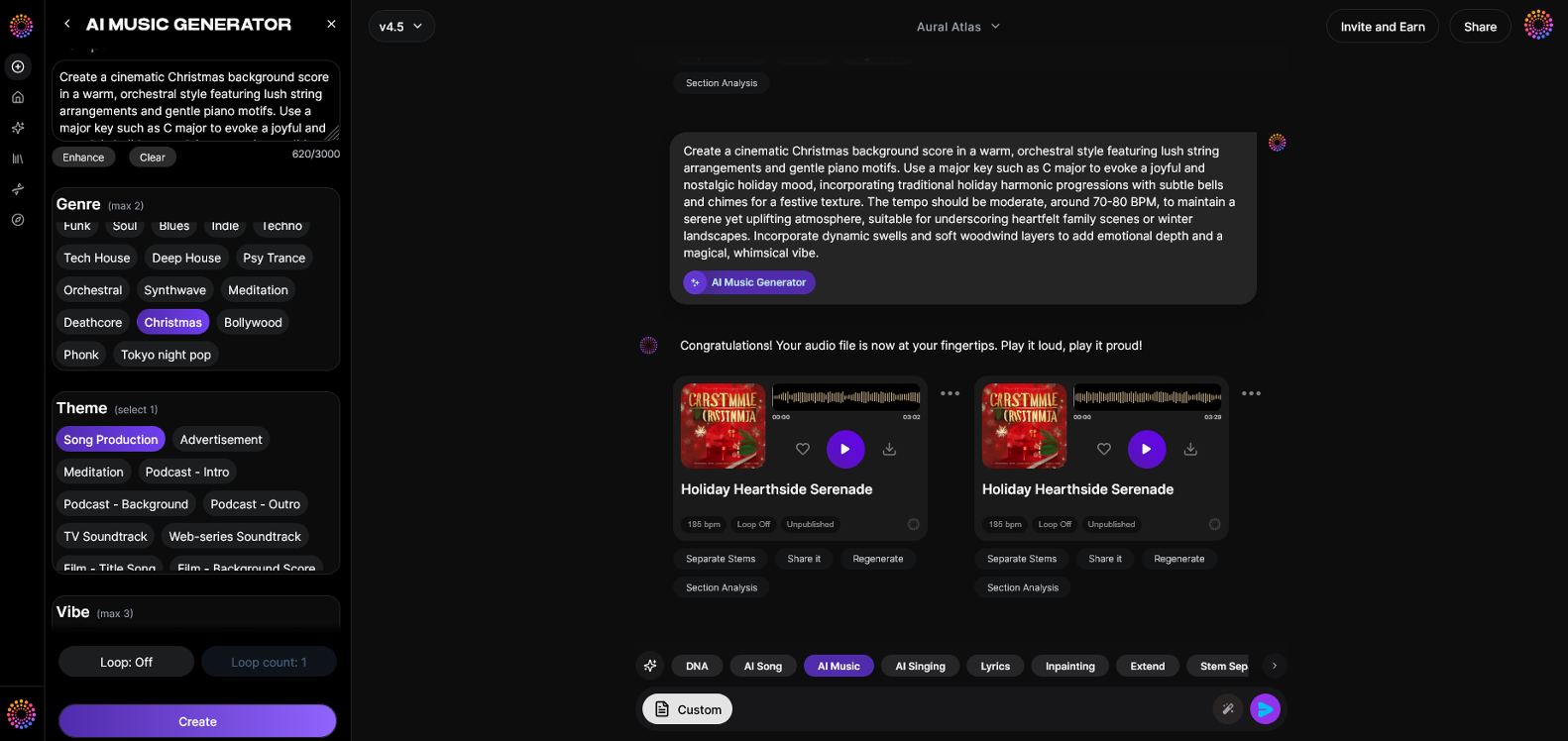
Soundverse’s AI Music Generator lets you create fully produced instrumental music directly from a text prompt—ideal for lo-fi compositions. Whether you're crafting looped chill beats for a YouTube stream or designing study music for your academic routine, Soundverse builds an effortless workflow from concept to completion.
Key capabilities of Soundverse AI Music Generator:
- Text-to-Music: Type a description like “warm lo-fi beats with vinyl crackle and soft piano” to generate original music instantly.
- Loop Mode: Easily design seamless repetitions perfect for 24/7 study playlists or meditation streams.
- Detailed Genre/Mood Controls: Adjust attributes like tempo, instrumentation, or vibe (e.g., cozy jazz lo-fi or rainy chillhop).
- V4 and V5 Model Options: Choose between Soundverse’s advanced generation models based on stylistic needs.
It’s this precision and accessibility that makes Soundverse one of the best solutions for modern creators. Whether you aim to explore lo-fi aesthetics or merge chill beats with cinematic layering, AI gives you control over every element.
If you're exploring the intersection between AI and music creation, check out resources like Best AI Music Generator: Top Picks and Review, Mubert Alternatives, and Soundraw Alternative, which detail how Soundverse compares across leading platforms.
For added inspiration, visit our Soundverse Tutorial Series - Explore Tab to learn more about exploring genres visually and intuitively.
What makes lo-fi music perfect for content creators?
- Royalty-Free Backgrounds: Most lo-fi music is instrumental, making it ideal for video intros, podcasts, and live streams.
- Versatile Looping: Continuous repetition helps maintain focus for the listener without drawing attention away from visuals.
- Emotional Tone: Lo-fi evokes calmness and familiarity, building a strong emotional link with audiences.
- Creative Simplicity: It’s easy to blend lo-fi with ambient or jazz influences to design unique brand moods.
As digital creators search for copyright-safe and royalty-free tracks, solutions like Soundverse bridge the gap between artistic autonomy and technical quality. Learn more about licensing considerations in Navigating Royalty-Free and Copyright-Free Music Using Soundverse.
The future of lo-fi music in 2026 and beyond
In 2026, lo-fi music continues to evolve through hybrid forms—mixing lo-fi hip hop with cinematic and ambient elements. AI-assisted production ensures that every creator can craft their personalized style, expanding beyond traditional jazz-based beats. Expect more crossover between lo-fi and genres like dream pop, chillwave, and modern classical.
Soundverse and similar platforms are at the forefront of this shift, transforming how music enthusiasts and professionals access and customize audio. Whether you’re designing the perfect chill background or experimenting with nostalgic soundscapes, the future of lo-fi lies in accessible creativity.
Start Creating Your Own Lo-Fi Beats with Soundverse
Dive into the smooth, nostalgic world of lo-fi music. Use Soundverse’s AI-powered tools to instantly generate chill tracks, ambient loops, and creative compositions perfect for studying, streaming, or relaxing.
Related Articles
- 40 Hand-Picked Lo-Fi Text-to-Music Prompts for All Occasions: Explore creative text prompts designed to help you generate unique lo-fi music with AI effortlessly.
- Generate AI Music with Soundverse Text-to-Music: Learn how to transform written ideas into full-fledged music tracks powered by AI innovation.
- How to Make AI-Generated Music: Discover the step-by-step process behind using AI tools to produce your own original music compositions.
- Best AI Music Generator: Top Picks and Review: Compare leading AI music platforms and find out which generator best suits your creative workflow.
Here's how to make AI Music with Soundverse
Video Guide

Here’s another long walkthrough of how to use Soundverse AI.
Text Guide
- To know more about AI Magic Tools, check here.
- To know more about Soundverse Assistant, check here.
- To know more about Arrangement Studio, check here.
Soundverse is an AI Assistant that allows content creators and music makers to create original content in a flash using Generative AI. With the help of Soundverse Assistant and AI Magic Tools, our users get an unfair advantage over other creators to create audio and music content quickly, easily and cheaply. Soundverse Assistant is your ultimate music companion. You simply speak to the assistant to get your stuff done. The more you speak to it, the more it starts understanding you and your goals. AI Magic Tools help convert your creative dreams into tangible music and audio. Use AI Magic Tools such as text to music, stem separation, or lyrics generation to realise your content dreams faster. Soundverse is here to take music production to the next level. We're not just a digital audio workstation (DAW) competing with Ableton or Logic, we're building a completely new paradigm of easy and conversational content creation.
TikTok: https://www.tiktok.com/@soundverse.ai
Twitter: https://twitter.com/soundverse_ai
Instagram: https://www.instagram.com/soundverse.ai
LinkedIn: https://www.linkedin.com/company/soundverseai
Youtube: https://www.youtube.com/@SoundverseAI
Facebook: https://www.facebook.com/profile.php?id=100095674445607
Join Soundverse for Free and make Viral AI Music

We are constantly building more product experiences. Keep checking our Blog to stay updated about them!