Is Lo-Fi Music AI Generated? Understanding the Rise of AI-Generated Lo-Fi Beats in 2026
Explore AI-generated lo-fi music, how artificial intelligence is shaping chill beats, and how Soundverse creates it.
Is Lo-Fi Music AI Generated?
Is Lo-Fi Music AI Generated?
Lo-fi music has become one of the most recognizable genres in the digital era — a soothing blend of mellow beats, nostalgic samples, and vintage effects that evoke a sense of calm and creativity. But as AI begins to dominate music production workflows in 2026, a growing question surfaces: Is lo-fi music AI generated? The short answer is yes, it increasingly is — though the story of how it got there and what that means for creators runs much deeper.
What Is Lo-Fi Music, and Why Is It Popular?
Lo-fi, which stands for "low fidelity," refers to music that intentionally embraces imperfections. Vinyl crackle, tape hiss, and uneven timing are part of the aesthetic. These imperfect sonic textures make the genre emotionally resonant and familiar — reminiscent of old recordings and bedroom-produced mixtapes.
Its popularity surged during the past decade as streaming and digital platforms like YouTube and Spotify featured lo-fi playlists curated for studying, relaxing, and creative focus. By 2026, these genres have evolved even more, diversifying into lo-fi hip-hop, lo-fi jazz, ambient lo-fi, and electronic chillhop, each with its own community of creators and listeners.

Can Artificial Intelligence Really Create Lo-Fi Music?
Yes, and it has been doing so successfully for several years now. Artificial intelligence music production tools can generate entire lo-fi soundscapes using machine learning models trained on thousands of examples of the genre. These systems analyze rhythmic structures, chord progressions, and production textures that define lo-fi and reproduce new, original tracks autonomously.
AI-generated lo-fi music combines multiple processes:
- Text-to-Music Generation: Users describe the vibe they want (e.g., “late-night study session with soft guitars and dusty beats”) and AI creates music that fits that description.
- Style Transfer: Algorithms can mimic sonic characteristics from existing lo-fi references without copying them, achieving a similar warmth and groove.
- Generative Composition: Neural networks model musical sequences, translating them into melody and rhythm patterns consistent with lo-fi aesthetics.
- Loop and Scene Adaptation: Looping tools help craft endless ambient versions of tracks perfect for background listening or game environments.
By combining these elements, an AI doesn’t just imitate; it invents. The genre’s simplicity and textural richness make it ideal for machine interpretation.

Why AI and Lo-Fi Work So Well Together
Artificial intelligence fits lo-fi’s creative philosophy. Both favor experimentation and unpredictability. Lo-fi artists traditionally built their beats using sampling, distortion, and unconventional mixing. Likewise, AI injects randomness and pattern discovery into music creation.
In 2026, digital creators, streamers, and indie producers rely on lo-fi AI tools for fast content production. With social media platforms continuously demanding fresh background tracks, the ability to write a prompt and instantly receive a unique lo-fi sequence has revolutionized workflow efficiency.
Key benefits of using AI-generated lo-fi music include:
- Speed and Scalability: Generate customized lo-fi beats in seconds.
- Consistency: Maintain a unified tone for multi-episode or multi-part content.
- Accessibility: Non-musicians can produce professional-quality tracks.
- Originality: Each AI composition remains unique and copyright-safe when generated using trusted platforms.
For those curious about emerging sonic technologies, see How an AI Music Generator Inspires Creative Fusion for a deeper look into how AI creativity complements human artistry. For a deeper dive, watch our guide on how to make music on the Soundverse YouTube channel.
Are All Lo-Fi Tracks Today AI Made?
Not all of them — human producers are still a vital part of the scene. Many artists mix AI-created loops with human instrumentation or blend algorithmic melodies with sampled recordings. The result is a hybrid process, where artificial intelligence becomes a co-producer rather than a replacement.
Hybrid workflows have become standard in 2026. Creators use AI tools for base structure generation and then refine compositions manually in digital audio workstations (DAWs). This collaboration allows producers to maintain their signature sound while accelerating ideation.
How AI Has Changed the Lo-Fi Production Landscape in 2026
Compared to 2025, AI adoption in music has exploded, especially among creators producing for podcasts, games, and video content. Lo-fi acts as the bridge between technical execution and emotional resonance. Platforms now feature AI-driven recommendation algorithms that match user moods with generated tracks, deepening personalization.
Several market trends demonstrate how AI and lo-fi influence modern creation:
- Increased Use of AI Looping Tools in Game Development and YouTube Channels.
- Cross-Genre Fusion: AI systems now merge lo-fi and chill electronica into meditative soundscapes.
- Rights Transparency: Trust-layer solutions like Soundverse Trace ensure clear dataset attribution, protecting both creators and audiences.
- Commercial Scoring Integration: Advertisers and agencies use AI lo-fi for ambient storytelling.
To explore how AI trends continue to reshape the broader music industry, refer to Music Industry Trends. Learn more insights through external studies like AI Lo-Fi Music Generators: The Future of Chill Beat Creation and The Paradox of Fidelity: How AI is Redefining Lofi Music Production.
The Difference Between Traditional Lo-Fi Production and AI Lo-Fi Creation
Traditional Production: A human producer arranges samples, plays instruments, and manually designs imperfections using hardware or digital effects.
AI Lo-Fi Creation: An algorithm interprets descriptive language, automatically composing music through learned models. The imperfections are recreated algorithmically by simulating analog tape warmth or vinyl textures.
In short, AI doesn’t replace human soul; it recreates its signature through data-driven creativity. This balance defines modern artistic innovation.
Is AI-Generated Lo-Fi Truly Creative?
The debate around AI creativity continues in 2026. Critics argue algorithms don’t “feel” emotion, yet proponents highlight how neural networks translate abstract inputs — mood, story, and style — into coherent emotional sound. That process, though mechanical, leads to surprising musical results.
The creativity lies in the collaboration between prompt and algorithm. Just as a painter uses brushes to express vision, a creator uses AI as a tool. The richness of the output depends on imaginative description rather than technical skill.
If you’re exploring how other genres blend human and AI energy, our article AI Music Generator and Human Composers: A Future Together dives deeper into this partnership.
The Ethical and Copyright Landscape of AI Lo-Fi
In 2026, copyright clarity is crucial. Ethical AI creation requires transparency—ensuring generated tracks are free from infringed samples. Tools with embedded traceability, such as Soundverse Trace, validate dataset sources and protect user outputs.
This technology safeguards creators who publish AI-generated lo-fi music, maintaining trust in an expanding digital music ecosystem.
For rights insights, read Navigating the World of Royalty-Free and Copyright-Free Music Using Soundverse AI.
How to Make AI Generated Lo-Fi Music with Soundverse AI Music Generator
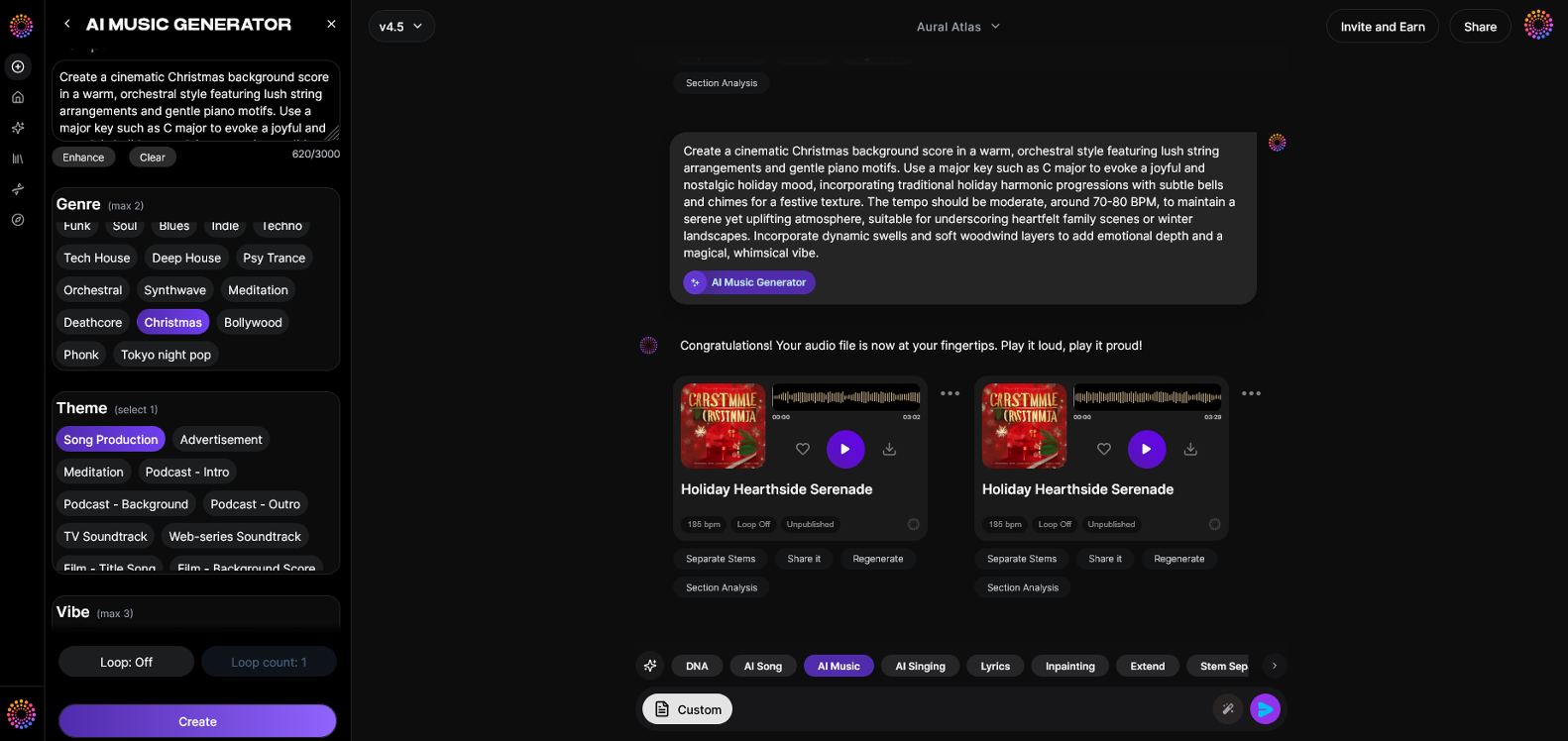
Now that you understand how AI-generated lo-fi music works, here’s how you can create your own instantly using Soundverse AI Music Generator.
Soundverse’s AI Music Generator lets you craft fully produced instrumental tracks from text prompts. Unlike vocal composition tools, its specialty lies in instrumental beats, ambient loops, and seamless background soundscapes—perfect for lo-fi productions.
Step 1: Access the Feature
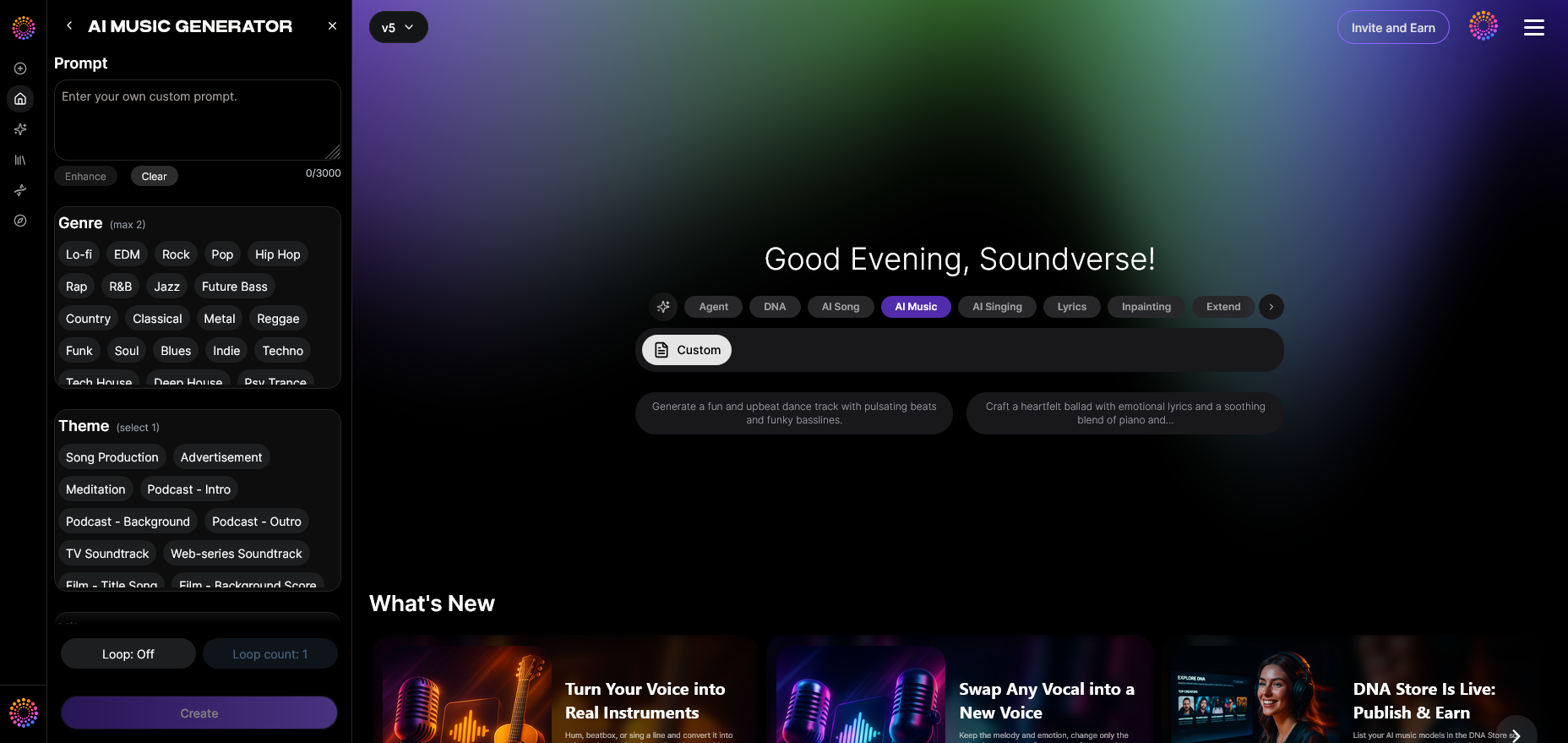
Open Soundverse and navigate to the AI Music Generator from the main menu, where you can initiate new music ideas.
Step 2: Enter a Description
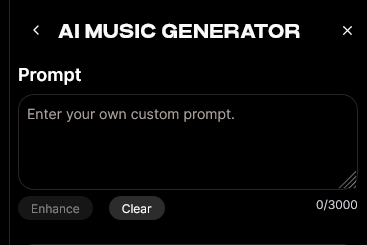
In the description input field, type your vision: for example, “soft lo-fi beats with a jazzy mood and vintage texture”. The AI interprets your words to craft a corresponding musical structure.
Step 3: Select Style and Duration
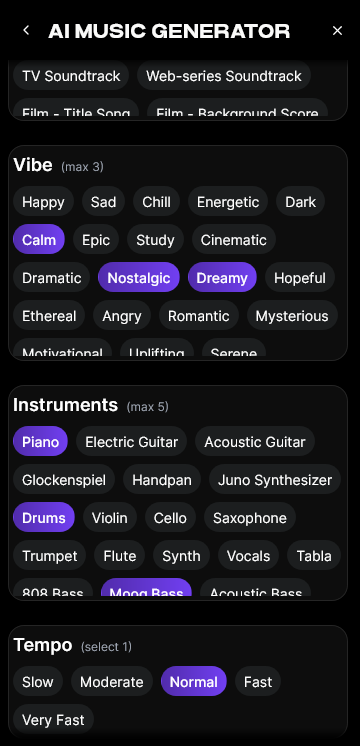
Choose lo-fi as your genre. Adjust the track’s length depending on whether it’s intended for a short loop or a full background piece.
Step 4: Generate the Music
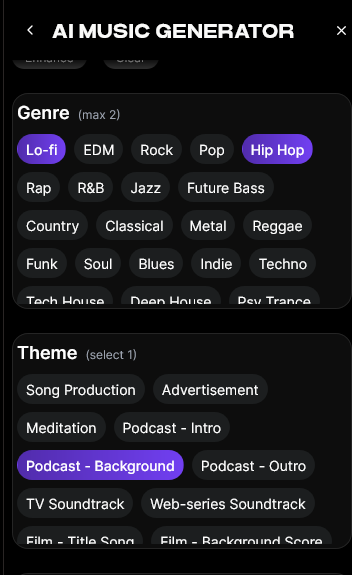
Click Generate, and Soundverse’s V4 or V5 model produces an instrumental lo-fi track matching your details. There’s no real-time preview — the system processes the prompt and delivers the completed audio. For another detailed walkthrough, watch our Explore Tab video guide.
Step 5: Export Options

Once finalized, download your AI-generated lo-fi beat. You can use it for video backgrounds, game soundtracks, meditation playlists, or commercial scoring effortlessly.
Why Producers Prefer Soundverse for Lo-Fi AI Creation
Soundverse streamlines creativity through control, flexibility, and integrity. Key advantages include:
- Detailed Genre and Mood Control: Customize vibes to match emotional tone.
- Loop Mode: Generate seamless loops for ambient or endless-play contexts.
- Dataset Transparency: Integrated with Soundverse Trace for attribution protection.
For users seeking deeper genre experimentation, explore workflows like How to Create Jazz Music with Soundverse AI or discover inspiration through 100 Text-to-Music Prompts That Will Help You Create Viral Music.
Create Your Own AI-Generated Lo-Fi Track Today
Experience the ease and creativity of producing lo-fi beats with Soundverse — powered by advanced AI that lets you bring chilled, nostalgic vibes to life instantly.
Related Articles
- 40 Hand-Picked Lo-Fi Text-to-Music Prompts for All Occasions: Discover curated prompts to inspire your next lo-fi track and experiment with AI-generated music effortlessly.
- Generate AI Music with Soundverse Text-to-Music: Learn how to turn your words into melodies instantly using Soundverse’s innovative text-to-music system.
- The Role of AI Music in Film and Television: Explore how AI-generated tracks are enhancing cinematic experiences and redefining scoring for visual media.
- How AI-Generated Music Is Transforming the Music Industry: Uncover the revolutionary impact AI is making on the music industry’s production processes and creative workflows.
Here's how to make AI Music with Soundverse
Video Guide

Here’s another long walkthrough of how to use Soundverse AI.
Text Guide
- To know more about AI Magic Tools, check here.
- To know more about Soundverse Assistant, check here.
- To know more about Arrangement Studio, check here.
Soundverse is an AI Assistant that allows content creators and music makers to create original content in a flash using Generative AI.
With the help of Soundverse Assistant and AI Magic Tools, our users get an unfair advantage over other creators to create audio and music content quickly, easily and cheaply.
Soundverse Assistant is your ultimate music companion. You simply speak to the assistant to get your stuff done. The more you speak to it, the more it starts understanding you and your goals.
AI Magic Tools help convert your creative dreams into tangible music and audio. Use AI Magic Tools such as text to music, stem separation, or lyrics generation to realise your content dreams faster.
Soundverse is here to take music production to the next level. We're not just a digital audio workstation (DAW) competing with Ableton or Logic, we're building a completely new paradigm of easy and conversational content creation.
TikTok: https://www.tiktok.com/@soundverse.ai
Twitter: https://twitter.com/soundverse_ai
Instagram: https://www.instagram.com/soundverse.ai
LinkedIn: https://www.linkedin.com/company/soundverseai
Youtube: https://www.youtube.com/@SoundverseAI
Facebook: https://www.facebook.com/profile.php?id=100095674445607
Join Soundverse for Free and make Viral AI Music

We are constantly building more product experiences. Keep checking our Blog to stay updated about them!