What Is the Sad Music Genre Called?
Discover the meaning, emotion, and evolution behind the sad music genre and how to create it using Soundverse AI.
What Is the Sad Music Genre Called?
What Is the Sad Music Genre Called?
Sad music has always held a special place in human emotion and artistic expression. From haunting piano melodies to slow ballads that reflect heartbreak, the so-called "sad music genre" is not just one distinct style but a collection of emotional soundscapes that evoke melancholy, nostalgia, or deep introspection. In 2026, this genre continues to thrive across digital platforms, film scores, and creative projects generated with AI tools like Soundverse.
What defines sad music and why do we listen to it?
Sad music is generally defined by its emotional tone rather than its technical genre label. It often features minor keys, slow tempos, and expressive instrumentation—think of gentle strings, soft piano, or ambient pads. Listeners gravitate toward this kind of music because it mirrors the complexities of their feelings. In psychology and neuroscience studies from 2025, researchers found that melancholic music activates empathy, creativity, and even emotional healing. Whether through wistful lyrics or instrumental compositions, it allows listeners to process emotions in a safe and reflective space.
What are the main types of sad music genres?
While "sad music genre" itself may sound singular, it actually includes several distinct forms depending on the culture and era. Some of the most recognized styles include:
- Melancholic Music – Rooted in emotional depth, characterized by minimalism and subtle dynamics. Often instrumental pieces designed to evoke reflection.
- Heartbreak Music – Typically linked to pop, R&B, or country, heartbreak songs revolve around love, loss, and longing. Artists use these themes to connect with universal emotions.
- Depressing Music Styles – These incorporate dark ambient, post-rock, or cinematic elements, blending slow tempo and atmospheric layering to create immersive sadness.
- Acoustic Ballads – Stripped-down arrangements emphasizing vocals and acoustic guitar, suitable for singer-songwriters who convey vulnerability.
- Slow Tempo Genres – Encompassing lo-fi, soft jazz, or chill electronica, slow tempo music accentuates relaxation but with a reflective undertone.
- Classical Adagio Movements – Classical works, such as adagios or requiems, remain timeless examples of expressing sorrow through orchestral empathy.
Music enthusiasts and creators use these sub-genres not only for listening but also for cinematic storytelling, meditative practices, or even game soundtracks where emotional depth matters.
How did sad music evolve to become a mainstream aesthetic?
Over the past two decades, the sad music genre transitioned from a niche emotional outlet to a global musical aesthetic. Between 2010 and 2024, streaming platforms began featuring curated playlists like "Sad Vibes" and "Rainy Day Sounds," cementing the concept of emotional listening habits. By 2026, AI composition and digital production have revolutionized how melancholic and emotional songs are created and distributed. Instead of traditional studio constraints, creators now use AI-powered tools to shape mood-driven instrumentals and personalized soundscapes.
For example, emerging creators using Soundverse’s AI Music Generator can design atmospheric background tracks suitable for emotional storytelling, without needing advanced production knowledge. This democratization of emotional music marks a major artistic shift similar to previous technological milestones in music history discussed in music industry trends. You can also explore our tutorial on creating AI music for a deeper dive.
What instruments and tones are common in emotional songs?
Instrumentation plays a vital role in shaping melancholic music. Common choices include:
- Piano: Soft chord progressions and delicate phrasing convey vulnerability.
- Strings: Slow violin or cello movements heighten emotional intensity.
- Electric or Acoustic Guitar: Gentle fingerpicking or slow strumming patterns create warmth and sorrow.
- Ambient Synths: Textural layers produce depth and emotional immersion.
- Minimal Percussion: Sparse rhythms maintain focus on melody and mood.
- Reverb and Delay Effects: Used to enhance spacious, dreamy sensations.
Each combination defines a unique emotional landscape that can span film scoring, meditation music, or heartbreak-driven pop. The diversity of tone choices has expanded especially as AI models offer more instrument control and dynamic adjustments in 2026’s production software.
How do tempo and composition affect emotional tone?
Tempo is central to communicating sadness. Most depressing music styles use BPMs ranging from 50 to 90, producing a deliberate and contemplative pace. Harmonically, minor scales dominate, but modern producers often blend modal shifts for unexpected emotional turns. Layering ambient pads beneath organic instruments gives texture, while dynamic contrast builds intimacy and release—essential techniques for songwriters exploring emotional depth.
Slow tempo genres such as lo-fi jazz or ambient classical remain particularly popular among younger listeners who use them for concentration, relaxation, or mood regulation. Thanks to accessible text-to-music tools highlighted in Soundverse AI Magic Tools, even non-musicians can experiment with creating soulful sonic atmospheres.
Why are emotional songs trending in 2026?
As of 2026, music streaming analytics show an ongoing preference for reflective and sad-themed playlists. Post-pandemic years witnessed increased introspection, and audiences now value authenticity and emotional storytelling more than ever. Emerging creators often pair sad instrumentals with visual art, poetry videos, or cinematic shorts—expanding the role of sadness beyond mere sentiment into full-scale multimedia expression. Platforms like sadcore revival trends demonstrate how mood-driven styles continue to shape modern production aesthetics.
AI-assisted tools make this trend more accessible. They empower creators to focus on creative direction instead of technical production intricacies. The result? A broader spectrum of melancholic music now appears across digital spaces, from wellbeing apps to emotional advertisements. For additional context, watch our “Explore” tab demo to see how Soundverse helps musicians shape emotional tones through AI.
Famous examples of melancholic music genres
While we cannot reproduce lyrics, consider how iconic classical adagios or introspective jazz compositions evoke deep melancholy. In contemporary settings, indie, ambient electronic, and neo-classical forms carry the torch—artists blend texture, space, and emotion rather than words. This expansion of sad music into new hybrid genres echoes observations made in how AI-generated music is transforming the music industry. For comparison, platforms like Wondera’s guide to AI sad song generators showcase various modern approaches to melancholic sound design.
The psychology behind loving sad music
Listening to sad music is paradoxically uplifting. It invokes emotional catharsis—the process of confronting personal feelings through artistic empathy. In emotional songs, listeners experience beauty in sorrow, finding peace or creativity. Studies such as Analysis and Classification of Music-Induced States of Sadness show sadness joins joy as one of the core triggers for inspiration among musicians and listeners alike. Understanding this balance helps creators design music that emotionally connects, whether via analog instruments or AI renderings.
How to make sad music with Soundverse AI Music Generator
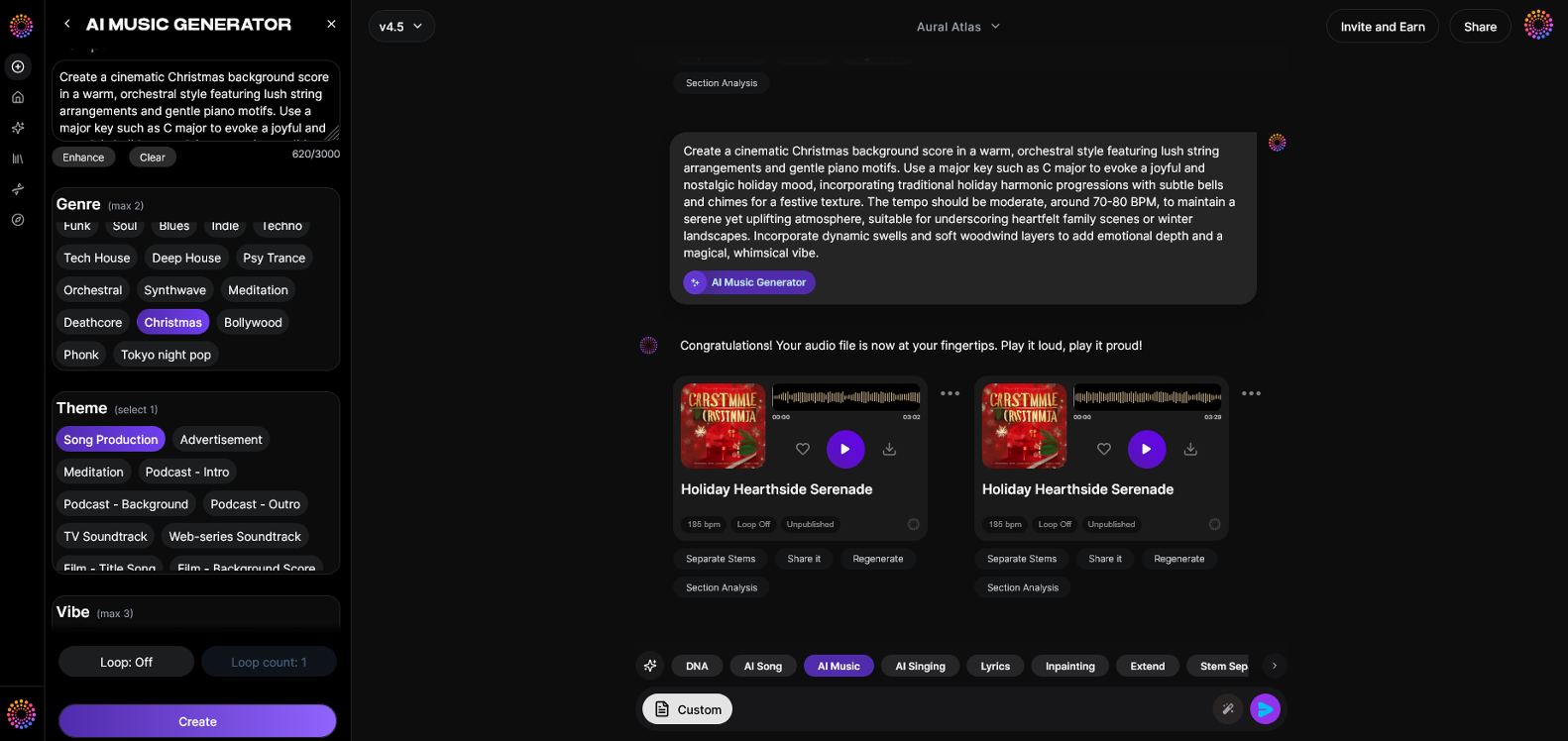
Now that you understand what defines the sad music genre, here is how to create it instantly using Soundverse.
Soundverse AI Music Generator enables users to create fully produced instrumental tracks from text prompts. This tool specializes in generating music without vocals—perfect for melancholic soundscapes, emotional backgrounds, or reflective loops.
Features and capabilities
- Text-to-Music Generation: Turn simple concepts like "slow piano heartbreak" into cinematic instrumentals.
- Loop Mode: Seamlessly repeat generated music for film or ambient playlists.
- Genre, Mood, and Instrument Control: Choose sadness intensity, instrument type, and pacing to design exactly the tone you want.
- V4 and V5 Models: Access different AI sound engines optimized for realism and emotion depth.
- Use Cases: Great for video background scoring, game atmospheres, meditation and wellness, or ad storytelling requiring emotional subtleties.
Soundverse’s accessible workflow allows creators across experience levels to write descriptions such as "melancholic piano with soft strings" and receive complete instrumental outputs suitable for licensing or publishing. It bridges creativity with emotional nuance, helping music enthusiasts craft sadness-driven art effortlessly.
For further exploration of genre creation, see How to Create Jazz Music with Soundverse AI or How to create healing meditation music with Soundverse AI.
Turn Emotions Into Music Instantly
Create heartfelt tracks across any mood or genre using Soundverse AI’s advanced text-to-music technology. Transform your emotions into stunning compositions in seconds—no musical expertise required.
Start Creating with Soundverse AI
- How to Create Healing Meditation Music with Soundverse AI — Explore how Soundverse’s AI tools can generate soothing meditation soundscapes perfect for relaxation or mindfulness.
- Generate AI Music with Soundverse Text-to-Music — Learn how to turn text prompts into music instantly using Soundverse’s AI-driven generation platform.
- Enhancing YouTube Content with Royalty-Free and Copyright-Free Music Using Soundverse AI — Discover how AI-generated music can elevate your YouTube videos while keeping them fully copyright-safe.
- How AI-Generated Music Is Transforming the Music Industry — Dive into the latest insights on how artificial intelligence is revolutionizing the way music is composed, produced, and consumed.
Here's how to make AI Music with Soundverse
Video Guide

Here’s another long walkthrough of how to use Soundverse AI.
Text Guide
- To know more about AI Magic Tools, check here.
- To know more about Soundverse Assistant, check here.
- To know more about Arrangement Studio, check here.
Soundverse is an AI Assistant that allows content creators and music makers to create original content in a flash using Generative AI.
With the help of Soundverse Assistant and AI Magic Tools, our users get an unfair advantage over other creators to create audio and music content quickly, easily and cheaply.
Soundverse Assistant is your ultimate music companion. You simply speak to the assistant to get your stuff done. The more you speak to it, the more it starts understanding you and your goals.
AI Magic Tools help convert your creative dreams into tangible music and audio. Use AI Magic Tools such as text to music, stem separation, or lyrics generation to realise your content dreams faster.
Soundverse is here to take music production to the next level. We're not just a digital audio workstation (DAW) competing with Ableton or Logic, we're building a completely new paradigm of easy and conversational content creation. TikTok: https://www.tiktok.com/@soundverse.ai Twitter: https://twitter.com/soundverse_ai Instagram: https://www.instagram.com/soundverse.ai LinkedIn: https://www.linkedin.com/company/soundverseai Youtube: https://www.youtube.com/@SoundverseAI Facebook: https://www.facebook.com/profile.php?id=100095674445607
Join Soundverse for Free and make Viral AI Music

We are constantly building more product experiences. Keep checking our Blog to stay updated about them!