What Is the Music Generation Link and How to Access It
Learn what the music generation link is in 2026 and how to access it using the Soundverse API for AI music creation and integration.
What Is the Music Generation Link and How to Access It
The rise of artificial intelligence in music has transformed how songs are composed, mixed, and distributed. By 2026, AI-powered tools have become essential for musicians, producers, and developers. Among these innovations is the music generation link, a concept that connects creators directly with advanced AI music generation platforms.
What Is the Music Generation Link?
The term music generation link refers to a digital gateway or API endpoint that enables users or applications to connect to music generation tools. It acts as a bridge between creators and artificial intelligence music systems, allowing them to generate songs, instrumentals, or soundscapes through simple commands or data exchanges.
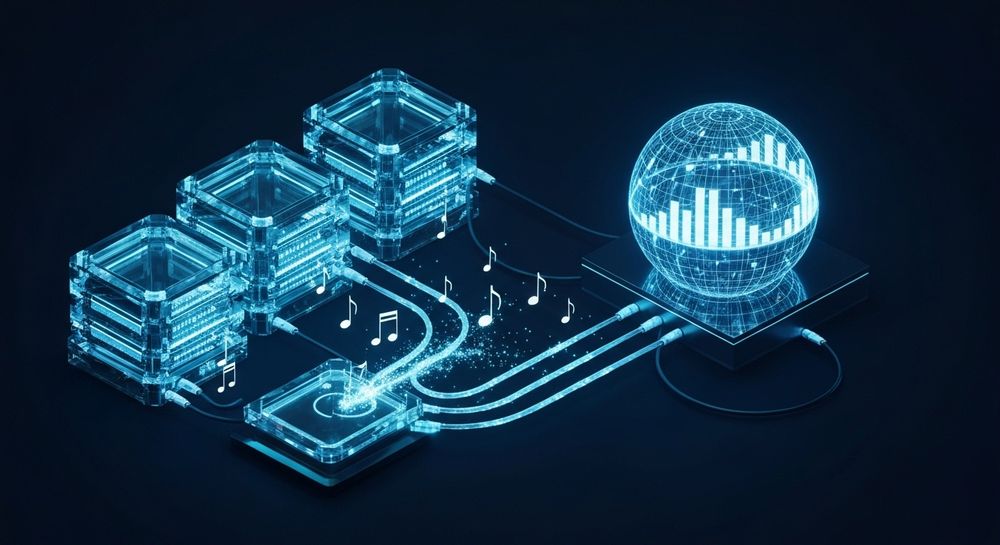
In simpler terms, the music generation link is what makes machine creativity accessible. Whether you're developing an app, creating background music for videos, or experimenting with new genres, this link provides direct access to AI-powered sound creation through backend integration.
Music generation links typically work through APIs (Application Programming Interfaces). These allow developers to send inputs — like text prompts, genre choices, or tempo settings — to an AI engine and receive music outputs in response. This technology powers platforms like Soundverse, giving professionals the flexibility to build custom music workflows.
How Does the Music Generation Link Work?
Understanding the mechanics behind a music generation link helps you grasp why it’s such a powerful innovation. Essentially, music generation APIs follow a pipeline of operations:
- Input Processing: The user or system sends a prompt or structured data — for instance, “create an ambient electronic track inspired by sunrise.”
- AI Analysis: The engine uses deep learning models to interpret the prompt, selecting rhythm, instrumentation, and style patterns relevant to the description.
- Generation Layer: The AI produces the requested music, often combining synthetic samples, AI-arranged instruments, and algorithmically evolved chord progressions.
- Response Delivery: The system returns a link or downloadable file containing the final track. This is the core of the music generation link — the endpoint where the generated content can be accessed, stored, or shared.
In 2026, most AI music creation services operate through asynchronous workflows — meaning the process involves submitting a generation request and later receiving the processed music output. This ensures stability, especially for enterprise-scale projects.
For a deeper dive, watch our guide on creating Deep House music and tutorial on how to make music with Soundverse.
Why Is the Music Generation Link Important for Creators?
For musicians and producers, the music generation link has changed collaboration and creation dynamics. Instead of manually designing every sound, AI complements creativity with computational power. Developers and platforms can integrate AI music directly into their apps, meaning they can generate endless tracks dynamically.
Here’s why creators and tech developers rely on music generation links in 2026:
- Seamless Automation: It removes the need for manual music production. With one API call, entire soundtracks can be generated.
- Scalable Integration: Businesses can embed AI music creation capabilities directly into their workflows, ideal for gaming, social media, and advertising apps.
- Creative Expansion: Artists explore new styles and genres faster, helping discover sounds they might never have crafted manually.
- Efficient Content Production: Video creators and streamers use AI to generate royalty-free background music instantly, reducing production costs.
The music generation link symbolizes the merging of creative art with modern technology — enabling machines and humans to co-compose in harmony.
What Are AI Music Generation Tools and Platforms?
AI music generation tools are the ecosystems behind the link. These include text-to-music generators, song creators, and orchestration platforms that use neural networks to produce music pieces from natural language descriptions.
Examples include:
- Soundverse – Enterprise-grade AI music creation suite powering a range of tools including instrumental and song generation.
- AIVA – A composing assistant for orchestral and cinematic music.
- Boomy – Simplifies song creation for casual users.
- Ecrett Music – Generates customizable background tracks.
These platforms use AI-driven music generation engines capable of identifying genres, mood, and tempo. While consumer tools cater to creators, developers access them through APIs — also known as the music generation link.
If you’re exploring the broader evolution of AI sound tools, read about how AI-generated music is transforming the music industry or how AI music generators and human composers collaborate for future innovation.
What Can You Do with a Music Generation Link in 2026?
In 2026, the potential of AI music APIs is immense. You can:
- Develop custom AI-driven apps: Integrate generative music features into mobile games or creative platforms.
- Generate dynamic audio for content: Automate background sound creation for films, ads, or social media posts.
- Prototype new genres: Experiment with AI’s interpretation of cross-genre prompts like “jazz meets techno” or “cinematic ambient with tribal percussion.”
- Build music personalization engines: Tailor music playback to user emotions, context, or activity using real-time input data — interpreted through asynchronous AI workflows.
In short, a music generation link allows limitless musical possibilities at scale. Whether you’re building an entertainment platform or enhancing user experiences, it transforms music creation into programmable creativity.
How to Access a Music Generation Link
Accessing a music generation link involves integration steps rather than direct manual usage. For developers, the process typically looks like this:
- Register for API Access: You sign up for an enterprise or developer account with the platform offering AI music APIs.
- Obtain API Keys: These keys authenticate requests between your app and the AI service.
- Connect Endpoints: You use REST endpoints to send structured requests containing generation parameters.
- Process and Retrieve Outputs: After the server processes the request asynchronously, you receive an active music generation link leading to downloadable or playable content.
To see practical applications of these links, explore examples like enhancing YouTube content with royalty-free AI music or creating meditation music with Soundverse AI.
How to Make Music Generation Links with Soundverse API
Now that you understand the concept and importance of music generation links, here is how you can create and access them instantly using Soundverse.
The Soundverse API is an enterprise-grade API designed specifically for programmatic access to Soundverse’s complete suite of AI music generation and modification tools. Through REST endpoints and batch processing capabilities, developers can integrate features like DNA modeling and automated song generation directly into their own platforms.
Key Features of Soundverse API
- REST Endpoints: Allow developers to send music generation requests securely and retrieve results through structured data workflows.
- Batch Processing: Enables large-scale music generation for multiple prompts, ideal for production studios or entertainment apps.
- DNA Integration: Supports advanced customization through unique musical DNA data, letting creators reuse sonic identities across projects.
Typical Use Cases
- Third-Party App Integration: Embed AI music generation features directly into external platforms and apps.
- Automated Content Generation: Scale music production for games, ads, podcasts, and video creators.
- Platform Development: Build new AI-driven creative ecosystems utilizing music generation at their core.
Developers can request access through Soundverse’s enterprise portal to set up their API keys and begin generating music programmatically. Once implemented, every output comes as a music generation link — securely connecting applications to produced audio assets.
If you’re interested in similar integrations and advanced features of AI creation, visit Soundverse AI Magic Tools or learn about Soundverse's stem separation technology.
Start Generating Music Instantly with Soundverse
Transform your creative ideas into full musical compositions using AI. Join thousands of artists exploring limitless genres, themes, and vibes through the music generation link.
- Generate AI Music with Soundverse Text-to-Music — Discover how Soundverse’s text-to-music tool helps you create unique tracks just by describing your desired sound.
- Soundverse AI Magic Tools: Create Content Quickly with AI — Learn how to speed up your content creation using Soundverse’s suite of creative AI tools designed for rapid music generation.
- Now Generate Music with Filters Such as Genre, Theme, Instruments, or Even Vibe — Explore how Soundverse allows creators to tailor AI-generated tracks perfectly with flexible filtering options.
- What AI Can Generate Songs — Understand which AI systems are shaping the future of automated music creation and how Soundverse stands out.
Here's how to make AI Music with Soundverse
Video Guide
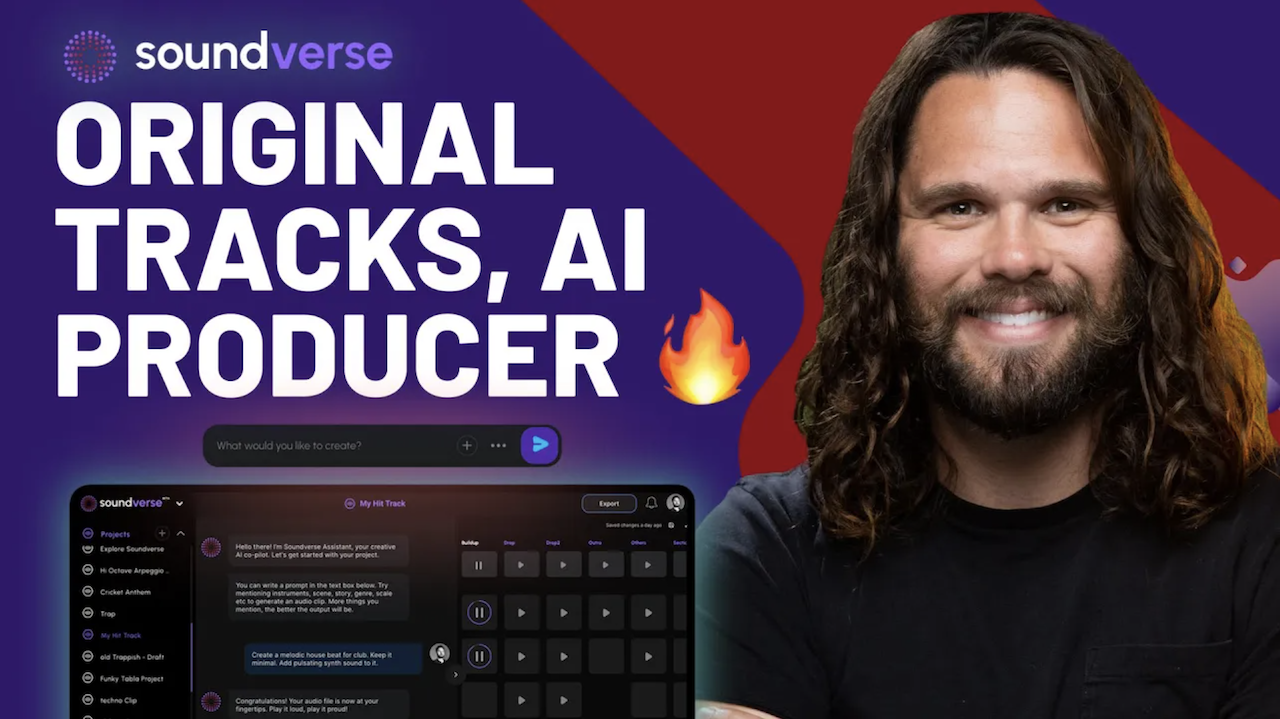
Here’s another long walkthrough of how to use Soundverse AI.
Text Guide
- To know more about AI Magic Tools, check here.
- To know more about Soundverse Assistant, check here.
- To know more about Arrangement Studio, check here.
Soundverse is an AI Assistant that allows content creators and music makers to create original content in a flash using Generative AI. With the help of Soundverse Assistant and AI Magic Tools, our users get an unfair advantage over other creators to create audio and music content quickly, easily and cheaply. Soundverse Assistant is your ultimate music companion. You simply speak to the assistant to get your stuff done. The more you speak to it, the more it starts understanding you and your goals.
AI Magic Tools help convert your creative dreams into tangible music and audio. Use AI Magic Tools such as text to music, stem separation, or lyrics generation to realise your content dreams faster.
Soundverse is here to take music production to the next level. We're not just a digital audio workstation (DAW) competing with Ableton or Logic, we're building a completely new paradigm of easy and conversational content creation.
TikTok: https://www.tiktok.com/@soundverse.ai
Twitter: https://twitter.com/soundverse_ai
Instagram: https://www.instagram.com/soundverse.ai
LinkedIn: https://www.linkedin.com/company/soundverseai
Youtube: https://www.youtube.com/@SoundverseAI
Facebook: https://www.facebook.com/profile.php?id=100095674445607
Join Soundverse for Free and make Viral AI Music

We are constantly building more product experiences. Keep checking our Blog to stay updated about them!