What Is the Genre for Sad Books Called?
Discover the literary genres for sad books in 2026—from tragic literature to emotional fiction.
What Is the Genre for Sad Books Called?
In the world of literature, emotion reigns supreme. Readers are not only drawn to thrilling mysteries or breathtaking romances; they also crave stories that make them cry, reflect, and connect. But what exactly do we call the genre dedicated to sadness and emotional depth? The genre for sad books doesn’t come with a single label—it spans multiple literary forms that evoke empathy, heartbreak, and catharsis. In 2026, as emotional storytelling continues to dominate both traditional and digital platforms, understanding sad book genres has become essential for writers, readers, and book reviewers alike.
What Are Sad Book Genres?
Sad book genres are those that prioritize emotional resonance through themes of loss, grief, sacrifice, and human fragility. Unlike thrilling genres that focus on external action, these genres delve into internal worlds—feelings of sorrow, longing, disappointment, and redemption. The defining element of these genres is their ability to trigger intense emotional reactions, often leaving readers in tears or deep contemplation.
Readers often describe such books as “tearjerkers” or “heartbreaking reads.” Authors use dramatic storytelling and vivid emotional detail to immerse readers fully in the characters’ emotions. From classic tragedies to contemporary emotional fiction, these works have a timeless appeal, offering both pain and healing in the form of art.

What Are the Main Subgenres of Sad Books?
1. Tragic Literature
Tragic literature is one of the oldest forms of sad storytelling, tracing back to ancient Greek plays and Shakespearean dramas. Centered on human flaws and fate, tragedy explores how characters fall from grace or lose everything they love. Popular modern examples may include novels dealing with fatal love stories or irreparable mistakes. Learn more in the 7 Saddest Books You Must Read In 2026 list.
2. Emotional Fiction
Emotional fiction focuses on deep psychological experiences rather than grand events. These stories often tackle personal loss, existential issues, or moral dilemmas that reshape characters’ lives. Emotional fiction in 2026 continues to thrive across genres—from contemporary drama to introspective literary fiction—thanks to digital reading communities that favor authentic emotional representation. Discover upcoming releases in Most Anticipated Fiction of 2026.
3. Tearjerker Novels
The term “tearjerker” refers to novels written specifically to provoke tears. These stories often center around illness, loneliness, death, or the separation of loved ones. Their power lies in their relatability—most readers connect instantly to heartbreak, compassion, and resilience. Tearjerker novels are often categorized as part of heartbreaking books collections, gaining traction especially in audiobooks and short fiction formats.
4. Dramatic Storytelling
While not exclusively sad, dramatic storytelling carries intensity that amplifies emotional weight. In sad book genres, drama transforms ordinary sadness into a compelling emotional arc. This style combines narrative suspense, vivid dialogue, and layered psychology, helping readers understand how sorrow shapes human behavior.
5. Psychological Realism
Many sad books fall under psychological realism—stories that dwell deeply on a character’s mental state during loss or trauma. Unlike melodrama, psychological realism offers subtle emotional exploration. It has become increasingly popular with readers looking for nuanced portrayals of grief and self-discovery.
6. Romantic Tragedy
Romantic tragedy is another cornerstone of emotional storytelling, where love becomes intertwined with loss. From doomed romances to bittersweet farewells, these stories blend intimacy with pain. This subgenre continues to perform strongly in 2026, with ebook sales revealing that readers frequently seek cathartic love stories to process their emotions. Explore examples listed in 29 Books Coming In 2026 You Need to Know About.
Why Do Readers Love Heartbreaking Books?
The appeal of heartbreaking books lies in emotional release. Reading about sadness allows people to explore feelings they might suppress in real life. Whether confronting mortality or understanding empathy, sad novels offer readers psychological comfort amid discomfort.
In recent literary discussions, psychologists have noted that readers who enjoy sad books often report higher emotional intelligence. They relate deeply to characters’ struggles and view sadness as an opportunity for growth. This makes sad book genres not just emotionally engaging but also intellectually and spiritually rewarding.
How Sad Book Genres Influence Modern Writing in 2026
By 2026, the rise of AI-assisted writing tools and emotionally driven content creation has transformed how authors craft emotional fiction. Writers now study reader sentiment analytics to predict emotional engagement trends. Whether creating tragic short stories or reflective prose poems, the goal remains the same—to make readers feel.
Genres such as tragic literature and tearjerker novels have also inspired crossover formats, such as hybrid audiobooks that use music and voice acting to emphasize emotion. Platforms like Soundverse lead the charge in integrating emotional tone generation for storytelling and songwriting, allowing creators to translate literary moods into lyrical compositions. For a deeper dive, watch our guide on how to make music from the Soundverse Tutorial Series.
For example, when discussing music creation on Soundverse’s platform (Soundverse AI Magic Tools), writers can inspire melody through emotion—linking literature and music. Similarly, understanding sad book genres helps songwriters and lyricists explore the intersection between narrative tragedy and musical melancholy.
How Sad Stories Reflect in Other Art Forms
Sad book genres are deeply interconnected with other creative domains such as cinema and songwriting. In film, dramatic storytelling mirrors literary tragedy—think of how characters’ downfalls or sacrifices capture the emotional essence of human experience. In music, emotional fiction translates naturally into lyrical themes of heartbreak and loss.
Artists exploring these topics often use AI tools like Soundverse Arrangement Studio to translate written emotions into soundscapes. The emotional depth found in sad literature fuels entire creative ecosystems—from podcasts and visual art to cinematic scoring. You can also follow our Explore Tab tutorial for more creative examples.
Examples of Sad Book Themes
Sad book genres frequently address universal human experiences that evoke empathy. Common themes include:
- Loss of a loved one
- Unfulfilled dreams or missed opportunities
- Isolation and loneliness
- Sacrifice for others
- Searching for meaning amid despair
Each theme provides a space for readers to reflect and heal. In 2026, book reviewers categorize such works not only by genre but also by emotional tone. The blending of literary aesthetics and real psychological representation remains key to how today’s critics define the emotional impact of fiction.
How to Make Emotional Storytelling More Powerful
Writers seeking to enhance their craft should focus on authenticity. True emotional fiction doesn’t rely on exaggerated sorrow; it springs from real emotion and character evolution. Using realistic dialogue, vivid imagery, and slow narrative pacing can make sadness resonate naturally.
Writers also take inspiration from creative platforms like Soundverse, which exemplifies the role of mood and tone customization across artistic mediums. Similar approaches allow authors to think musically—how rhythm, silence, and repetition mirror emotional flow.
How to Make Sad Book Content with Soundverse AI Lyrics Writer
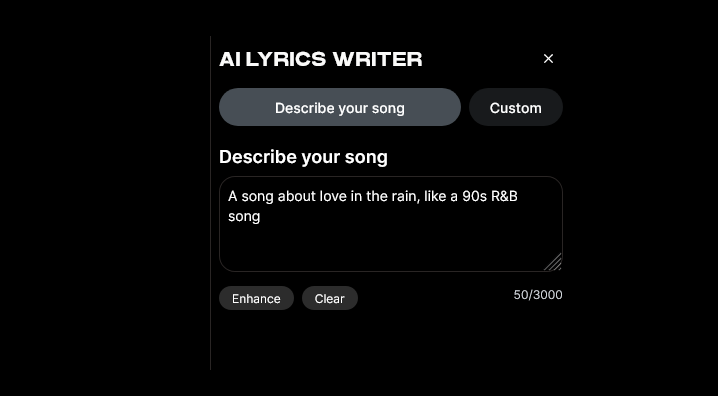
Now that you understand sad book genres, here’s how you can create emotionally resonant lyrical or narrative content instantly using Soundverse AI Lyrics Writer.
Soundverse’s AI Lyrics Writer lets creators generate structured song lyrics based on tone, theme, and genre—making it ideal for adapting emotional fiction or tragic literature into musical compositions. With capabilities such as Verse, Chorus, Bridge structuring and complete mood customization, it’s perfect for converting narrative sadness into song form.
Core Capabilities
- Structure Generation: Automatically arranges lyrics into coherent formats matching literary progression.
- Mood & Genre Customization: Allows writers to select emotional tones—melancholic, tragic, bittersweet—to mirror sad book genres.
- Partial Lyric Completion: Fills missing emotional transitions or metaphoric phrases based on the chosen theme.
- Integrated 'Help Me Write' Workflow: Assists users in capturing the right sentiment without losing creative control.
Practical Use Cases
- Overcoming writer’s block—especially when translating emotional fiction into song language.
- Creating educational examples that explain how tragedy and lyrical sadness interact.
- Drafting lyrics for projects built with the AI Song Generator, linking literature and music seamlessly.
If you are exploring emotional storytelling further, check out Soundverse resources such as How AI Generated Music Is Transforming the Music Industry, Join the Soundverse Affiliate Program, and Generating AI Music with Soundverse Text-to-Music.
Turn Emotions Into Music With Soundverse AI
Create soundscapes that capture the melancholy and depth of your favorite sad book genres. Soundverse lets you transform moods and stories into limitless musical expressions within minutes.
- The Role of AI Music in Film and Television: Discover how AI-generated music helps capture emotion and enhance storytelling in cinematic experiences.
- How to Create Healing Meditation Music with Soundverse AI: Explore how Soundverse AI helps you craft soothing, mindful melodies inspired by emotion and mood.
- Most Popular Music Genres: Get an overview of today’s most-loved music genres and how they influence emotional and creative expression.
- How an AI Music Generator Inspires Creative Fusion: Learn how AI tools inspire creators to merge emotion, narrative, and sound into deeply compelling art.
Here's how to make AI Music with Soundverse
Video Guide

Here’s another long walkthrough of how to use Soundverse AI.
Text Guide
- To know more about AI Magic Tools, check here.
- To know more about Soundverse Assistant, check here.
- To know more about Arrangement Studio, check here.
Soundverse is an AI Assistant that allows content creators and music makers to create original content in a flash using Generative AI. With the help of Soundverse Assistant and AI Magic Tools, our users get an unfair advantage over other creators to create audio and music content quickly, easily and cheaply. Soundverse Assistant is your ultimate music companion. You simply speak to the assistant to get your stuff done. The more you speak to it, the more it starts understanding you and your goals. AI Magic Tools help convert your creative dreams into tangible music and audio. Use AI Magic Tools such as text to music, stem separation, or lyrics generation to realise your content dreams faster. Soundverse is here to take music production to the next level. We're not just a digital audio workstation (DAW) competing with Ableton or Logic, we're building a completely new paradigm of easy and conversational content creation.
TikTok: https://www.tiktok.com/@soundverse.ai
Twitter: https://twitter.com/soundverse_ai
Instagram: https://www.instagram.com/soundverse.ai
LinkedIn: https://www.linkedin.com/company/soundverseai
Youtube: https://www.youtube.com/@SoundverseAI
Facebook: https://www.facebook.com/profile.php?id=100095674445607
Join Soundverse for Free and make Viral AI Music

We are constantly building more product experiences. Keep checking our Blog to stay updated about them!