What Is the Beat of Music? Understanding Rhythm and Timing in 2026
Discover what the beat of music means, how rhythm and tempo shape songs, and how Soundverse AI makes learning and creating beats easy.
What Is the Beat of Music?
Music is often described as a universal language, one that transcends words and evokes emotion through sound and rhythm. At the very core of this beautiful art form lies a fundamental concept — the beat of music. It serves as the invisible pulse that keeps the structure alive, guiding performers and listeners alike through a piece’s rhythm and energy. In 2026, as more students and creators explore AI-generated compositions, understanding the beat of music is essential not only for traditional musicians but also for those utilizing cutting-edge platforms like Soundverse.
What Is the Beat of Music?

The beat of music refers to the basic unit of time in a musical composition — the steady pulse you tap your foot to when listening to a song. It is the heartbeat of rhythm that structures the listener's experience. In technical terms, a beat divides time into equal segments so musicians can coordinate their performances. According to AIMM, a beat is the regular pulse that underlies a piece of music and gives it consistent rhythm. Whether you're studying classical compositions or experimenting with AI-generated instrumentals, understanding beats helps you interpret and create cohesive sound patterns.
Each musical piece operates within a time signature, which determines how beats are grouped. For example, a 4/4 time signature implies four beats in each measure, while 3/4 indicates three. The beats themselves can vary in speed — known as tempo in music — and strength, influencing both the mood and movement of a piece.
How Does Beat Relate to Music Rhythm?
Music rhythm describes the combination of beats and note durations that form the structure of a melody. Rhythm gives motion and shape to music. When the beats are steady and regular, listeners can anticipate movement and dance accordingly. On the other hand, irregular rhythms evoke tension, curiosity, or surprise. Resources like Hoffman Academy’s definition emphasize that a steady beat is a consistent pulse synchronizing musicians.
For beginners, identifying rhythm starts with feeling the beat first. In songs, percussion instruments often establish this steady foundation. Drum patterns emphasize strong and weak beats, helping musicians navigate timing. By mastering rhythm, artists can craft grooves that resonate powerfully with listeners.
Rhythm also connects deeply with musical timing. As stated in Music Theory for the 21st-Century Classroom, timing ensures every sound, pause, and accent falls precisely where it should — an essential skill for performers and composers aiming to maintain harmony among various instruments. For a deeper dive, watch our guide on how to make music and learn rhythm visualization.
Why Is Tempo Important in Music?
Tempo in music defines how fast or slow the beats occur. Measured in beats per minute (BPM), tempo profoundly affects a piece’s energy. For instance, a rapid tempo conveys excitement or urgency, common in electronic dance tracks, while slower tempos evoke introspection, commonly found in jazz or ambient music.
In 2026, musicians utilize AI tools to experiment with different tempos effortlessly. Platforms such as Soundverse allow creators to adjust tempo digitally without losing musical integrity. Modern creators use this technique to produce multiple versions of a soundtrack to fit various moods — from fast-paced gaming environments to relaxing meditation sessions. You can also explore our Deep House music tutorial to see AI tempo generation in practice.
What Are the Elements of Music That Shape Beats?
When learning about beats, understanding the broader elements of music enriches the study. These elements include:
- Pitch – Determines the note’s frequency and tone quality.
- Dynamics – Defines volume variations that give emotional texture.
- Tempo – Sets the pace of beats per minute.
- Rhythm – Structures the pattern of beats and rests.
- Harmony – Combines notes forming chords.
- Form – Dictates the overall architecture of a piece.
Each of these components interacts with the beat to maintain musical balance. The beat provides a stable framework that synchronizes melody and harmony, ensuring coherence within compositions. Students often find this relationship helpful when studying how different genres employ rhythm uniquely.
How Do We Perceive Beats?
Humans are naturally rhythm-sensitive. Psychological studies reveal our brains respond instinctively to regular beats, aligning physical movements with audio cues. This synchronization helps performers maintain musical timing, while audiences feel rhythm emotionally — they dance, nod, and sway thanks to this connection.
In AI-generated compositions, beat perception evolves through advanced algorithms. Systems analyze tempo and rhythmic structure to mimic human understanding. Soundverse’s new generative models (V4 and V5) interpret beat-based instructions with remarkable precision, producing instrumentals that feel naturally human. You can learn more by watching the “Explore” tab walkthrough on the Soundverse YouTube channel.
How Has Technology Changed Beat Creation in 2026?
In recent years, music creation witnessed a massive transformation. Between 2024 and 2025, AI tools began assisting musicians in composing rhythm tracks faster. By 2026, the focus shifted toward creating fully produced instrumental soundscapes using text-to-music technology. This innovation allows creators to describe desired mood and tempo, letting AI craft beats automatically.
For example, according to insights from Soundverse’s AI Magic Tools, content creators now generate professional background tracks within minutes. These tools handle looping, genre adjustments, and even tempo variations, making beat generation accessible for beginners.
Platforms like Soundverse also enhance creativity by blending inspiration from existing music. The Similar Music Generator offers users the ability to produce instrumentals inspired by reference tracks — ideal for directors and composers needing beats that match film vibes without copyright concerns.
How to Make Music with a Perfect Beat Using Soundverse AI Music Generator
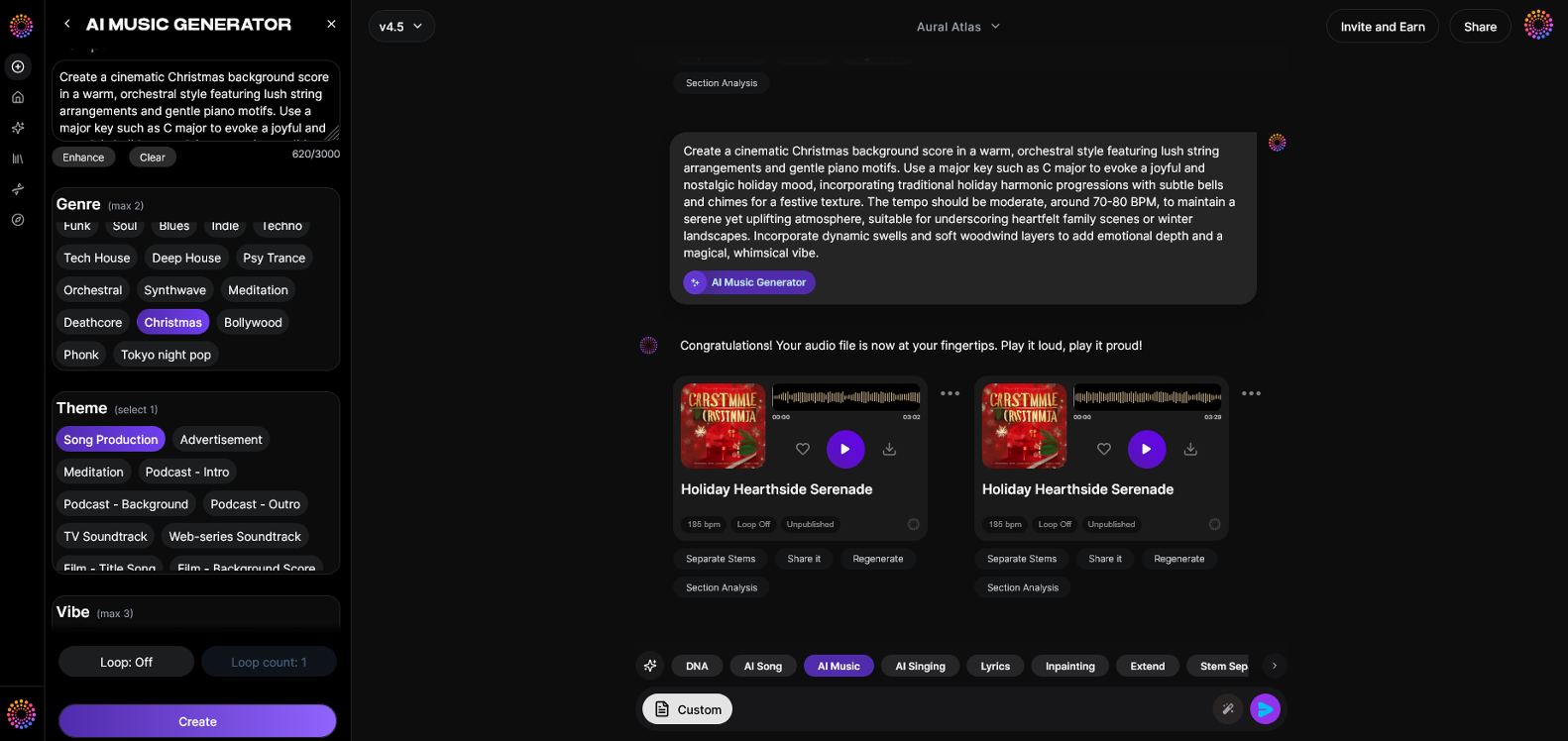
Soundverse’s AI Music Generator represents a cutting-edge solution for creating instrumentals that capture rhythm and structure seamlessly. It specializes in producing background tracks, beats, and soundscapes without vocals. This tool is built around AI-driven understanding of rhythm, tempo, and looping, perfect for users wanting consistent beats across cinematic, commercial, or meditative compositions.
Features That Shape Beat Creation:
- Text-to-Music Generation: Describe your composition’s style, mood, or tempo using simple text prompts.
- Loop Mode: Seamlessly repeats sections to maintain rhythm continuity.
- Genre, Mood, and Instrument Control: Choose instruments or sound types defining specific beat energies.
- V4 and V5 Model Options: Offer enhanced rhythmic realism and musical detail.
Use Cases Include:
- Video background scores.
- Game soundtrack loops.
- Meditation and relaxation tracks.
- Advertising and brand jingles.
Creators exploring beat dynamics can also combine Soundverse’s Voice to Instrument tool, transforming vocal ideas or beatboxing into percussion or instrumental elements. This ensures even without formal music knowledge, anyone can convert creativity into professionally timed beats.
For those interested in deeper industry context, check out Music Industry Trends highlighting how AI platforms redefine how beats and rhythm are composed globally.
Why Students and Beginners Should Learn About Beats
Understanding beats isn’t just about tapping your foot; it builds foundational awareness of musical timing and structure. Students learning with AI-based systems find it easier to visualize how rhythm interacts with melody. When experimenting with the Soundverse Arrangement Studio, adjusting tempo becomes intuitive, promoting creativity and analytical listening.
Beginners especially benefit from hearing how beats apply across genres. For example, in pop songs, steady 4/4 beats drive energy; in jazz, complex time signatures create improvisational intrigue; in ambient tracks, long sustained beats convey space and calmness. Studying such variations improves appreciation and performance.
Start Creating Music That Moves to Your Beat
Bring your musical ideas to life with Soundverse’s AI-powered music generation and composition tools. Whether you’re a beginner or a pro, create tracks aligned perfectly with your vision and rhythm.
Create Your First Track
Related Articles
- Generate AI Music with Soundverse Text-to-Music — Discover how to turn written prompts into full-fledged musical compositions using Soundverse’s innovative text-to-music technology.
- The Role of AI Music in Film and Television — Explore how AI is shaping the soundtracks of movies and series, offering creators unprecedented flexibility and originality.
- Most Popular Music Genres — Learn what defines today’s most popular music genres and how rhythm and beat play a key role in shaping audience appeal.
- How an AI Music Generator Inspires Creative Fusion — Find out how AI tools like Soundverse help artists merge styles and rhythms into unique, genre-defying soundscapes.
Here's how to make AI Music with Soundverse
Video Guide
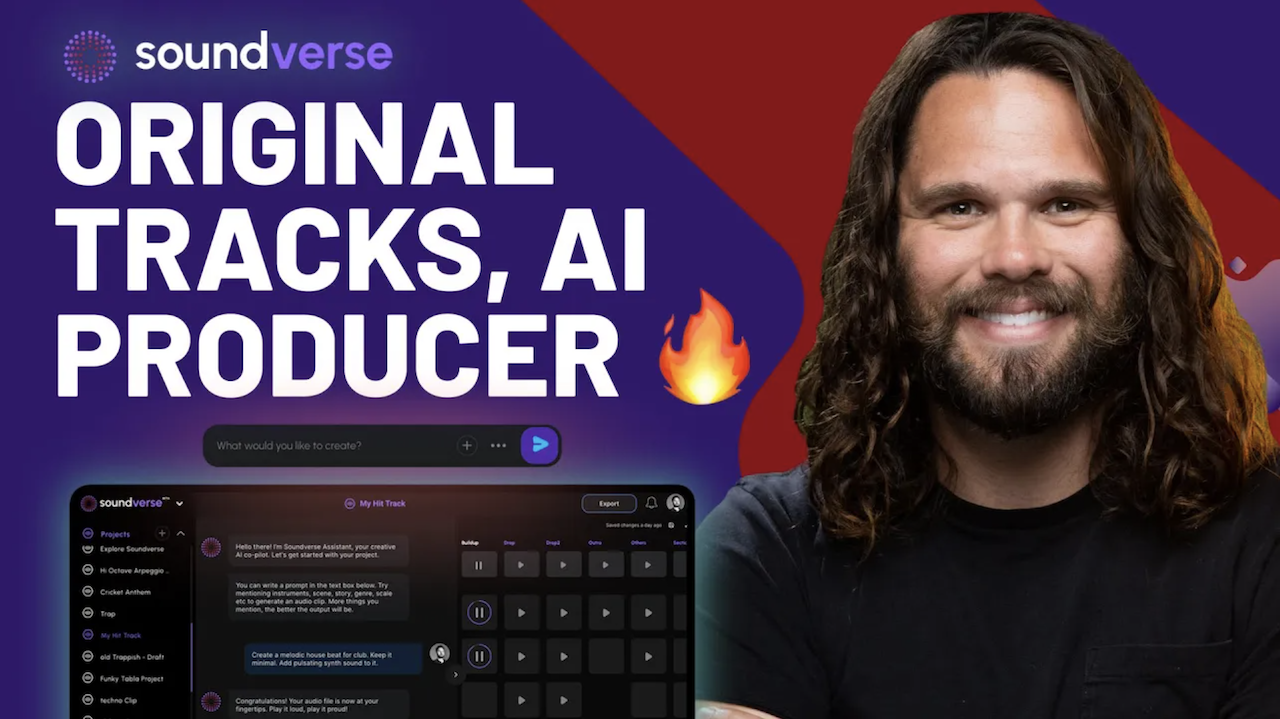
Here’s another long walkthrough of how to use Soundverse AI.
Text Guide
- To know more about AI Magic Tools, check here.
- To know more about Soundverse Assistant, check here.
- To know more about Arrangement Studio, check here.
Soundverse is an AI Assistant that allows content creators and music makers to create original content in a flash using Generative AI. With the help of Soundverse Assistant and AI Magic Tools, our users get an unfair advantage over other creators to create audio and music content quickly, easily and cheaply. Soundverse Assistant is your ultimate music companion. You simply speak to the assistant to get your stuff done. The more you speak to it, the more it starts understanding you and your goals. AI Magic Tools help convert your creative dreams into tangible music and audio. Use AI Magic Tools such as text to music, stem separation, or lyrics generation to realise your content dreams faster. Soundverse is here to take music production to the next level. We're not just a digital audio workstation (DAW) competing with Ableton or Logic, we're building a completely new paradigm of easy and conversational content creation.
TikTok: https://www.tiktok.com/@soundverse.ai
Twitter: https://twitter.com/soundverse_ai
Instagram: https://www.instagram.com/soundverse.ai
LinkedIn: https://www.linkedin.com/company/soundverseai
Youtube: https://www.youtube.com/@SoundverseAI
Facebook: https://www.facebook.com/profile.php?id=100095674445607
Join Soundverse for Free and make Viral AI Music

We are constantly building more product experiences. Keep checking our Blog to stay updated about them!