What Is Melancholy Music? Understanding Its Emotion and Sound in 2026
Explore melancholy music, its emotional depth, and how to create it using AI tools like Soundverse in 2026.
What Is Melancholy Music?
In the world of music, emotion is the invisible thread that binds melody, rhythm, and harmony together. Among the most evocative forms of expression is melancholy music—a genre that captures sorrow, introspection, and deep emotional resonance. As listeners increasingly seek songs that reflect their inner worlds, melancholy music continues to flourish in 2026, bridging the gap between sadness and beauty.
What is melancholy music?
Melancholy music can be described as compositions that evoke feelings of sadness, nostalgia, or introspection. Its power lies in subtlety—it doesn’t simply sound sad, but rather explores emotional complexity. This type of music often utilizes slower tempos, minor keys, and sparse instrumentation to elicit deep emotional reactions.
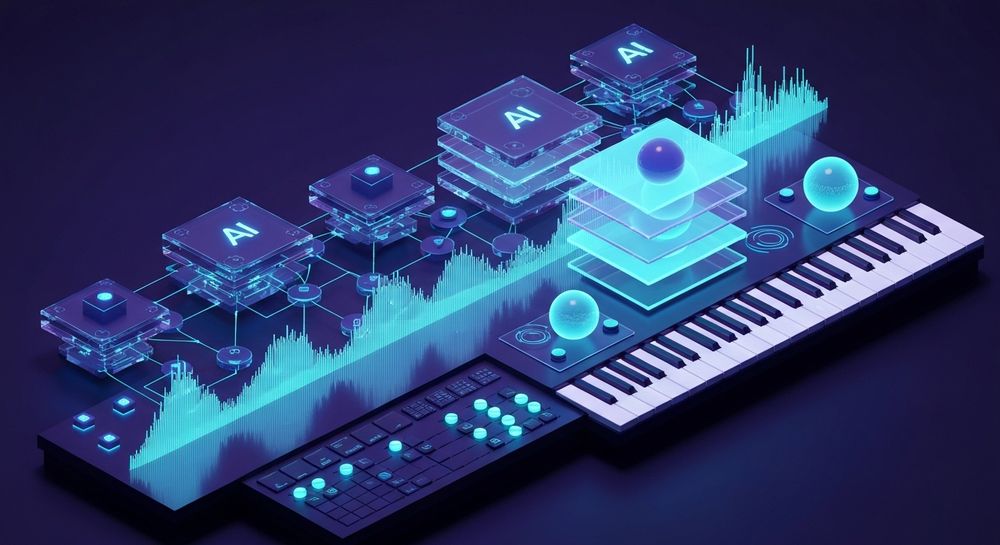
Unlike outright sad music, which directly portrays grief or loss, melancholy pieces often blend sorrow with calm reflection. It's the musical equivalent of remembering something beautiful yet painful—an emotional duality that resonates deeply with listeners.
Genres that frequently embody melancholy include ambient, classical, indie folk, post-rock, lo-fi, and certain cinematic soundscapes. Composers and producers often use atmospheric pads, delicate piano lines, or reverberated guitar tones to capture the haunting serenity that defines melancholic sound.
Why does melancholy music evoke such emotion?
Music that evokes sadness triggers powerful psychological responses. Scientists have found that listeners experience increased dopamine release when engaging with emotional songs—even those that evoke sorrow. The reason is paradoxical: humans find comfort and connection in shared emotional depth.

In 2026, streaming data shows that playlists labeled as “melancholic” or “sad” have surged in popularity, especially among younger listeners seeking emotional authenticity. From cinematic compositions to minimalist lo-fi beats, melancholy music speaks to the collective mood of a reflective generation.
The ability of music to mirror emotion depends on its fundamental elements:
- Harmony – Songs written in minor keys or using dissonant intervals create tension and unease, which the brain interprets as sadness.
- Tempo and Rhythm – Slow, deliberate rhythms mirror the natural pace of reflection and grief.
- Instrumentation – Strings, soft piano, and atmospheric synths have a proven capacity to convey emotion.
- Dynamics – Quiet passages and gradual crescendos build an emotional arc that mimics how humans process sadness.
- Production Techniques – Reverb, echo, and ambient textures provide space and depth, mimicking memory and distance.
Melancholy music goes beyond mere composition; it creates an immersive emotional space—inviting listeners not just to hear but to feel.
How has melancholy music evolved by 2026?
In the early 2020s, artists used digital tools to enhance emotional storytelling. By 2026, this evolution has reached new creative heights. Musicians now experiment with AI-assisted composition and hybrid genres that blend organic instruments with algorithmic sound design.
Platforms like Soundverse have made it possible for anyone to express emotion through music by turning text prompts into fully realized instrumental works. This democratization of music creation has led to an explosion of personalized mood-based compositions.
AI-generated music inspired by melancholy themes often features cinematic atmospheres, gentle piano motifs, and textural layering. Unlike mass-produced tracks, these AI pieces can be tailored to the user’s emotional intent—whether crafting background music for a short film or reflective compositions for meditation playlists.
Recent innovations such as Soundverse’s AI Music Generator exemplify how listeners and creators interpret melancholy soundscapes differently. Whereas musicians in 2024 focused on producing lo-fi sadness or ambient comfort, 2026 pushes toward immersive emotional design—music that responds not just to style but to psychological tone.
For more on how AI is shaping artistic direction, explore how AI-generated music is transforming the music industry.
For a deeper dive, watch our guide on creating Deep House music or how to make music with Soundverse to understand text-to-sound creation workflows.
What distinguishes melancholy music from sad music?
Although the terms are often used interchangeably, there are nuanced differences between melancholy and sad music. While both deal with emotional tension, melancholy implies reflective sadness—something beautiful yet bittersweet. Sad music can be immediate and raw, whereas melancholic compositions are contemplative, emphasizing texture and pacing rather than intensity.
Emotional songs in the melancholy category aim to evoke empathy rather than despair. They often invite the listener to find peace in sorrow—a healing process through introspection. In contrast, outright sad music can have cathartic effects, helping listeners externalize grief.
Understanding this distinction is crucial for composers seeking to craft specific moods in music. Whether you want the wistful longing of a fading memory or the cinematic depth of unresolved emotion, knowing how subtle harmonic and rhythmic decisions affect listener perception is key. For example, mixes that enhance mid-frequency warmth tend to feel nostalgic, whereas colder high-end tones can add emotional distance.
The role of AI music in film and television demonstrates how melancholy soundscapes have become pivotal in storytelling—perfect for emotional scenes, flashbacks, or meditative moments.
Why do modern audiences resonate with melancholy sound?
In a digital age where most experiences are fast-paced, melancholy music offers space to breathe. Listeners use these tracks for introspective activities—writing, meditation, or creative focus.
In 2026, algorithms across streaming platforms classify moods more accurately, curating playlists not just by genre but by emotional context. This shift reflects how deeply audiences value authenticity and emotional balance.
Moreover, creators use tools like Soundverse’s AI Magic Tools to design purpose-driven compositions that fit modern emotional needs—soundtracks for mindfulness apps, cinematic projects, or personalized therapy sessions.
Melancholy music represents an empathetic art form for an interconnected yet emotionally fragmented world.
How can composers create authentic melancholy music?
To compose convincing melancholy music, one must think beyond sadness. Focus on emotional storytelling—what journey should the listener experience? Is it longing, regret, or quiet reflection?
Start with tone and texture: select instruments that resonate with emotional depth such as piano, cello, or ambient synth layers. Experiment with harmonic movement that lingers—suspensions, unresolved chords, and lento rhythms. Space is also vital; silence between notes often amplifies impact.
Incorporating natural imperfections can enhance authenticity. Lo-fi techniques, tape hiss, or slightly detuned instruments simulate memory and vulnerability. As seen in creating faceless video messages with AI tools, combining human imperfection with artificial intelligence yields powerful emotional atmospheres.
Modern composers also integrate cultural influences—melancholic motifs in jazz, folk, or electronic minimalism—to maintain freshness. Whether writing meditative pieces or game soundtracks, the emotional core remains universal.
How to make melancholy music with Soundverse AI Music Generator
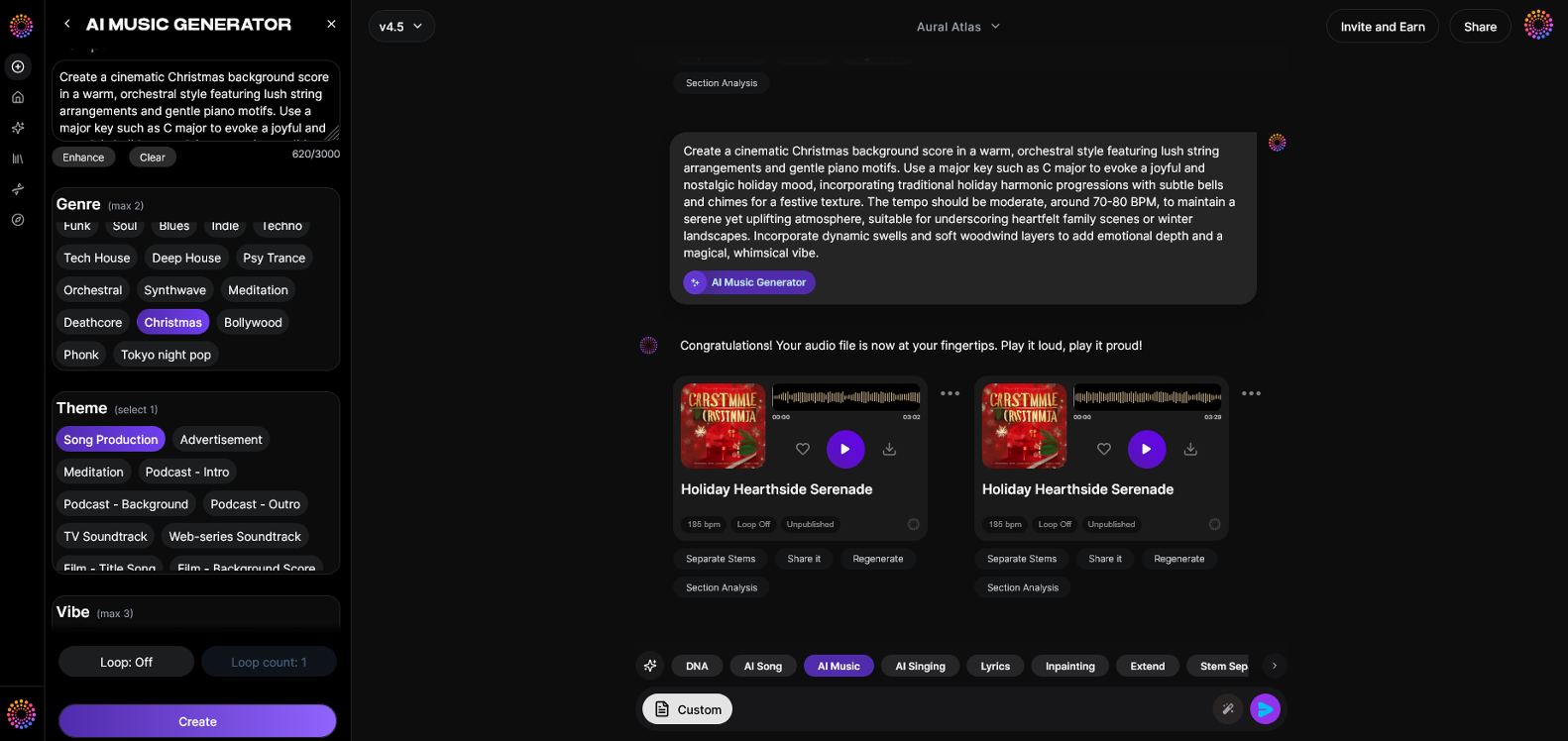
Now that you understand the emotional and theoretical essence of melancholy music, here is how to create it instantly using Soundverse.
The Soundverse AI Music Generator enables users to create fully produced instrumental tracks from simple text prompts. Its advanced text-to-music engine allows precise control over genre, instrumentation, and mood—essential for crafting rich melancholic soundscapes.
Core Capabilities:
- Text-to-music generation
- Loop Mode for seamless repetition
- Detailed genre and mood control (choose melancholy, cinematic, ambient, or minimal)
- V4 and V5 Model options for premium production quality
Primary Use Cases:
- Background music for films or emotional video scenes
- Game soundtracks and ambient loops
- Meditation and wellness tracks
- Advertising and commercial scoring needing emotional depth
To create melancholy music:
- Access the AI Music Generator from the main Soundverse interface.
- Enter a text description such as “slow ambient piano with nostalgic mood.”
- Choose duration and style suitable for your project.
- Generate and export the final instrumental piece for integration.
You can also explore the best AI music generator comparisons and reviews to understand Soundverse’s position among top creative platforms.
By using the AI Music Generator, composers unlock limitless potential—creating melancholy, euphoric, or serene music tailored to any project, without complex production setups. It’s more than a tool; it’s an emotional collaborator.
Create Your Own Melancholy Music with AI
Transform emotions into sound with Soundverse’s AI-driven platform. Generate original, royalty-free tracks that capture the essence of melancholy and elevate your content or personal projects.
Start Creating Now
Related Articles
- How to Create Healing Meditation Music with Soundverse AI – Discover how to blend calm and emotion using Soundverse’s AI tools to create soothing meditation tracks.
- How an AI Music Generator Inspires Creative Fusion – Learn how AI technology encourages new forms of creativity by merging genres and emotional tones.
- Most Popular Music Genres – Explore the world’s most loved music genres and what makes their emotional storytelling so powerful.
- The Role of AI Music in Film and Television – Uncover how AI-generated music enhances emotional depth and mood in visual storytelling.
Here's how to make AI Music with Soundverse
Video Guide

Here’s another long walkthrough of how to use Soundverse AI.
Text Guide
- To know more about AI Magic Tools, check here.
- To know more about Soundverse Assistant, check here.
- To know more about Arrangement Studio, check here.
Soundverse is an AI Assistant that allows content creators and music makers to create original content in a flash using Generative AI.
With the help of Soundverse Assistant and AI Magic Tools, our users get an unfair advantage over other creators to create audio and music content quickly, easily and cheaply.
Soundverse Assistant is your ultimate music companion. You simply speak to the assistant to get your stuff done. The more you speak to it, the more it starts understanding you and your goals.
AI Magic Tools help convert your creative dreams into tangible music and audio. Use AI Magic Tools such as text to music, stem separation, or lyrics generation to realise your content dreams faster.
Soundverse is here to take music production to the next level. We're not just a digital audio workstation (DAW) competing with Ableton or Logic, we're building a completely new paradigm of easy and conversational content creation. TikTok: https://www.tiktok.com/@soundverse.ai Twitter: https://twitter.com/soundverse_ai Instagram: https://www.instagram.com/soundverse.ai LinkedIn: https://www.linkedin.com/company/soundverseai Youtube: https://www.youtube.com/@SoundverseAI Facebook: https://www.facebook.com/profile.php?id=100095674445607
Join Soundverse for Free and make Viral AI Music

We are constantly building more product experiences. Keep checking our Blog to stay updated about them!