What Is Lo-Fi Music? Everything You Need to Know in 2026
Discover lo-fi music, its calming beats, and 2026 trends. Learn how Soundverse creates lo-fi playlists and study music using AI.
What Is Lo-Fi Music?
Lo-fi music has become one of the most popular and beloved genres for relaxation, focus, and creativity. Commonly associated with chill music and study playlists, lo-fi has evolved into a cultural phenomenon that blends nostalgia with modern digital aesthetics. In 2026, its influence continues to grow as more creators and listeners embrace the lo-fi aesthetic both in everyday listening and content creation.
What is Lo-Fi Music?
Lo-fi music, short for 'low fidelity,' originally referred to recordings with imperfections or a raw, unpolished sound. Instead of striving for studio-quality production, lo-fi embraces background noise, tape hiss, vinyl crackles, and analog warmth. These elements create a sonic texture that feels authentic and comforting—qualities that resonate deeply with listeners seeking something human in the digital era. You can read more about the definition of lo-fi in Lo-fi music - Wikipedia and Understanding Lo-Fi: The Charm of Low Fidelity Music - Oreate AI.
In the context of today's streaming culture, lo-fi has transcended its technical origins to become a fully-fledged genre known for its mellow tones, soft beats, and soothing melodic patterns. This makes it ideal for focus sessions, creative work, or unwinding after a long day.

Why Has Lo-Fi Music Become So Popular in 2026?
The popularity of lofi music has surged due to shifts in lifestyle and technology. In 2026, remote work, online education, and digital content creation remain central to many people's lives. This means music that enhances concentration—without distraction—is in high demand.
Streaming platforms like YouTube, Spotify, and SoundCloud showcase endless lo-fi playlists. Many are curated specifically for studying, sleeping, or peaceful relaxation. Social media aesthetics have also played a role: minimalism, muted visuals, and nostalgic references align perfectly with the lo-fi aesthetic.
Moreover, AI-driven tools—such as Soundverse—empower independent creators to produce lo-fi beats effortlessly, even without formal music training. This democratization of lofi production helps meet the demand for new chill music. The History and Characteristics of Lo-fi Music - 2026 - MasterClass also highlights how imperfections define the style’s charm.

What Are the Characteristics of Lo-Fi Beats?
Lo-fi beats typically merge simple drum patterns with melodic loops sampled from jazz, soul, or old vinyl records. Key characteristics include:
- Warm Sound Texture – Tape saturation or vinyl crackle adds depth and character, as explained in LoFi: An Exploration into Lofi Music - Music Gateway.
- Slow to Medium Tempo – Usually ranges between 60–90 BPM, designed to relax rather than energize. How to Create a Lo-Fi Song: Complete 2026 Guide for Beginners discusses tips for achieving this.
- Soft and Repetitive Melodies – Simple piano or guitar progressions create familiarity and focus.
- Ambient Background Layers – Birds chirping, rain sounds, or city hum provide added immersion.
This distinctive style encourages mindfulness and creativity, which is why lo-fi study music remains a staple for students and professionals alike.
How Does the Lo-Fi Aesthetic Connect Sound and Visuals?
Beyond the music itself, the lofi aesthetic includes a visual dimension. Animated videos of cozy rooms, rainy nights, or peaceful landscapes have become the trademark of lo-fi streaming channels. These visuals amplify the emotional effect of the music, evoking warmth and introspection.
In 2026, creators blend vintage textures with modern AI-generated art to elevate this style. Platforms increasingly integrate generative visuals that synchronize with lo-fi beats to create immersive experiences—perfect for both passive listening and creative inspiration. For a deeper dive, watch our guide on creating Deep House music and explore how Soundverse tutorials adapt similar techniques.
What Makes Lo-Fi Music Ideal as Study Music?
Students continue to rely on lo-fi playlists to improve focus. Research from recent years supports this trend: ambient and repetitive sound can help reduce cognitive distractions. The minimal harmonic structure of lo-fi beats helps maintain awareness without overwhelming the listener.
Many popular lo-fi playlists combine these attributes to form ideal soundtracks for studying, reading, or coding. The absence of lyrics plays a major role—it prevents mental interference while sustaining momentum.
If you're curious about other genres shaping focus and creativity, explore AI Music Generator and Human Composers: A Future Together for insights into how new technology merges with traditional composition.
How to Build the Perfect Lo-Fi Playlist in 2026
Creating your own lofi playlist requires understanding your mood and purpose. Here are a few suggestions:
- Define the Atmosphere – Do you want calming evening soundscapes or energizing daytime textures?
- Mix Classic and Modern Styles – Combine traditional lo-fi beats with new AI-generated compositions.
- Experiment with Ambient Layers – Include natural sounds like rainfall or soft wind for authenticity.
- Use AI Creativity Tools – Platforms like Soundverse offer innovative ways to personalize instrumental tracks.
For those crafting playlists for video or podcast backgrounds, check out Enhancing YouTube Content with Royalty-Free and Copyright-Free Music Using Soundverse AI to learn how creators integrate such music seamlessly. Also, see Soundverse Tutorial Series - 9. How to Make Music for additional workflow tips.
How Lo-Fi Music Shapes Modern Creativity
In creative industries, lo-fi music is used widely—from film scoring to brand identity and game soundtracks. Its emotional subtlety allows it to function both as ambient background and as a mood driver. Ad agencies and content producers now favor the genre for introspective, relatable themes.
The rise of AI composition tools has further expanded lo-fi's reach. Artists can create similar tracks that preserve emotional tone but remain entirely copyright-free—a major benefit for commercial use. You can read more about this transformation in How AI-Generated Music Is Transforming the Music Industry. Another practical overview can be found in Soundverse Tutorial Series - 8. "Explore" Tab.
How to Make Lo-Fi Music with Soundverse Similar Music Generator
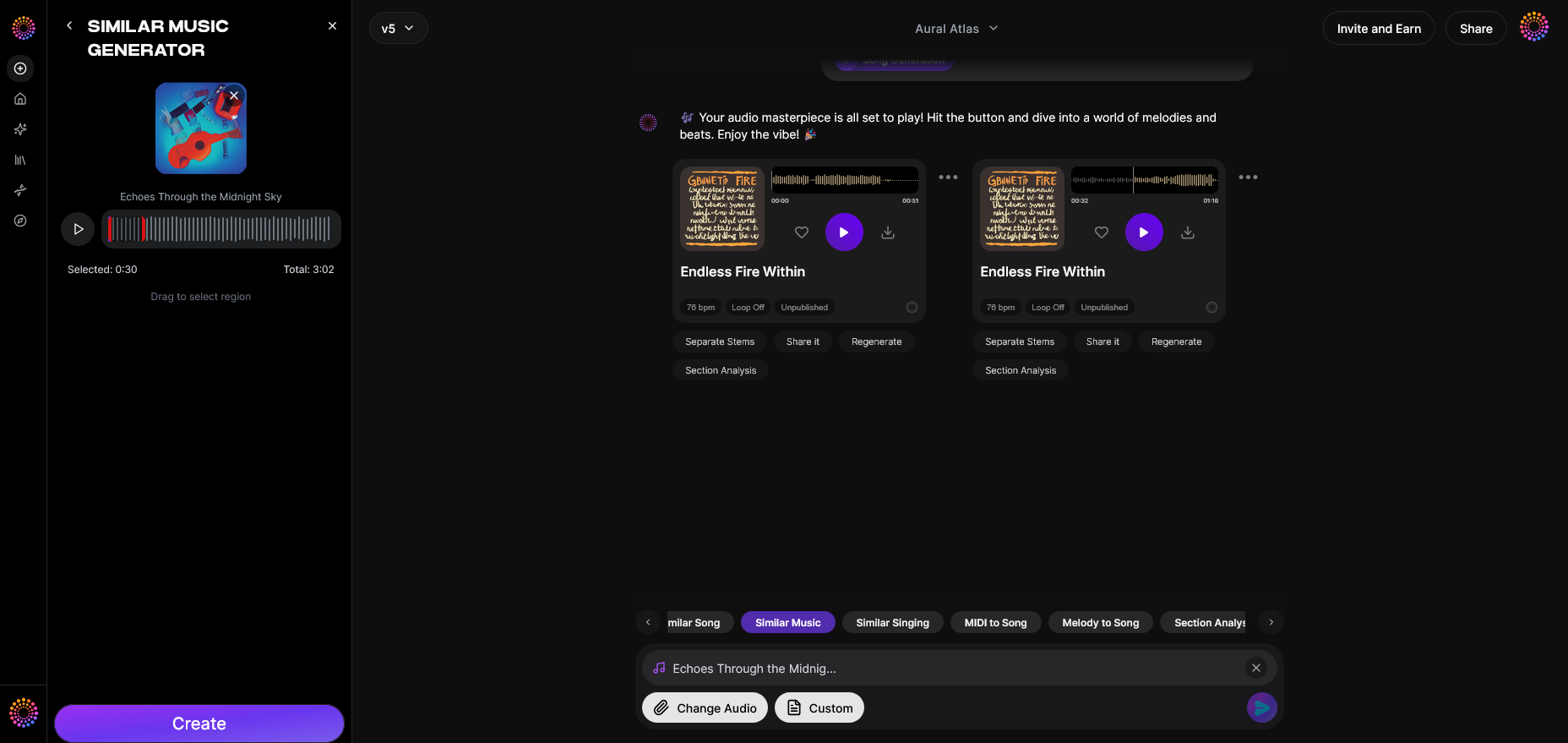
Soundverse provides an ideal solution for those wanting to produce lo-fi music quickly and professionally. The Similar Music Generator feature allows users to create instrumental compositions inspired by any reference track while staying original.
This tool performs detailed musical analysis, assessing tempo, key, and mood to reproduce similar vibes without copying existing works. It's especially useful for:
- Crafting background music that matches a pre-approved ‘temp score’ for film or video projects.
- Producing game themes with consistent ambience and emotional tone.
- Designing podcast intros or outros with custom lo-fi textures.
Through instrumental style transfer and reference-based loop creation, Soundverse ensures creative consistency while maintaining authenticity. Artists can generate complete compositions that sound close to existing lo-fi tracks but remain unique and royalty-free.
If you want to explore advanced methods for theme-based creation, visit Now Generate Music with Filters Such as Genre, Theme, Instruments, or Even Vibe to deepen your understanding of tonal customization.
The Future of Lo-Fi Music in 2026 and Beyond
By 2026, lo-fi music continues to evolve through experimental mixing and AI collaborations. With listeners increasingly demanding authenticity and comfort, this genre remains one of the most enduring forms of chill music.
Creators who use platforms like Soundverse are expanding lo-fi beyond traditional study spaces—into virtual reality experiences, digital art exhibitions, and AI-driven performance projects. The ease of generation tools promises broader access, ensuring that the lo-fi aesthetic continues inspiring both professional and amateur musicians.
Create Your Own Lofi Music with AI
Start generating relaxing, nostalgic lofi beats effortlessly using Soundverse’s powerful AI tools. No production experience needed—just your creativity and a few prompts.
Related Articles
- 40 Hand-Picked Lofi Text-to-Music Prompts for All Occasions: Explore curated prompts designed to help you create unique lofi tracks instantly with Soundverse AI.
- How an AI Music Generator Inspires Creative Fusion: Discover how AI can blend genres and ideas, inspiring artists to experiment beyond traditional composition boundaries.
- Soundverse AI Revolutionizing Music Creation for New-Age Content Creators: Learn how Soundverse is transforming how creators approach music production with intuitive, AI-driven tools.
- Generate AI Music with Soundverse Text-to-Music: Get step-by-step guidance to create custom music tracks using Soundverse’s text-to-music technology.
Here's how to make AI Music with Soundverse
Video Guide

Here’s another long walkthrough of how to use Soundverse AI.
Text Guide
- To know more about AI Magic Tools, check here.
- To know more about Soundverse Assistant, check here.
- To know more about Arrangement Studio, check here.
Soundverse is an AI Assistant that allows content creators and music makers to create original content in a flash using Generative AI.
With the help of Soundverse Assistant and AI Magic Tools, our users get an unfair advantage over other creators to create audio and music content quickly, easily and cheaply.
Soundverse Assistant is your ultimate music companion. You simply speak to the assistant to get your stuff done. The more you speak to it, the more it starts understanding you and your goals.
AI Magic Tools help convert your creative dreams into tangible music and audio. Use AI Magic Tools such as text to music, stem separation, or lyrics generation to realise your content dreams faster.
Soundverse is here to take music production to the next level. We're not just a digital audio workstation (DAW) competing with Ableton or Logic, we're building a completely new paradigm of easy and conversational content creation. TikTok: https://www.tiktok.com/@soundverse.ai Twitter: https://twitter.com/soundverse_ai Instagram: https://www.instagram.com/soundverse.ai LinkedIn: https://www.linkedin.com/company/soundverseai Youtube: https://www.youtube.com/@SoundverseAI Facebook: https://www.facebook.com/profile.php?id=100095674445607
Join Soundverse for Free and make Viral AI Music

We are constantly building more product experiences. Keep checking our Blog to stay updated about them!