What Is a Sad Music Genre Called?
Explore sad music genres, melancholic styles, and emotional songs that evoke deep feelings in 2026.
What Is a Sad Music Genre Called?
When people talk about music that touches the soul and evokes feelings of sorrow or introspection, they often refer to the sad music genre. This type of music captures emotional depth, pain, nostalgia, and reflection. Whether through instrumental arrangements or heartfelt lyrics, sad music offers listeners a space to process emotions, heal, and connect with artistic vulnerability.
What is considered a sad music genre?
A sad music genre refers to musical styles that evoke melancholy, loneliness, grief, or introspection. These genres use slow tempos, minor keys, and expressive melodies to convey emotion. Some of the most recognized styles include melancholic music, emotional songs, depressing music styles, slow ballads, and moody music genres.
Emotionally charged music has been part of human culture for centuries—from ancient lamentations to modern cinematic compositions that tell stories of loss and heartbreak.

What are examples of sad music genres in 2026?
By 2026, several music genres continue to dominate the emotional spectrum of sadness and longing. Here are the major ones recognized by listeners and creators worldwide:
- Blues – A timeless genre rooted in emotional storytelling and soulful instrumentals. Blues often reflects hardship, unfulfilled love, and personal struggle.
- Lo-Fi and Chillhop – These modern genres blend calming beats with nostalgic tones, often used by creators to evoke sadness mingled with comfort.
- Ambient Music – A genre focusing on atmosphere rather than rhythm, ambient tracks evoke loneliness and contemplation.
- Modern Classical – Composers use minimalism, strings, and piano-based arrangements to express profound emotion and reflection.
- Indie and Alternative – Emotional songwriting and raw production often define indie music’s melancholic sound.
- Singer-Songwriter Folk – Artists channel introspection and heartbreak through simple, acoustic instrumentation.
- Slow Ballads – Found in pop, R&B, and country music, ballads use heartfelt lyrics and slow tempos to depict love lost or dreams broken.
- Post-Rock – Instrumental builds with soaring crescendos and emotional soundscapes make this genre ideal for cinematic sadness.
- Trip-Hop – Combines elements of electronic, hip-hop, and jazz in dark atmospheres, creating moody music suitable for deep reflection.
- Darkwave and Gothic – Rooted in synth-based and rock traditions, these genres explore existential sadness and artistic darkness.
For more examples, explore Top 10 Most Depressing Music Genres and The 10 Most Melancholic Music Genres.
These genres continue to flourish on streaming platforms and AI music generation tools like Soundverse, reflecting how technology helps creators capture authentic emotion.

Why do people enjoy melancholic music?
Sad music serves as emotional therapy. Surprisingly, listening to sorrowful melodies often makes people feel better. Psychologists in 2026 affirm that melancholic music activates empathy and emotional cleansing—it helps listeners process feelings of loss and change.
Studies such as Why do depressed people prefer sad music? confirm that this music may have calming effects rather than intensifying sadness.
The experience varies depending on the listener. For some, sad genres offer a reminder of life’s depth and vulnerability. For others, they serve as background for creative work, meditation, or storytelling. Even content creators use emotional songs to add authentic atmosphere in films or videos.
If you’re exploring this emotional soundscape, you might find inspiration in reports like music industry trends, showing how emotional storytelling remains strong despite technological advancements.
How has technology affected sad music creation in 2026?
AI has profoundly transformed how creators produce sad music. Modern text-to-music models capture emotional nuances that previously required experienced composers. Artists can now describe the emotion they want—melancholy, heartbreak, nostalgia—and receive a crafted composition instantly.
AI music tools ensure that anyone—student, content creator, or musician—can express sadness through suitable instrumentation and tone. This creativity aligns with cultural shifts toward self-expression through digital mediums.
Platforms such as Soundverse lead this movement with innovation in genre and mood-focused generation, enabling users to shape immersive emotional experiences. For a deeper dive into production techniques, watch our Soundverse Tutorial Series - 9. How to Make Music.
How is sad music used in modern content?
In 2026, sad or melancholic music genres appear everywhere:
- Film and Television: Emotional scenes depend on subtle instrumental cues that underline character feelings.
- Social Media & Short Videos: Creators use soft piano or ambient loops to make heartfelt montages.
- Gaming: Narrative games incorporate sad tones during moments of loss or tragedy.
- Meditation & Healing: Slow ballads and ambient pieces evoke peaceful sadness, helping users release tension.
For deeper exploration, the role of AI music in film and television demonstrates how emotional scoring enhances storytelling impact.
What makes a song or instrumental sound sad?
Several musical characteristics define a sad tone:
- Minor Keys: The harmonic structure naturally evokes sorrow.
- Slow Tempos: Fewer beats per minute create reflective listening spaces.
- Soft Dynamics: Gentle crescendos or fading notes accentuate tenderness.
- Melodic Intervals: Descending intervals add tension and release, key traits of melancholic music.
- Instrumentation: Piano, cello, violin, or muted guitar often reinforce mood.
See The Science of Sad Songs for an in-depth look at musical structures shaping sadness.
These features appear in multiple depressing music styles and moody music genres. For those experimenting with emotional composition, guides like how to create healing meditation music offer creative inspiration.
How to make sad music genre compositions with Soundverse AI Music Generator
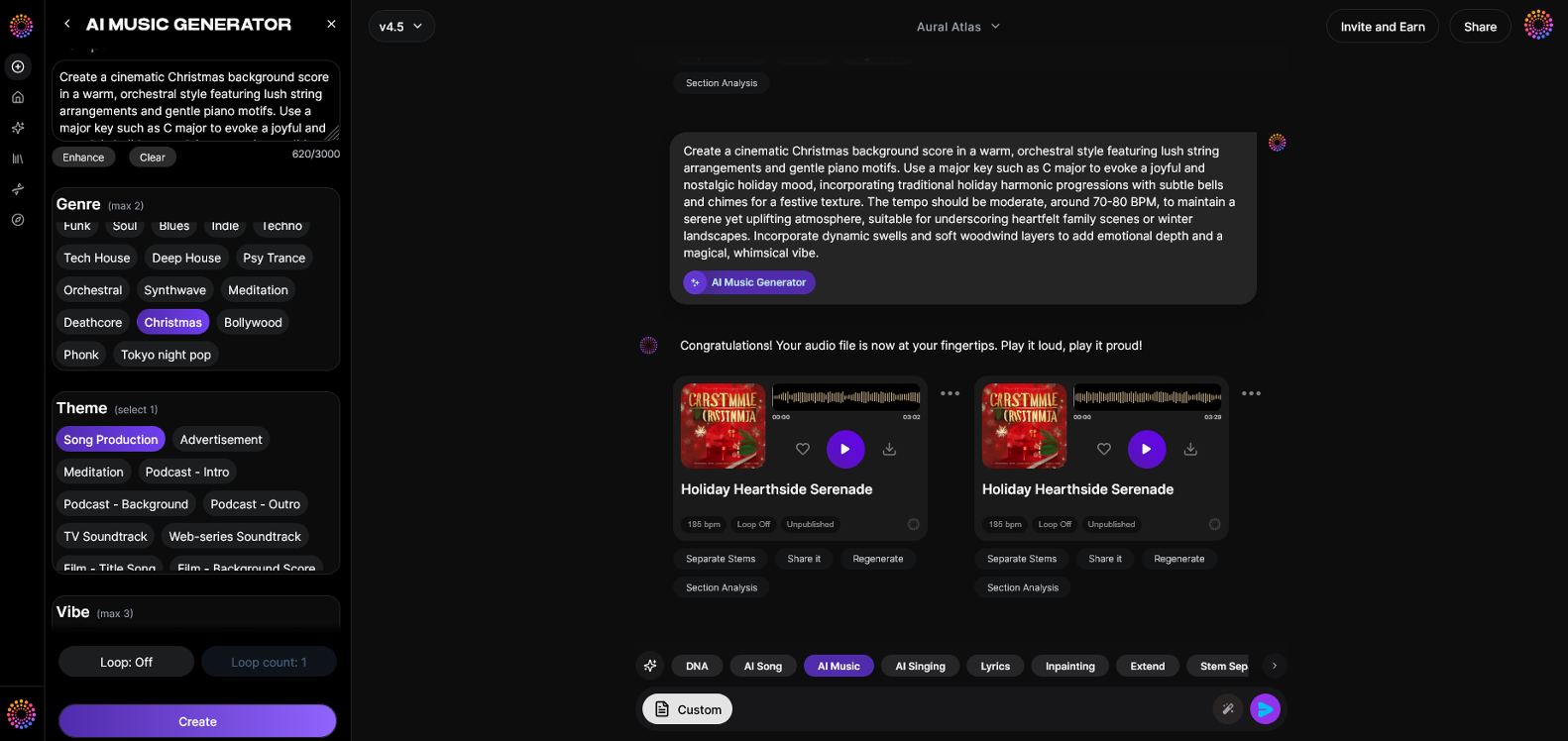
Now that you understand what a sad music genre is, here is how to create it instantly using Soundverse.
The Soundverse AI Music Generator lets creators turn text descriptions into fully produced instrumental tracks. It specializes in generating background music, loops, and soundscapes—perfect for emotional storytelling.
Key Features:
- Text-to-Music Creation: Write prompts like “melancholic piano with slow strings” or “somber ambient synth” to produce mood-specific compositions.
- Loop Mode: Ideal for sad ambient backgrounds that repeat seamlessly for video or meditation.
- Genre & Instrument Control: Customize composition by selecting emotional genres, tempo, and instruments.
- V4 and V5 Model Options: Choose high-quality model versions for optimal sound fidelity.
Common Use Cases:
- Video Backgrounds: Elevate storytelling with slow ballads and emotional soundtracks.
- Game Soundtracks: Use sad instrumental loops for key narrative scenes.
- Meditation and Wellness: Generate peaceful, melancholic soundscapes for reflection.
- Advertising: Add moody tones in ad campaigns that evoke empathy.
For a practical application overview, check our Soundverse Tutorial Series - 8. "Explore" Tab or the Soundverse Tutorial Series - 10. Make Deep House Music.
If you want to experiment, explore additional articles like 100 text-to-music prompts that will help you create viral music or learn how AI-generated music is transforming the music industry.
Create Emotionally-Powered Music with Soundverse AI
Bring your deepest emotions to life through AI-generated sad music compositions. Soundverse lets you shape cinematic, melancholic soundscapes tailored to your creative vision with just a few prompts.
Start Creating Sad Music
Related Articles
- Most Popular Music Genres — Explore the world's most beloved music genres and learn what makes certain sounds universally appealing.
- How to Create Healing Meditation Music with Soundverse AI — Discover how AI can help you craft soothing and emotionally resonant meditation tracks for relaxation and focus.
- Generate AI Music with Soundverse Text-to-Music — Learn how to turn written emotions and themes into fully realized songs using Soundverse’s AI text-to-music technology.
- The Role of AI Music in Film and Television — Uncover how AI-generated music is shaping emotional storytelling across modern visual media.
Here's how to make AI Music with Soundverse
Video Guide

Here’s another long walkthrough of how to use Soundverse AI.
Text Guide
- To know more about AI Magic Tools, check here.
- To know more about Soundverse Assistant, check here.
- To know more about Arrangement Studio, check here.
Soundverse is an AI Assistant that allows content creators and music makers to create original content in a flash using Generative AI.
With the help of Soundverse Assistant and AI Magic Tools, our users get an unfair advantage over other creators to create audio and music content quickly, easily and cheaply.
Soundverse Assistant is your ultimate music companion. You simply speak to the assistant to get your stuff done. The more you speak to it, the more it starts understanding you and your goals.
AI Magic Tools help convert your creative dreams into tangible music and audio. Use AI Magic Tools such as text to music, stem separation, or lyrics generation to realise your content dreams faster.
Soundverse is here to take music production to the next level. We're not just a digital audio workstation (DAW) competing with Ableton or Logic, we're building a completely new paradigm of easy and conversational content creation.
TikTok: https://www.tiktok.com/@soundverse.ai
Twitter: https://twitter.com/soundverse_ai
Instagram: https://www.instagram.com/soundverse.ai
LinkedIn: https://www.linkedin.com/company/soundverseai
Youtube: https://www.youtube.com/@SoundverseAI
Facebook: https://www.facebook.com/profile.php?id=100095674445607
Join Soundverse for Free and make Viral AI Music

We are constantly building more product experiences. Keep checking our Blog to stay updated about them!