What Is a Beat in Music? Understanding Rhythm, Timing, and Tempo in 2026
Learn what a beat in music is, how rhythm and timing define songs, and how to create beats using Soundverse AI Music Generator.
What Is a Beat in Music?
A 'beat in music' is one of those phrases beginners often hear but don't always understand deeply. In 2026, as more creators experiment with AI music tools and digital production platforms, knowing what a beat truly is has become essential. Whether you're learning music theory basics, practicing timing on your instrument, or exploring new ways to make music through AI, understanding this concept shapes the heart of every musical experience.
What does 'beat in music' actually mean?
The beat refers to the unit of time and rhythmic pulse in music. It’s what you instinctively tap your foot to when listening to a song. Every composition, from classical symphonies to modern trap tracks, is built upon a beat structure that dictates pace and flow.
You can think of the beat as the 'heartbeat' of the music—it keeps everything organized and provides a foundation on which melodies and harmonies can develop. Sources such as Britannica describe the beat as the basic rhythmic unit of a measure, while Wikipedia defines it as the pulse or regularly repeating event of a musical piece. When you hear someone say a track has a fast tempo, they are referencing the number of beats per minute (BPM). Higher BPM means faster-paced music; lower BPM generally means slower, more relaxed tracks.
How do beats connect to rhythm?
Beats are the anchor points; rhythm is the pattern created when notes or sounds are organized in time relative to those beats. Rhythm gives music character and groove. For example, the same beat can be used in multiple genres, but the rhythm patterns differ—consider the swinging feel of jazz compared to the straightforward drive of pop.
As Musical U explains, rhythm can be seen as how the beat moves and interacts with notes over time. In simple terms:
- Beat = The consistent time pulse.
- Rhythm = How sounds are arranged and played along those pulses.
Understanding rhythm helps musicians and producers maintain musical timing accurately. It's particularly valuable when creating loops or background music for content, where synchronization matters.
For a deeper dive, watch our guide on how to make music and discover how beats and timing come together during production.
Why is musical timing important for beginners?
Musical timing forms the backbone of performance. Poor timing can disrupt flow and emotion even if the notes are technically correct. Practicing with a metronome or tapping along with recorded tracks are great ways to strengthen your sense of timing. In today's digital world, mastering timing also improves workflow when producing music with tools like Soundverse’s AI Music Generator.
What determines song tempo?
Tempo describes the speed of the beat and is measured in beats per minute (BPM). For instance:
- Ballads often fall around 60–80 BPM.
- Pop and rock songs range between 90–130 BPM.
- Electronic dance music (EDM) frequently exceeds 120 BPM.
Song tempo influences mood—slow tempos evoke reflection and calm, while fast tempos inspire energy and excitement. Producers and composers choose tempo according to the emotional intention of their track.
How do musicians count beats?
Counting beats is essential to maintaining synchronization within a group. Musicians often use time signatures, such as 4/4 (four beats per measure), 3/4 (three beats per measure), or more complex signatures found in jazz or world music.
A simple example:
- In a 4/4 pattern: you count "1, 2, 3, 4" repeatedly. Each number represents a beat.
- In a 3/4 waltz pattern, the feel is "1, 2, 3".
These structures guide performers, ensuring consistent timing and rhythm. Understanding beats also helps when layering sections like percussion and bass since both operate rhythmically.
How have beats evolved in modern music production?
From analog drum kits to digital samplers, beats have evolved dramatically over the last decades. In 2026, this evolution continues through AI music generation and voice transformation tools. Creators can now describe the type of beat they want—say, "a lo-fi chill beat with soft percussion"—and AI can produce it instantly.
Tools like Soundverse have changed how amateurs and professionals approach rhythm creation. Instead of manually programming beats note by note, users can now generate AI music that follows their desired tempo and genre style.
How to make beats in music as a beginner
Beginners often start by experimenting with percussion instruments or digital beat machines. The process usually involves selecting a tempo, choosing drum sounds, and building patterns. Here's a brief guide:
- Select a tempo: Choose your BPM based on genre.
- Create a foundation: Use kick and snare sounds to set a steady rhythm.
- Add hi-hats or cymbals: These fill spaces between strong beats to give motion.
- Layer bass and melody: Sync them with the existing rhythm.
If you prefer a simpler approach, platforms like Soundverse can automate this complexity through AI models built for precise musical timing. For an example workflow, explore our Deep House tutorial on the Soundverse YouTube channel.
How to make beats with Soundverse AI Music Generator
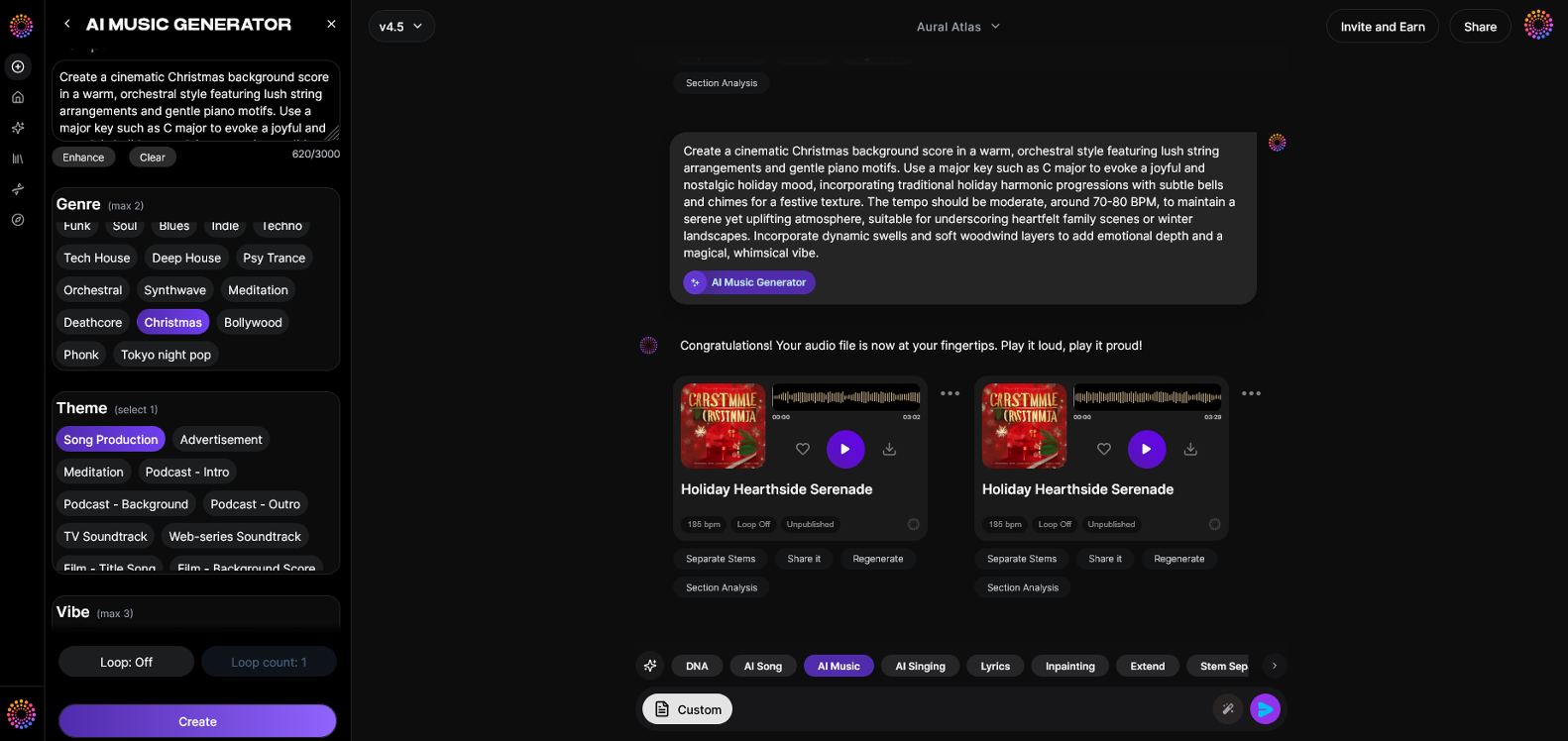
Soundverse’s AI Music Generator takes inspiration directly from text prompts, transforming words into fully produced instrumental compositions. This tool specializes in creating background tracks, beats, and soundscapes without vocals. It even includes Loop Mode, which allows seamless repetition—perfect for film, gaming, or social media uploads.
Key Capabilities
- Text-to-music creation: describe your desired rhythm, style, and instruments.
- Genre and mood control: define whether you want energetic EDM or relaxed ambient beats.
- Loop Mode: generate continuous playback for background or game tracks.
- V4 and V5 models: offer advanced sound architecture and production flexibility.
Practical Use Cases
- Video background music: Produce rhythmic soundscapes tailored to visuals.
- Game soundtracks: Generate dynamic loops that follow gameplay pacing.
- Meditation tracks: Create soothing beats with low BPM for relaxation.
- Advertising and commercial scoring: Build brand-friendly rhythm beds quickly.
Soundverse also integrates with advanced tools such as Voice to Instrument, letting users convert humming or beatboxing into instrument-based renditions. Plus, its Similar Music Generator helps match reference tracks without replicating copyright-protected material.
For example, if you enjoyed a certain cinematic rhythm, you can use Soundverse’s AI Magic Tools to create original music inspired by that pattern.
Why understanding beats matters in 2026
With creators blending acoustic and AI-generated sounds, the concept of the beat has moved beyond traditional frameworks. Musicians now integrate algorithmic rhythms with human performances, giving rise to hybrid compositions. This shift also enhances accessibility—anyone can generate properly timed beats with minimal technical skill.
In learning environments, music educators emphasize the beat as essential training for developing timing awareness and ensemble coordination. Students who understand rhythmic structures can engage confidently in recording sessions and sound design tasks.
To explore how AI supports modern composition trends, check out music industry trends from 2026, showing how rhythm-driven production fuels everything from pop to experimental genres.
Start Creating Your Own Beats with Soundverse AI
Unlock endless musical possibilities with Soundverse’s AI-powered tools. Generate custom rhythms, explore new genres, and bring your ideas to life—all in minutes.
Related Articles
- Generate AI Music with Soundverse Text-to-Music — Discover how to turn words into beats and compositions using Soundverse’s cutting-edge text-to-music technology.
- How to Create Rap Music with AI — Learn how to craft rap tracks powered by Soundverse AI—from beat design to rhythm flow and lyrical inspiration.
- How to Create EDM with Soundverse AI — Find out how Soundverse enables you to produce energetic EDM tracks with dynamic beats and professional sound quality.
- How AI-Generated Music Is Transforming the Music Industry — Explore how AI innovations are reshaping music production, creativity, and the future of beatmaking.
Here's how to make AI Music with Soundverse
Video Guide
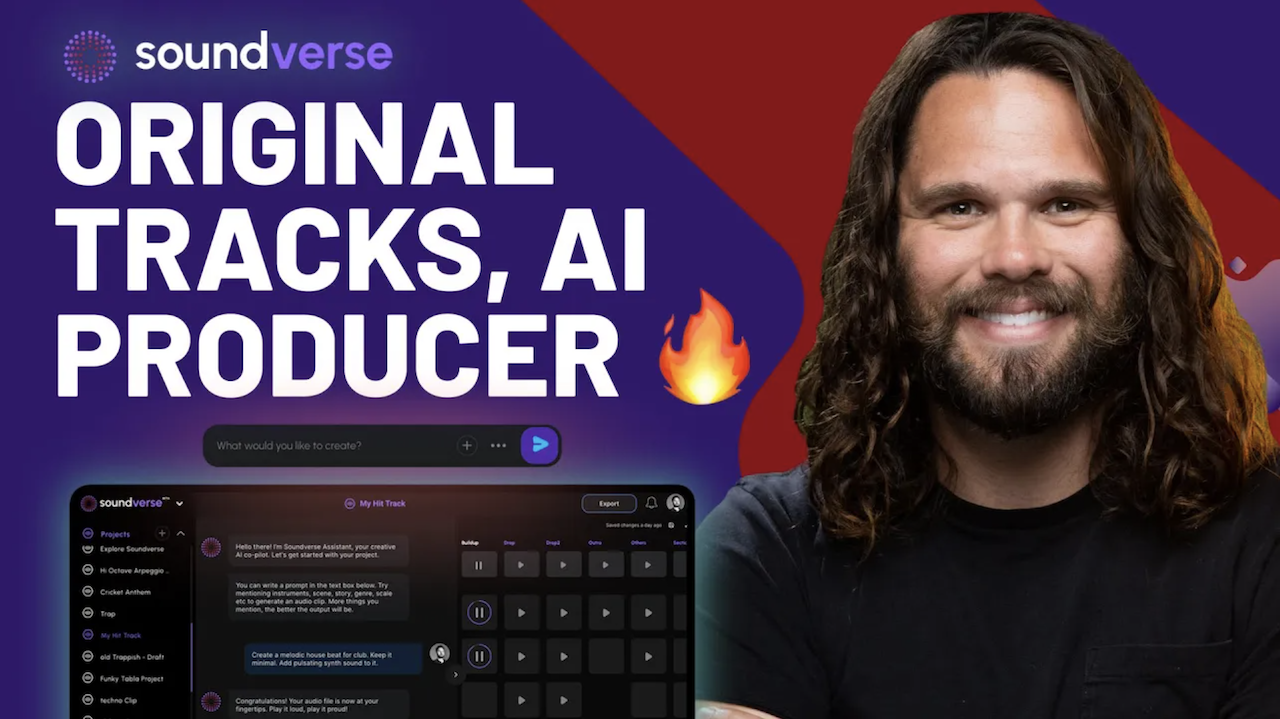
Here’s another long walkthrough of how to use Soundverse AI.
Text Guide
- To know more about AI Magic Tools, check here.
- To know more about Soundverse Assistant, check here.
- To know more about Arrangement Studio, check here.
Soundverse is an AI Assistant that allows content creators and music makers to create original content in a flash using Generative AI. With the help of Soundverse Assistant and AI Magic Tools, our users get an unfair advantage over other creators to create audio and music content quickly, easily and cheaply. Soundverse Assistant is your ultimate music companion. You simply speak to the assistant to get your stuff done. The more you speak to it, the more it starts understanding you and your goals. AI Magic Tools help convert your creative dreams into tangible music and audio. Use AI Magic Tools such as text to music, stem separation, or lyrics generation to realise your content dreams faster. Soundverse is here to take music production to the next level. We're not just a digital audio workstation (DAW) competing with Ableton or Logic, we're building a completely new paradigm of easy and conversational content creation.
TikTok: https://www.tiktok.com/@soundverse.ai
Twitter: https://twitter.com/soundverse_ai
Instagram: https://www.instagram.com/soundverse.ai
LinkedIn: https://www.linkedin.com/company/soundverseai
Youtube: https://www.youtube.com/@SoundverseAI
Facebook: https://www.facebook.com/profile.php?id=100095674445607
Join Soundverse for Free and make Viral AI Music

We are constantly building more product experiences. Keep checking our Blog to stay updated about them!