What Genre of Music Do Sad Songs Belong To?
Explore the genre of sad songs, from melancholic music to sentimental ballads.
What Genre of Music Do Sad Songs Belong To?
Sad songs have a unique place in the music world — they evoke emotions, bring reflection, and connect listeners across cultures. But when we ask, "What genre of music do sad songs belong to?" the answer isn't simply one category. In 2026, the boundaries between genres have blurred, yet certain musical styles remain closely associated with expressions of melancholy and emotion.
What Defines the Sad Songs Genre?
Sad songs aren’t confined to a single genre. Instead, they span a spectrum of styles unified by mood, tone, and emotional depth. The sad songs genre is best described as a fusion of melancholic music, slow tempo rhythms, and sentimental ballads that communicate human vulnerability.
These songs often use minor scales, gentle instrumentation, and introspective lyrics. In 2026, the sad songs genre continues to evolve, shaped by technological advancements like AI music generation and changing listener behaviors on platforms such as Spotify and YouTube Music.
What Are the Main Music Genres That Feature Sad Songs?
Sad and emotional songs appear in numerous genres. Here are the most characteristic ones.
1. Indie and Alternative Music
Indie artists often use stripped-down arrangements and poetic lyrics. This makes the genre ideal for conveying introspection and melancholy. Songs by independent musicians in 2026 often include themes like nostalgia, heartbreak, and existential reflection.
2. Pop Ballads
Pop remains the dominant genre, but its sad subcategory — sentimental ballads — holds enduring popularity. Modern pop ballads frequently use piano-driven melodies and slow tempo music to tell stories of loss or longing. You can explore playlists like At My Worst - Sad Songs Playlist That Will Make You Cry 2026 or Depressing Songs 2026 That Will Make You Cry to discover popular examples.
3. Classical and Orchestral Music
Classical compositions have traditionally been channels for expressing grief and emotion. Pieces written in minor keys or with slow crescendos are perfect examples of timeless melancholic music. Movie soundtracks and game scores often borrow from this form of emotional composition.
4. Soul and R&B
Soul music is synonymous with emotion. In R&B, vocal performance carries the sadness and power of the genre. The rich harmonies and expressive delivery make soul a home for deeply emotional songs.
5. Country Music
Country music has long narrated heartbreak and loss — two major elements of the sad songs genre. Whether it’s missing someone or facing life’s hardships, country offers a storytelling approach that feels genuine and relatable. You can explore AI country creation guides like How to Create Country Music with Soundverse AI.
6. Lo-fi and Chillhop
In the mid-2020s, Lo-fi music became the anthem of introspection for Gen Z and post-pandemic audiences. The soft, repetitive beats and nostalgic textures perfectly fit the profile of melancholic music ideal for late-night listening or background focus.
7. Ambient and Cinematic Soundscapes
Artists and producers use ambient music to capture the feeling of isolation or inner reflection. These tracks lean heavily toward depressing music genres — not because they induce sadness, but because they help process it.
8. Folk and Acoustic Music
Folk music’s storytelling tradition creates space for authentic sadness. Acoustic arrangements, natural voices, and nostalgic storytelling find resonance with listeners who crave genuine emotion.
9. Jazz and Blues
Jazz and blues pioneered emotional expression through harmony and improvisation. The blues, specifically, was born from hardship and pain. You can read more about jazz creation with AI in How to Create Jazz Music with Soundverse AI.
10. Electronic Downtempo
Modern electronic subgenres now explore emotion through texture rather than lyrics. Downtempo and ambient house integrate slow tempo beats that trigger feelings of nostalgia and longing — perfect for sound designers and playlist curators.
Why Do People Listen to Sad Songs?
The psychology behind sad songs genre fascination lies in empathy and emotional release. Studies show that listening to sad music activates reward centers in the brain. It can help listeners through emotional regulation, comfort, and healing.
In 2026, streaming platforms are seeing increased engagement for melancholy playlists during nighttime hours and post-event moments such as graduations or breakups. Sad songs serve as emotional anchors that validate what people feel.
The Sound and Structure of Sad Songs
Most sad songs follow common musical features:
- Slow tempo music: Typically between 60–80 BPM. This slower rhythm gives the listener time to absorb each sound.
- Minor scale progression: Offers a moody, introspective feel.
- Soft instrumentation: Piano, strings, and acoustic guitar tend to dominate.
- Subtle production: Space and reverb often enhance emotional depth.
- Vocal tone: When lyrics are involved, subdued delivery reinforces poignancy.
Instrumental sad music is just as powerful. In fact, many listeners now prefer instrumental emotional tracks for studying, relaxing, or reflecting. This growth has fueled innovation in platforms like Soundverse.
How to Make Sad Songs with Soundverse AI Music Generator
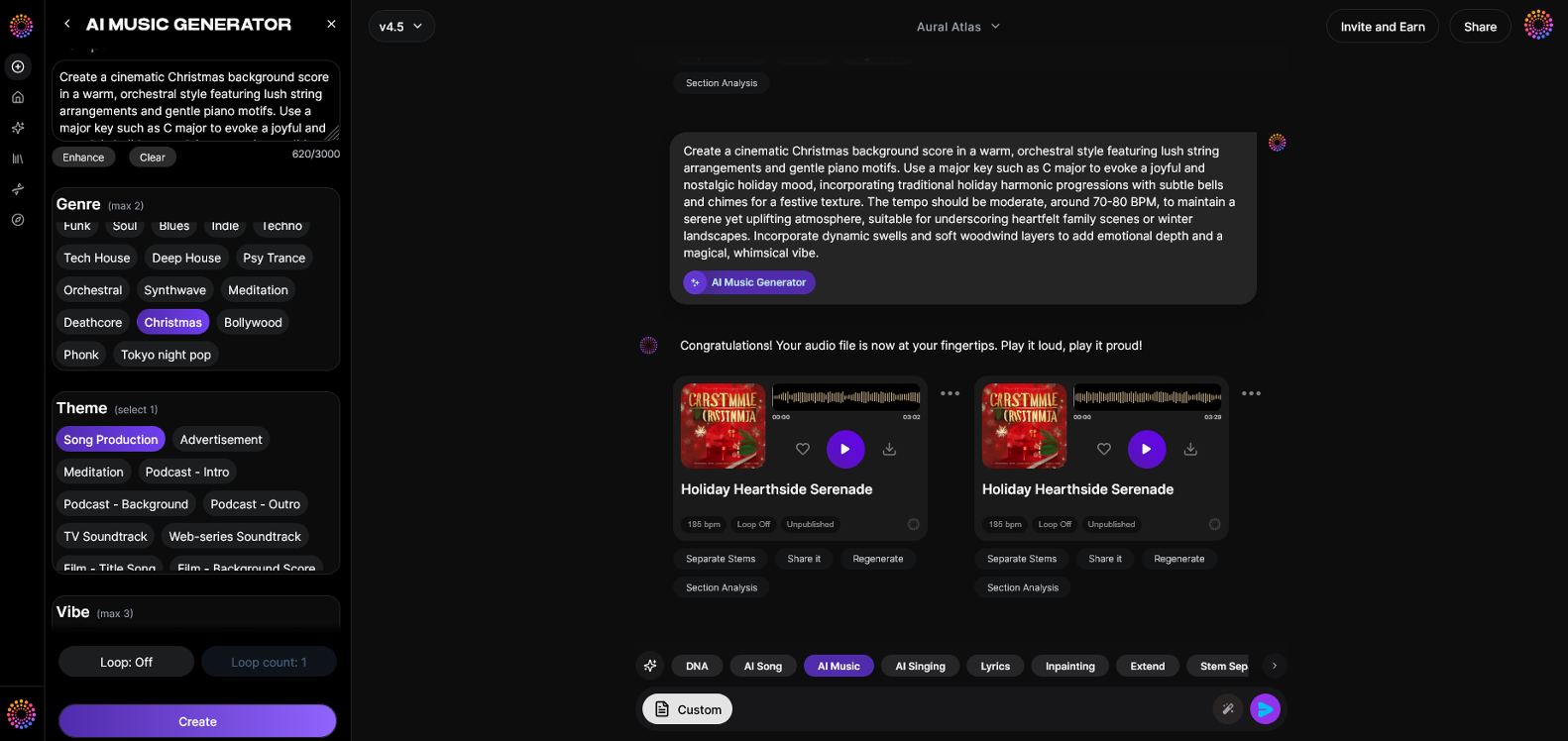
Now that you understand what the sad songs genre embodies, here’s how you can create such music instantly using the Soundverse AI Music Generator.
The AI Music Generator helps artists and creators produce fully orchestrated instrumental tracks simply from text prompts. Whether you want melancholic background music or reflective piano soundscapes, Soundverse removes all technical barriers.
Feature Overview: Soundverse AI Music Generator creates instrumental music based on textual descriptions. You enter what you want the piece to sound like — for example, "a slow piano melody with ambient tones evoking loneliness" — and the system composes accordingly.
Core Capabilities Include:
- Text-to-music synthesis for instant emotional track creation.
- Loop Mode for continuous playback — ideal for playlists or video backgrounds.
- Detailed control over instrument choice, tempo, and genre.
- Models V4 and V5 offering different sound textures and complexity levels.
Primary Use Cases:
- Emotional video scoring and game soundtracks.
- Meditation and wellness spaces needing calm, slow tempo music.
- Advertising with sentimental background compositions.
- Personal playlists centered around reflective moods.
If you’re interested in related tools, Soundverse also provides the AI Song Generator, turning lyrics into complete vocal tracks, and the AI Lyrics Writer, which creates thematic lines matching the mood. These tools integrate seamlessly so that you can generate melancholic music or remix elements directly. Read more about integration possibilities in Soundverse AI Magic Tools and Stem Separation AI.
For creators wanting genre diversity, you can explore Generate AI Music with Soundverse Text-to-Music and discover prompts tailored to depressing music genres or cinematic compositions.
For further creative insights, watch our tutorial on how to make music or explore Soundverse’s Explore Tab walkthrough for production efficiency tips.
The Emerging Role of AI in Melancholic Music Creation
By 2026, artificial intelligence has transformed how people express sadness through music. Tools like Soundverse empower creators to turn words and ideas into deeply emotional songs without requiring extensive technical skills.
AI doesn’t replace human emotion; it enhances it. The sad songs genre remains human at its core — the emotion must come from an idea, a story, or a memory. Soundverse handles the technical side, generating rich, textured soundscapes that mirror the exact mood you describe.
Create Emotionally Powerful Music with Soundverse AI
Turn your feelings into music that connects deeply with listeners. Soundverse AI lets you generate tracks, explore moods, and shape soundscapes tailored to any genre or emotion in minutes.
Start Creating with Soundverse
Related Articles
- Most Popular Music Genres — Explore the musical styles that dominate today’s charts and learn what makes each genre unique.
- Generate AI Music with Soundverse Text-to-Music — Discover how Soundverse’s text-to-music technology helps you turn written ideas into studio-quality compositions.
- The Role of AI Music in Film and Television — Learn how AI-generated soundtracks enhance storytelling and evoke emotion across visual media.
- How AI-Generated Music Is Transforming the Music Industry — See how artificial intelligence is reshaping composition, creativity, and emotional expression for artists worldwide.
Here's how to make AI Music with Soundverse
Video Guide

Here’s another long walkthrough of how to use Soundverse AI.
Text Guide
- To know more about AI Magic Tools, check here.
- To know more about Soundverse Assistant, check here.
- To know more about Arrangement Studio, check here.
Soundverse is an AI Assistant that allows content creators and music makers to create original content in a flash using Generative AI. With the help of Soundverse Assistant and AI Magic Tools, our users get an unfair advantage over other creators to create audio and music content quickly, easily and cheaply. Soundverse Assistant is your ultimate music companion. You simply speak to the assistant to get your stuff done. The more you speak to it, the more it starts understanding you and your goals. AI Magic Tools help convert your creative dreams into tangible music and audio. Use AI Magic Tools such as text to music, stem separation, or lyrics generation to realise your content dreams faster. Soundverse is here to take music production to the next level. We're not just a digital audio workstation (DAW) competing with Ableton or Logic, we're building a completely new paradigm of easy and conversational content creation.
TikTok: https://www.tiktok.com/@soundverse.ai
Twitter: https://twitter.com/soundverse_ai
Instagram: https://www.instagram.com/soundverse.ai
LinkedIn: https://www.linkedin.com/company/soundverseai
Youtube: https://www.youtube.com/@SoundverseAI
Facebook: https://www.facebook.com/profile.php?id=100095674445607
Join Soundverse for Free and make Viral AI Music

We are constantly building more product experiences. Keep checking our Blog to stay updated about them!