What Genre Is Slow Music? Understanding Slow Music Genres in 2026
Explore slow music genres like chill music, ambient, lo-fi, and soft rock in 2026. Discover how Soundverse helps you create them instantly.
What Genre Is Slow Music?
Slow music has always been the serene heartbeat of the music world—a form that invites listeners to relax, reflect, and escape life’s fast tempo. In 2026, as digital music continues to evolve and listeners prioritize mindfulness over frenzy, the question “What genre is slow music?” becomes even more relevant. From chill music and ambient soundscapes to downtempo beats and soft rock ballads, slow music genres span across decades and cultural influences, continually adapting to new trends and technologies.
What Defines Slow Music in 2026?
Slow music is characterized by a relaxed tempo, smooth transitions, and emotional depth. It often emphasizes atmosphere rather than rhythm, guiding listeners through subtle instrumental layers and gentle melodies. In the music industry of 2026, slow genres are strongly tied to contexts like meditation, study playlists, film scoring, and introspective listening sessions.
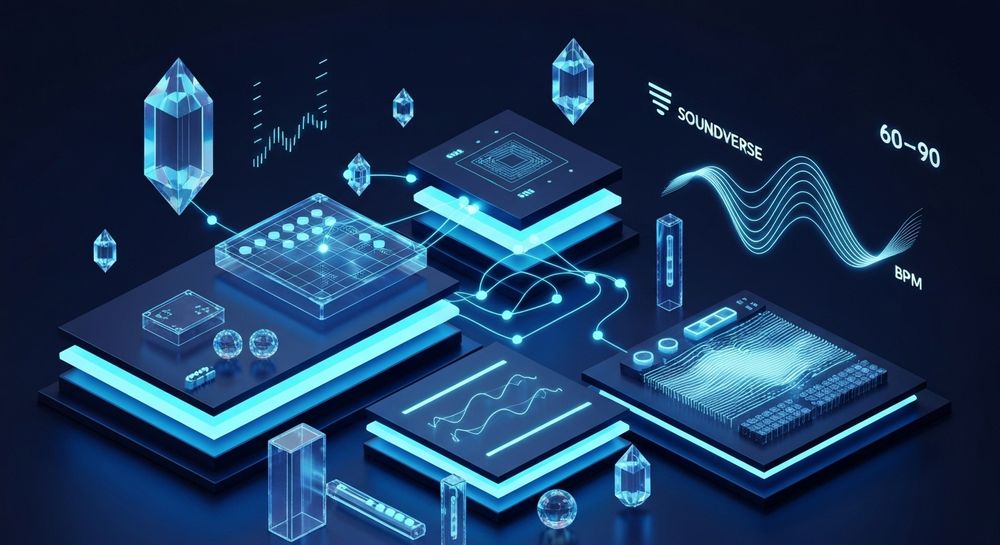
Tempo is a defining factor—typically ranging between 60 and 90 beats per minute (BPM). But beyond speed, it’s about how the music feels. Slow music genres evoke calmness and help audiences unwind. This shift in listener preference is part of a broader movement toward mindful consumption, where people use music not just for entertainment but for mood management.
What Are the Most Popular Slow Music Genres in 2026?
The phrase “slow music genres” encompasses multiple styles that revolve around tranquility and softness. Let’s look at some of the most prominent genres shaping the scene this year.

1. Chill Music
Chill music epitomizes relaxation. Whether it’s acoustic chill or electronic chillwave, this genre blends smooth rhythms with airy pads and mellow bass lines. Artists and producers lean on simplicity—using fewer layers and reverb-heavy textures—to create soothing environments. Chill music playlists dominate streaming platforms and social media trends, often labeled as “study sounds” or “evening unwind mixes.”
2. Ambient Music
Ambient music stands at the core of slow genres. Emerging from experimental studios decades ago, ambient compositions revolve around tone, texture, and spatial depth rather than structured melody. In 2026, AI-generated ambient music has grown in popularity, with systems like Soundverse and its AI Music Generator helping creators produce evolving soundscapes automatically. The genre is ideal for background use in meditation apps, games, and content creation.
3. Downtempo
Downtempo bridges the gap between chill and rhythm-oriented music. Its origins trace back to the 90s European electronic scene, but modern downtempo incorporates elements from lo-fi and ambient production. A slower BPM combined with deep beats gives the genre a cinematic edge. Today, downtempo music frequently appears in podcast intros, art exhibitions, and minimalist video projects.
4. Soft Rock
Soft rock injects emotional storytelling into slower tempos. Think of warm acoustic guitars, gentle drums, and heartfelt vocals. In 2026, soft rock continues as a nostalgic favorite, revived by indie producers and AI-assisted arrangement tools. The genre suits listeners who prefer lyrical expression within calm compositions. Through platforms like Soundverse Arrangement Studio, artists can experiment with soft rock instrumentals easily.
5. Lo-Fi Beats
Lo-fi beats dominate the relaxed music culture of the digital generation. Known for vinyl crackles, tape imperfections, and jazzy samples, lo-fi provides both aesthetic charm and a psychological function—it supports focus and emotional grounding. As seen from articles like 40 Hand-Picked Lo-Fi Text-to-Music Prompts, producers continuously explore how AI aids creativity while keeping the genre’s organic essence alive.
6. Jazz Ballads & Neo-Soul
Jazz and Neo-Soul have both expanded their appeal as slow genres. Jazz ballads emphasize mood and timing, while Neo-Soul infuses R&B with introspective warmth. Many musicians use AI music tools for arrangement and instrumental layering that respects these genres’ emotional subtleties.
7. Cinematic Soundscapes
Film scoring continues to integrate slow music elements—especially ambient drones and minimalist orchestral sequences. These compositions emphasize emotional resonance over rhythm, helping scenes breathe. You can explore how AI is transforming the process of soundtrack composition in The Role of AI Music in Film and Television. For a deeper dive, watch our Soundverse Tutorial – How to Make Music.
Why Are Slow Music Genres So Popular in 2026?
Over the past few years, cultural shifts have redirected listeners toward calmness and introspection. Following the chaotic pace of 2024 and 2025, platforms experienced surges in searches related to “mindful listening” and “slow music for focus.”
This trend is supported by research connecting slower tempos with reduced stress levels and improved concentration. The music industry has responded by boosting ambient and downtempo playlists across major streaming platforms. Influencers and digital creators have also embraced slow music genres for short-form video backgrounds and podcasts.
Additionally, AI-driven creativity tools are democratizing access to music production. A new listener doesn’t need expensive instruments to create chill or ambient tracks—just an intuitive generator like Soundverse’s suite of tools.
What Instruments and Production Techniques Define Slow Music?
Slow music often relies on minimalist arrangements. Instruments like piano, guitar, electric Rhodes, synth pads, and soft percussion dominate production. Producers use reverb, delay, and equalization to expand sonic depth.
Techniques include:
- Long Sustains – Notes held over extended durations to create tension and relaxation.
- Low BPM Composition – Ensures a steady, mindful tempo.
- Layering and Textural Design – Rather than melodic complexity, focus lies on emotional textures.
- Loop-Based Structuring – Especially relevant in downtempo and lo-fi music, where repeating sequences enhance immersion.
Each of these techniques supports the immersive qualities listeners expect from slow genres. Because of this aesthetic, slow music is used heavily in professional fields like therapy sessions, yoga classes, and cinematic scoring.
How to Make Slow Music with Soundverse Similar Music Generator
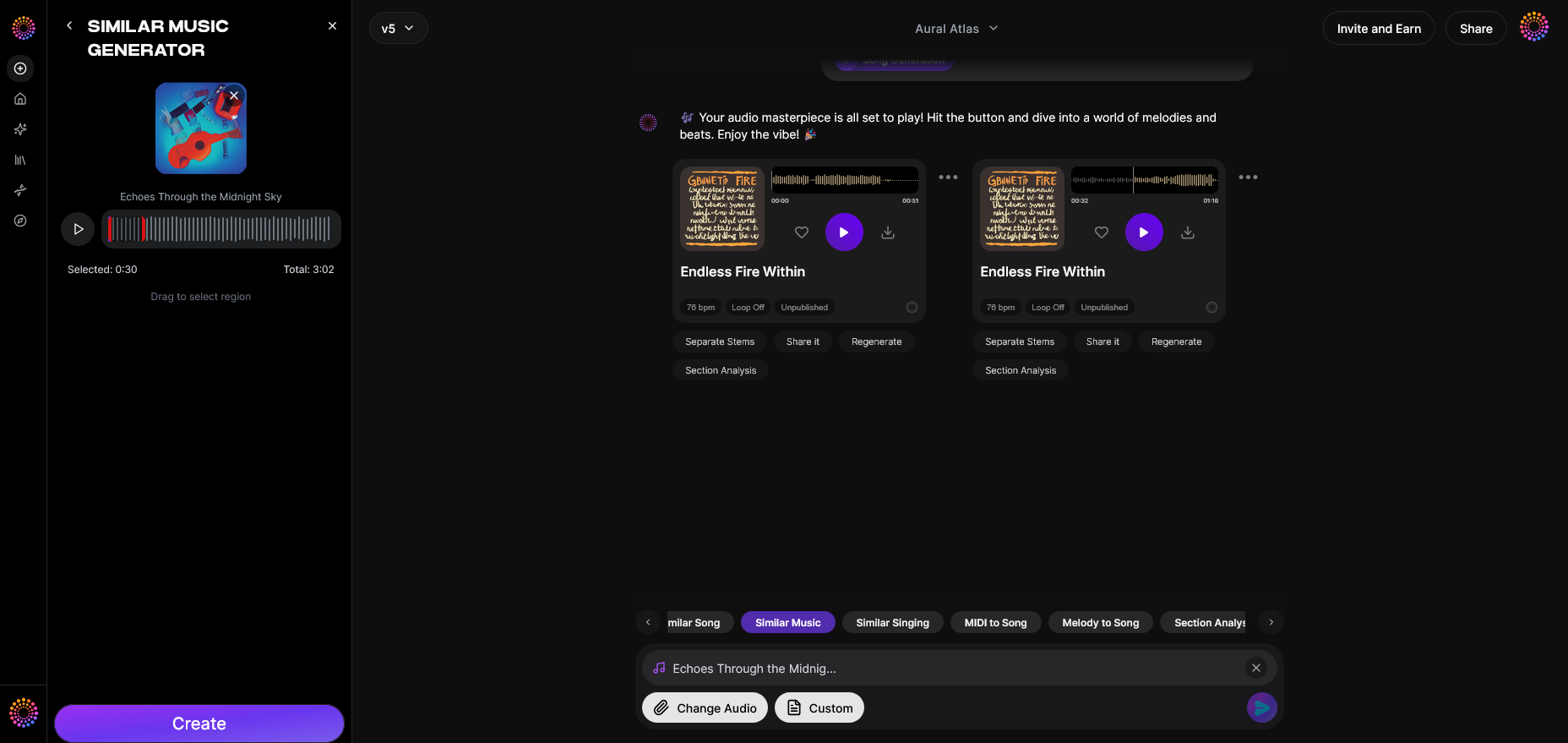
Now that you understand what slow music genres are and how they shape listener experiences, let’s explore how to create them instantly using Soundverse.
Soundverse’s Similar Music Generator is designed to produce original instrumental compositions inspired by a reference track. Perfect for creators who need mood consistency without the complexity of manual composition, it generates instrumental loops that capture a specific vibe—ideal for chill, ambient, or downtempo textures.
Key Capabilities
- Instrumental Style Transfer: Takes the mood, tempo, and instrumental elements from your reference and recreates them in a copyright-free format.
- Detailed Musical Analysis: The system interprets tempo range, key, and overall emotional profile to ensure the generated track aligns with the intended genre.
- Reference-Based Loop Creation: This feature helps form ambient loops suitable for film scenes, podcasts, or games.
Best Use Cases
- Film and TV Scoring: Replace temporary background scores with relaxed, AI-generated music matching the cinematic tone.
- Game Environment Themes: Generate sound that sustains immersion in slow, contemplative worlds.
- Podcast Intros and Outros: Build chill music segments with consistent branding.
Why Use Soundverse?
Because slow music is defined by nuance, having a tool that understands tonal structure is vital. The Similar Music Generator processes your reference track asynchronously—users upload or select their source, and after AI analysis, receive a fully formed instrumental download.
For creative expansion, Soundverse provides complementary tools. You can explore the Soundverse Assistant, which auto-selects the right AI Magic tool for your composition needs, or learn about how AI generation supports innovative creators in Soundverse AI Revolutionizing Music Creation. For additional visual learning, watch Soundverse Tutorial Series - Explore Tab.
Create Slow Music That Moves Emotions
Explore the power of Soundverse AI to craft beautiful, slow music across genres—from ambient to lo-fi and classical. Bring calm, mood, and texture to your sound effortlessly.
Related Articles
- How to Create Healing Meditation Music with Soundverse AI: Discover how to generate soothing meditation tracks that inspire relaxation and focus using Soundverse AI tools.
- 40 Hand-Picked Lo-Fi Text-to-Music Prompts for All Occasions: Experiment with lo-fi text-to-music prompts to create mellow beats and chill background ambience for any mood.
- 50 Hand-Picked Meditation Text-to-Music AI Music Generation Prompts for All Occasions: Explore curated prompts that help artists produce slow, contemplative meditation music through AI-driven creativity.
- Most Popular Music Genres: Learn about the world’s favorite music genres, their evolution, and how AI is influencing their modern sound.
Here's how to make AI Music with Soundverse
Video Guide
Here’s another long walkthrough of how to use Soundverse AI.
Text Guide
- To know more about AI Magic Tools, check here.
- To know more about Soundverse Assistant, check here.
- To know more about Arrangement Studio, check here.
Soundverse is an AI Assistant that allows content creators and music makers to create original content in a flash using Generative AI. With the help of Soundverse Assistant and AI Magic Tools, our users get an unfair advantage over other creators to create audio and music content quickly, easily and cheaply. Soundverse Assistant is your ultimate music companion. You simply speak to the assistant to get your stuff done. The more you speak to it, the more it starts understanding you and your goals. AI Magic Tools help convert your creative dreams into tangible music and audio. Use AI Magic Tools such as text to music, stem separation, or lyrics generation to realise your content dreams faster. Soundverse is here to take music production to the next level. We're not just a digital audio workstation (DAW) competing with Ableton or Logic, we're building a completely new paradigm of easy and conversational content creation.
TikTok: https://www.tiktok.com/@soundverse.ai
Twitter: https://twitter.com/soundverse_ai
Instagram: https://www.instagram.com/soundverse.ai
LinkedIn: https://www.linkedin.com/company/soundverseai
Youtube: https://www.youtube.com/@SoundverseAI
Facebook: https://www.facebook.com/profile.php?id=100095674445607
Join Soundverse for Free and make Viral AI Music

We are constantly building more product experiences. Keep checking our Blog to stay updated about them!