What Are Sad Songs Called? Exploring Types of Sad Songs and Emotional Genres in 2026
Discover types of sad songs and melancholy music genres that evoke deep emotions.
What Are Sad Songs Called?
Sad songs have always been an integral part of music history, capturing moments of heartbreak, loss, reflection, and emotional vulnerability. As we step into 2026, the evolution of melancholy music continues to touch listeners worldwide through a blend of traditional ballads and AI-enhanced compositions. Whether you are a songwriter seeking inspiration or a listener drawn to emotional resonance, understanding the different types of sad songs can deepen your appreciation of this powerful art form.
What Are Sad Songs Called?
Sad songs are often described using terms like melancholy music, emotional ballads, or songs about heartbreak. These classifications encompass any form of music designed to evoke sadness or introspection. Historically, sad songs have been grouped into several prominent genres and styles based on lyrical content, melody, and emotional impact.
In 2026, with the rise of AI-driven composition tools, artists are exploring new subgenres of emotional expression, blending acoustic depth with digital soundscapes. Yet the underlying purpose remains the same: to connect through shared emotion.

What Are the Main Types of Sad Songs?
Sad songs can be divided into several categories, each focusing on a different emotional theme or musical style. Here are the most well-known types:
1. Emotional Ballads
Ballads have always been synonymous with expressing deep emotions. They generally feature slow tempos and lyrics centered around love, heartbreak, or nostalgia. Whether acoustic or orchestrated, ballads prioritize storytelling, making them timeless reflections of human experience.
2. Songs About Heartbreak
Heartbreak songs deal with the pain of lost love. From classic pop hits to modern R&B, these songs express the vulnerability and grief that follow emotional separation. In 2026, AI-assisted songwriting tools have made it easier than ever for independent artists to craft heartfelt lyrics by analyzing popular emotional patterns.
3. Melancholy Indie Music
Indie and alternative artists often use minimalistic arrangements to evoke sadness. Guitars, soft vocals, and ambient effects create a contemplative atmosphere. Melancholy indie tracks remain popular among younger audiences who appreciate raw emotional honesty.
4. Lament or Grief Songs
Lamentational music goes beyond personal heartbreak — it reflects loss on a broader scale, such as the passing of loved ones or existential sorrow. These songs traditionally stem from folk and classical traditions but continue to inspire modern composition.
5. Slow Piano or Acoustic Songs
A single instrument can convey immense emotional intensity. Slow piano or acoustic guitar compositions emphasize melody and tone rather than rhythm. These tracks often serve therapeutic purposes, encouraging reflection and emotional release.
6. Ambient and Cinematic Sad Music
As film and television production increasingly rely on music to convey mood, cinematic sad soundscapes have grown in prominence. This music that evokes sadness merges orchestral elements with electronic layers, often underscored by AI-generated harmonies. It’s ideal for storytelling and background use.
7. Nostalgic Pop and Retro Sad Songs
Pop music infused with vintage tones can also express melancholy. Nostalgia-themed tracks recall past eras, combining upbeat rhythms with introspective lyrics. Their emotional contrast often amplifies the listener’s sense of longing.
8. Soul and Blues Ballads
Rooted in expressive vocal performance, blues and soul ballads remain defining examples of raw sadness. Lyrics typically address heartbreak or societal pain. These genres continue to influence modern pop and R&B melodies.
Why Do People Love Melancholy Music?
Humans connect naturally with emotions, and sadness provides catharsis. Listening to melancholy music helps process feelings, offering both comfort and shared understanding. Psychologists studying musical emotion note that sad songs can paradoxically make people feel better by validating their experiences. The pleasures of sad music lie in this emotional paradox.
In 2026, playlists focused on emotional ballads and sad song genres dominate streaming platforms. People use these tracks not only during emotional times but also to achieve calm focus or introspection.
Emotional Impact and Brain Chemistry
The calming effect of sad music arises from neurochemical reactions. Serotonin and prolactin levels increase when listeners hear music that evokes sadness, triggering relaxation and empathy. This scientific connection between sound and emotion explains why songwriters continue to create pieces that tug at our hearts.
To explore how professionals are using technology to amplify these emotional dynamics, see Soundverse’s insights in how AI-generated music is transforming the music industry.
How Have Sad Songs Evolved by 2026?
Between 2024 and 2025, AI composition platforms revolutionized the songwriting process. By 2026, artists increasingly rely on tools that generate melancholy themes automatically, allowing creative focus on performance and production.
Music creators use music mood classification models and sentiment analysis algorithms to detect emotional tones within lyrics. Using platforms like Soundverse, they can generate verses and choruses that perfectly align with a desired mood. This advancement makes writing deeply emotional songs accessible to anyone, not just trained songwriters.
Integration of Artificial Intelligence
AI not only assists with writing but also handles melody creation and vocal performance. Soundverse’s suite of tools, including its AI Song Generator and AI Singing Generator, empowers creators to explore emotional textures — from whisper-like vocal tones to cinematic orchestration. Learn more about complementary tools in soundverse ai magic tools create content quickly with ai.
For a deeper dive, watch our Soundverse Tutorial Series - How to Make Music and Soundverse Tutorial - Explore Tab for hands-on guidance on creating emotionally driven tracks.
Examples of Sad Song Genres Across Cultures
Different cultures interpret sadness uniquely through music:
- Japanese Enka and J-Pop ballads: Focus on longing and personal perseverance.
- Fado (Portugal): Deeply expressive music of fate and nostalgia.
- American Country ballads: Narratives of heartbreak and resilience — see How to Create Country Music with Soundverse AI for practical examples.
- Bollywood romantic laments: Often characterized by poetic sorrow and hope.
These styles demonstrate that emotional music transcends language and geography, providing a universal space for reflection.
How to Make Sad Songs with Soundverse AI Lyrics Writer
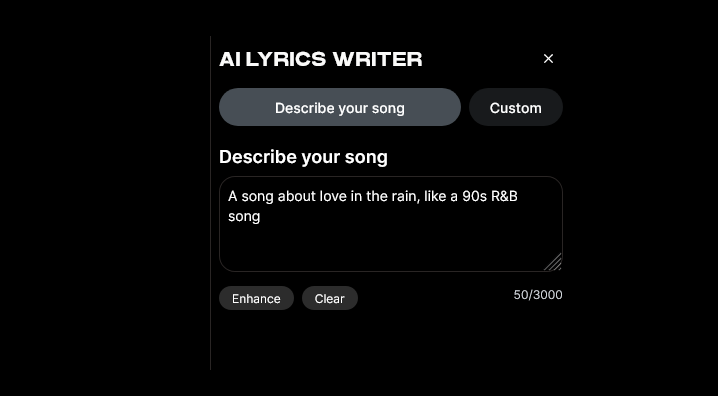
Now that you understand the depth and diversity of sad song genres, let’s explore how you can effortlessly create them using Soundverse.
Soundverse AI Lyrics Writer is designed to instantly generate structured lyrics based on your chosen tone, theme, and genre. This tool focuses on emotional authenticity while maintaining professionalism in structure.
Key Features and Capabilities:
- Structure Generation: Automatically organizes your lyrics into verses, choruses, and bridges, adapting to the emotional progression typical in sad songs.
- Mood and Genre Customization: Select specific feelings — heartbreak, melancholy, reminiscence — or genres like ballad, blues, or cinematic ambient.
- Partial Lyric Completion: Ideal for overcoming writer’s block; simply input an unfinished verse, and the AI completes it coherently.
- Integrated ‘Help Me Write’ Workflow: Connect seamlessly with the AI Song Generator or AI Singing Generator to bring your lyrics to life.
Primary Use Cases:
- Creative Assistance: When inspiration feels distant, AI Lyrics Writer provides thought-provoking starting points.
- Educational Examples: Teachers and students use it to understand emotional lyric structure.
- Production Integration: Instantly draft content for full song generation with the AI Song Generator.
To expand your workflow further, see generate ai music with soundverse text to music and soundverse assistant your ai music co-producer for deep-diving into AI-powered songwriting.
Create Emotionally Powerful Music with Soundverse AI
Turn feelings into soundscapes with Soundverse’s AI tools that help you compose moving melodies in any genre—from heartbreak ballads to cinematic scores. Start crafting your next masterpiece effortlessly.
Start Creating with Soundverse
Related Articles
- The Role of AI Music in Film and Television — Discover how AI-generated compositions are shaping powerful emotional moments in movies and TV.
- How to Create Healing Meditation Music with Soundverse AI — Learn to produce soothing, emotional soundscapes using Soundverse AI’s intuitive music generation tools.
- Most Popular Music Genres — Explore the world’s most loved musical styles and what makes each genre emotionally resonant.
- Generate AI Music with Soundverse Text-to-Music — Transform words into emotional soundtracks instantly using Soundverse’s advanced text-to-music engine.
Here's how to make AI Music with Soundverse
Video Guide

Here’s another long walkthrough of how to use Soundverse AI.
Text Guide
- To know more about AI Magic Tools, check here.
- To know more about Soundverse Assistant, check here.
- To know more about Arrangement Studio, check here.
Soundverse is an AI Assistant that allows content creators and music makers to create original content in a flash using Generative AI. With the help of Soundverse Assistant and AI Magic Tools, our users get an unfair advantage over other creators to create audio and music content quickly, easily and cheaply. Soundverse Assistant is your ultimate music companion. You simply speak to the assistant to get your stuff done. The more you speak to it, the more it starts understanding you and your goals. AI Magic Tools help convert your creative dreams into tangible music and audio. Use AI Magic Tools such as text to music, stem separation, or lyrics generation to realise your content dreams faster. Soundverse is here to take music production to the next level. We're not just a digital audio workstation (DAW) competing with Ableton or Logic, we're building a completely new paradigm of easy and conversational content creation.
TikTok: https://www.tiktok.com/@soundverse.ai
Twitter: https://twitter.com/soundverse_ai
Instagram: https://www.instagram.com/soundverse.ai
LinkedIn: https://www.linkedin.com/company/soundverseai
Youtube: https://www.youtube.com/@SoundverseAI
Facebook: https://www.facebook.com/profile.php?id=100095674445607
Join Soundverse for Free and Make Viral AI Music

We are constantly building more product experiences. Keep checking our Blog to stay updated about them!