Voice Cloning for Accessibility and Voice Preservation in 2026
Explore how voice cloning is transforming accessibility and preserving digital voices in 2026.
Voice Cloning for Accessibility and Voice Preservation
Introduction
Voice cloning has evolved into one of the most transformative branches of AI technology, particularly in 2026, where its applications extend far beyond entertainment. Through breakthroughs in AI voice synthesis and text-to-speech technology, people with speech impairments now have access to more personalized and expressive tools than ever before. For many, voice cloning isn't just about convenience—it represents empowerment, autonomy, and the preservation of one's vocal identity.
In 2024 and 2025, the conversation around voice cloning often focused on ethics and imitation. But in 2026, the focus has shifted toward voice accessibility and digital voice preservation, especially for those with degenerative speech conditions or communication challenges. This article explores how voice cloning supports accessibility and preservation, the ethical framework behind its use, and how Soundverse’s Voice Swap feature is pioneering these efforts.
What is Voice Cloning and How Does it Work?
Voice cloning is an AI-driven process where a system learns the characteristics of a person's voice—such as tone, inflection, pacing, and emotion—and replicates those features to generate speech that sounds just like them. It’s built on advanced machine learning models trained on audio samples, enabling faithful reproduction of a speaker’s identity. Learn more from AI Voice Cloning - Respeecher about how technology powers creative and accessible media.
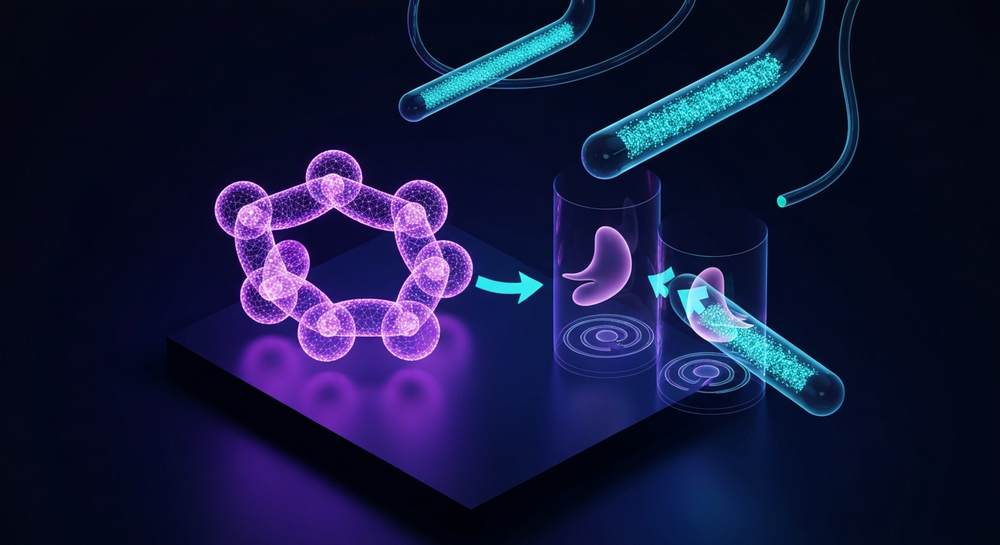
In practical terms, this process uses AI voice synthesis to extract patterns from human speech. The resulting model can then convert text into speech or apply a target voice onto existing audio through a voice-to-voice conversion process. It forms the foundation for digital voice preservation and has become essential for assistive communication tools.
For developers, voice cloning opens doors to realistic text-to-speech generation that feels natural and emotionally nuanced. For individuals, it creates accessible solutions that go beyond robotic-sounding AI voices, helping them maintain personal and social connections through voice identity.
For a deeper dive on related AI audio techniques, watch our Soundverse Tutorial Series - How to Make Music.
Why is Voice Cloning Vital for Accessibility in 2026?
The accessibility community has long recognized that communication is more than just words—it’s tone, emotion, and individuality. When someone loses their voice due to conditions such as ALS, throat cancer, or speech disorders, it can feel like losing a crucial part of their identity. Voice cloning restores this sense of self.
1. Personalized Communication
Traditional assistive devices often rely on generic voices. Modern AI voice cloning instead allows users to preserve or create personalized voices that match their identity. For example, someone can store their natural recordings before undergoing a procedure affecting speech and use an AI-generated model to 'speak' for them later.
2. Emotional Connection
AI voice synthesis technologies are now capable of simulating emotional nuances—joy, sorrow, or excitement—that human communication depends on. This is central to accessibility efforts because emotional tone enhances empathy and connection in social and professional environments.
3. Cross-Platform Integration
In 2026, AI voices can be seamlessly integrated across devices: smartphones, assistive communication tools, and collaborative workspaces. Users no longer have to sacrifice personal expression when switching platforms.
4. Inclusivity and Representation
Voice cloning also ensures inclusivity for people who rely on assistive speech tools. With advancements in digital voice preservation, individuals from diverse linguistic and cultural backgrounds can now access voices that reflect their accents and identities—something largely unavailable in older TTS systems.
What is Digital Voice Preservation?
Digital voice preservation refers to the process of storing and protecting an individual’s voice data in a secure format that can be used for future reconstruction or synthesis. It’s a proactive measure, akin to digital archiving one’s personal sound signature.
In practice, it means creating a secure 'voice DNA'—an AI-readable version of your voice characteristics. Should a person ever lose their ability to speak, this voice can be used to restore natural communication. This principle goes beyond accessibility—it’s about legacy.
Healthcare organizations and accessibility nonprofits have embraced digital voice preservation to help patients prepare for progressive conditions. Artists are also using it to safeguard their sonic identity for the future, echoing the wider trend of ethical AI voice licensing that platforms like Soundverse have built into their frameworks.
For more insights into how AI innovation intersects with ethical practices, explore how AI-generated music is transforming the music industry.
The Ethical Foundation: Consent and Ownership
Voice cloning raises important questions about consent, attribution, and data privacy. In prior years, unlicensed cloning of celebrity voices was a major concern. By 2026, however, leading companies like Soundverse have addressed these concerns through transparent training practices, verified consent pipelines, and revenue-sharing frameworks.
Soundverse’s Ethical AI Music Framework ensures that each voice model used in their ecosystem comes from authorized datasets. This provides a model for the future of ethical voice cloning—protecting artists and users alike. It also ensures that technology serves accessibility without infringing on privacy or creative rights.
To better understand how ethics and creativity balance in AI production, check out Soundverse’s article on AI music generators and human composers.
How to Make Voice Cloning Accessible with Soundverse Voice Swap
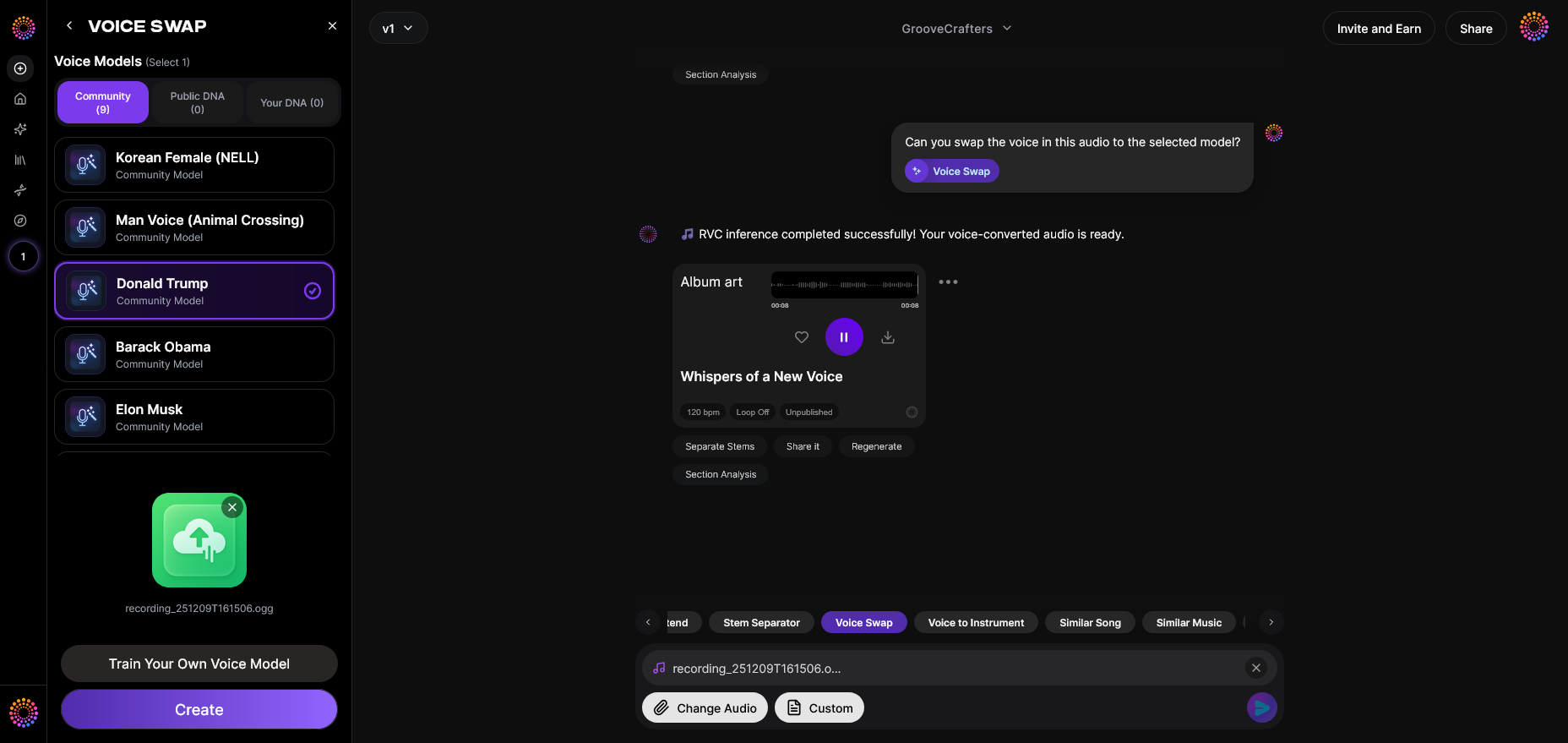
Soundverse’s Voice Swap feature integrates seamlessly into this new age of voice accessibility and preservation. Built to convert existing vocals into a different voice while maintaining the same timing, nuance, and emotion, it offers unparalleled precision in the AI synthesis space.
Core Capabilities:
- Community Voices: Access a wide range of celebrity, character, or creative styles for adaptive playback.
- Public and Personal DNA: Use existing public voice models or securely generate your own personalized 'DNA' model.
- Voice-to-Voice Conversion: Transform your recorded speech or singing into another target voice while preserving the performance essence.
Real-World Applications for Accessibility
- Assistive Communication: Users with speech loss can record sample phrases, swap in a preserved version of their own digital voice DNA, and then communicate naturally via text-to-speech tools.
- Voice Rehabilitation: Therapists can leverage Voice Swap to help patients re-experience and interact with reconstructed versions of their natural voices during recovery.
- Cultural and Linguistic Diversity: Through custom models, individuals can maintain accent integrity and phonetic nuances across multiple languages.
Unlike live voice changers, Soundverse operates through an asynchronous workflow—uploading audio, initiating the transformation, and receiving results once processed. This ensures high-quality synthesis without the limitations of real-time preview systems.
Integration with the Soundverse Ecosystem
Voice Swap also connects with other Soundverse tools:
- Soundverse DNA allows ethical voice model creation through artist-licensed datasets.
- Similar Singing Generator can be used alongside Voice Swap for musical consistency, such as maintaining tonality between singing and speech.
- The Ethical AI Music Framework serves as the foundation ensuring every cloned voice adheres to consent-based ethical guidelines.
Explore more about Soundverse’s AI ecosystem through tools like the Soundverse AI Magic Tool set or learn how it reshapes creation workflows in Soundverse’s Assistant overview.
How Voice Cloning Shapes the Future of Human-AI Interaction
By 2026, the use of voice cloning for accessibility has evolved from assistive support to identity preservation. Voice becomes not just a tool for communication but a digital component of one’s identity in the metaverse and virtual communication platforms.
1. Universal Communication
As cross-language translation models mature, cloned voices can now be converted to different languages while retaining emotional authenticity—bridging global communication.
2. Legacy Beyond Life
In digital memorial projects, families are choosing to preserve loved ones’ voices using ethical cloning systems, ensuring that their tone and memories live on.
3. Education and Support
AI-generated voices are also being used in educational accessibility—for example, teachers cloning their voices so that blind or visually impaired students can receive personalized audio lessons.
4. Creative Empowerment
By integrating AI voice synthesis with systems like Soundverse DNA, creators can design inclusive virtual environments where every participant has a voice that fits their personality or condition.
Bring Your Voice to Life with Soundverse AI
Experience the power of advanced voice cloning technology to preserve your unique voice and make digital accessibility effortless. Start creating lifelike, personalized voices in minutes.
Try Soundverse Voice Cloning
- Soundverse SAAR: AI Voice Assistant — Discover how Soundverse SAAR revolutionizes interaction by turning AI into your personal audio companion.
- Soundverse Introduces Stem Separation Magic Tool — Explore the groundbreaking AI Magic Tool that isolates vocals and instruments in seconds, transforming your mixing workflow.
- Soundverse AI Revolutionizing Music Creation for New-Age Content Creators — Learn how Soundverse AI empowers modern creators to produce professional-level music with innovative tools and voice features.
- The Role of AI Music in Film and Television — Discover how AI-generated music and voices are enhancing storytelling in film and television production.
Here's how to make AI Music with Soundverse
Video Guide
Here’s another long walkthrough of how to use Soundverse AI.
Text Guide
- To know more about AI Magic Tools, check here.
- To know more about Soundverse Assistant, check here.
- To know more about Arrangement Studio, check here.
Soundverse is an AI Assistant that allows content creators and music makers to create original content in a flash using Generative AI.
With the help of Soundverse Assistant and AI Magic Tools, our users get an unfair advantage over other creators to create audio and music content quickly, easily and cheaply.
Soundverse Assistant is your ultimate music companion. You simply speak to the assistant to get your stuff done. The more you speak to it, the more it starts understanding you and your goals.
AI Magic Tools help convert your creative dreams into tangible music and audio. Use AI Magic Tools such as text to music, stem separation, or lyrics generation to realise your content dreams faster.
Soundverse is here to take music production to the next level. We're not just a digital audio workstation (DAW) competing with Ableton or Logic, we're building a completely new paradigm of easy and conversational content creation.
TikTok: https://www.tiktok.com/@soundverse.ai
Twitter: https://twitter.com/soundverse_ai
Instagram: https://www.instagram.com/soundverse.ai
LinkedIn: https://www.linkedin.com/company/soundverseai
Youtube: https://www.youtube.com/@SoundverseAI
Facebook: https://www.facebook.com/profile.php?id=100095674445607
Join Soundverse for Free and make Viral AI Music
We are constantly building more product experiences. Keep checking our Blog to stay updated about them!