Monetizing AI-Generated Music: How Artists Profit From the AI Music Economy in 2026
Learn how creators monetize AI-generated music through licensing, royalties, and Soundverse’s Content Partner Program.
Monetizing AI-Generated Music
The rise of AI-generated music has transformed the creative economy dramatically in 2026. Music producers, tech entrepreneurs, and digital creators now view artificial intelligence not just as a creative assistant but as a business engine capable of generating sustainable income streams. As AI tools such as Soundverse and others reshape the music landscape, understanding AI-generated music monetization becomes essential for professionals navigating this new frontier.
What does AI-generated music monetization mean?
AI-generated music monetization refers to earning revenue from compositions created, assisted, or inspired by artificial intelligence. This can include licensing songs for films, games, or ads, charging royalties on AI-generated tracks, selling commercial usage rights, or participating in revenue-sharing frameworks offered by AI music platforms.
In essence, monetization is about turning creative output generated through algorithms into consistent financial value. By 2026, artists are leveraging AI systems not just for idea generation but to automate workflows, scale production, and create multiple income streams across digital platforms.

How is AI shaping the creative economy in 2026?
The creative economy and AI are now deeply intertwined. Over the past two years, AI has helped independent musicians and producers drastically reduce time spent on production, arrangement, and mixing. Automated mastering, AI-driven vocal synthesis, and dataset-based genre emulation have accelerated what used to take weeks into hours.
In 2026, the creative economy thrives on speed, personalization, and licensing transparency. Creators are no longer fighting against AI—they’re monetizing it. The democratization of AI music platforms has enabled:
- Automated composition revenue through systems like Soundverse DNA that generate style-specific original tracks.
- Royalty participation programs that allow artists to contribute their catalog for AI training ethically.
- Cross-platform distribution where tracks are instantly ready for upload to streaming or sync marketplaces.
Professionals who once hesitated to share data with AI platforms are now benefiting from frameworks that ensure consent, attribution, and ongoing compensation. For a deeper dive into applied techniques, watch our guide on creating Deep House music.

What are the main revenue models for AI-generated music?
Monetization opportunities for AI music are diverse and growing in sophistication. As the AI music economy matures, five dominant revenue streams have emerged:
1. Licensing and Sync Placements
AI-generated music can be licensed for use in content creation—YouTube videos, short films, advertisements, and video games. The affordability and speed of AI tracks have made them a popular alternative to traditional licensing. Creators can pick moods, genres, and instrumentals directly through AI systems and sell commercial usage rights.
2. Royalty-Based AI Training Contributions
Rights-holders can earn recurring, usage-based royalties when their original audio is included in ethical AI training datasets. This is one of the most transparent and scalable models of 2026, where attribution directly drives payouts.
3. Subscription Models for AI Music Platforms
Platforms now operate on monthly subscription tiers giving composers and producers access to premium features while earning from user interactions. Tools such as Soundverse and similar platforms combine access to AI composition tools with options for commercial release, creating a full production-to-monetization cycle.
4. Direct Sales and NFTs
Creators distribute AI-assisted music directly through digital marketplaces, coupling ownership records with blockchain verification. Non-fungible tokens (NFTs) and virtual economy licenses still have traction in 2026, providing buyers with unique verifiable ownership.
5. Streaming and Content Monetization
As streaming platforms integrate AI music standards, artists can publish compositions generated by licensed AI models without copyright risks. The more plays a track gains, the higher the AI music revenue.
For further insights on how AI tools shape monetization across genres, see music industry trends and explore how AI-generated music is transforming the music industry. You can also explore external coverage like AI Music in 2026: From Fear to Reality, Denial to Monetization or Music and AI: 2025's developments that will shape 2026's disputes.
Why automation is central to the modern music industry
Music industry automation isn’t just about faster production—it’s about scalable income. Automated platforms analyze data from millions of tracks to recommend optimal tempos, chord schemes, and sonic profiles for high-engagement compositions. This efficiency gives independent musicians an opportunity to produce professional-grade material efficiently.
While automation once threatened artisanship, it now augments it. Producers can focus on creative direction while AI handles mixing, mastering, and distribution scheduling. When combined with monetization channels, automation guarantees ongoing passive income from AI-assisted catalogues. For beginners exploring this workflow, watch our Soundverse tutorial on making music.
What challenges exist in AI music monetization?
Despite its potential, AI music monetization faces several challenges:
- Copyright ambiguity: Determining ownership between human creators and AI models often creates legal gray areas.
- Royalty distribution fairness: Not all AI platforms offer transparent tracking for who contributed training data.
- Ethical sourcing: Some models train on unlicensed datasets, posing integrity issues.
- Market saturation: The abundance of AI-generated tracks leads to pricing pressure and competitive differentiation gaps.
To succeed, creators in 2026 focus on working with trustworthy infrastructures like Soundverse that prioritize transparency, consent, and attribution over extraction.
How to make AI-generated music monetization sustainable
Sustainability in AI music revenue depends on three pillars:
- Ethical participation: Contribute only to systems with verified data protection.
- Diversified channels: Combine streaming, licensing, and training royalties.
- Ongoing data analytics: Use dashboards that show attribution metrics and earnings growth.
Professional creators who embrace these strategies treat AI not as an output factory but as a partnership with measurable returns.
How to make AI-generated music monetization work with Soundverse Content Partner Program
Now that you understand AI-generated music monetization, here is how creators can build recurring income instantly using Soundverse.
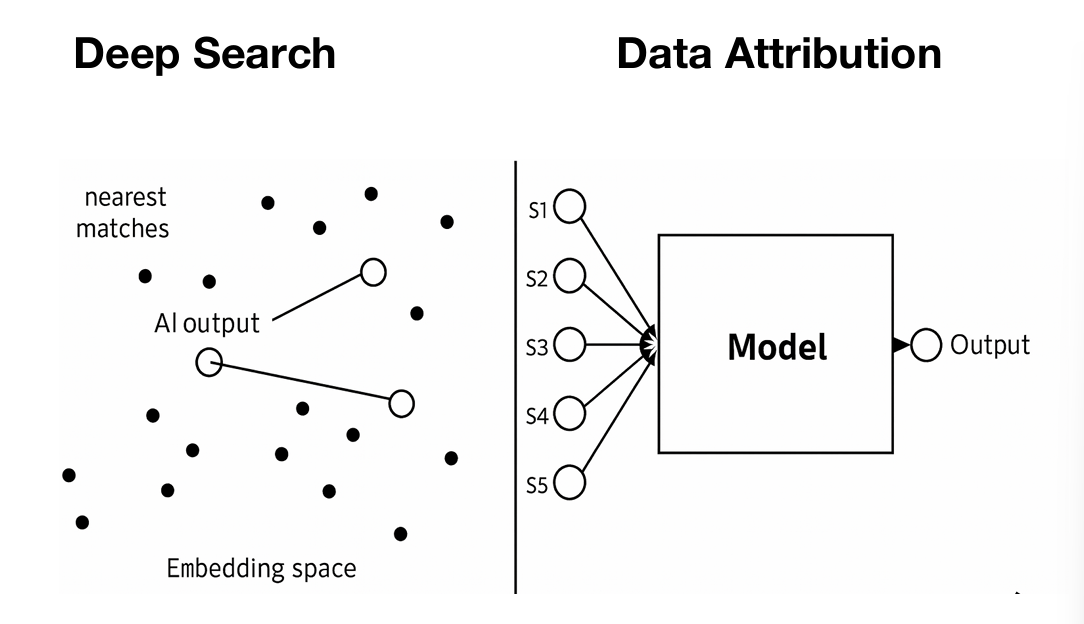
The Soundverse Content Partner Program is an opt-in licensing framework that allows rights-holders to contribute audio for ethical AI training in exchange for recurring, usage-based royalties. Each payout is driven by attribution — meaning the more influence your contributions have on music generations, the greater your earnings.
Core capabilities include:
- Influence-Based Payouts (Pay per generation): Artists earn based on how frequently their contributed styles are used by Soundverse’s generative system.
- Tiered Licensing (Tiers 1-6): Flexible participation levels suitable for everyone from indie creators to established publishers.
- Real-Time Dashboards for Earnings: Transparent statistics to track cumulative royalties without manual reporting errors.
- Transparency Reports on Data Usage: See exactly how your catalog influences AI outputs across sessions.
Primary use cases: Generating recurring revenue from back catalogs, supporting ethical AI model training, and protecting rights while participating in the growing AI economy.
Paired with Soundverse DNA, the program empowers artists to license their sonic identity safely and get compensated every time AI uses their unique style. Integrated with the Ethical AI Music Framework and Soundverse Trace, creators receive end-to-end transparency from dataset inclusion to royalty payout.
Explore how Soundverse’s ecosystem helps creators ethically monetize AI involvement, complementing other features covered in Soundverse AI Magic Tools and the Soundverse Assistant.
Start Monetizing Your AI Music Today
Turn your AI-generated tracks into revenue by creating professional-quality music with Soundverse. Join thousands of creators already earning from their digital compositions.
Related Articles
- How AI-Generated Music Is Transforming the Music Industry: Discover how AI is reshaping the music landscape, empowering artists and redefining creative workflows.
- Navigating the World of Royalty-Free and Copyright-Free Music Using Soundverse AI: Learn how to access and use royalty-free AI music safely and effectively for all your content projects.
- Copyright-Free vs. Royalty-Free Music: What Creators Should Know: Understand the key differences between copyright-free and royalty-free tracks to protect your creative assets.
- Join the Soundverse Affiliate Program: Earn by sharing the power of AI music creation—learn how to become a Soundverse affiliate today.
Here's how to make AI Music with Soundverse
Video Guide
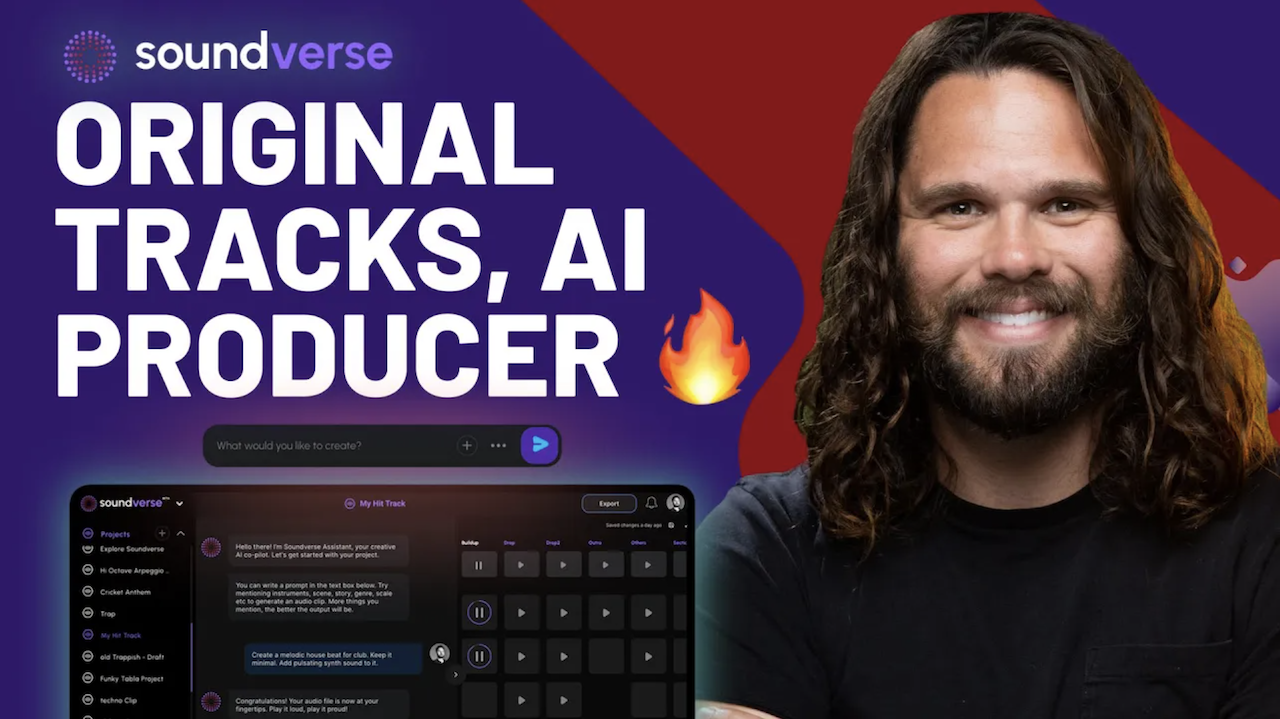
Here’s another long walkthrough of how to use Soundverse AI.
Text Guide
- To know more about AI Magic Tools, check here.
- To know more about Soundverse Assistant, check here.
- To know more about Arrangement Studio, check here.
Soundverse is an AI Assistant that allows content creators and music makers to create original content in a flash using Generative AI. With the help of Soundverse Assistant and AI Magic Tools, our users get an unfair advantage over other creators to create audio and music content quickly, easily and cheaply. Soundverse Assistant is your ultimate music companion. You simply speak to the assistant to get your stuff done. The more you speak to it, the more it starts understanding you and your goals. AI Magic Tools help convert your creative dreams into tangible music and audio. Use AI Magic Tools such as text to music, stem separation, or lyrics generation to realise your content dreams faster. Soundverse is here to take music production to the next level. We're not just a digital audio workstation (DAW) competing with Ableton or Logic, we're building a completely new paradigm of easy and conversational content creation.
TikTok: https://www.tiktok.com/@soundverse.ai
Twitter: https://twitter.com/soundverse_ai
Instagram: https://www.instagram.com/soundverse.ai
LinkedIn: https://www.linkedin.com/company/soundverseai
Youtube: https://www.youtube.com/@SoundverseAI
Facebook: https://www.facebook.com/profile.php?id=100095674445607
Join Soundverse for Free and make Viral AI Music

We are constantly building more product experiences. Keep checking our Blog to stay updated about them!
Image Steps: []