How to Write Metal Riffs: Mastering Modern Metal Guitar in 2026
Learn how to write metal riffs using expert techniques and Soundverse’s AI Music Generator.
How to Write Metal Riffs
Metal riffs are the backbone of heavy music—the sonic foundation that drives everything from thrash to djent to doom. In 2026, metal guitarists are constantly exploring new ways to combine aggression, melody, and precision into riffs that captivate and energize. If you’ve ever wondered how to write metal riffs that sound professional, powerful, and memorable, this guide breaks down essential metal guitar techniques, riff composition strategies, and creative workflows using modern AI tools like Soundverse.
What makes a great metal riff in 2026?
A strong metal riff combines rhythmic intensity and harmonic tension. In modern heavy metal songwriting, guitarists often use low tunings, syncopated rhythms, and modal theory to create riffs that feel heavier and more defined. The evolution of metal guitar in the past two years has seen extended-range guitars (7-, 8-, and even 9-string) become more accessible, along with hybrid picking and alternate tunings as standard creative tools.

Metal riffs today must balance groove and technicality. A great riff isn’t just fast; it’s memorable. Think chugging palm-mutes alternating with melodic climbs or harmonic minor runs. To write professional riffs, understand both the emotional shape of your riff and its role within the larger song structure.
How to make metal riffs with Soundverse AI Music Generator
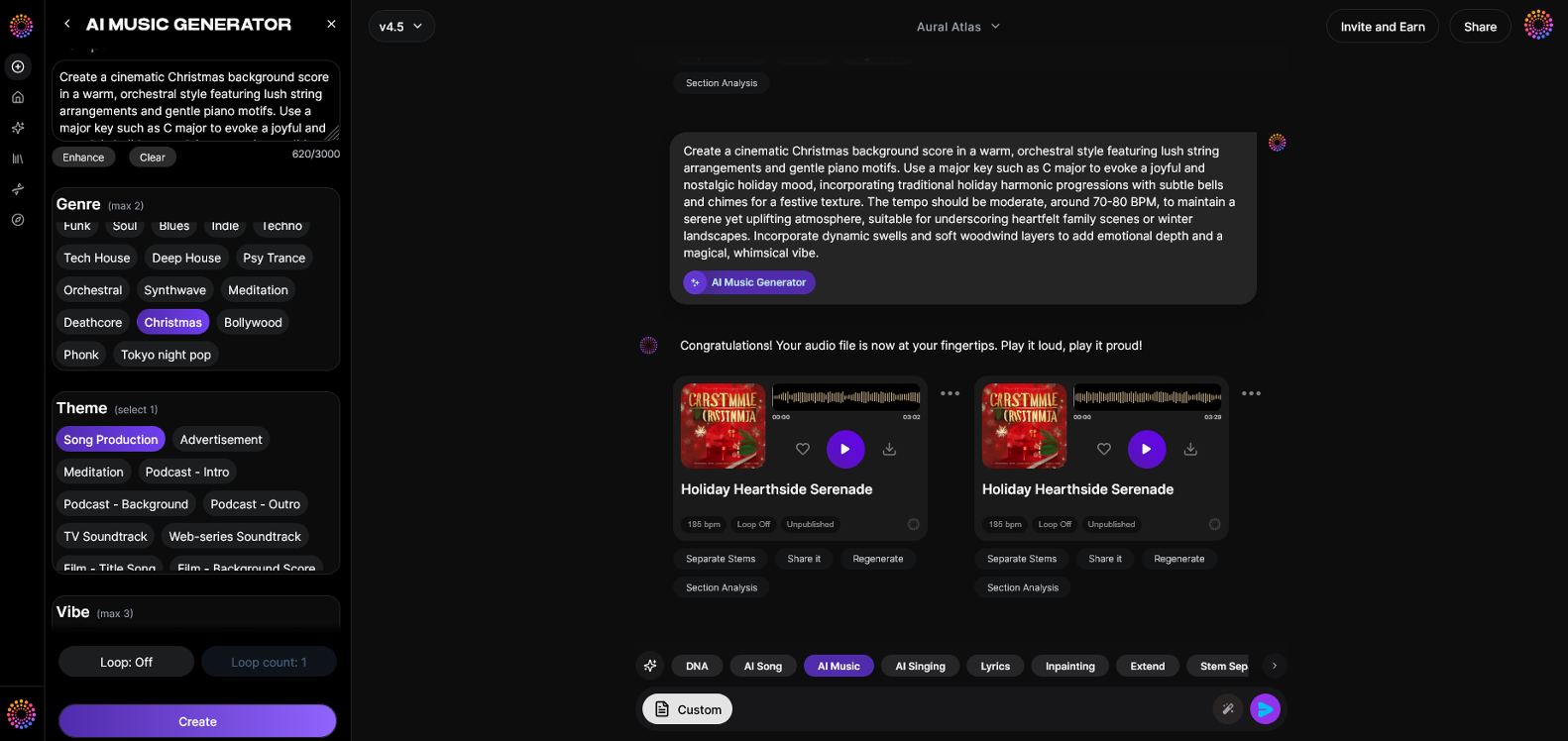
Soundverse’s AI Music Generator is an AI-powered platform that allows creators to generate fully produced instrumental music from text prompts. While primarily used for looping background tracks and soundscapes, it can also help guitarists draft or test riff ideas for their compositions.

Key capabilities for metal musicians:
- Text-to-music generation: Describe the tone and style you want—“aggressive metal riff with double kick and dark atmosphere”—and Soundverse produces an instrumental track.
- Loop Mode: Perfect for riff experimentation. You can generate short loops that repeat seamlessly, allowing you to jam along and refine your guitar ideas.
- Genre and instrument control: Choose specific moods, instruments, and subgenres—from metalcore rhythm sections to ambient doom textures.
- Model selection (V4 or V5): Pick between versions offering different sound engines and stylistic control.
Soundverse also works alongside other tools like Voice to Instrument (turning a hummed melody into a metal guitar tone) and Similar Music Generator (to create riffs matching a reference metal track’s vibe). Combined with Soundverse DNA, it ensures all creations are copyright-safe and ethically sourced—critical for musicians publishing in 2026.
You can explore how similar text-to-music technology works in this article or learn how producers combine AI and human creativity in this guide. For a deeper look at hands-on AI creation, check out our Soundverse Tutorial Series - How to Make Music.
Step 1: Feature Overview
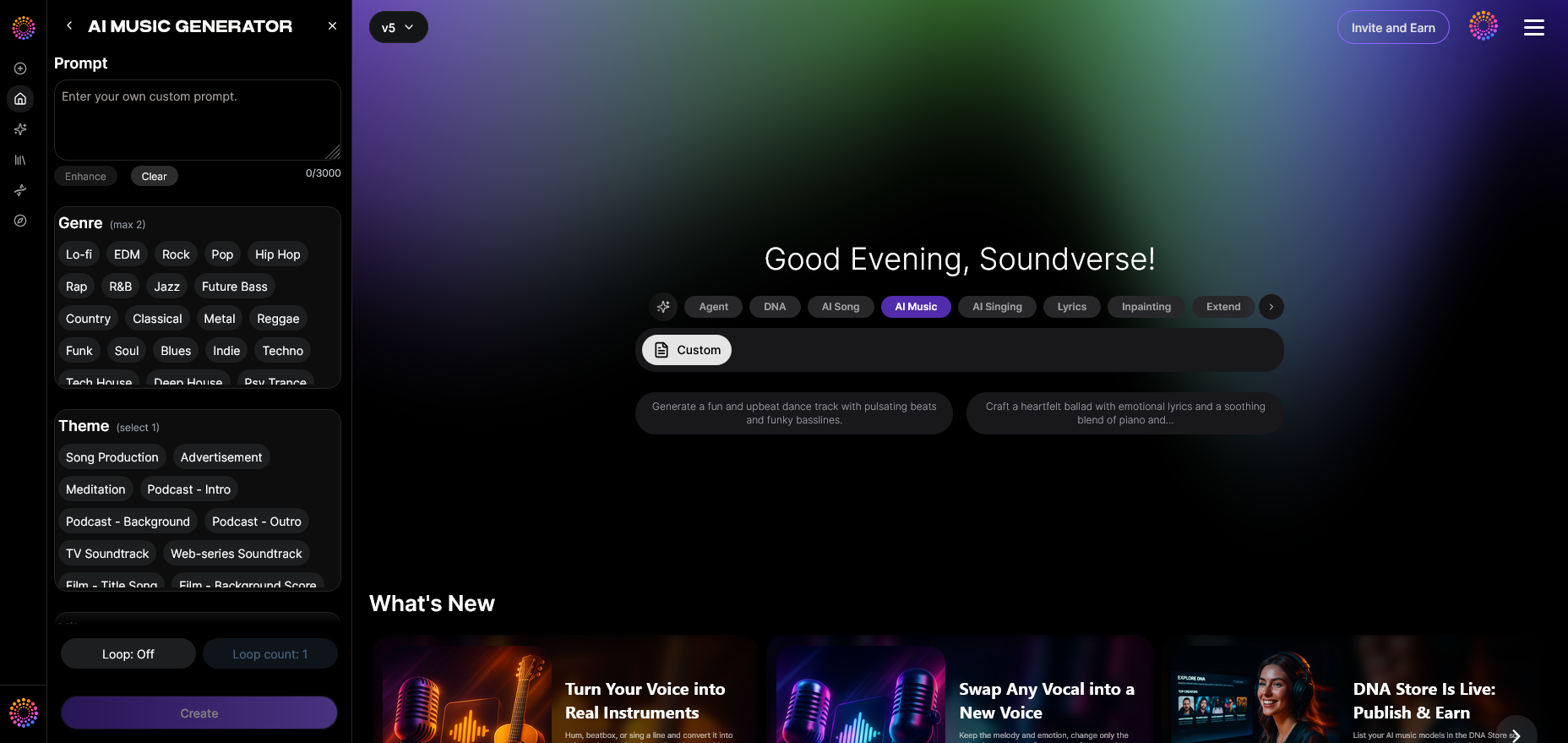
Access the AI Music Generator from the main menu inside Soundverse. This feature is dedicated to creating instrumental tracks that are ideal for background music or creative riff development sessions.
Step 2: Description Input
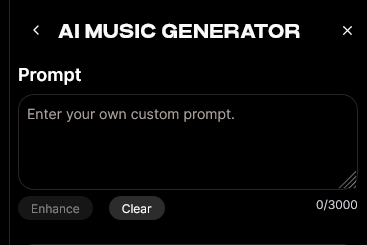
Enter a text description of your desired music. For example: “fast metal riff with galloping rhythm, distorted guitar and double bass.” The AI interprets stylistic cues to produce realistic metal textures.
Step 3: Style & Duration
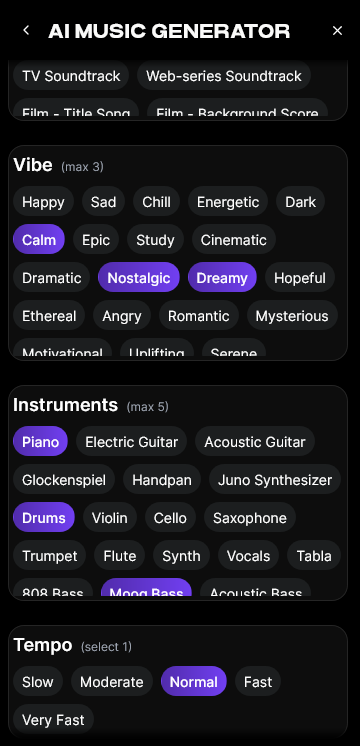
Select your preferred genre—metalcore, thrash, black metal, etc.—then set the loop length and tempo. Short 8- or 16-second loops are ideal for riff testing.
Step 4: Generation
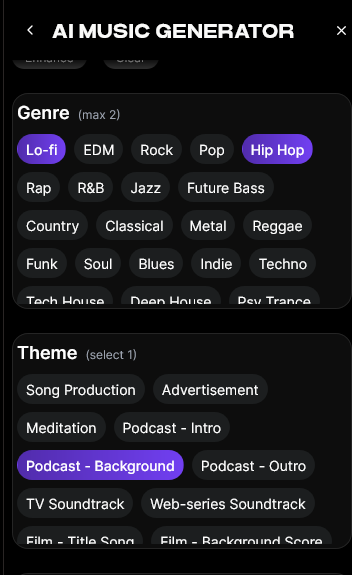
Click “Generate.” Soundverse will asynchronously create your instrumental sample. You can listen after processing completes and decide whether to refine the prompt or adjust genre parameters.
Step 5: Export Options

Download your generated music loop. You can import it into DAWs like Reaper or Logic Pro to layer guitar recordings or analyze rhythm sync points for riff composition.
What metal guitar techniques define modern riff writing?
Understanding technique is vital when learning how to write metal riffs. Here are core foundations that shape today’s metal sound:
1. Down-picking and alternate picking
These picking techniques create tight rhythmic articulation. Down-picking, favored by thrash legends, emphasizes attack and stamina, while alternate picking maximizes speed and endurance.
2. Palm-muting precision
Palm-muting controls the percussive tightness of a riff. In modern metal styles, controlling the mute depth allows dynamic contrast—from chunky chugs to open sustain.
3. String skipping and hybrid picking
These add melodic complexity. Combining rhythm and lead phrasing through hybrid picking makes riffs sound layered, a hallmark of 2026 metal guitar.
4. Dissonance and modal theory
Metal riffs frequently use Phrygian, Locrian, and harmonic minor tonality. Studying metal music theory gives guitarists access to characteristic tension: tritone intervals, diminished chords, and chromatic transitions.
5. Extended tunings and low string articulation
Drop tunings (like Drop C or Drop A) expand harmonic possibilities. Djent or progressive metal rely heavily on percussive low-end clarity paired with complex timing signatures.
For an overview of how advanced tuning and structure are transforming music composition this decade, read Soundverse’s trend report or explore how creators adapt genres like country music with AI.
You can also compare this to traditional methods in Writing Better Metal Riffs – Sequencing or learn creative tone experimentation through Writing Your Own Creative Guitar Riffs | Metal Riffs and Licks.
How to compose metal riffs effectively
To write memorable riffs, combine technique with emotional structure:
- Start simple: Begin with a rhythmic pattern rather than notes. Focus on groove and accents.
- Add harmonic tension: Use intervals that introduce dissonance—flat fifths or minor seconds.
- Integrate melody sparingly: A small melodic hook can enhance recall without losing heaviness.
- Think rhythmically, not melodically: Many successful riffs are rhythm-first designs.
- Iterate with AI loops: Use Soundverse’s Loop Mode to test different drumming backdrops for your riff phrasing.
These guidelines apply whether you compose for thrash, sludge, or melodic death metal styles. You can also test your riffs by having Soundverse’s Voice to Instrument convert a hummed groove into a playable guitar line, similar to methods discussed in How to Write a Metalcore Riff: A Complete 2026 Tutorial.
What role does metal music theory play today?
Metal music theory provides a roadmap for the scales, intervals, and harmonic choices that make riffs stand out. Modern compositions embrace balance between dark modal scales and major resolutions, creating tension and release. Key techniques include:
- Use of minor scales for heaviness.
- Borrowing from jazz harmony for modern progressive sounds.
- Applying rhythm subdivision and polymeters for intricate timing.
For an in-depth look at evolving theory applications, check out Soundverse’s in-depth music industry transformation insights or explore practical lessons on modern guitar phrasing in Practical Magic: Tips on Heavy Metal Songwriting.
Pro Tips for Writing Metal Riffs in 2026
- Experiment with AI sound loops: Instead of relying solely on live instruments, start riff drafting with AI-generated rhythm beds.
- Treat riffs as modular: Build collections of phrase segments you can rearrange to form verses or breakdowns.
- Focus on groove alignment: Ensure your riff interacts dynamically with kick patterns.
- Use technology creatively: Combine Soundverse and DAW plugins to sculpt tone precisely.
- Think in motifs: Distill your riff’s identity into one or two rhythmic or melodic ideas repeated strategically.
For advanced inspiration, watch How to Write Modern Metal Riffs (the easy approach) and The Ultimate Metal RIFF Writing Masterclass - YouTube.
Start Crafting Killer Metal Riffs with Soundverse AI
Unleash your inner metal guitarist — generate heavy riffs, experiment with tones, and compose tracks effortlessly using Soundverse’s AI-powered music tools.
Related Articles
- Create Metal Music with AI — Discover how AI can help you design crushing metal tracks with authentic tone and energy.
- How to Make AI-Generated Music — Learn the step-by-step process of creating original music using AI tools that suit any genre or style.
- The Benefits of Composing with AI Music Generator — Explore how AI streamlines composition, enhances creativity, and saves time for music creators.
- How an AI Music Generator Inspires Creative Fusion — See how musicians are blending genres and ideas with the help of Soundverse’s creative AI engine.
Here's how to make AI Music with Soundverse
Video Guide

Here’s another long walkthrough of how to use Soundverse AI.
Text Guide
- To know more about AI Magic Tools, check here.
- To know more about Soundverse Assistant, check here.
- To know more about Arrangement Studio, check here.
Soundverse is an AI Assistant that allows content creators and music makers to create original content in a flash using Generative AI.
With the help of Soundverse Assistant and AI Magic Tools, our users get an unfair advantage over other creators to create audio and music content quickly, easily and cheaply.
Soundverse Assistant is your ultimate music companion. You simply speak to the assistant to get your stuff done. The more you speak to it, the more it starts understanding you and your goals.
AI Magic Tools help convert your creative dreams into tangible music and audio. Use AI Magic Tools such as text to music, stem separation, or lyrics generation to realise your content dreams faster.
Soundverse is here to take music production to the next level. We're not just a digital audio workstation (DAW) competing with Ableton or Logic, we're building a completely new paradigm of easy and conversational content creation.
TikTok: https://www.tiktok.com/@soundverse.ai
Twitter: https://twitter.com/soundverse_ai
Instagram: https://www.instagram.com/soundverse.ai
LinkedIn: https://www.linkedin.com/company/soundverseai
Youtube: https://www.youtube.com/@SoundverseAI
Facebook: https://www.facebook.com/profile.php?id=100095674445607
Join Soundverse for Free and make Viral AI Music

We are constantly building more product experiences. Keep checking our Blog to stay updated about them!