How to Trademark Your Voice Legally in 2026: A Complete Guide
Learn how to trademark your voice in 2026 and protect your vocal identity legally.
How to Trademark Your Voice Legally
In 2026, the concept of voice trademarking has evolved from a niche legal consideration to a mainstream necessity for creators, entertainers, and brands. With the rapid advancement of AI-generated voices and synthetic speech systems, protecting one’s unique vocal identity has become just as critical as safeguarding a logo or signature. This guide explains how to trademark your voice legally, what constitutes vocal rights, and how to use Soundverse DNA to establish and manage your voice identity in an ethical, monetizable, and legally sound manner.
Why Is Voice Trademark Important in 2026?
Voice trademarking ensures that your distinct vocal identity — the tone, pitch, and delivery style that fans and audiences recognize — remains protected under legal frameworks. In the modern digital ecosystem, voice cloning tools can reproduce any sound with astonishing accuracy, meaning your voice could appear in advertisements or videos without consent. Trademarking your voice gives you enforceable rights under intellectual property laws.
For celebrities and major voice actors, this protection prevents unauthorized reproduction for commercial use. For content creators, podcasters, and YouTubers, it secures your vocal persona as part of your brand identity. By 2026, registering a voice trademark has become a key step in sustainable creative careers.

What Constitutes a Voice Eligible for Trademark?
Not every vocal sound can be trademarked. In most jurisdictions, a voice must demonstrate uniqueness and consistent association with a brand or persona. Courts assess:
- Distinctiveness: The voice must clearly identify one source (brand or individual).
- Non-functionality: It cannot simply serve as a technical functional sound, like an automated instruction.
- Public Association: The public should reliably connect the voice with the trademark holder.
Step-By-Step: How to Trademark Your Voice Legally
Step 1: Define Your Vocal Identity
Start by establishing the qualities that make your voice distinctive. Analyze tone, rhythm, accent, and emotional delivery. Many artists use tools like Soundverse AI Magic Tools to isolate unique sonic elements during recordings.
Step 2: Document Voice Usage Across Media
Collect samples of how your voice has been used—ads, podcasts, intros, or branded messages. Historical use helps show its commercial distinctiveness. This documentation will be part of your application to agencies like the USPTO (United States Patent and Trademark Office).
Step 3: Apply Through an Official Trademark Office
File your application in the relevant jurisdiction. You will need:
- Audio samples
- Descriptive notes
- Proof of distinct commercial use
- Declaration of ownership rights
For more insights, check out How to Register a U.S. Trademark in 2026.
Step 4: Secure Additional Intellectual Property Protection
Voice trademark alone may not cover all possibilities. Consider complementary registrations, such as copyrights for speech performances and likeness rights for promotional visuals. These combined protections reinforce your vocal rights portfolio. Read more in the National Trademark Registration Guide.
Step 5: Monitor and Enforce Your Rights
Once registered, monitor potential infringements. Modern AI platforms allow automatic detection of synthetic reproductions resembling your trademarked voice. Learn how these new frameworks operate in The 2026 Strategic Guide to Federal Trademark Protection.
How to Establish and Manage Your Voice Identity with Soundverse DNA
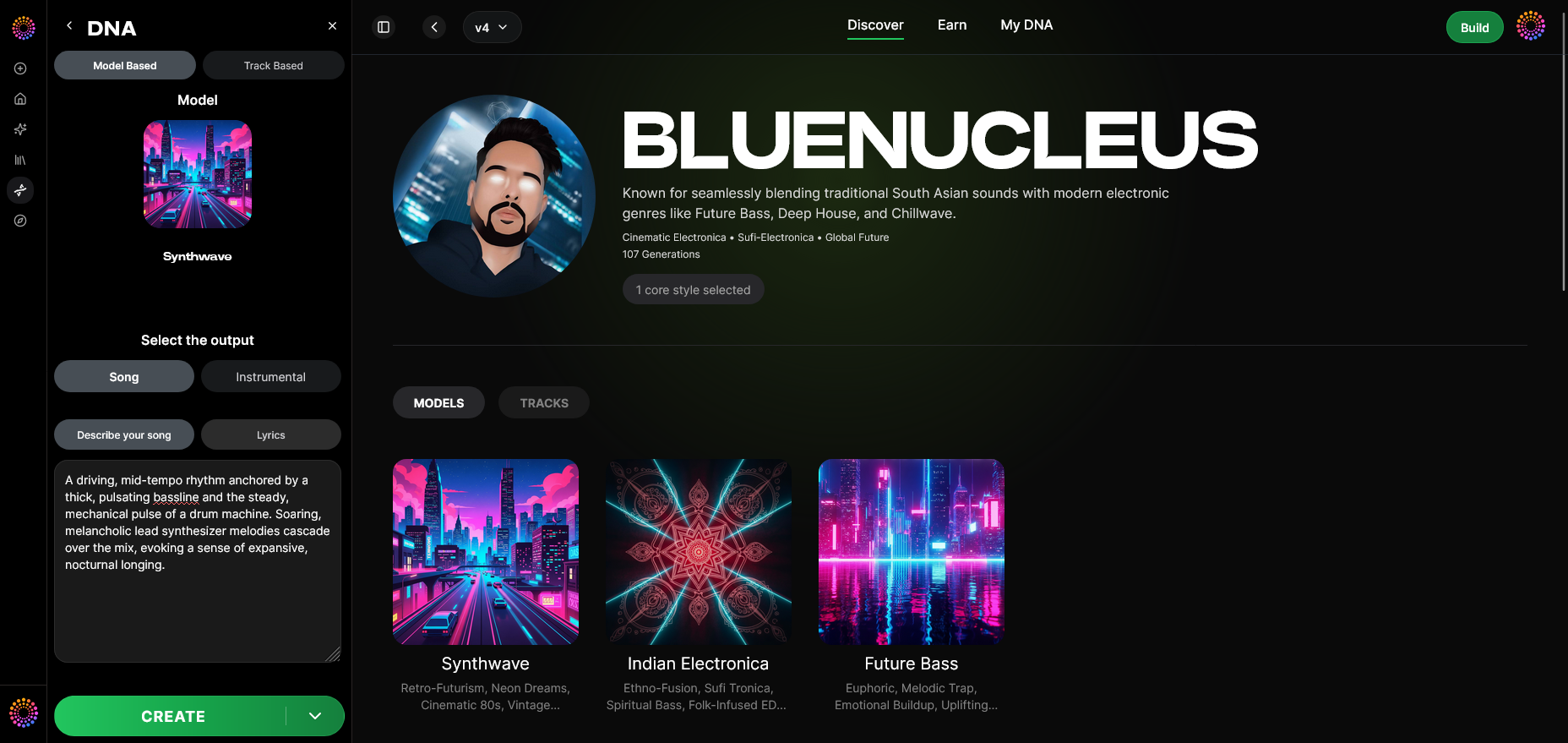
Soundverse DNA revolutionizes how creators control and monetize their sonic identity. Unlike general-purpose voice cloning tools, Soundverse DNA operates within a fully licensed, ethical ecosystem.
What Is Soundverse DNA?
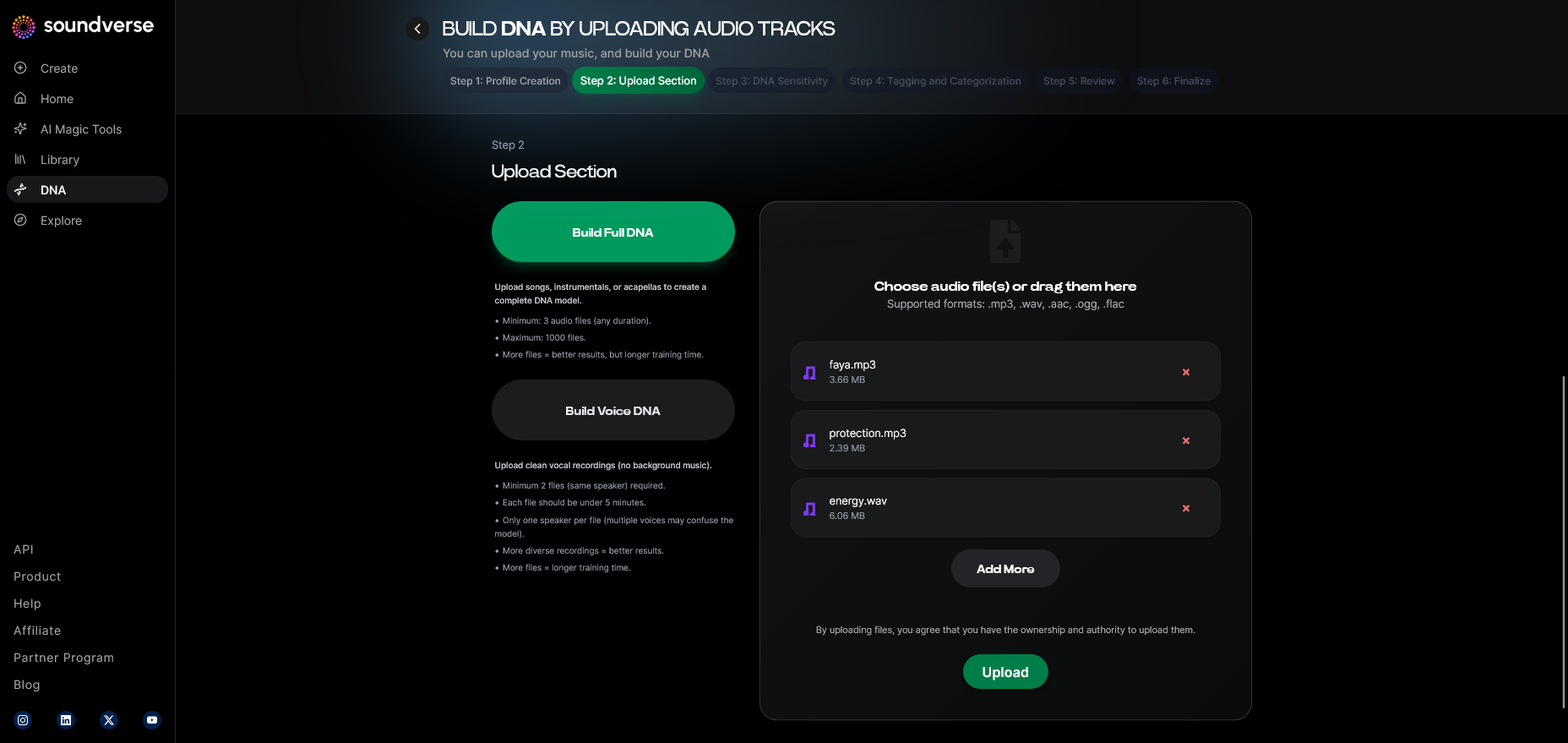
Soundverse DNA is an artist-trained AI music generation system that builds original work from specific sonic identities. When creators upload their audio, the system develops a Voice DNA based on vocal timbre and style. This technology is particularly transformative for brand sound consistency and vocal rights management.
Core Capabilities:
- Voice DNA: Captures your vocal timbre for customized music or branded usage.
- DNA Marketplace: License your voice model ethically to fans or collaborators.
- Sensitivity Selector: Categorize sonic evolution across career phases or stylistic eras.
- Private Mode: Enables secure co-creation to protect personal identity.
For artists wanting to generate AI music legally, Soundverse DNA prevents unauthorized use and ensures royalty flow aligns with consent and attribution. It complements Soundverse Trace — a trusted AI rights layer embedding attribution and metadata into every exported piece. This integration follows the Ethical AI Music Framework that prioritizes transparency, consent, and compensation.
For a deeper dive into creative sound development, watch our “Explore” Tab tutorial and also see How to Make Music from the Soundverse Tutorial Series.
How Soundverse DNA Streamlines Voice Trademark Implementation
By 2026, voice creators can integrate Soundverse DNA as part of a legal and commercial protection strategy:
- Voice Mapping & Ownership: Using DNA mode, creators upload recordings that become signature identifiers, establishing uniqueness before trademark filing.
- Metadata Embedding: The Soundverse Trace layer automatically embeds ownership credentials, ensuring legal verification during disputes.
- Secure Licensing via DNA Marketplace: Once approved, creators can safely sublicense their voice model to fans or brand collaborators.
- Ethical Co-Creation: In Private Mode, you can generate content while keeping your voice secured against unauthorized replication.
Using this structure, trademark registration complements AI verification, strengthening cross-platform consistency for your vocal rights.
What Are the Legal Guidelines for Voice Trademark Registration?
Trademarking a voice involves several key legal principles:
- Proof of Distinctiveness: Provide evidence of uniqueness compared to standard voice sounds.
- Commercial Association: Demonstrate use in trade, advertising, or entertainment.
- Jurisdictional Boundaries: Confirm recognition across markets—US, EU, and Asia have differing requirements.
- Duration and Renewal: Voice trademarks typically last ten years with renewals available upon proof of continued use.
For guidance, entertainment lawyers now frequently use AI-supported audio fingerprint tools to validate originality and assist filings. Learn more about 2026 legal expectations via Copyright & Trademark Policy and Trends to Watch.
Common Mistakes When Seeking Vocal Rights Protection
- Ignoring Audio Metadata: Lack of attribution can lead to disputes; ensure you use integrity-preserving platforms like Soundverse.
- Assuming Copyright Covers All: Copyright protects performance recordings, but trademarks preserve brand association.
- Overlapping Agreements: Be careful with licensing agencies; your voice model must not infringe older registered tones.
- Neglecting Global Protection: Vocal rights enforcement differs globally; always consult IP professionals for multi-region claims.
How Celebrity Voice Rights Are Managed in 2026
In modern entertainment industries, celebrity voice rights play a significant economic role. Voices of famous actors are considered brand elements themselves. High-profile individuals secure their trademark and digital voice models for safe collaboration in AI music and advertisement production. With tools like Soundverse Saar AI Voice Assistant, managing customized digital voices under contract becomes routine.
For more inspiration, explore how to make Deep House music using Soundverse tools.
Pro Tips for Voice Trademark Success
- Use AI Ethically: Choose systems trained on licensed datasets only.
- Regularize Use: Ensure your voice is consistently tied to your brand identity.
- Apply Transparency Tags: Attach clear metadata to every digital audio piece.
- Educate Collaborators: Make sure all partners know your voice is trademarked.
Examples of Vocal Protection in Creative Industries
- Podcasters: Protect distinct intros or taglines as trademarked sounds.
- Musicians: Register signature spoken phrases or vocal run styles tied to albums.
- Influencers: Trademark recognizable speech patterns used in repeated content segments.
Learn more about how AI influences modern rights frameworks at How AI-Generated Music is Transforming the Music Industry and Music Industry Trends.
Protect and Amplify Your Voice Today
Your voice is your identity — safeguard it with the right trademark strategy and explore how Soundverse empowers creators to define their auditory brand. Start protecting your creative sound and stand out in the music industry.
Get Started with Soundverse
Related Articles
- Navigating the World of Royalty-Free and Copyright-Free Music Using Soundverse AI: Understand how to legally use AI-generated music without infringing copyrights or losing creative control.
- Enhancing YouTube Content with Royalty-Free and Copyright-Free Music Using Soundverse AI: Discover how Soundverse helps creators elevate their YouTube content with legally safe, custom AI music.
- Copyright-Free vs Royalty-Free Music: What Creators Should Know: Learn the key differences between copyright-free and royalty-free music to avoid costly legal misconceptions.
- AI Music Generator and Human Composers: A Future Together: Explore how human creativity and AI tools coexist to redefine authenticity and ownership in music creation.
Here's how to make AI Music with Soundverse
Video Guide
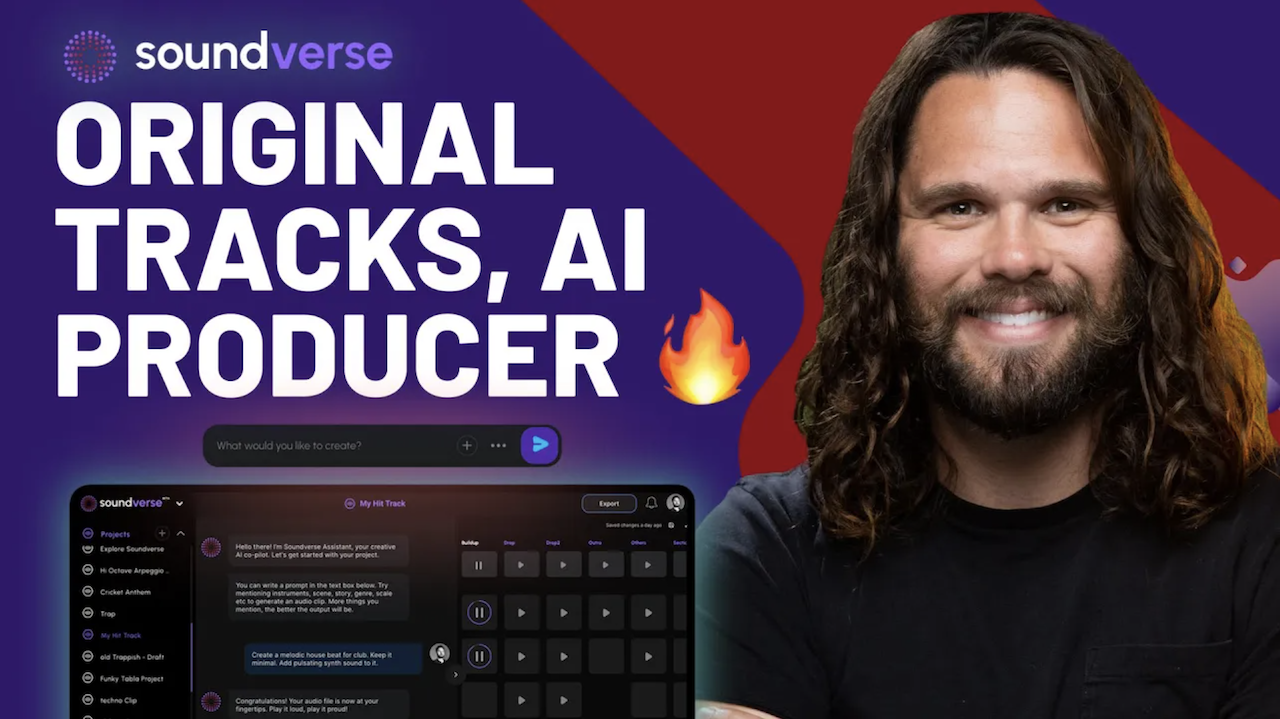
Here’s another long walkthrough of how to use Soundverse AI.
Text Guide
- To know more about AI Magic Tools, check here.
- To know more about Soundverse Assistant, check here.
- To know more about Arrangement Studio, check here.
Soundverse is an AI Assistant that allows content creators and music makers to create original content in a flash using Generative AI. With the help of Soundverse Assistant and AI Magic Tools, our users get an unfair advantage over other creators to create audio and music content quickly, easily and cheaply. Soundverse Assistant is your ultimate music companion. You simply speak to the assistant to get your stuff done. The more you speak to it, the more it starts understanding you and your goals. AI Magic Tools help convert your creative dreams into tangible music and audio. Use AI Magic Tools such as text to music, stem separation, or lyrics generation to realise your content dreams faster. Soundverse is here to take music production to the next level. We're not just a digital audio workstation (DAW) competing with Ableton or Logic, we're building a completely new paradigm of easy and conversational content creation.
TikTok: https://www.tiktok.com/@soundverse.ai
Twitter: https://twitter.com/soundverse_ai
Instagram: https://www.instagram.com/soundverse.ai
LinkedIn: https://www.linkedin.com/company/soundverseai
Youtube: https://www.youtube.com/@SoundverseAI
Facebook: https://www.facebook.com/profile.php?id=100095674445607
Join Soundverse for Free and make Viral AI Music
We are constantly building more product experiences. Keep checking our Blog to stay updated about them!