How to Sue for Unauthorized Voice Cloning in 2026: A Step-by-Step Legal Guide
Learn how to file an unauthorized voice cloning lawsuit in 2026 using Soundverse Trace for voice rights enforcement.
How to Sue for Unauthorized Voice Cloning
In 2026, the boundaries between human voices and synthetic audio have blurred beyond recognition. With the rise of AI voice generation and deepfake technologies, unauthorized voice cloning has become a pressing ethical and legal issue. Whether you are an artist, voice actor, content creator, or even a lawyer specializing in digital rights, understanding how to file an unauthorized voice cloning lawsuit is essential for protecting voice integrity and intellectual property voice rights.
Why is Unauthorized Voice Cloning a Legal Concern in 2026?
Voice cloning technology once served as a creative tool—used responsibly for narration, accessibility, and voice restoration. However, in recent years (2024–2025), we witnessed numerous incidents in which unauthorized copies of well-known voices were used for AI music, social media content, or misleading advertising without consent. By 2026, regulatory frameworks such as the AI Transparency Act and expanded voice rights statutes have started to define ownership and consent around digital voices.
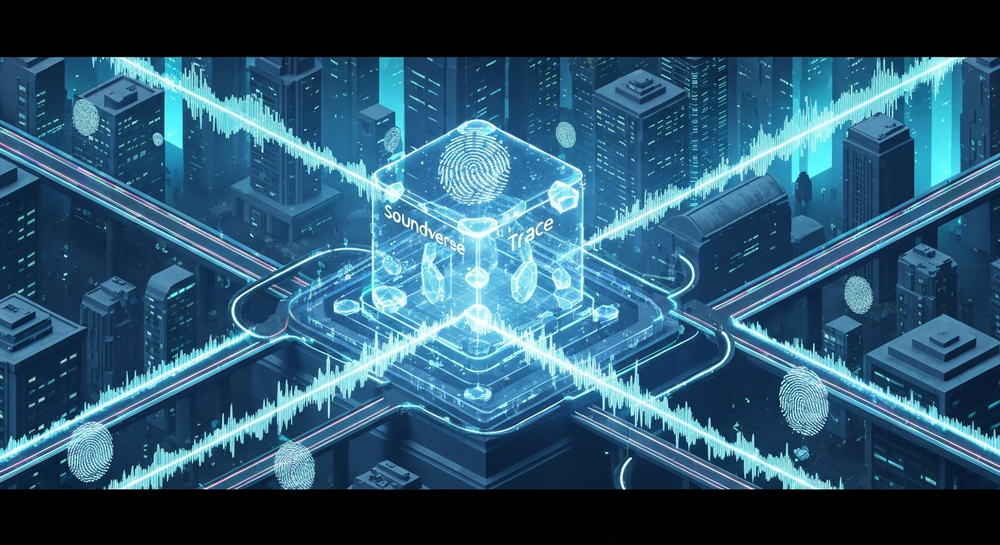
An unauthorized voice cloning lawsuit typically arises when someone uses your voice—or an AI-generated replication of it—without permission. This can include cloned audio used to mimic speech, celebrity endorsements, or musical performances generated from voice datasets. Courts, such as in the New York Court Tackles the Legality of AI Voice Cloning, have already considered related claims, illustrating how voice cloning now exists at the intersection of technology and identity law.
What Legal Grounds Support Voice Rights Enforcement?
The core of voice rights enforcement rests on two major protections:
- Right of Publicity: Your voice is part of your personality and brand. Using it for commercial purposes without consent violates publicity rights.
- Intellectual Property Voice Rights: If your recorded voice has been used as training data for AI without proper licensing, you may have grounds for an intellectual property claim.
Other relevant frameworks include privacy laws addressing deepfake voice privacy breaches, defamation, and misrepresentation. Voice cloning can harm reputation, financial interests, and artistic integrity. According to cases outlined by Juris Magazine’s coverage on consent and AI voice cloning and rulings such as Judge Lets State Law Claims Continue in AI Voice Case, courts are starting to define how state laws interact with synthetic media rights.
How to Make an Unauthorized Voice Cloning Lawsuit Effective with Soundverse Trace
Before you take legal action, proving the unauthorized use of your voice is critical. This is where Soundverse Trace becomes indispensable.
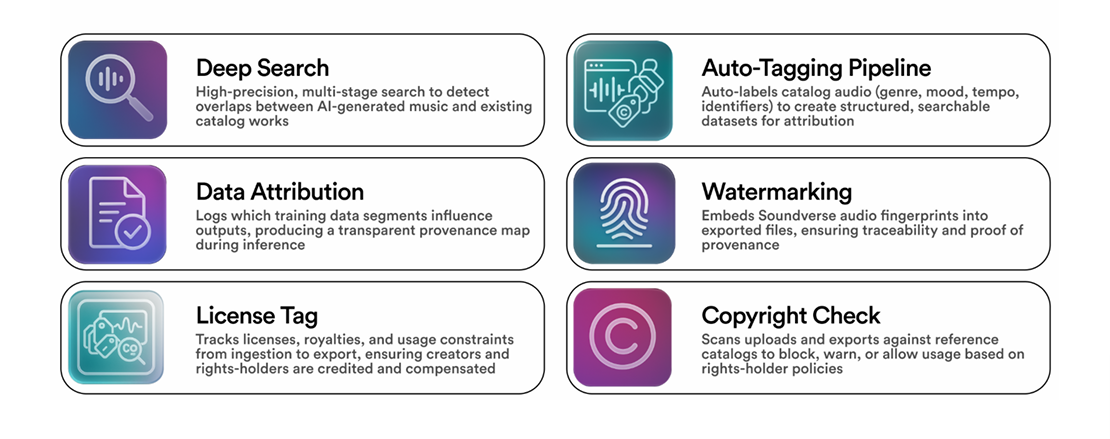
Soundverse Trace is a comprehensive trust layer for AI music and voice data that embeds attribution, deep search, and rights protection across the entire lifecycle—from dataset creation to final export. Its primary capabilities include:
- Deep Search: High-precision scanning (1:1 and 1:N) to detect similarities and overlaps between your voice and a cloned output.
- Data Attribution: Recording which training datasets influenced specific AI outputs.
- Audio Watermarking: Embedding robust, inaudible fingerprints inside your original recordings, making voice ownership traceable.
- License Tagging: Preserving metadata about rights ownership from ingestion to export.
By using Soundverse Trace, creators can easily verify provenance, automate takedown requests, and track catalog usage for royalties. This makes it far easier to present concrete evidence in an unauthorized voice cloning lawsuit.
Step 1: Identify Unauthorized Usage
The first step is discovering where your voice is being misused. Scan online platforms, social media audio clips, and streaming content for imitation or cloned copies. You can use tools powered by Soundverse Trace to conduct deep search operations across publicly available AI-generated audio databases.
If you find cloned versions of your voice on music platforms or promotional videos, document them with timestamps and URLs.
Step 2: Validate Voice Cloning Using Soundverse Trace
After finding suspicious material, upload your original voice samples to Soundverse Trace. The system runs a precision deep search (1:1 and 1:N) to compare your recordings with the alleged imitation. Its asynchronous workflow ensures high accuracy—upload or record first, then receive processed results.
If the report shows comparable patterns or fingerprints, you’ve established preliminary proof of cloning. These technical findings are invaluable for legal documentation and expert testimony. For more technical help, watch our Soundverse Tutorial Series - 9. How to Make Music and Soundverse Tutorial Series - 10. Make Deep House Music to explore the platform’s recognition features.
Step 3: Collect Legal Evidence
Gather all digital evidence before contacting legal counsel:
- Voice match reports from Soundverse Trace.
- Copies of the cloned audio files.
- Metadata showing ownership (date of recording, rights holder, license tags).
- Screenshots and social media links.
Ensure you maintain secure timestamps to establish chain-of-custody integrity, which will strengthen your case during litigation.
Step 4: Consult an Intellectual Property or Media Lawyer
Next, consult a lawyer specializing in AI voice legal action or intellectual property voice rights. Provide the traced data and documentation from Soundverse Trace. A legal expert can help draft cease-and-desist letters or initiate formal claims under voice rights enforcement laws. As cases from AI Voice Cloning Lawsuit Advances with Voice Actor Claims Upheld show, state-level protections often determine the strength of such claims.
If financial damage or reputational harm is evident, your lawyer may pursue compensation through civil court or arbitration.
Step 5: File the Unauthorized Voice Cloning Lawsuit
With evidence verified, your attorney can officially file an unauthorized voice cloning lawsuit. In many jurisdictions (as of 2026), cases of voice misuse fall under digital impersonation or AI data misuse categories. Filing includes:
- Identifying the offender (individual or company).
- Submitting verified forensic evidence of cloning.
- Presenting your licensing documentation and attribution traces.
- Requesting damages or takedowns.
Courts increasingly accept Soundverse Trace reports as part of technical validation for AI provenance because of their verifiable data logs and cryptographically stored attribution.
Step 6: Enforce Voice Rights and Seek Compensation
Once a judgment or resolution is reached, Soundverse Trace can automate takedown requests or generate payout tracking if royalties are owed. This transparent trust layer eliminates ambiguity around voice ownership in AI audio, establishing ongoing monitoring of your assets.
For professionals who license their voices commercially, this step ensures every AI model referencing their tone or dataset has validated consent and compensation.
Pro Tips for Voice Rights Enforcement in 2026
- Always Watermark Your Recordings: Use Soundverse Trace’s audio watermarking when publishing content to protect against dataset misuse.
- Stay Educated on Legislation: Laws surrounding deepfake voice privacy and AI intellectual property evolve rapidly—monitor updates through reputable AI music publications like Soundverse AI Magic Tools and Music Industry Trends.
- File Early: Quick action ensures stronger judicial outcomes and prevents cumulative unauthorized usage.
- Collaborate with Ethical AI Platforms: Tools such as the Ethical AI Music Framework and Soundverse DNA work together to maintain artist integrity, consent, and compensation.
What are the Broader Implications of Voice Cloning Lawsuits in 2026?
Voice cloning lawsuits are shaping the legal landscape of AI ethics. As digital identities merge with generative technology, sound provenance protocols are becoming mandatory across creative industries—from AI voice actors to text-to-music generators. Experts, including Holon Law’s analysis on synthetic media risks, emphasize that rights of publicity and consent frameworks are expanding globally.
Soundverse Trace catalyzes a transparent environment where artists can safely participate in innovation without sacrificing rights. Its integration within the Ethical AI Music Framework aligns technological advancement with lawful consent and accountability.
Protect Your Voice in the AI Era
Discover how Soundverse empowers creators and voice artists to safeguard their identity while leveraging ethical AI tools for music and content creation.
- Soundverse Introduces Stem Separation AI Magic Tool — Learn how Soundverse’s advanced AI stem separation can help isolate and manage vocal tracks securely and creatively.
- The Role of AI Music in Film and Television — Explore how AI-generated voices and music are transforming sound design across entertainment industries.
- AI Music Generator and Human Composers: A Future Together — Dive into how AI and human collaboration can balance creativity and ethical boundaries in audio innovation.
- Soundverse SAAR: AI Voice Assistant — Find out how Soundverse’s SAAR AI voice assistant redefines voice creation while maintaining user protection and authenticity.
Here's how to make AI Music with Soundverse
Video Guide
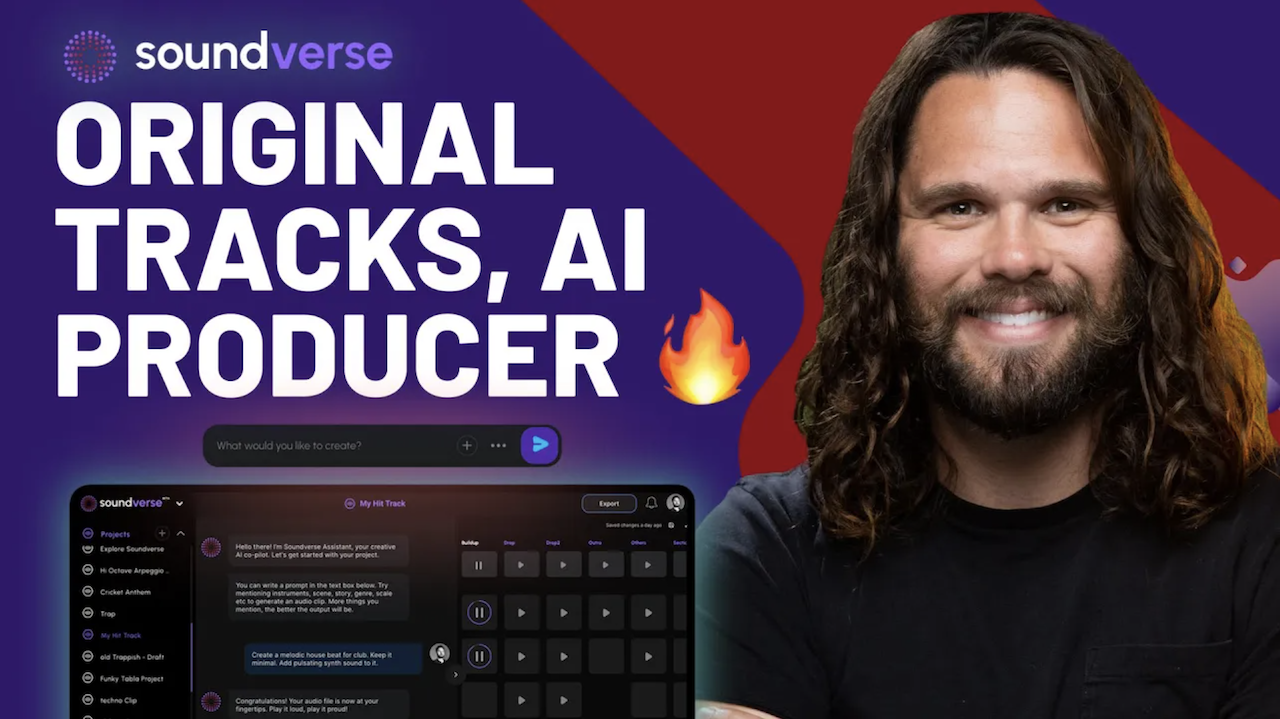
Here’s another long walkthrough of how to use Soundverse AI.
Text Guide
- To know more about AI Magic Tools, check here.
- To know more about Soundverse Assistant, check here.
- To know more about Arrangement Studio, check here.
Soundverse is an AI Assistant that allows content creators and music makers to create original content in a flash using Generative AI. With the help of Soundverse Assistant and AI Magic Tools, our users get an unfair advantage over other creators to create audio and music content quickly, easily and cheaply. Soundverse Assistant is your ultimate music companion. You simply speak to the assistant to get your stuff done. The more you speak to it, the more it starts understanding you and your goals. AI Magic Tools help convert your creative dreams into tangible music and audio. Use AI Magic Tools such as text to music, stem separation, or lyrics generation to realise your content dreams faster. Soundverse is here to take music production to the next level. We're not just a digital audio workstation (DAW) competing with Ableton or Logic, we're building a completely new paradigm of easy and conversational content creation.
TikTok: https://www.tiktok.com/@soundverse.ai
Twitter: https://twitter.com/soundverse_ai
Instagram: https://www.instagram.com/soundverse.ai
LinkedIn: https://www.linkedin.com/company/soundverseai
Youtube: https://www.youtube.com/@SoundverseAI
Facebook: https://www.facebook.com/profile.php?id=100095674445607
Join Soundverse for Free and make Viral AI Music

We are constantly building more product experiences. Keep checking our Blog to stay updated about them!