How to Produce Vocals: A Step-by-Step Guide for Crystal-Clear Sound
Learn how to produce vocals with clarity using modern vocal production techniques and Soundverse AI.
How to Produce Vocals: A Step-by-Step Guide for Crystal-Clear Sound
In the ever-evolving world of music creation, vocals remain the heart and soul of any track. As we approach mid-2026, advancements in AI music tools have revolutionized vocal production, making studio-quality voice recordings accessible even to home producers. Whether you’re an experienced audio engineer or an aspiring artist setting up your first home studio, understanding how to produce vocals properly is critical to achieving that professional, crystal-clear sound.
Vocal production involves a combination of recording, editing, mixing, and mastering. Let’s dive deep into modern vocal production techniques and explore how tools like Soundverse help simplify this process without compromising quality.
How to make vocals with Soundverse AI Singing Generator
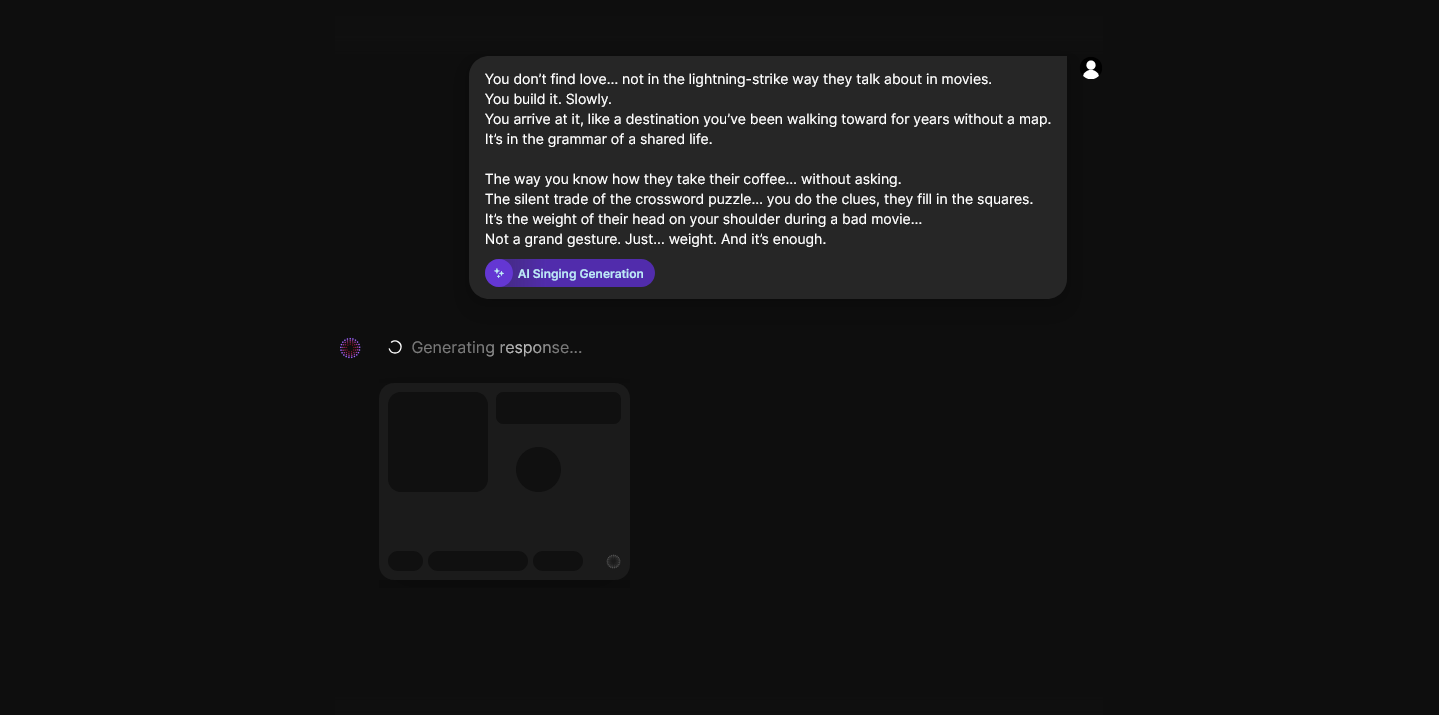
Before jumping into the step-by-step guide, it’s important to get familiar with Soundverse’s AI Singing Generator, one of the most powerful features dedicated to producing vocals.
Soundverse’s AI Singing Generator allows users to generate professional-quality acapella vocal performances directly from text or lyrics. The system supports a variety of singing styles, including Pop, Rock, Rap, Opera, and even ASMR. For producers, it’s an ideal solution to create vocal references, electronic vocal chops, or experimental textures such as whispering or 'Meow Meow' cat-style performances.
Unlike traditional recording setups that require booths and high-end microphones, Soundverse enables a streamlined workflow. You provide the lyrics or text, select your preferred vocal style, and the AI generates a clean, acapella vocal track ready for mixing. With reference audio support for style matching, it can emulate vocal tones or match the emotional delivery of existing recordings, offering creative flexibility across multiple genres.
Soundverse also integrates smoothly into your production environment. Generated acapella vocals can be further processed with mixing plugins or imported into DAWs for detailed vocal editing. Whether your goal is to experiment with new voices or enhance multilingual vocal tracks, Soundverse simplifies the entire vocal generation process.
Step 1: Access the AI Singing Generator
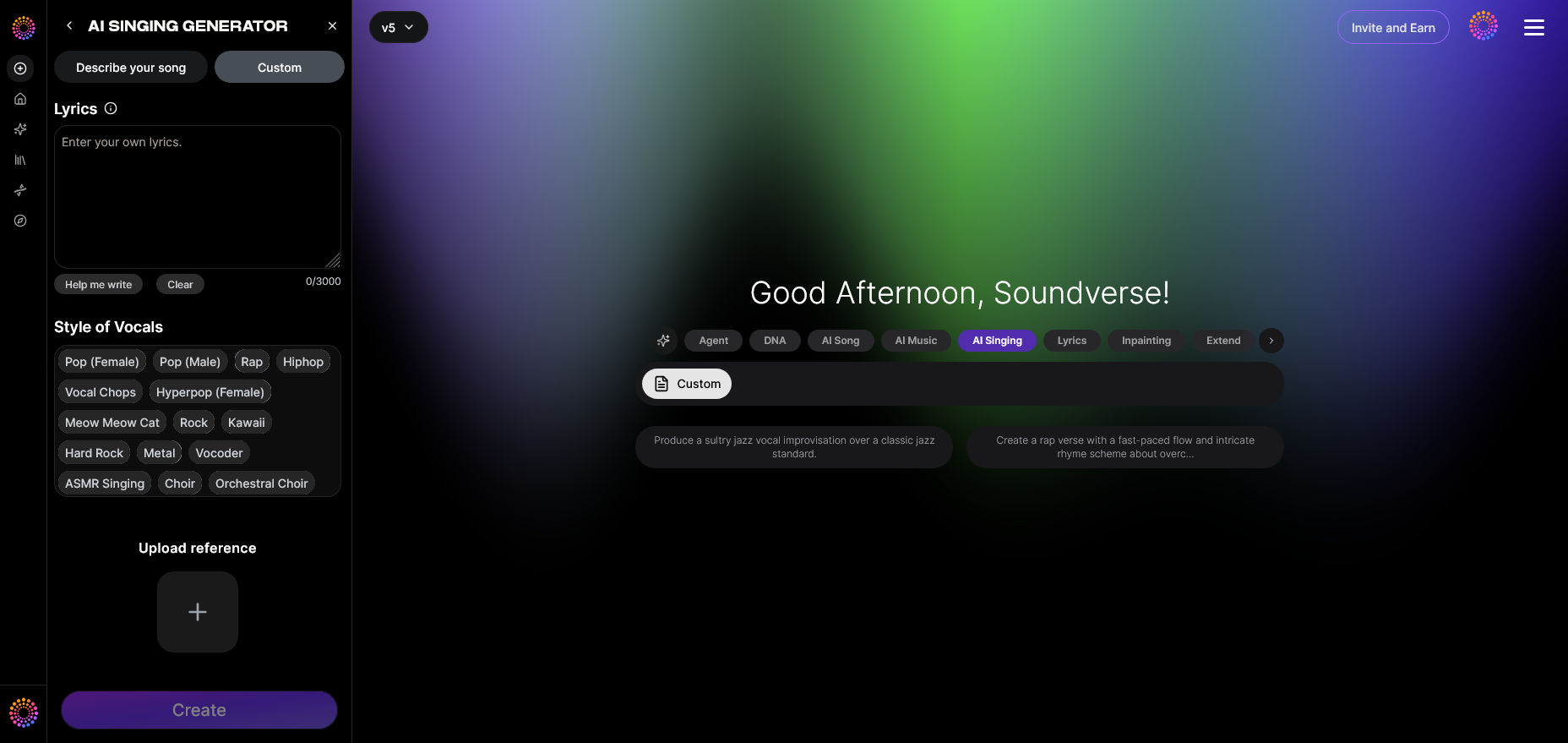
Head to the Soundverse dashboard and select the AI Singing Generator tool. You’ll find it listed among the platform’s suite of AI music tools, such as the AI Song Generator and Similar Singing Generator. Once selected, you’ll enter the main workspace designed for vocal creation. This interface is intuitive and fit for producers working in varying genres—from EDM to Jazz to Country.
Step 2: Enter Lyrics or Text
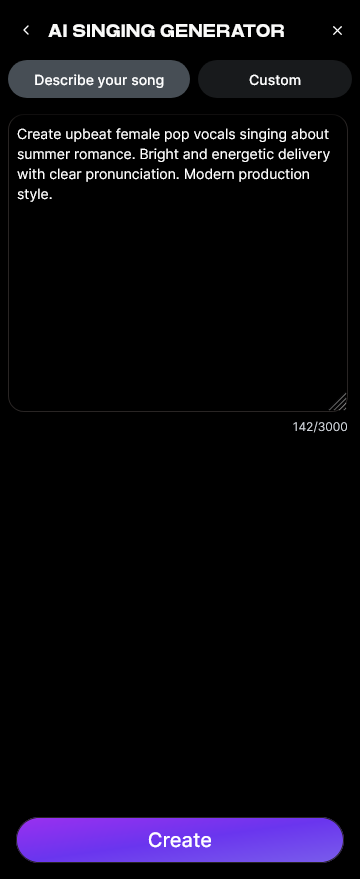
Input the lyrics or a text passage you want the AI to sing. You can write your own lyrics or import existing ones. The generator reads the text and prepares to convert it into musical phrasing. For example, if you're creating background vocals for cinematic music or crafting catchy hooks for your pop track, precise text input ensures proper lyrical delivery.
Consider referencing our tutorial on how to make good rap lyrics for guidance on writing lyrics that flow naturally when sung by AI. The rhythm and phrasing of your text will directly influence how the AI performs the song.
Step 3: Select Voice Style and Characteristics
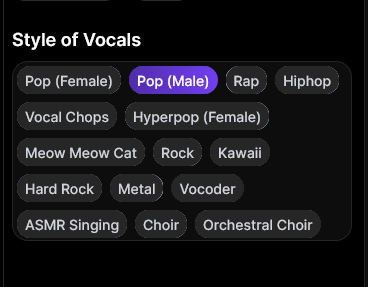
Next, pick your desired vocal tone and style. Soundverse offers multiple voice profiles ranging from energetic pop vocalists to soothing opera performers. The system supports different languages and emotional deliveries—ideal for producers seeking distinctive tone palettes.
Choosing the right style is particularly important in home studio vocal production. For instance, a warm vocal might suit acoustic recordings, while a sharp, energetic voice fits better in electronic dance tracks. Those working across diverse genres may also want to explore the How to Create EDM with Soundverse AI guide for balanced tone control suggestions.

Step 4: Generate Singing Vocals from Text
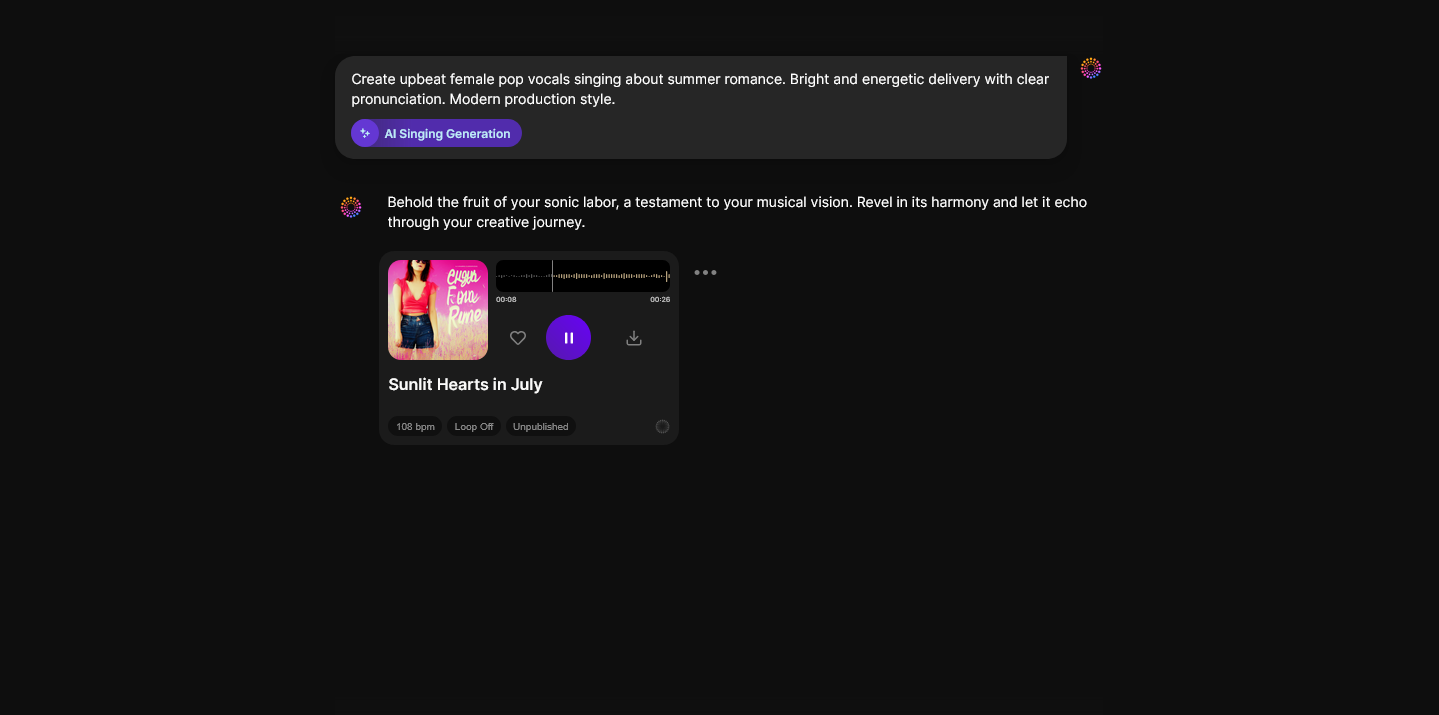
Once all settings are configured, click Generate. The AI Singing Generator processes the text asynchronously — meaning it analyzes the lyrics, applies vocal modeling, and produces a clean acapella vocal file. In 2026, this capability has become standard practice for remote producers who prefer flexibility without accessing live studio sessions. Within a few moments, you’ll receive a professionally mixed vocal performance, embodying natural intonation, rhythm, and pitch accuracy.
For creators who often layer vocals over existing instrumentals or samples, consider reviewing Soundverse’s AI Magic Tool for stem separation. It helps isolate vocals from any track, allowing users to mix the generated AI vocals smoothly with instrumental layers. For a deeper dive into studio workflow, you can watch our tutorial on making music.
Step 5: Download and Process the Generated Vocals

Finally, download your generated vocals in WAV or high-quality format. Producers can import these stems into a DAW such as Logic, FL Studio, or Ableton for detailed mixing and mastering. At this stage, you may apply EQ, compression, reverb, and other effects to refine tonal balance.
When mixing vocals, aim for clarity and consistency. Use dynamic range compression to keep vocal volume steady and apply a touch of high-frequency enhancement to make the recording shine. Proper vocal processing ensures your song sounds polished across all playback systems—from streaming to radio.
What are the best vocal production techniques to achieve clarity in 2026?
Vocal clarity comes from a combination of recording accuracy and careful processing. Modern producers follow detailed workflows for both real and AI-generated vocals. Some key vocal production techniques relevant in 2026 include:
- Room acoustics and microphone placement: Even when recording at home, use sound insulation panels to control reflections and ensure clean input. Correct mic positioning helps avoid distortion.
- Gain staging: Maintain consistent input levels to prevent clipping, ensuring headroom for post-processing.
- Equalization (EQ): Cut low-end frequencies below 80Hz and boost presence around 3–5kHz to emphasize voice clarity.
- De-essing: Reduces harsh 's' and 't' sounds that can make vocals fatiguing.
- Parallel compression: Enhances dynamic control, keeping the voice steady amid loud or soft passages.
- Reverb and delay: Add depth and space carefully—excessive effects can blur the vocal image.
These are standard across both traditional and AI workflows. Tools like Soundverse automatically generate clean vocal stems, removing the risk of poor microphone setup or background interference—perfect for artists working from home. For practice examples, check the Vocal Production Techniques for Singers course or the Complete Guide for Vocal Editing and Mixing.
How can you optimize AI vocals in your home studio?
Turning AI-generated vocals into radio-ready results requires smart mixing decisions. Here’s how to integrate Soundverse vocals effectively:
- Layer with harmonies: Generate multiple versions using different vocal tones to build rich harmonies.
- Align timing: Use your DAW’s quantization and time-alignment tools to sync vocals with instrumental layers.
- Automate effects: Adjust reverb or delay dynamically using automation for smoother transitions.
- Use vocal processing chains: Create standardized signal chains for fast workflow setups—EQ → Compression → Reverb → Limiter.
As producers continue blending human and AI elements, maintaining emotional authenticity in the performance remains vital. In tracks produced in 2026, vocal quality is judged not only by fidelity but also emotional depth. Watch our Deep House Music tutorial for practical examples of layering vocals dynamically.
Pro Tips for Perfect Vocal Production in 2026
- Keep reference tracks handy: Always compare your vocal mix to professionally produced songs. Soundverse’s Similar Singing Generator can even create new versions emulating reference voices.
- Master your monitoring environment: Good headphones or monitors ensure your final mix translates well across systems.
- Experiment with textures: Don’t hesitate to try unconventional vocal layers such as whisper tones, robotic harmonies, or stylized tonal shifts using the Soundverse AI Singing Generator.
- Use Voice Swap for creative diversity: The Soundverse Voice Swap tool can replace vocal identities while preserving performance nuances—ideal for projects requiring variety without losing expressivity.
Start Producing Studio-Quality Vocals Instantly
Unlock the power of Soundverse AI to generate, refine, and mix vocals with professional clarity—no studio required. Elevate your sound and streamline your production process today.
- Soundverse Introduces Stem Separation AI Magic Tool: Discover how Soundverse’s stem separation tool can help isolate and enhance vocals with AI precision.
- Soundverse Assistant: Your AI Music Co-Producer: Learn how Soundverse Assistant can support your music production process from vocals to full arrangement.
- How to Make AI-Generated Music: A complete walkthrough on producing high-quality tracks using the latest AI music generation technology.
- Soundverse AI Magic Tools: Create Content Quickly with AI: Explore how Soundverse’s suite of AI Magic Tools can speed up mixing, mastering, and vocal production.
Here's how to make AI Music with Soundverse
Video Guide
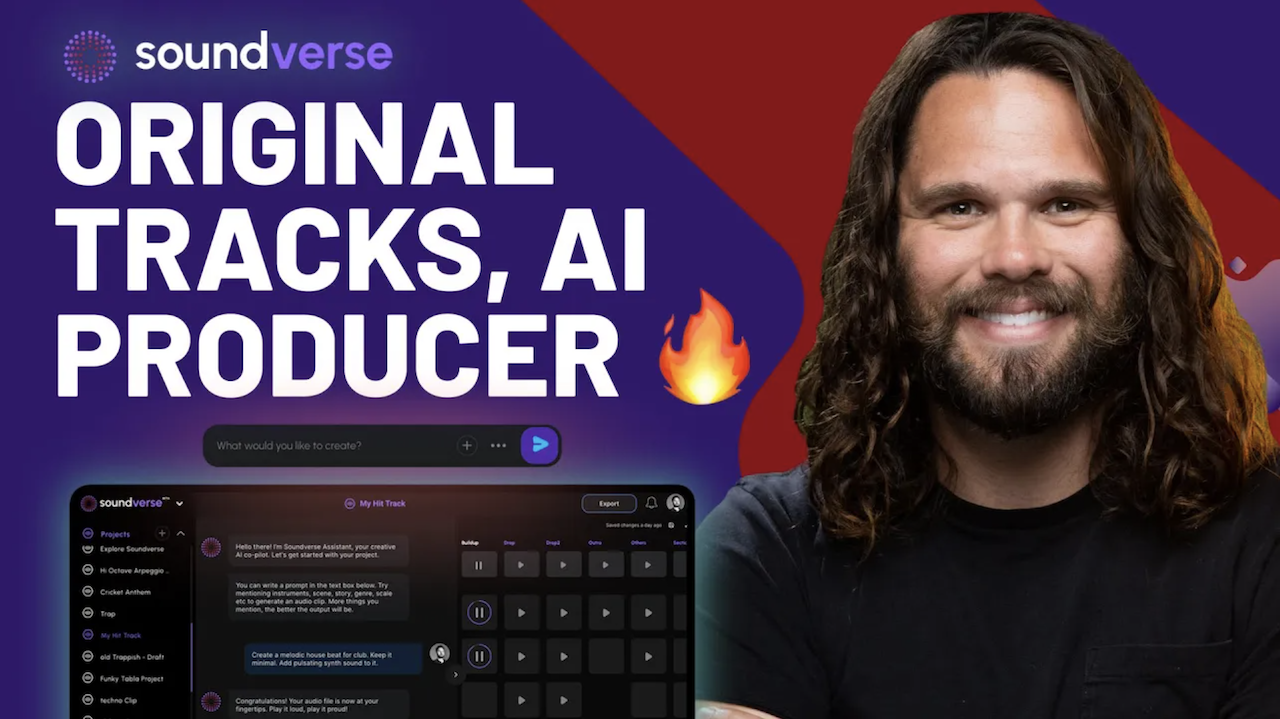
Here’s another long walkthrough of how to use Soundverse AI.
Text Guide
- To know more about AI Magic Tools, check here.
- To know more about Soundverse Assistant, check here.
- To know more about Arrangement Studio, check here.
Soundverse is an AI Assistant that allows content creators and music makers to create original content in a flash using Generative AI.
With the help of Soundverse Assistant and AI Magic Tools, our users get an unfair advantage over other creators to create audio and music content quickly, easily and cheaply.
Soundverse Assistant is your ultimate music companion. You simply speak to the assistant to get your stuff done. The more you speak to it, the more it starts understanding you and your goals.
AI Magic Tools help convert your creative dreams into tangible music and audio. Use AI Magic Tools such as text to music, stem separation, or lyrics generation to realise your content dreams faster.
Soundverse is here to take music production to the next level. We're not just a digital audio workstation (DAW) competing with Ableton or Logic, we're building a completely new paradigm of easy and conversational content creation.
TikTok: https://www.tiktok.com/@soundverse.ai Twitter: https://twitter.com/soundverse_ai Instagram: https://www.instagram.com/soundverse.ai LinkedIn: https://www.linkedin.com/company/soundverseai Youtube: https://www.youtube.com/@SoundverseAI Facebook: https://www.facebook.com/profile.php?id=100095674445607
Join Soundverse for Free and make Viral AI Music

We are constantly building more product experiences. Keep checking our Blog to stay updated about them!