How to Make Sad Songs: A Complete Guide for Emotional Songwriting in 2026
Learn how to make sad songs with emotional depth and melancholic beauty using proven songwriting and AI techniques.
How to Make Sad Songs
Sad songs have a timeless power to connect listeners through shared emotion. From heartbroken ballads to cinematic melancholic compositions, creating an emotionally moving piece requires intention, skill, and understanding of human feeling. In 2026, the landscape for creating sad songs has evolved dramatically, blending traditional songwriting artistry with AI-driven music tools like the Soundverse AI Song Generator.
What makes a song truly sad in 2026?
The essence of a sad song lies in its emotional honesty. Whether it expresses loss, nostalgia, or loneliness, the listener feels genuine empathy when the sound and story align organically. In recent years, the musical trends show a deeper exploration into minimalist arrangements and intimate vocal styles—an evolution visible across genres from indie pop to cinematic soundtracks.

Some key components that make songs feel sad are:
- Minor chords and progressions – Harmonic structures in minor keys evoke somber emotions.
- Slow tempos – Ballads with slower rhythms create space for reflection.
- Sparse instrumentation – Fewer elements leave room for emotional focus.
- Deep lyrical themes – Loss, heartbreak, isolation, or self-discovery.
- Soft vocal performances – Breathy or gentle tones increase emotional closeness.
How do you start sad song composition?
To begin composing a sad song, focus first on your emotional intent rather than the technical aspects. The foundation comes from identifying the feelings you want to convey.

Emotional Songwriting Techniques
- Center around a moment of vulnerability. Describe a memory or emotional event that triggers genuine sadness.
- Use sensory details. Instead of saying “I’m sad,” describe rainy windows, fading photos, or cold rooms—images that build emotion through associations.
- Balance simplicity and depth. Sad songs often thrive in minimalism. A few carefully chosen lines are more powerful than complex storytelling.
- Explore melodic melancholy. Experiment with descending melodic lines or unresolved chord progressions to build tension.
How can production enhance melancholy music?
Music production for emotional songs should focus on atmosphere. The production choice defines the emotional impact as much as the melody itself.
Key production approaches include:
- Reverb and space design: A large, echoing sound can simulate emptiness or introspection.
- Soft dynamics: Avoid loud mixes. Subtle intensity reflects fragility.
- Acoustic textures: Instruments like piano, cello, or nylon guitar exude natural sincerity.
- Low-end restraint: Too much bass can make the track feel aggressive rather than emotional.
Creating melancholy music in 2026 also often involves hybrid digital setups. For artists exploring AI music creation, platforms like Soundverse enable natural-sounding emotional dynamics even in synthetic arrangements. You can read more about current AI music trends in this analysis of the music industry. For a deeper dive, watch our guide on creating music or explore the Explore Tab walkthrough from our Soundverse Tutorial Series.
How to write lyrics for sad songs?
Writing lyrics for sad songs demands honesty and empathy. The goal isn’t to make someone cry—it’s to make them feel seen.
Follow these lyric writing guidelines:
- Establish emotional context early. Begin with imagery or a line that defines the emotional space.
- Keep repetition intentional. Choruses work best when emotionally resonant phrases repeat to anchor the message.
- Contrast verses and chorus. The verses tell the story. The chorus releases emotion.
- Avoid excessive abstraction. Sadness resonates more when listeners can relate through familiar situations.
For lyric generation and creative inspiration, Soundverse offers an integrated AI Lyrics Writer that can instantly structure your ideas around tone and genre. Learn how to create strong, memorable verses in this songwriting tips article.
Step-by-Step Guide: How to make sad songs
Now let’s structure the creative process practically so aspiring producers and writers can move from idea to finished song.
Step 1: Feature Overview
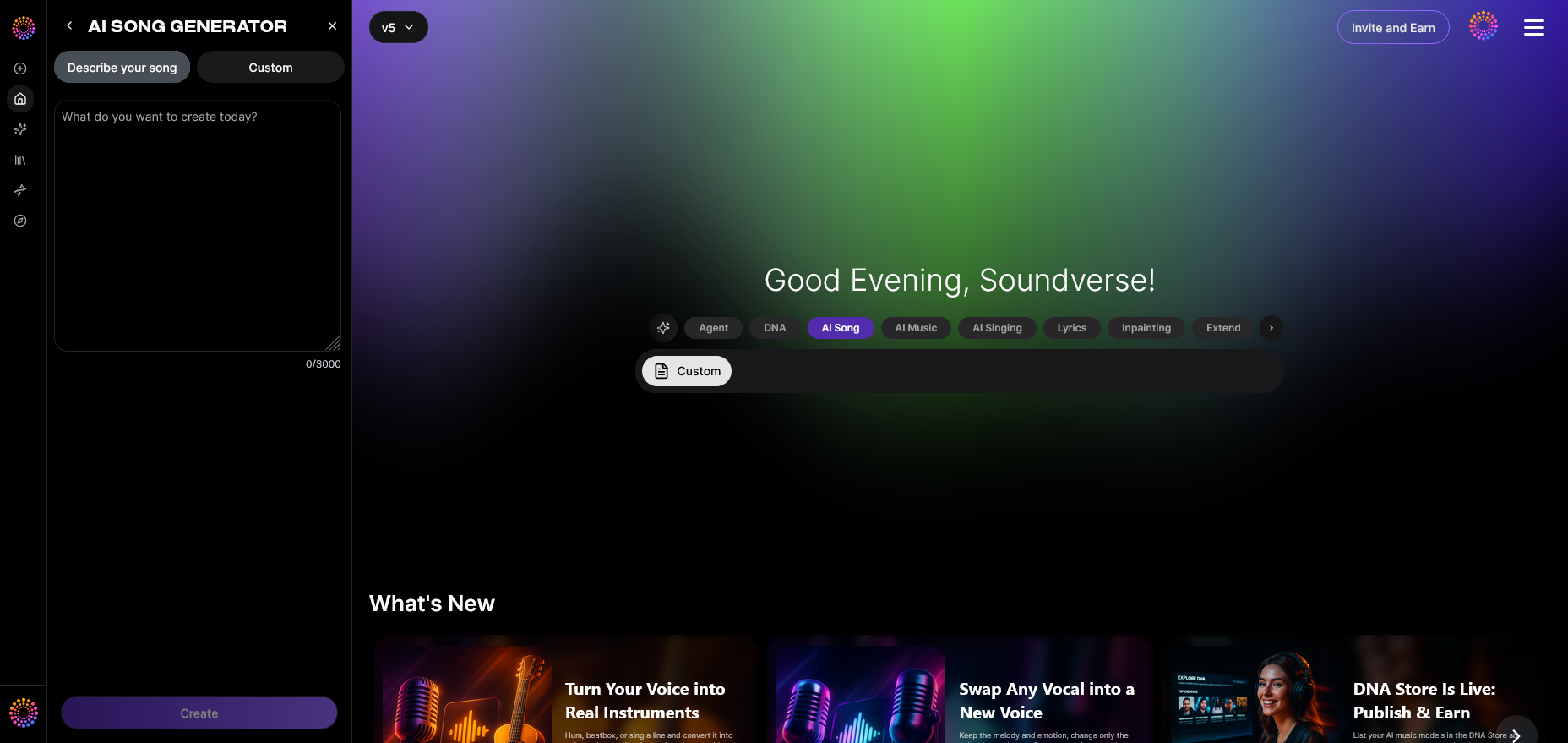
Access the AI Song Generator from Soundverse’s main menu. This tool is designed to convert text or lyrics into complete songs with AI-arranged vocals and instrumentation.
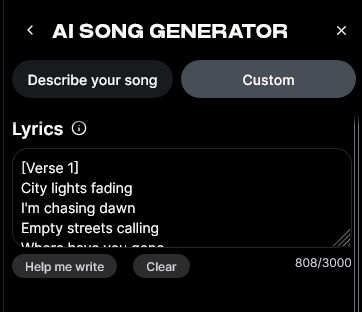
Step 2: Lyrics Input
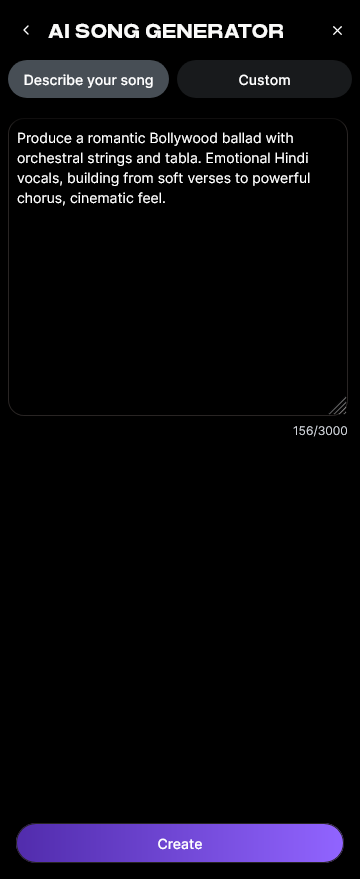
Enter or paste your written lyrics—or write new ones directly inside the interface. You can describe your song prompt (“a slow piano ballad about lost love”) in the Describe Your Song mode.
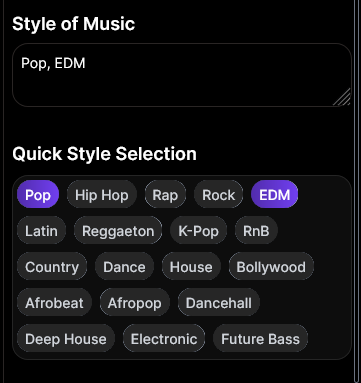
Step 3: Style Selection
Choose a music style that complements sadness. Common selections include Indie Pop, Acoustic Ballad, or Ambient Soul. You can also use Reference Audio support—upload a melancholic sample or demo for inspiration.
Step 4: Configuration
Set generation parameters like tempo and mood. For sad songs, a slower bpm (between 60–90) and soft vocal intensity usually yield the most emotional result.
Step 5: Generation
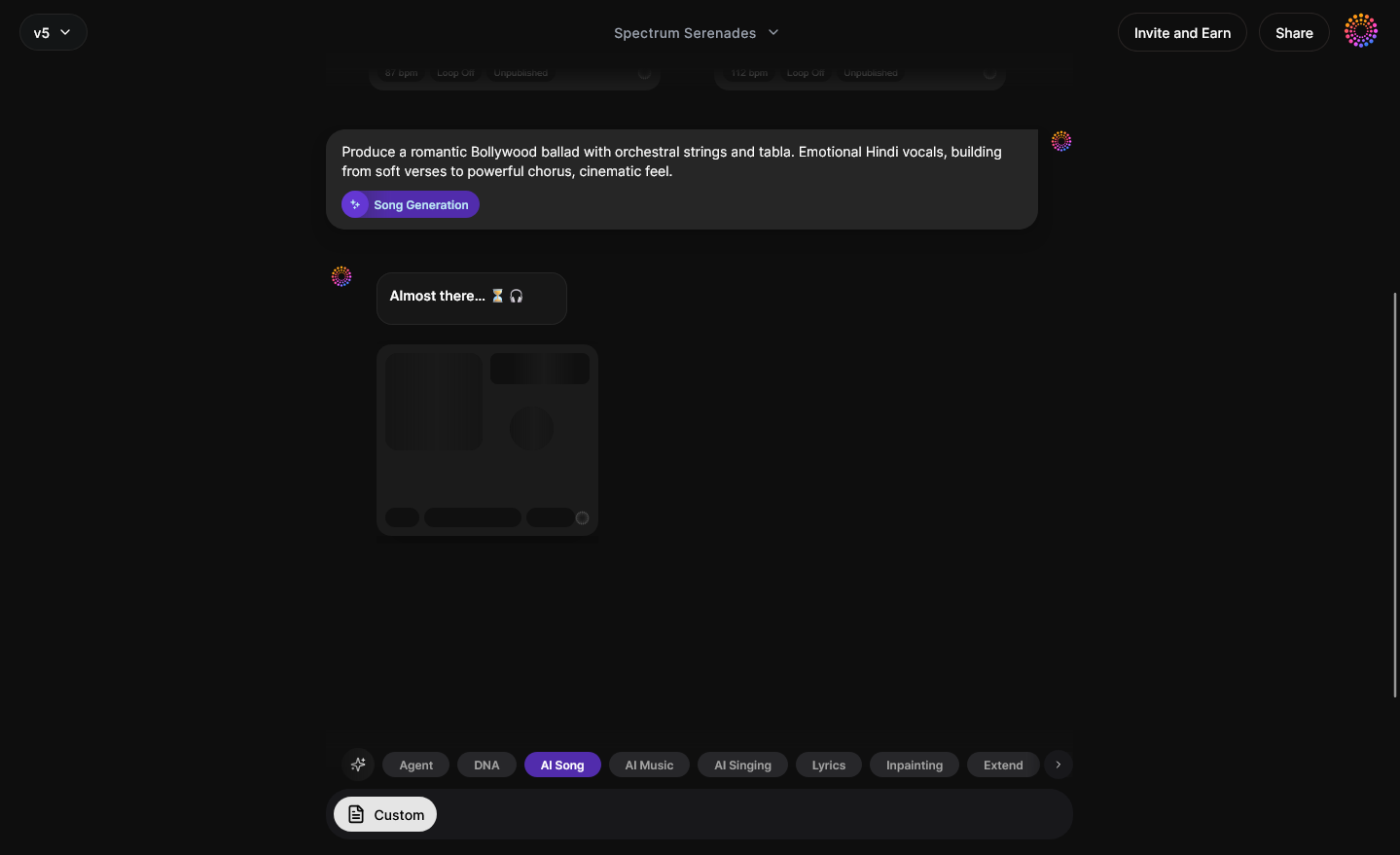
The AI processes melody, arrangement, and mixing to produce a full composition. Each stage ensures harmony between lyrics and emotional tonality, as explained in AI Song Generator: Turn Lyrics into Full Songs in 2026.
Step 6: Generation Complete
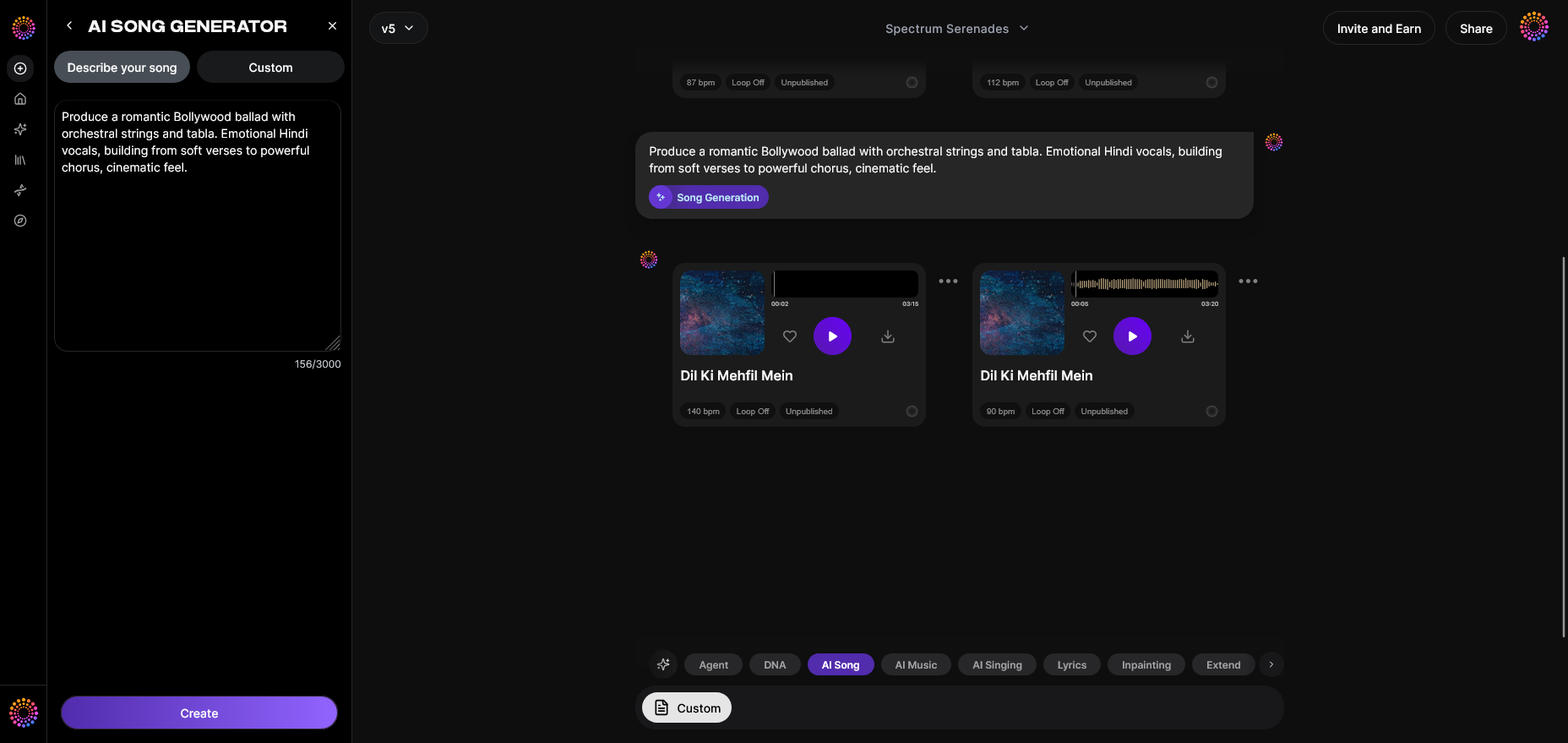
When the process finishes, review and listen to your generated track. Adjust lyric phrasing or atmosphere if needed, and refine before download.
Step 7: Export Results
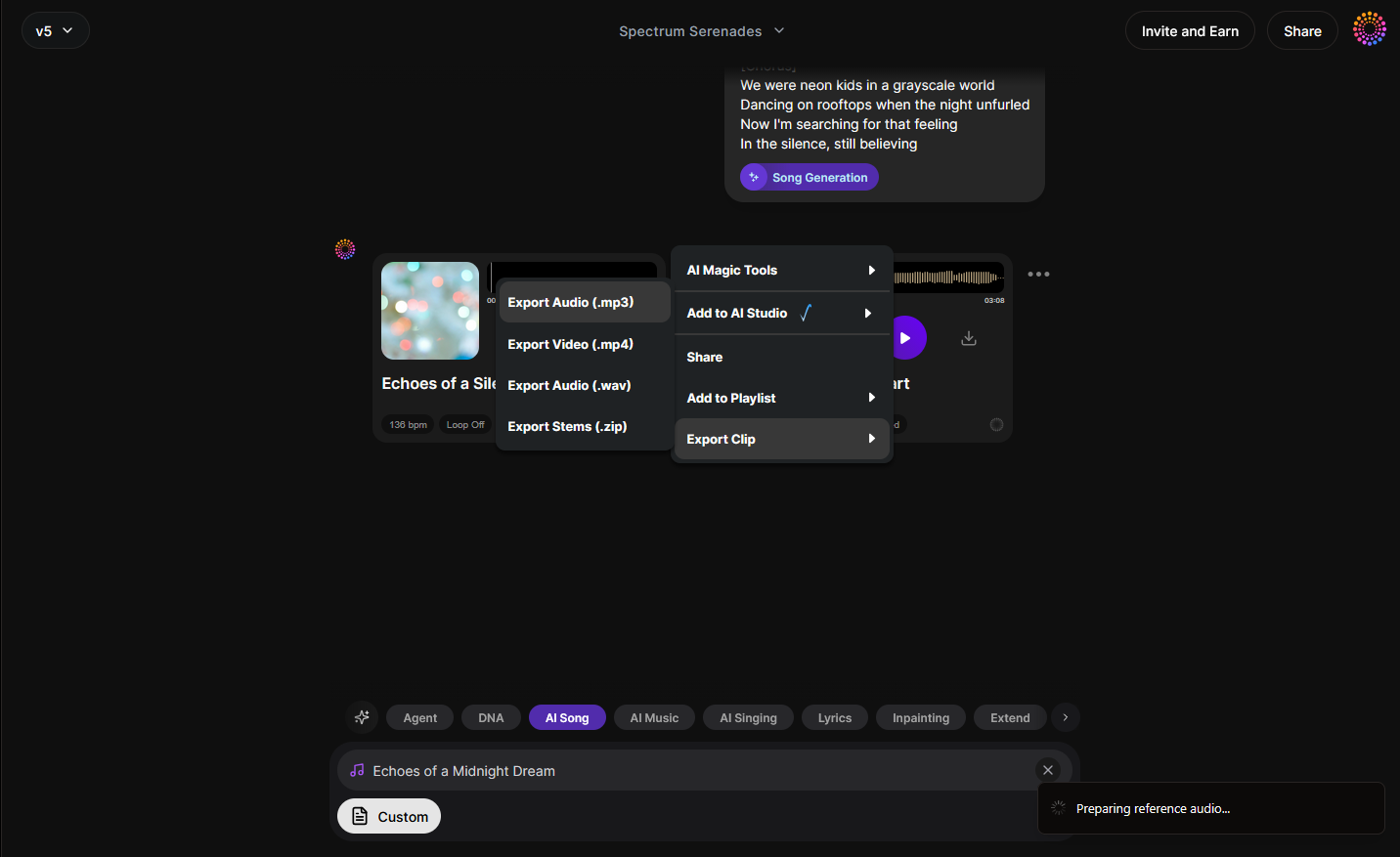
Finally, download your completed sad song in multiple formats suitable for streaming, sharing, or video soundtrack use.
How to make sad songs with Soundverse AI Song Generator
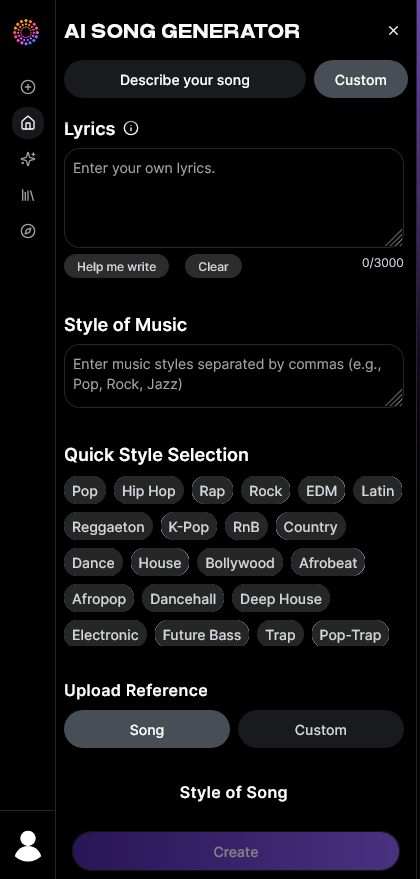
Now that you understand how to build emotional compositions, Soundverse can help you create them effortlessly. The AI Song Generator transforms any lyric or written description into a finished song with human-quality vocals and instrumental backing. It runs through a multi-stage production pipeline—handling lyrics, melody, arrangement, and mixing. With modes like Custom settings, Describe Your Song, and Reference Audio, users can tailor the mood precisely.
For those experimenting with emotional sound design, Soundverse also supports instant Quick Style Selection (Pop, EDM, Rock, and more) and multilingual song generation in over ten languages—ideal for creative artists worldwide.
If you wish to explore more Soundverse innovations, check:
- Soundverse AI Magic Tools for creators
- Soundverse Stem Separation feature
- AI music creation for specific genres like Jazz
Why emotional songwriting still matters in 2026
Despite AI’s growing role, the emotional truth in music continues to depend on human experience. Sad songs remind audiences of connection and reflection, serving as emotional anchors in an increasingly digital era. The best creations occur when humans use technology like Soundverse not as a replacement but as a co-producer—bridging sentiment with innovation.
Create Emotionally Powerful Music with Soundverse AI
Transform your raw feelings into beautifully composed sad songs using Soundverse’s intelligent text-to-music technology. Start writing heartfelt melodies in minutes and bring your emotions to life effortlessly.
Start Creating with Soundverse
- How to Create Jazz Music with Soundverse AI — Discover how to craft soulful jazz compositions using Soundverse’s intuitive AI tools.
- How to Create Healing Meditation Music with Soundverse AI — Learn to compose calming and emotionally resonant meditation tracks powered by AI.
- Generate AI Music with Soundverse Text-to-Music — Understand how Soundverse’s text-to-music system translates emotion-packed lyrics into full songs.
- How an AI Music Generator Inspires Creative Fusion — Explore how AI tools merge genres and emotions to inspire new forms of creative expression.
Here's how to make AI Music with Soundverse
Video Guide

Here’s another long walkthrough of how to use Soundverse AI.
Text Guide
- To know more about AI Magic Tools, check here.
- To know more about Soundverse Assistant, check here.
- To know more about Arrangement Studio, check here.
Soundverse is an AI Assistant that allows content creators and music makers to create original content in a flash using Generative AI.
With the help of Soundverse Assistant and AI Magic Tools, our users get an unfair advantage over other creators to create audio and music content quickly, easily and cheaply.
Soundverse Assistant is your ultimate music companion. You simply speak to the assistant to get your stuff done. The more you speak to it, the more it starts understanding you and your goals.
AI Magic Tools help convert your creative dreams into tangible music and audio. Use AI Magic Tools such as text to music, stem separation, or lyrics generation to realise your content dreams faster.
Soundverse is here to take music production to the next level. We're not just a digital audio workstation (DAW) competing with Ableton or Logic, we're building a completely new paradigm of easy and conversational content creation.
TikTok: https://www.tiktok.com/@soundverse.ai
Twitter: https://twitter.com/soundverse_ai
Instagram: https://www.instagram.com/soundverse.ai
LinkedIn: https://www.linkedin.com/company/soundverseai
Youtube: https://www.youtube.com/@SoundverseAI
Facebook: https://www.facebook.com/profile.php?id=100095674445607
Join Soundverse for Free and make Viral AI Music

We are constantly building more product experiences. Keep checking our Blog to stay updated about them!