How to Make Sad Music: A Guide to Creating Emotionally Powerful Songs
Learn how to make sad music that deeply connects with listeners using emotion, melody, and modern production techniques.
How to Make Sad Music: A Guide to Creating Emotionally Powerful Songs
Sad music has an extraordinary ability to touch hearts, calm minds, and translate complex emotions into sounds. Whether it’s a heartbreaking piano ballad, a moody lo-fi beat, or a cinematic orchestral piece, all forms of sad music share one goal—to express melancholy and connect emotionally. In 2026, the art of emotional songwriting is thriving, thanks to better production tools and AI-powered platforms like Soundverse that make composing expressive songs more accessible for everyone.
What makes sad music emotionally powerful?
Sad music resonates because it mirrors real human experiences—loss, longing, nostalgia, or introspection. From soulful chord progressions to slow tempos, each musical choice amplifies emotion. The most impactful sad songs use:
- Minor Keys and Modal Variations: Minor scales inherently evoke sadness, while modes like Dorian or Aeolian add rich tonal color.
- Sparse Arrangements: Minimalism intensifies vulnerability. A single piano or acoustic guitar can feel more intimate than a full band.
- Soft Dynamics and Subtle Rhythms: Gentle nuances in tone and timing allow listeners to feel each note.
- Emotive Melodies: Melancholy melodies often rise and fall in ways that mimic speech patterns when people sigh or cry.
Sad music often uses extended harmony and emotional dissonance—deliberate tension that resolves slowly, creating catharsis. Producers often layer organic instruments (strings, pads, textured noise) to simulate human fragility. This makes melancholy music timeless.
How can you begin emotional songwriting in 2026?
To create emotionally rich sad songs, start with the feeling you want to convey rather than technical elements. Emotional songwriting begins with intent:
- Choose a Theme: Select a relatable emotional core—grief, heartbreak, loneliness, or reflection.
- Pair Words and Sounds Early: Work your lyrical ideas alongside chord progressions. This ensures synergy between narrative and musical tone.
- Use Sensory Descriptions: Instead of saying “I’m sad,” describe imagery—rain on windows, fading lights, or quiet rooms. These evoke emotion more vividly.
- Stay Honest: Audiences connect most deeply with authentic emotion, even when expressed through metaphor.
For inspiration, explore guides like How to Create Country Music with Soundverse AI or How to Make Good Rap Lyrics, where emotional truth drives genre-specific expression.
What production techniques help you craft melancholy melodies?
Musical sadness doesn’t depend solely on lyrics; instrumental mood is equally crucial. Here are some proven techniques for 2026 producers:
- Choose the Right Tempo: Most sad songs fall between 60–90 BPM. Slower tempos mirror calm breathing and contemplation.
- Focus on Harmonic Tension: Use suspended chords or passing tones to build sorrowful transitions.
- Layer Ambient Textures: Pads, field recordings, and drones contribute emotional weight.
- Favor Warm and Dark Sound Design: Roll off high frequencies and emphasize low mids for fullness and intimacy.
- Mix with Space: Reverb and delay create a sense of isolation. Long tails on instruments make the listener feel immersed in emptiness.
A producer skilled in expressive sound design can blend these techniques seamlessly. Tools like Soundverse simplify creating mood-based instrumentals without needing a physical studio, which fits perfectly for modern workflow.
You can also learn more about AI-driven trends from How AI-Generated Music is Transforming the Music Industry. This context helps you blend classical and technological inspiration. For a deeper dive, watch our Soundverse Tutorial Series - 9. How to Make Music.
How do lyrics and instrumentation work together in sad song composition?
The best sad music balances lyrical meaning with sonic emotion. Lyrics may communicate grief; instruments embody it. For effective composition:
- Contrast hope and emotion: Pair hopeful verses with descending melodies to show struggle or loss.
- Dynamics tell the story: Crescendos signal emotional climax; silence reveals vulnerability.
- Color tones with articulation: Soft string bowing or finger-picked guitar adds texture and personality.
In modern music production, collaboration between lyric writing tools and instrumental generators allows creators to focus more on emotion than technical barriers. The integration of Soundverse’s AI Lyrics Writer exemplifies this by instantly generating lyrical drafts aligned with your desired tone.
What role does expressive sound design play in evoking emotion?
Expressive sound design determines how listeners experience sadness sonically. In 2026, producers manipulate timbre and ambience extensively using plugins and AI tools. Effective emotional sound design includes:
- Noise beds for realism: Low-level noise makes recordings feel human and imperfect.
- Panning movement: Slow shifts across stereo space mimic fading memories.
- Instrument morphing: Combine traditional orchestral sounds with contemporary pads for cinematic melancholy.
It’s crucial to remember that good sad music isn’t only sorrow—it’s nuance. Melancholy can contain beauty, nostalgia, and healing. Listeners often find comfort in songs that recognize their emotions.
How to make sad music with Soundverse AI Music Generator
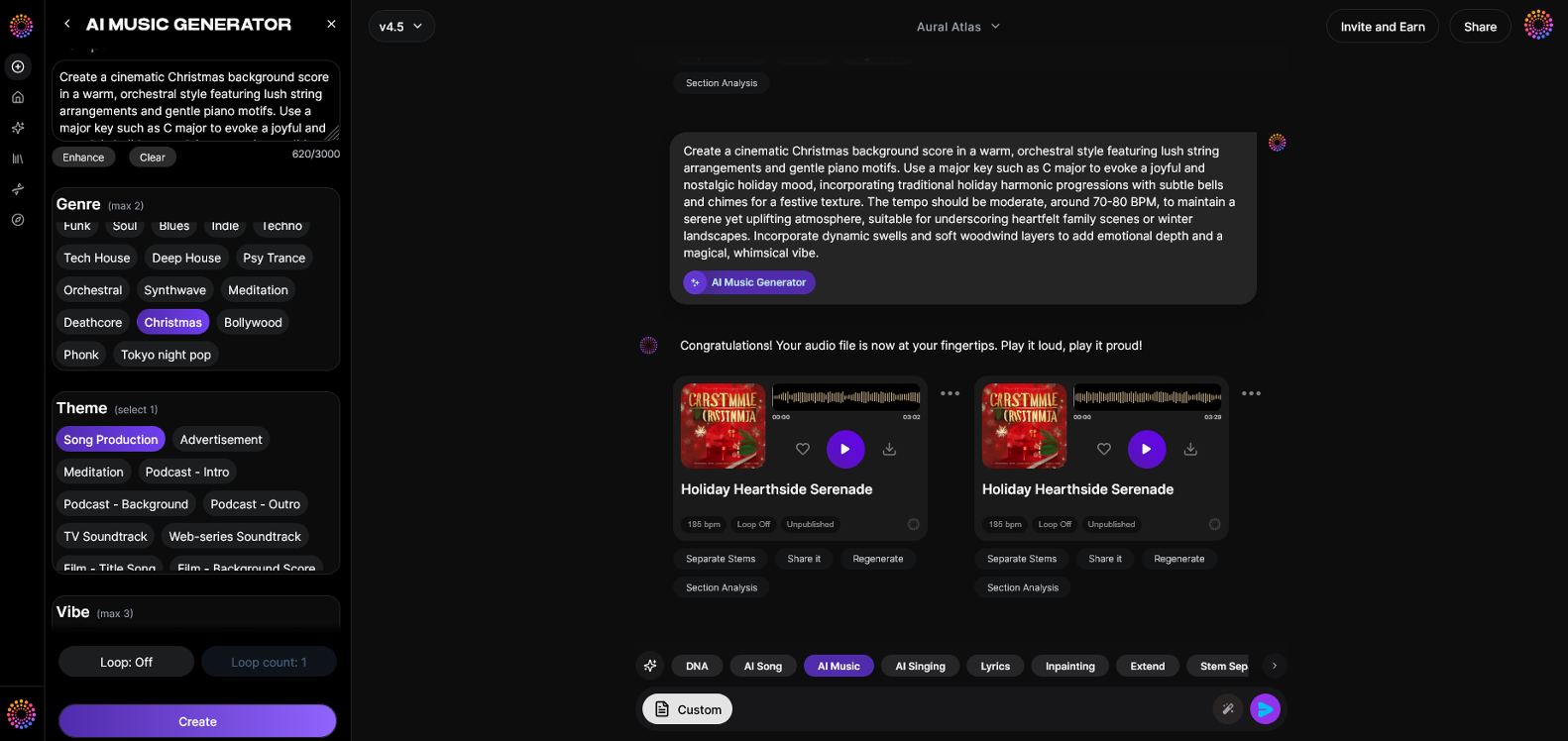
Now that you understand how to make sad music conceptually, here’s how to create it instantly using Soundverse.
Step 1: Feature Overview
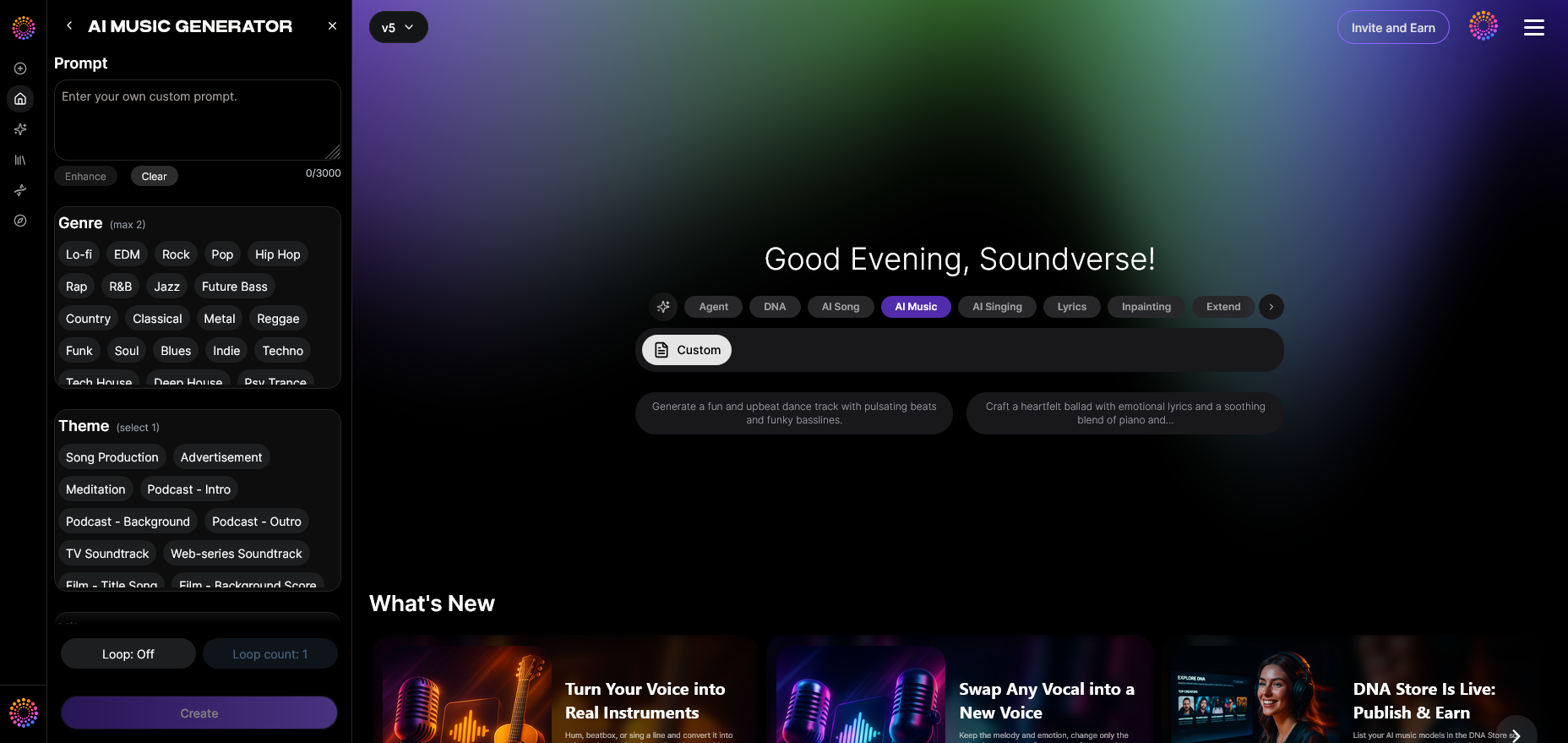
Access the AI Music Generator from the Soundverse main menu. This tool allows you to create fully produced instrumental tracks directly from text prompts.
Step 2: Description Input
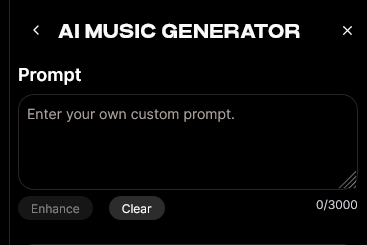
Enter a detailed text description of the mood and tone you want—such as “a slow, piano-driven song with ambient strings and emotional atmosphere.” Be as specific as possible to capture the desired feeling.
Step 3: Style & Duration
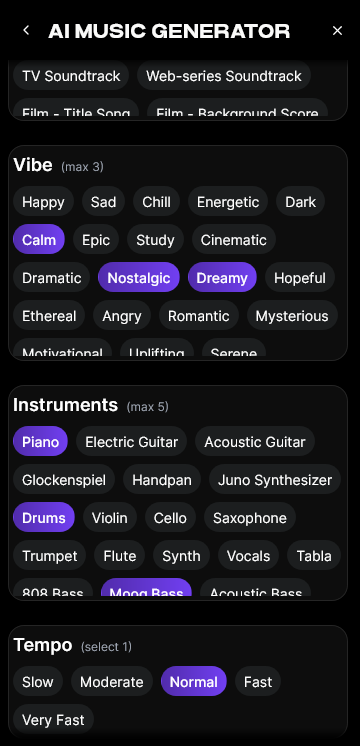
Select the music style (e.g., cinematic, lo-fi, acoustic) and define track duration. For sad music, shorter loops can work well for background use, while longer compositions suit storytelling or visuals.
Step 4: Generation
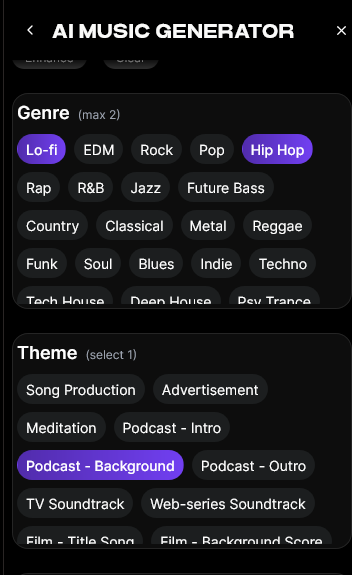
Click Generate to create an instrumental composition based on your description. The system interprets your emotional cues and produces music without vocals. You can choose between V4 and V5 models for different levels of detail.
Step 5: Export Options

After generation, download your instrumental in the desired format. Loop Mode enables seamless repetition for meditation or background soundtracks.
By combining these steps, musicians can design their own melancholy masterpieces, whether for video, film, or personal albums.
Soundverse also connects seamlessly with related tools like Similar Music Generator (to match references) and Similar Singing Generator (for consistent vocal aesthetics). See guides such as Generate AI Music with Soundverse Text-to-Music and Soundverse Assistant: Your AI Music Co-Producer to automate workflow further. You can also explore The Technology Behind Generative Music - Soundverse AI for insights into how these tools power emotional creativity.
Why musicians are embracing AI tools for emotional production in 2026
The modern composer uses AI not to replace emotion but to extend creative reach. Tools like Soundverse turn simple emotional intent into immersive sonic reality. With growing demand for introspective content in film, wellness, and gaming, sad music has become central to storytelling.
From cinematic trailers to meditative playlists, AI-generated melancholy helps evoke empathy, reflection, and peace. The line between technology and artistry continues to blur—but in 2026, emotion remains our strongest instrument.
In summary: learning how to make sad music involves understanding emotion, crafting melodies that speak truth, and mastering expressive sound design. With platforms like Soundverse, every musician—novice or experienced—can transform heartfelt ideas into deeply moving, fully produced compositions right from a text prompt.
Start Creating Emotionally Powerful Music Today
Transform your creative ideas into moving, immersive compositions with Soundverse AI. Generate, edit, and refine your sad or emotional tracks effortlessly with cutting-edge AI tools designed for musicians and storytellers.
Create Music with Soundverse AI
Related Articles
- How to Create Healing Meditation Music with Soundverse AI: Discover how AI can help you compose soothing and emotionally resonant meditation tracks that calm and inspire.
- How to Create Jazz Music with Soundverse AI: Learn the techniques and prompts to craft soulful jazz tunes infused with emotion using Soundverse AI.
- Generate AI Music with Soundverse Text-to-Music: Explore how Soundverse’s text-to-music technology lets you turn words and mood descriptions into full musical creations.
- How to Make AI-Generated Music: Get started with AI-based music creation and see how emerging technologies are transforming emotional sound design.
Here's how to make AI Music with Soundverse
Video Guide

Here’s another long walkthrough of how to use Soundverse AI.
Text Guide
- To know more about AI Magic Tools, check here.
- To know more about Soundverse Assistant, check here.
- To know more about Arrangement Studio, check here.
Soundverse is an AI Assistant that allows content creators and music makers to create original content in a flash using Generative AI.
With the help of Soundverse Assistant and AI Magic Tools, our users get an unfair advantage over other creators to create audio and music content quickly, easily and cheaply.
Soundverse Assistant is your ultimate music companion. You simply speak to the assistant to get your stuff done. The more you speak to it, the more it starts understanding you and your goals.
AI Magic Tools help convert your creative dreams into tangible music and audio. Use AI Magic Tools such as text to music, stem separation, or lyrics generation to realise your content dreams faster.
Soundverse is here to take music production to the next level. We're not just a digital audio workstation (DAW) competing with Ableton or Logic, we're building a completely new paradigm of easy and conversational content creation.
TikTok: https://www.tiktok.com/@soundverse.ai
Twitter: https://twitter.com/soundverse_ai
Instagram: https://www.instagram.com/soundverse.ai
LinkedIn: https://www.linkedin.com/company/soundverseai
Youtube: https://www.youtube.com/@SoundverseAI
Facebook: https://www.facebook.com/profile.php?id=100095674445607
Join Soundverse for Free and make Viral AI Music

We are constantly building more product experiences. Keep checking our Blog to stay updated about them!