How to Make Lo-Fi Music: A Step-by-Step Tutorial (2026 Edition)
Learn how to make lo-fi music at home with this simple, beginner-friendly step-by-step guide in 2026.
How to Make Lo-Fi Music: A Step-by-Step Tutorial
Lo-fi music has evolved into one of the most beloved genres for creators, study sessions, and chill-out vibes. Its warm imperfections, nostalgic tones, and soothing beats make it both emotionally captivating and technically accessible. In 2026, interest in DIY lo-fi production is stronger than ever, especially among independent artists and content creators who want to create authentic soundscapes from home.
What is Lo-Fi Music and Why is it So Popular in 2026?
Lo-fi (short for low fidelity) refers to a musical aesthetic that embraces imperfections — tape hiss, vinyl crackle, background noise, and analog warmth — to evoke emotion and intimacy. According to sources like Britannica and Wikipedia, the term describes recordings that intentionally retain “imperfections” to add character. While modern production technology tends to aim for clean precision, lo-fi intentionally goes in the opposite direction. It’s organic, cozy, and nostalgic.
In 2026, this aesthetic thrives on streaming platforms and social spaces like YouTube, Spotify, and TikTok. Producers combine vintage elements with modern beats to produce endless playlists for relaxation, studying, or content backgrounds. Many upcoming producers start their journey by learning how to make lo-fi music in a home studio, using accessible gear and free plugins.

What equipment do you need for DIY lo-fi music creation?
To get started, you don’t need a professional-level studio. A simple home setup can yield exceptional lo-fi tracks:
- Digital Audio Workstation (DAW): Popular choices include FL Studio, Ableton Live, and Logic Pro. Even free options like Audacity or BandLab can work for beginners.
- Audio Interface: A small 2-channel interface (Focusrite Scarlett Solo or Presonus Studio) will suffice for recording instruments or sampling.
- Microphone: A condenser or dynamic mic helps record textured vocals or ambient sounds.
- Headphones or Monitors: Neutral studio monitors aren’t essential — lo-fi sounds better when slightly colored.
- Instruments: A MIDI keyboard or a cheap vintage synth can add character. Many lo-fi producers also use sample packs for drum loops and melodies.
Having a cozy space where you feel inspired matters more than expensive gear.

What are the key lo-fi production techniques?
Lo-fi relies on creative approaches that give tracks their signature charm. Here are some foundational lo-fi production techniques:
- Sample Selection: Lo-fi thrives on obscure samples — jazz chords, old vinyl recordings, or tape-based sound fragments. As Music Gateway explains, these imperfections are integral to its charm.
- Drum Programming: Use soft, muffled drums with swing and imperfect timing. Layer dusty snares, warm kicks, and gentle percussion.
- Chord Progressions: Chill jazz-inspired harmonies create relaxing atmospheres. Major 7th and minor 9th chords are common.
- Texturing: Add vinyl crackle, rain soundscapes, or tape saturation. Free plugins like iZotope Vinyl help simulate vintage textures.
- Compression and EQ: Keep the mix soft and balanced. Avoid harsh frequencies. Use gentle sidechain compression to emphasize rhythm.
Creating lo-fi tracks is more about feel than precision — it’s the art of making musical imperfections sound beautiful.
How to Create a Lo-Fi Beat (Complete Lo-Fi Beat Tutorial)
If you want to create a lo-fi beat from scratch, follow this simple lo-fi beat tutorial:
- Start With a Mood: Decide the emotion — sleepy, nostalgic, romantic, or rainy day vibes.
- Choose Your Chords: Play simple jazzy progression on piano or Rhodes. Record or use MIDI.
- Add Drums: Create loose boom-bap inspired patterns. Keep the swing between 55%–65%.
- Bassline: Use a warm sine-wave or upright bass sample to complement the drums.
- Add Texture: Insert layers of ambient noise, analog tape hiss, or vinyl pops.
- Mix and Master: Apply soft compression and gentle EQ to glue everything together.
For a deeper dive, watch our tutorial on how to make music or learn more from the Soundverse channel’s Explore Tab walkthrough. This process is accessible to producers of all levels, and modern tools like Soundverse’s AI features can accelerate it dramatically.
Step 1: Feature Overview
To make lo-fi music effortlessly in 2026, start by exploring the AI Music Generator available via Soundverse’s main menu. This tool is designed to help creators build instrumental compositions — including lo-fi soundscapes — without complex manual production. Once inside, you’ll be able to select options to customize genre, instrument mix, and mood.
Step 2: Description Input
Enter a short text description of the music you want. A great prompt example could be: “soft lo-fi hip-hop beat with vinyl crackle, chill Rhodes piano, and mellow drums for studying.” The AI understands descriptive, natural language requests, enabling beginners to convey their vision effortlessly.
Step 3: Style & Duration
After entering your description, select the musical style (Lo-Fi, Chillhop, Study Music, etc.) and duration. For looping playlists or background content, the Loop Mode option is ideal — it ensures seamless repetition without audible cuts. This makes the final track perfect for YouTube videos or podcasts.
Step 4: Generation
Click to generate the music. The AI Music Generator processes your request asynchronously — meaning the track is created after input completion rather than in real-time. Within moments, you’ll receive a fully arranged instrumental suitable for use straight away or further tweaking.
Step 5: Export Options
Once satisfied, download your generated lo-fi instrumental. The platform supports standard export options suitable for background use, social content, or adding it to your DAW for more custom mixing.
How to Make Lo-Fi Music with Soundverse AI Music Generator
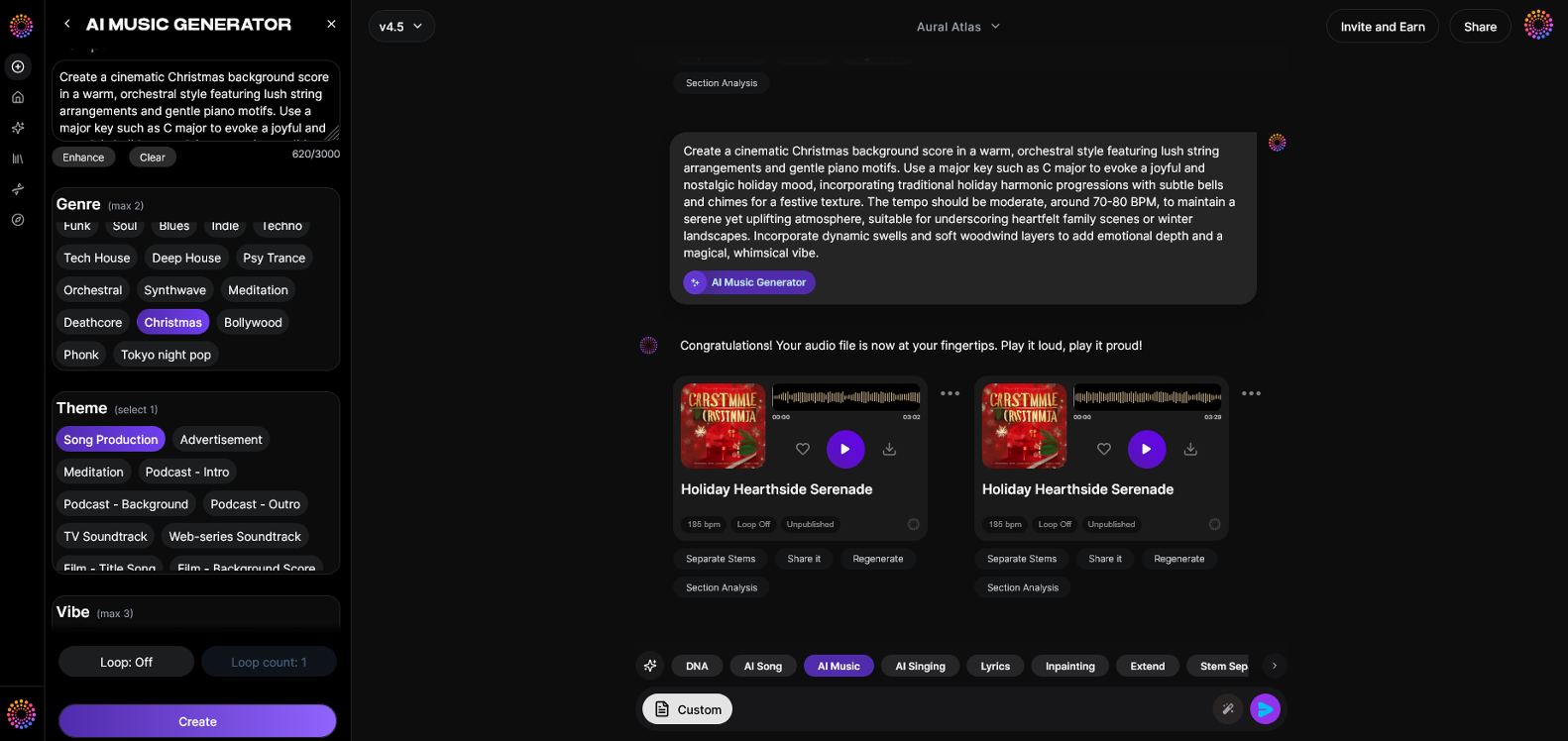
Now that you understand the basics of how to make lo-fi music, Soundverse offers a way to do it instantly. The AI Music Generator inside Soundverse lets users create polished instrumental lo-fi tracks from simple text prompts. It specializes in ambient and background instrumentals, supports Loop Mode for continuous playback, and provides granular control over genre, mood, and instrumentation.
Soundverse’s models (V4 and V5) deliver improved realism that fits perfectly into any DIY home studio lo-fi setup. Creators can use it for YouTube intros, study playlists, game soundtracks, or advertising campaigns. Pair it with the Stem Separator for sonic customization or use Extend Music to lengthen your favorite track smoothly.
For deeper learning, explore related guides like Music Industry Trends, AI Music Generator Review, and 40 Hand-Picked Lo-Fi Text-to-Music Prompts. These resources help expand your production horizon and creative confidence.
If you enjoy genre experimentation, check out tutorials such as How to Create EDM with Soundverse AI or How to Create Healing Meditation Music — you’ll see how versatile AI-generated audio can be.
Final Thoughts
In 2026, lo-fi remains universally admired for its warm simplicity and emotive depth. Learning how to make lo-fi music equips you with timeless creative skills and an outlet for artistic expression. While traditional production methods keep their charm, platforms like Soundverse streamline the process, bringing creativity closer to everyone.
So create some nostalgic crackle, mix in cozy Rhodes melodies, and unleash your mood through softly swinging beats — the world of lo-fi is now yours to explore.
Start Creating Your Lo-Fi Tracks with Soundverse AI Today!
Transform your ideas into dreamy lo-fi beats with just a few clicks. Explore powerful AI tools that help you generate, mix, and customize unique sounds—no production experience needed.
Related Articles
- 40 Hand-Picked Lo-Fi Text-to-Music Prompts for All Occasions — Discover curated prompts that will help you instantly create authentic and chill lo-fi tracks using Soundverse AI.
- Generate AI Music with Soundverse Text-to-Music — Learn how to craft full-length tracks from text prompts and transform your creative ideas into music effortlessly.
- Soundverse AI Revolutionizing Music Creation for New-Age Content Creators — See how Soundverse AI empowers creators with next-gen tools to produce high-quality, royalty-free music instantly.
- The Benefits of Composing with AI Music Generator — Explore how AI can inspire more creativity, speed up workflow, and elevate your music production to the next level.
Here's how to make AI Music with Soundverse
Video Guide

Here’s another long walkthrough of how to use Soundverse AI.
Text Guide
- To know more about AI Magic Tools, check here.
- To know more about Soundverse Assistant, check here.
- To know more about Arrangement Studio, check here.
Soundverse is an AI Assistant that allows content creators and music makers to create original content in a flash using Generative AI.
With the help of Soundverse Assistant and AI Magic Tools, our users get an unfair advantage over other creators to create audio and music content quickly, easily and cheaply.
Soundverse Assistant is your ultimate music companion. You simply speak to the assistant to get your stuff done. The more you speak to it, the more it starts understanding you and your goals.
AI Magic Tools help convert your creative dreams into tangible music and audio. Use AI Magic Tools such as text to music, stem separation, or lyrics generation to realise your content dreams faster.
Soundverse is here to take music production to the next level. We're not just a digital audio workstation (DAW) competing with Ableton or Logic, we're building a completely new paradigm of easy and conversational content creation.
TikTok: https://www.tiktok.com/@soundverse.ai
Twitter: https://twitter.com/soundverse_ai
Instagram: https://www.instagram.com/soundverse.ai
LinkedIn: https://www.linkedin.com/company/soundverseai
Youtube: https://www.youtube.com/@SoundverseAI
Facebook: https://www.facebook.com/profile.php?id=100095674445607
Join Soundverse for Free and make Viral AI Music

We are constantly building more product experiences. Keep checking our Blog to stay updated about them!