How to Make Lo-Fi Music: A Beginner’s Guide to Chill Beats
Learn how to make lo-fi music at home using Soundverse AI. A simple guide for beginners to create chill, vintage-style beats.
How to Make Lo-Fi Music: A Beginner’s Guide to Chill Beats
Lo-fi, short for "low fidelity," has evolved from a niche sound into one of the most popular DIY genres among bedroom producers in 2026. Its signature warmth, vinyl crackle, and nostalgic vibe make it ideal for relaxation, study sessions, or creative focus. If you’ve ever wondered how to make lo-fi music that captures that mellow, imperfect charm, you’re in the right place. This beginner’s guide will walk you through essential lo-fi production techniques, practical tools, and a step-by-step method to create DIY lo-fi beats from scratch, even if you’re just starting out.
Why is Lo-Fi Music So Popular in 2026?
Lo-fi music taps into something timeless: comfort through imperfection. As digital production advances, many producers crave the human touch in sound—small errors, ambient noise, and tape warmth. In 2026, this retro aesthetic continues to blend beautifully with modern tools. Lo-fi has expanded from simple hip-hop instrumentals to more experimental mixtures of jazz, chillwave, and ambient textures. Streaming platforms and social media trends celebrate lo-fi as the soundtrack to mental wellness and creativity. This surge is supported by analytics like lofi - Chartmetric showing explosive audience growth and market insights from Lofi Trend 2025: GenZ's Study Music Revolution & Market Insights. Lofi’s reach is evident—What is Lofi Music? Discover YouTube's New Favorite Genre highlights millions of listeners and global creators shaping the scene.

What Makes Lo-Fi Sound Unique?
Before diving into how to make lo-fi music, it’s important to understand the key sonic characteristics that define it:
- Warm Tonality – Lo-fi music features midrange-heavy mixes with softened highs to emulate analog recordings.
- Textured Noise – Vinyl crackles, cassette hiss, and ambient field recordings add authenticity.
- Simple Musical Layers – Lo-fi often relies on a few instruments—soft drums, jazzy chords, melodic basslines.
- Relaxed Groove – Drum patterns are swung or slightly off-grid for a human touch.
- Mood-Driven Production – Lo-fi relies heavily on vibe. It tells a story not through lyrics, but through texture and atmosphere.
These qualities form the foundation of modern lo-fi production techniques, whether you’re composing in a home studio or working with AI-assisted tools.

How to Make Lo-Fi Music with Soundverse AI Music Generator
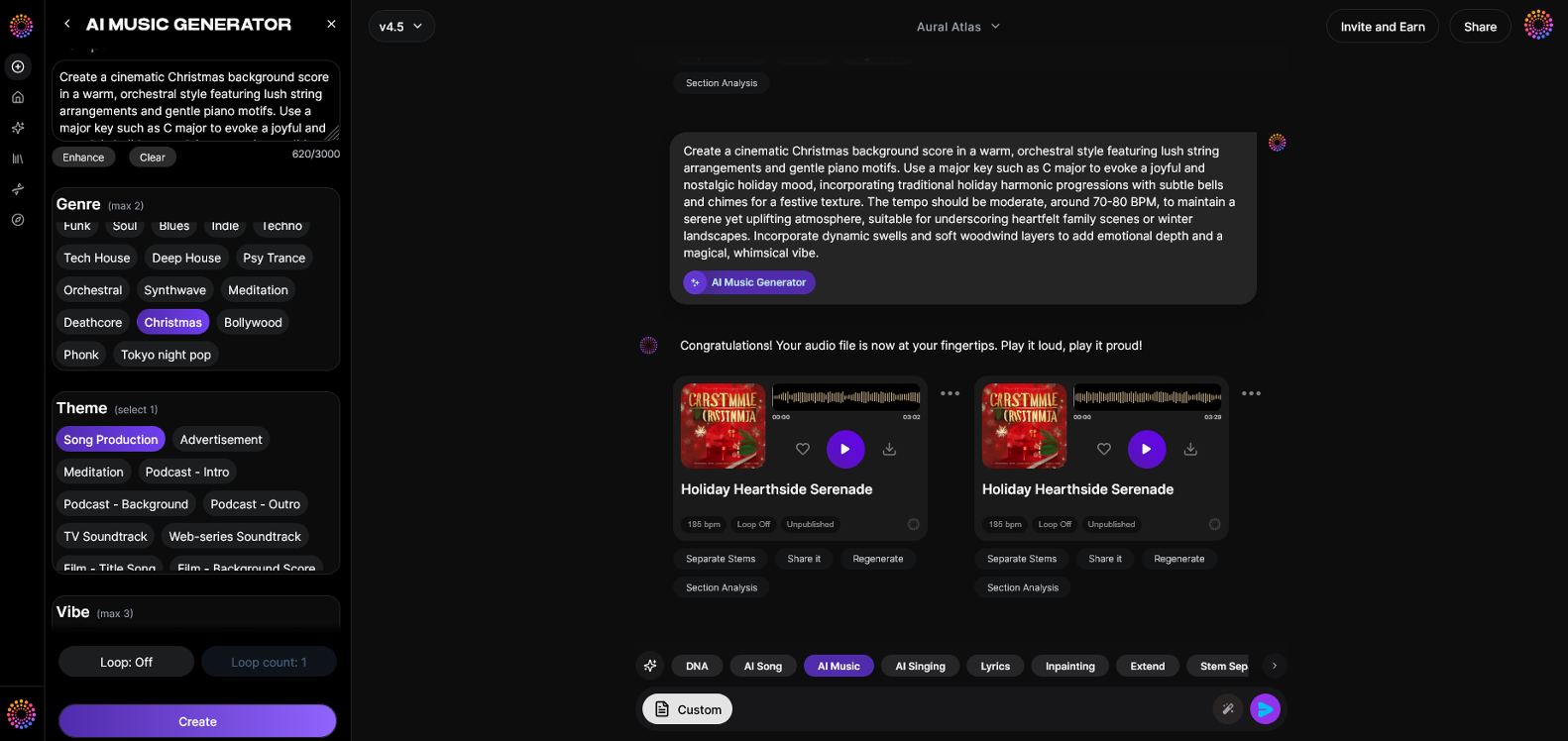
Soundverse’s AI Music Generator is an intelligent creation tool designed for both beginners and advanced creators. Instead of spending hours sampling obscure records or programming drum machines, you can create complete lo-fi instrumentals from a simple text description.
Feature Overview: Soundverse generates fully produced instrumental music from text prompts. You describe what you want—such as “a chill lo-fi beat with warm piano and rain sounds for relaxation”—and the AI translates your text into music. It specializes in background tracks, beats, and soundscapes, with Loop Mode for seamless repetition. You can control genre, mood, and instrumentation, and select between the V4 or V5 model depending on your preference for realism or creative flair.
Soundverse’s AI Music Generator is ideal for crafting lo-fi instrumentals used in YouTube videos, Twitch streaming backgrounds, podcasts, or even meditation tracks. Its text-to-music engine makes it easy to experiment with the nostalgic and cozy sound palette lo-fi is known for.
For more Soundverse walkthroughs, watch Soundverse Tutorial Series - 9. How to Make Music or explore the Explore Tab tutorial for workflow insights.
Step 1: Feature Overview
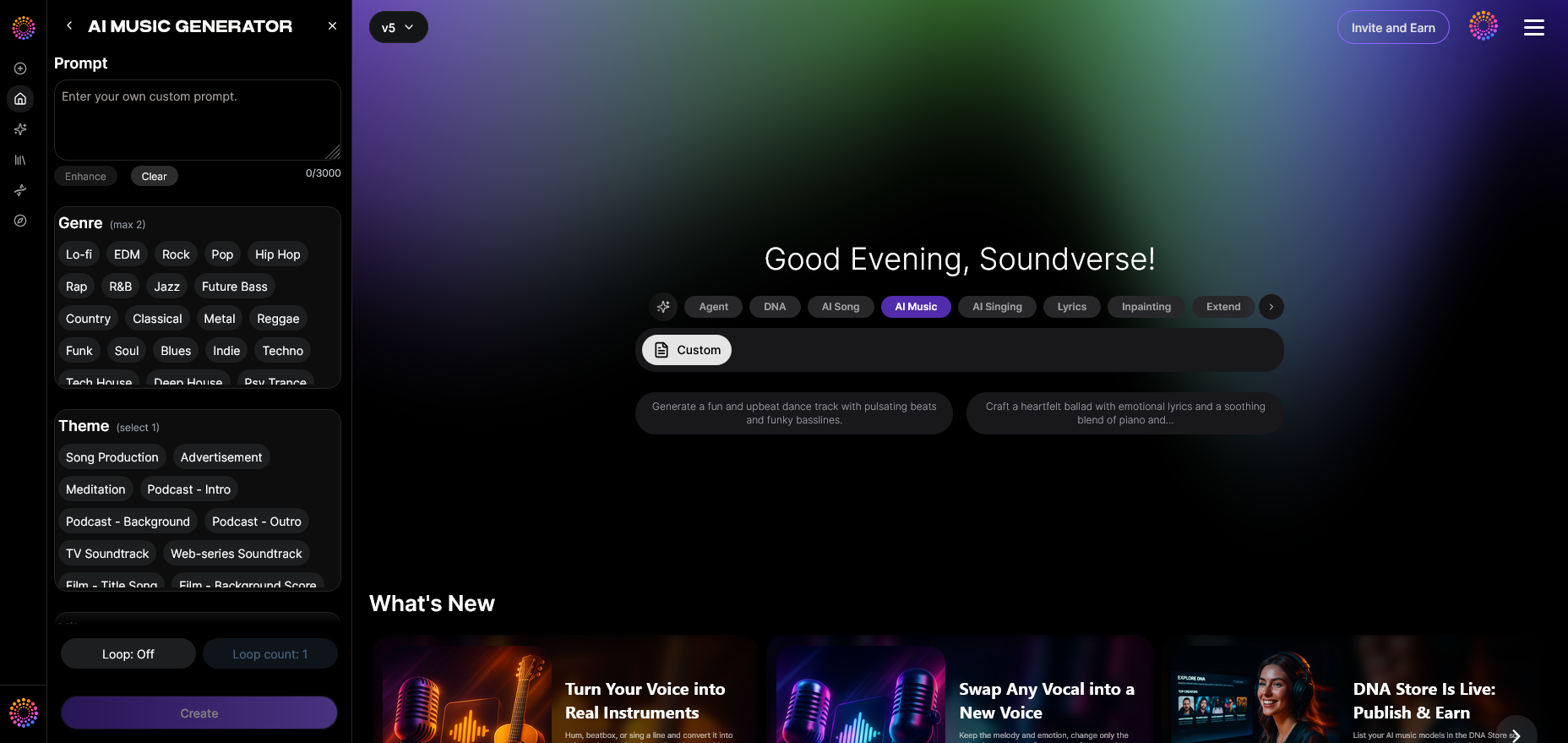
To start, open the AI Music Generator from the Soundverse main menu. This tool is specifically built for generating instrumental tracks without vocals, making it perfect for lo-fi production.
Step 2: Description Input
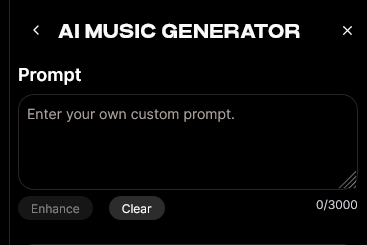
In the input field, describe your lo-fi vision. For example: “a mellow lo-fi hip-hop track with vinyl crackle, soft drums, and jazzy piano.” Be specific about mood or setting—terms like “rainy night,” “sunset vibe,” or “café background” help the AI pick fitting sonic textures.
Step 3: Style & Duration
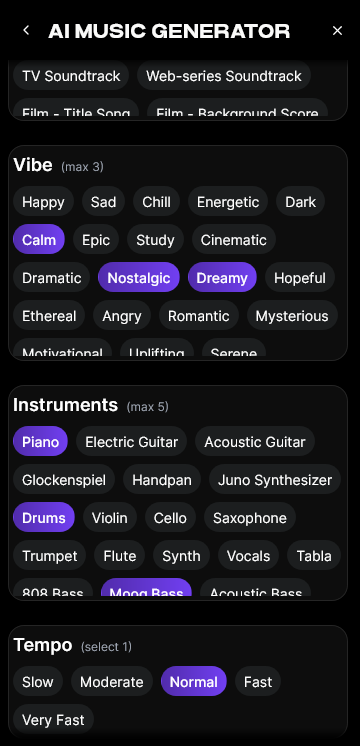
Next, choose the music style (lo-fi chill, lo-fi hip-hop, or lo-fi ambient) and set the duration of your track. If you want looping beats for study or streaming playlists, enable the Loop Mode option for continuous playback.
Step 4: Generation
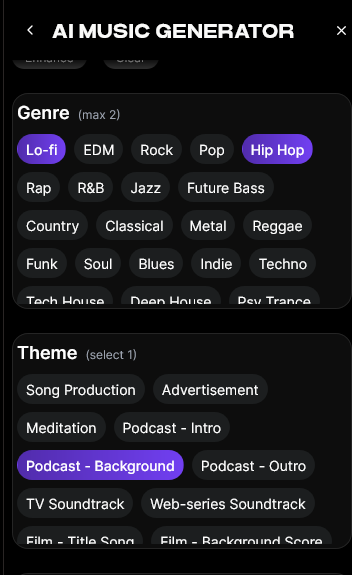
After reviewing your settings, click “Generate.” The AI processes your description and composes an original lo-fi instrumental based on your input. It uses advanced modeling and adaptive layering, ensuring your track feels organic and cohesive.
Step 5: Export Options

Once the generation is complete, export your music file. You can use it as is or edit further with Soundverse’s Stem Separator to refine specific instrument groups like bass or drums. You can also use Extend Music to lengthen your piece seamlessly without losing style consistency.
What Are the Best Lo-Fi Production Techniques for Beginners?
Learning how to make lo-fi music involves both creativity and technical choices. Here are a few tips and methods:
- Start Simple. Begin with just drums, chords, and melody. Lo-fi thrives on minimal setups.
- Add Ambient Texture. Incorporate subtle noise layers—rain, chatter, or vinyl textures—for depth.
- Use Swing and Humanization. Avoid perfect quantization; slightly loosen drum timing.
- Experiment with Chord Voicings. Jazz-influenced seventh or ninth chords give warmth and emotional tone.
- Embrace Imperfection. Slight detuning, tape effects, or analog saturation enhance authenticity.
You can pair these classic approaches with Soundverse’s text-driven workflow to produce music quickly while retaining aesthetic flair.
How to Create Lo-Fi Sound in a Home Studio Setup
Setting up a basic lo-fi home studio doesn’t require expensive gear. You’ll need:
- A digital audio workstation (DAW) such as Ableton Live or FL Studio
- Audio interface and headphones for monitoring
- MIDI controller for playing simple melodies
- Soundverse AI Music Generator for instant instrumental foundations
- Plugins for warmth, like tape emulators or analog compressors
This combination empowers you to create DIY lo-fi beats easily at home. Many artists in 2026 use AI-generated tracks as inspiration, layering organic elements over AI loops to craft unique compositions.
Advanced Tips for Crafting Original Lo-Fi Music
- Layer AI and Real Instruments: Generate a lo-fi base with Soundverse, then record live guitar or synth overlays.
- Deconstruct and Remix: Use the Stem Separator tool to isolate parts such as drums or bass from your generated track for custom mixing. Learn more in Soundverse Introduces Stem Separation AI Magic Tool.
- Experiment with Mood Prompts: Soundverse’s text system thrives on detail. Try prompts like “dusk-colored lo-fi beat with dusty piano and tape hiss.” Discover ideas in 40 Hand-Picked Lo-Fi Text-to-Music Prompts for All Occasions.
- Extend Background Tracks: Use the Extend Music function if your piece needs more duration for relaxation playlists or gaming sessions.
For broader insights into AI music’s influence this year, visit How AI-Generated Music Is Transforming the Music Industry or explore hybrid production trends in Music Industry Trends.
How Does Soundverse Compare to Other Tools?
While DIY lo-fi production used to rely heavily on samplers and plugins, AI models now offer faster, copyright-clean solutions. Compared to alternatives such as Soundraw or Mubert, Soundverse delivers greater creative control through descriptive text input and detailed genre mood settings. Its V4 and V5 models enable more subtle dynamic variation crucial for lo-fi’s emotional range. If you’re exploring platforms, check out Mubert Alternatives: Soundverse or Soundraw Alternative for comparisons.
Start Creating Lo-Fi Beats with AI Today
Turn your chill vibe ideas into finished tracks effortlessly. Explore Soundverse’s AI-powered music generator to make lo-fi beats that match your unique style — no production experience required.
- 40 Hand-Picked Lo-Fi Text-to-Music Prompts for All Occasions — Discover curated text-to-music prompts to help you generate authentic lo-fi tracks with ease.
- Generate AI Music with Soundverse Text-to-Music — Learn how to transform simple text ideas into full music compositions using Soundverse’s powerful AI engine.
- How to Create Jazz Music with Soundverse AI — Explore how Soundverse AI can help you craft smooth, timeless jazz tracks with minimal setup.
- The Benefits of Composing with an AI Music Generator — Uncover how AI simplifies the music-making process while enhancing creativity for artists and producers.
Here's how to make AI Music with Soundverse
Video Guide

Here’s another long walkthrough of how to use Soundverse AI.
Text Guide
- To know more about AI Magic Tools, check here.
- To know more about Soundverse Assistant, check here.
- To know more about Arrangement Studio, check here.
Soundverse is an AI Assistant that allows content creators and music makers to create original content in a flash using Generative AI.
With the help of Soundverse Assistant and AI Magic Tools, our users get an unfair advantage over other creators to create audio and music content quickly, easily and cheaply.
Soundverse Assistant is your ultimate music companion. You simply speak to the assistant to get your stuff done. The more you speak to it, the more it starts understanding you and your goals.
AI Magic Tools help convert your creative dreams into tangible music and audio. Use AI Magic Tools such as text to music, stem separation, or lyrics generation to realise your content dreams faster.
Soundverse is here to take music production to the next level. We're not just a digital audio workstation (DAW) competing with Ableton or Logic, we're building a completely new paradigm of easy and conversational content creation.
TikTok: https://www.tiktok.com/@soundverse.ai
Twitter: https://twitter.com/soundverse_ai
Instagram: https://www.instagram.com/soundverse.ai
LinkedIn: https://www.linkedin.com/company/soundverseai
Youtube: https://www.youtube.com/@SoundverseAI
Facebook: https://www.facebook.com/profile.php?id=100095674445607
Join Soundverse for Free and make Viral AI Music

We are constantly building more product experiences. Keep checking our Blog to stay updated about them!