How to Layer Vocals for a Professional Sound
Learn how to layer vocals for a polished, professional sound using AI-powered mixing tools.
How to Layer Vocals for a Professional Sound
Mastering the art of vocal layering is one of the most transformative skills for any music producer or recording artist in 2026. Whether you’re mixing a pop anthem or building emotional harmonies for a cinematic ballad, understanding how to layer vocals can add depth, clarity, and power to your production. In this guide, we’ll walk through the best vocal mixing techniques, vocal production tips, and how Soundverse’s Stem Separator helps you achieve an immaculate, professional vocal mix.
Why Vocal Layering Matters in 2026
Layered vocals remain a core component of modern music production. Artists across genres—from indie and R&B to EDM—use multiple vocal tracks to build texture and emotional resonance. As production quality expectations have risen dramatically since 2024, skilled layering has become essential for those aiming to compete professionally.
For beginners exploring music production, layering vocals may sound complex. Yet at its core, it’s about recording multiple vocal takes and skillfully blending harmonies so they sound cohesive rather than cluttered. Think of it as painting in 3D; you’re not just recording one performance—you’re creating an immersive vocal landscape.
Today’s most successful producers utilize AI-assisted tools like Soundverse to handle the technical challenges of isolating and mixing stems, allowing them to focus purely on creativity. This merging of human artistry and intelligent automation has completely reshaped studio workflows in recent years.

How to Make Perfect Vocal Layers with Soundverse Stem Separator
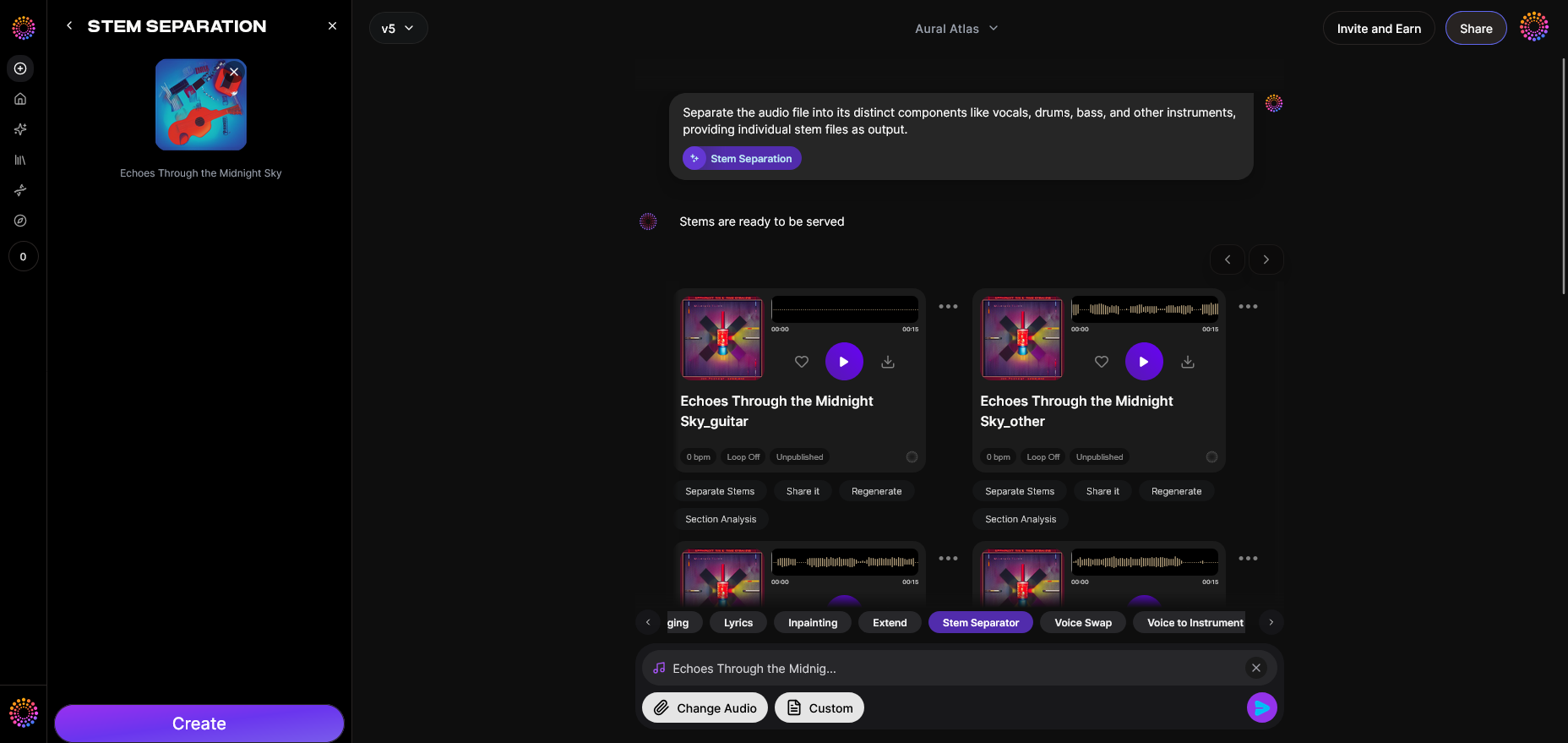
The Soundverse Stem Separator is designed for producers who want precise control over their mix. It dissects mixed audio into up to six editable stems—Vocals, Drums, Bass, Guitar, Accompaniment, and others—offering unmatched flexibility. Whether you want to extract a lead vocal for remixing or analyze backing parts for educational purposes, the Stem Separator delivers high-quality isolation and supports URL, file, and recording inputs.
It’s ideal for:
- Creating remixes or karaoke backing tracks.
- Cleaning up existing recordings.
- Studying vocal blend techniques by separating professional mixes.
- Preparing clean vocal layers for reprocessing.
To learn more about Soundverse’s AI technology, explore Soundverse Introduces Stem Separation AI Magic Tool or discover how AI music generation is revolutionizing production at How AI-Generated Music Is Transforming the Music Industry.

Step 1: Upload Interface
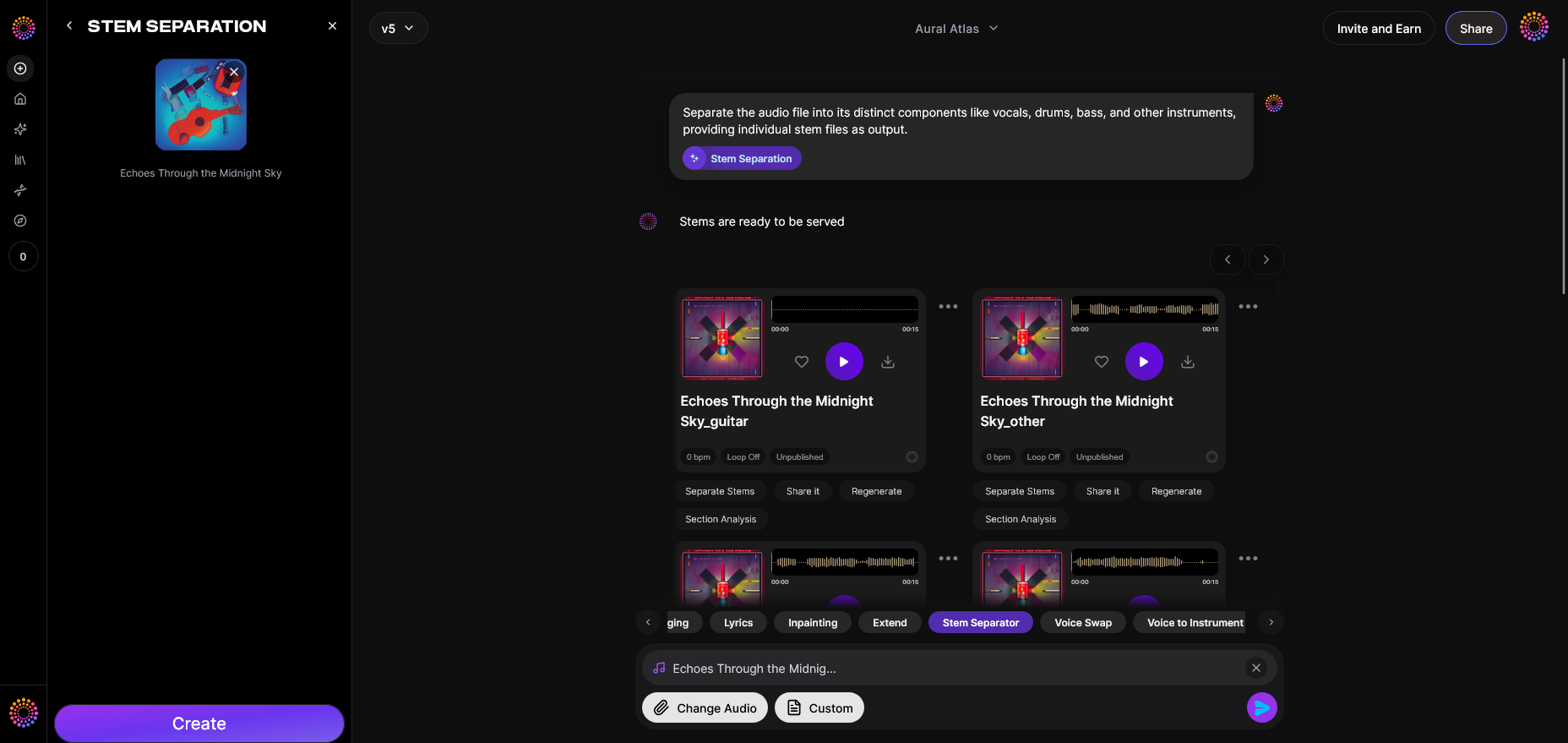
Start by accessing Soundverse’s upload interface. Here, you can choose to upload an existing audio file, paste a track URL, or record vocals directly into the platform. This asynchronous process ensures that once your recording or file is submitted, Soundverse’s system begins the separation task immediately.
Step 2: Additional References
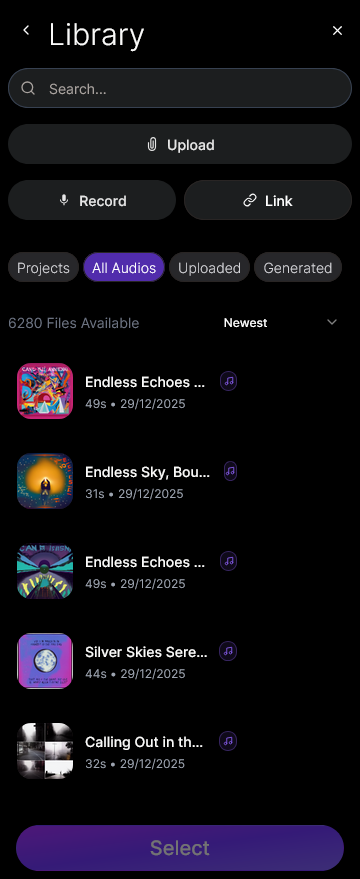
You can upload reference audio files to help refine the separation settings. For instance, if you’re working with layered harmonies similar to a known professional track, the reference helps the AI fine-tune vocal stem segmentation.
Step 3: Results Display
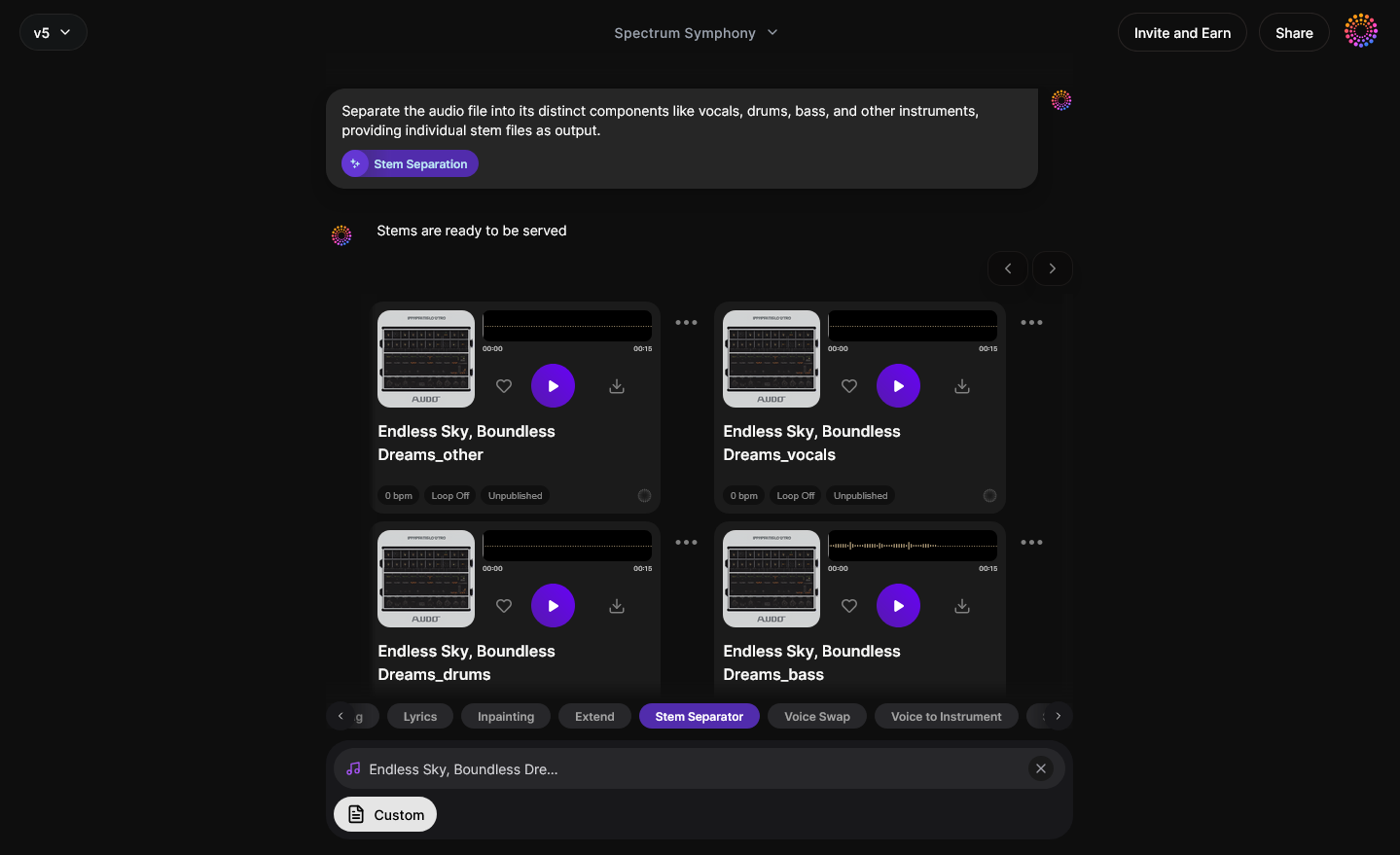
After the AI processes your recording, you’ll see visualized separated stems—each representing elements of the mix such as lead vocals, harmonies, drums, and accompaniment. This separation stage gives you full access to isolated vocal tracks so you can start blending, editing, and enhancing them using your DAW or Soundverse’s integrated environment.
Step 4: Download Stems
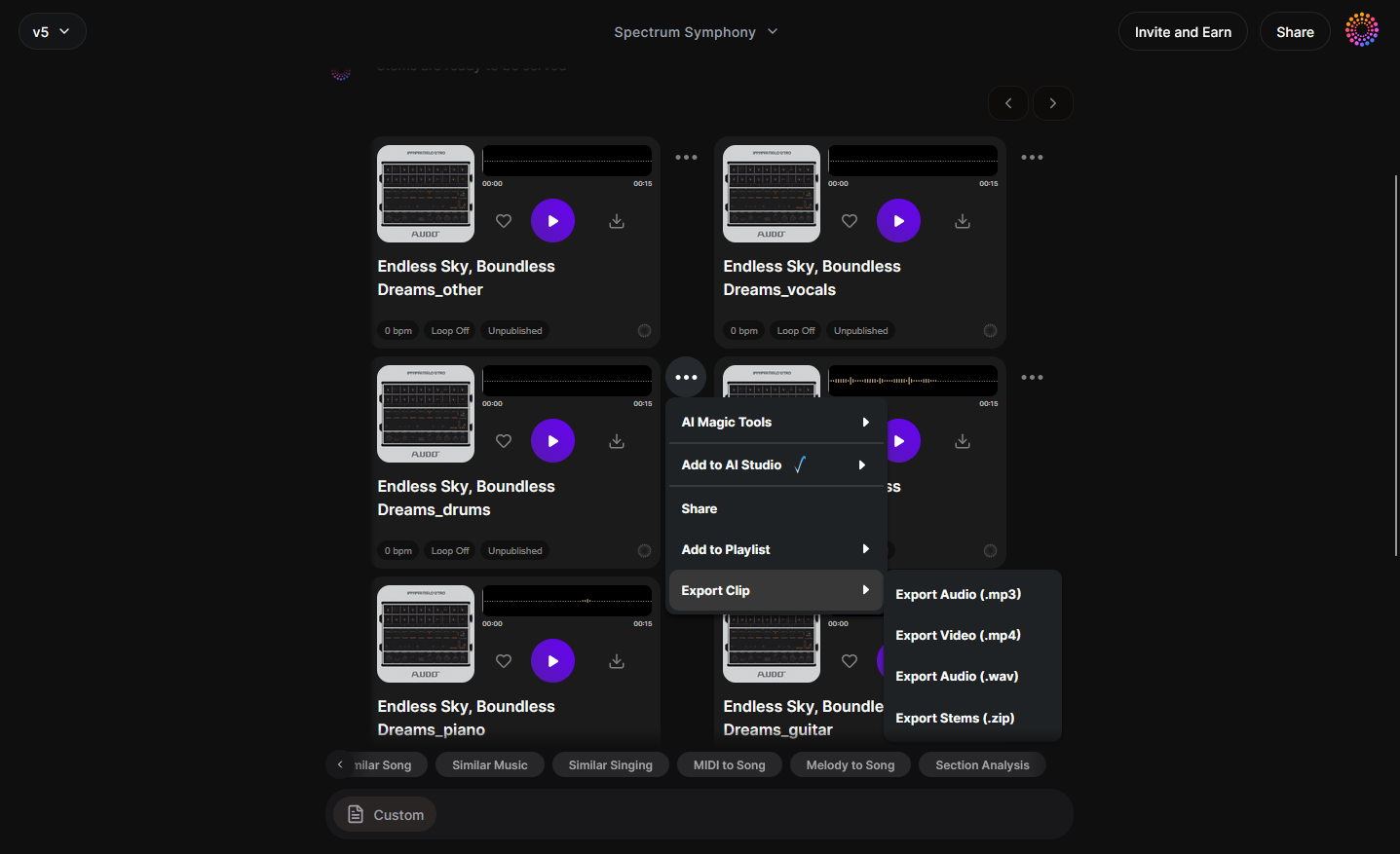
Once satisfied, download individual stems to refine further in your studio. You can experiment with panning harmonies, EQ carving, or adding subtle reverb tails on background vocals. This step enables full flexibility in how your layers interact and sound.
What Are the Best Vocal Mixing Techniques for Layering?
Each layer serves a purpose in creating a cohesive vocal sound. Here’s what professional producers recommend in 2026:
- Start with Solid Foundation Vocals: Begin with the strongest performance as your lead. Perfect timing and intonation matter before layering.
- Blend Harmonies Strategically: Record additional vocal parts that complement your lead—thirds, fifths, or octaves depending on genre.
- Pan for Width: Pan harmonies slightly left and right to make the mix sound full and wide, while keeping leads centered.
- Use EQ for Separation: Avoid frequency clashes by carving space—cut low frequencies on backing vocals so the lead remains distinct.
- Control Dynamics: Use compression to even out layers. Too much variation can make mixes disjointed.
- Add Effects Thoughtfully: Short reverbs are great for depth; delays help harmonies sit naturally.
These vocal mixing techniques remain foundational, but integrating AI tools for clarity and stem isolation makes achieving pro results faster and more precise. You can reference expert approaches like Vocal Layering: 6 Ways To Stack Vocal Tracks For Powerful Sound or Mastering the art of vocal layering: a step-by-step guide for deeper insights.
Professional Vocal Production Tips for 2026
- Use AI to Audit Mixes: With platforms like Soundverse, you can quickly analyze reference tracks and identify how professional mixes achieve vocal clarity.
- Keep Track Organization Tight: Name layers clearly (lead, harmony_1, whisper_fx) for efficient session management.
- Experiment with Textures: Beyond traditional harmonies, experiment with vocal textures such as whispers or gentle breaths. Soundverse’s AI Singing Generator can synthesize these subtleties.
- Refine Arrangement After Layering: Once layers are solid, you can open them in the Arrangement Studio to rearrange sections and ensure smooth transitions.
If you’re new to music production, you’ll find that intelligent layering techniques and modern AI workflows make learning remarkably intuitive compared to the manual approaches of early 2020s mixing. You can also explore our Soundverse Tutorial Series - 9. How to Make Music for an in-depth video on modern production workflow.
How Can Beginners Approach Recording Multiple Vocal Tracks?
For beginners, recording multiple vocal tracks may be intimidating, but it’s mainly about consistency and planning:
- Prepare your room for clean recording—reduce noise.
- Record multiple takes of the same phrase for layering.
- Ensure pitch consistency using gentle correction, not aggressive tuning.
- Stack harmonies with careful placement.
- Reference your mix on various playback devices to ensure balance.
Using the Stem Separator simplifies this process greatly since it can extract usable harmonies or lead parts from demo mixes, giving you raw materials for learning and experimentation.
Blending Harmonies for Musical Emotion
Blending harmonies requires finesse. A well-blended harmony supports the lead without distracting from it. Techniques include matching tone color, balancing volume, and creating a natural spatial field through stereo imaging. Producers often experiment with subtle phase shifts or doubling to thicken backing vocals—something the Stem Separator enables perfectly by giving you clean, isolated vocal data to remix freely.
For inspiration on how different genres approach vocal textures, check out How to Create Country Music with Soundverse AI or explore modern EDM layering at How to Create EDM with Soundverse AI. For step-by-step video guidance, watch our Soundverse Tutorial Series - 10. Make Deep House Music.
Closing Thoughts
By mastering how to layer vocals, producers elevate songs from good to unforgettable. In 2026, where audio clarity and emotional impact determine success, understanding both traditional layering principles and intelligent AI-based workflows is essential. Soundverse’s Stem Separator provides the perfect bridge between creativity and precision—making it possible for anyone to craft professional-grade vocal mixes.
For those exploring deeper AI music workflow innovations, explore Let Soundverse Assistant Auto-Select the Right AI Magic Tool for You or learn how creators are leveraging AI to accelerate creative output in Soundverse AI Magic Tools: Create Content Quickly with AI.
Create Studio-Quality Vocals with Soundverse AI
Layer, refine, and perfect your vocal tracks using Soundverse’s cutting-edge AI tools. Bring depth and clarity to every recording—and sound like a pro instantly.
Start Creating Now
Related Articles
- What Are Song Stems and Why Do You Need Them: Discover how song stems enhance mixing flexibility and help you achieve cleaner, more dynamic vocal layers.
- Soundverse Introduces Stem Separation AI Magic Tool: Learn how Soundverse’s AI Magic Tool can separate vocals and instruments automatically for smoother layering and editing.
- Generate AI Music with Soundverse Text-to-Music: Turn simple text prompts into full compositions with the Soundverse Text-to-Music generator—perfect for backing vocal layers.
- Soundverse Assistant: Your AI Music Co-Producer: Collaborate with Soundverse Assistant to mix and layer vocals like an expert engineer.
Here's how to make AI Music with Soundverse
Video Guide

Here’s another long walkthrough of how to use Soundverse AI.
Text Guide
- To know more about AI Magic Tools, check here.
- To know more about Soundverse Assistant, check here.
- To know more about Arrangement Studio, check here.
Soundverse is an AI Assistant that allows content creators and music makers to create original content in a flash using Generative AI.
With the help of Soundverse Assistant and AI Magic Tools, our users get an unfair advantage over other creators to create audio and music content quickly, easily and cheaply.
Soundverse Assistant is your ultimate music companion. You simply speak to the assistant to get your stuff done. The more you speak to it, the more it starts understanding you and your goals.
AI Magic Tools help convert your creative dreams into tangible music and audio. Use AI Magic Tools such as text to music, stem separation, or lyrics generation to realise your content dreams faster.
Soundverse is here to take music production to the next level. We're not just a digital audio workstation (DAW) competing with Ableton or Logic, we're building a completely new paradigm of easy and conversational content creation.
TikTok: https://www.tiktok.com/@soundverse.ai
Twitter: https://twitter.com/soundverse_ai
Instagram: https://www.instagram.com/soundverse.ai
LinkedIn: https://www.linkedin.com/company/soundverseai
Youtube: https://www.youtube.com/@SoundverseAI
Facebook: https://www.facebook.com/profile.php?id=100095674445607
Join Soundverse for Free and make Viral AI Music

We are constantly building more product experiences. Keep checking our Blog to stay updated about them!