How to Improve Your Singing Voice: Expert Vocal Training Tips for 2026
Discover how to improve singing voice with simple vocal training tips and exercises using Soundverse AI Singing Generator.
How to Improve Your Singing Voice
Improving your singing voice is a journey that combines consistent practice, smart technique, and the right tools to help you hear progress over time. In 2026, technology and vocal science have made it easier than ever for singers to refine their sound and train more effectively. Whether you are an aspiring artist, a vocal student, or just someone who loves music, understanding how to improve singing voice can unlock new levels of expression and confidence.
What Are the Key Elements of a Great Singing Voice?
A great singing voice isn’t defined solely by power or pitch—it’s about control, emotion, and resonance. Breathing correctly, using proper posture, and maintaining vocal health are foundational principles. By learning how to manage airflow and build stamina, vocalists improve tone consistency and endurance.
In 2026, new digital tools help singers measure pitch accuracy, vibrato control, and breath stability in ways that were once limited to professional studios. Apps and AI software analyze singing patterns, suggesting personalized adjustments. Yet, the timeless essentials remain: hydration, rest, and regular vocal warm-ups.

Scientific studies show that singing not only enhances emotional health but may also improve brain activity, sleep, and immunity. Moreover, clinical research confirms that vocal therapy supports better vocal stamina and reduces workplace injury—proof that maintaining vocal health remains one of the most essential things for any singer.
How Do Vocal Warm-Ups Help Improve Singing?
Vocal warm-ups prepare your voice for performance or practice by increasing blood flow to the vocal folds and loosening muscles. They prevent strain and allow you to sing comfortably for longer periods. Professional singers often spend 10–20 minutes warming up before rehearsal.

Common warm-up exercises include:
- Lip trills: Gently blowing air through closed lips to build airflow control.
- Sirens: Sliding your voice from low to high pitch, promoting smooth vocal transitions.
- Tongue rolls: Strengthening articulation and reducing tension.
These singing exercises improve vocal flexibility and accuracy, serving as essential voice improvement techniques for any level of singer.
You can read more about how musicians enhance their vocal creativity through AI innovations in Soundverse’s guide Soundverse AI Magic Tools: Create Content Quickly with AI. You can also see how breathing and posture impact overall voice quality according to Sing Up.
How to Make Singing Voice Training More Effective in 2026
Consistency is key in vocal development. Singers today often follow structured practice plans combining daily exercises with AI-assisted feedback. Tools track progress across time, helping singers set incremental goals, like increasing range by one or two semitones or improving sustain duration.
One major trend in 2026 is the integration of AI vocal analyzers that recreate singing elements based on text prompts or reference tracks. This helps learners understand tonal characteristics by comparing their performances to professional-quality acapellas synthesized by AI. Studies confirm that singing also enhances elocution and speech speed, supporting more precise articulation and timing.
How to Make Singing Training Easier with Soundverse AI Singing Generator
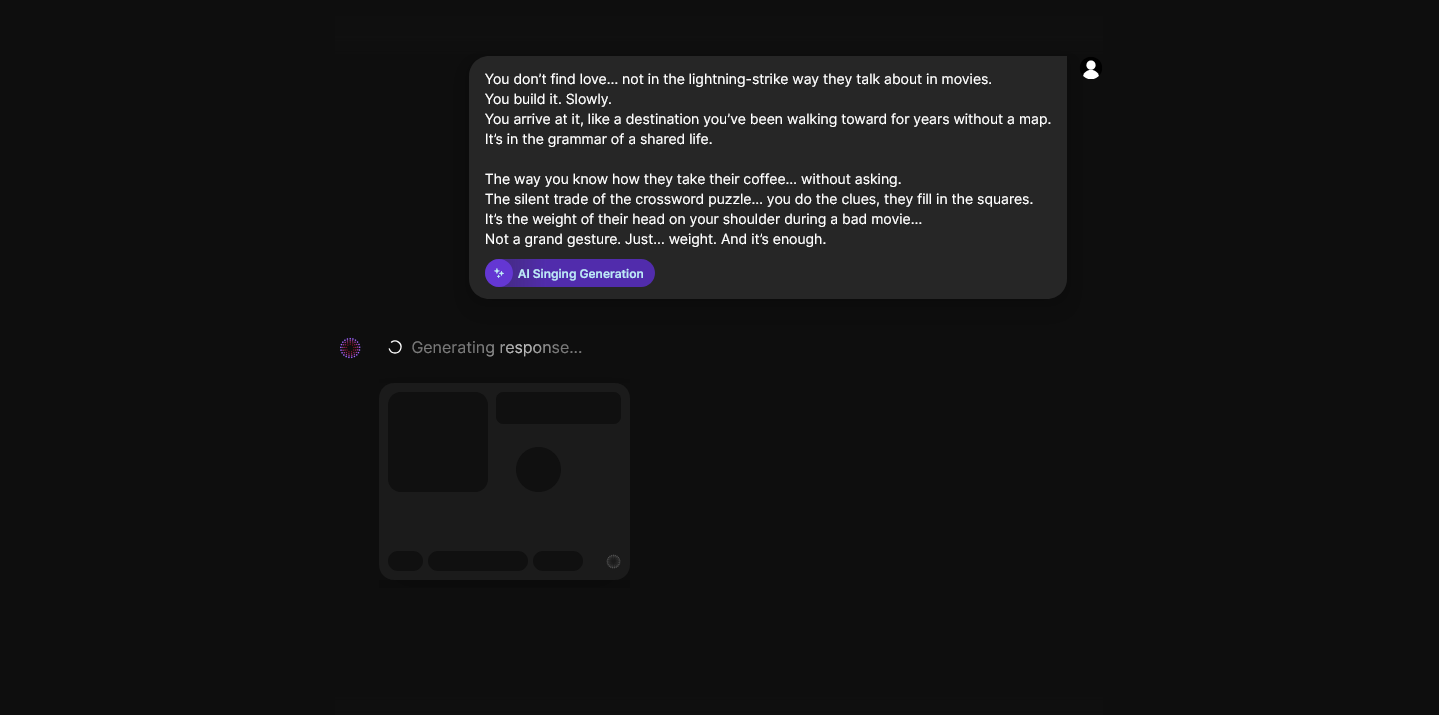
Soundverse’s AI Singing Generator redefines the way vocalists and producers work on their singing skills. Designed for artists who want to elevate their vocal expression, this AI feature generates professional-quality acapella vocals directly from text or lyrics. It supports traditional singing styles—Pop, Rock, Rap, Opera—as well as experimental ones like whispering or unique ‘Meow Meow’ cat sound textures.
Core Capabilities:
- Text-to-singing: Transform written lyrics into a complete vocal performance.
- Style selection: Choose diverse genres to study tone and phrasing.
- Reference audio support: Match your song’s vocal tone to a specific reference style.
- Clean acapella output: Perfect for practice, sampling, or vocal comparison.
Use Cases:
- Vocal references for studio producers.
- Practice models for vocal students aiming to study phrasing.
- Multilingual singing demonstrations for global artists.
- Creative sound design for gaming, animation, or experimental compositions.
Unlike live filters, Soundverse processes audio asynchronously—singers upload lyrics, select a style, and generate results. This method ensures high-quality acapellas without compromising creative control.
To explore more ways Soundverse helps with musical creation, see Generate AI Music with Soundverse Text-to-Music and Soundverse Assistant: Your AI Music Co-Producer. For a deeper dive, watch our guide on creating Deep House music, or learn more from our Explore Tab tutorial.
Step 1: Feature Overview — Access AI Singing Generator
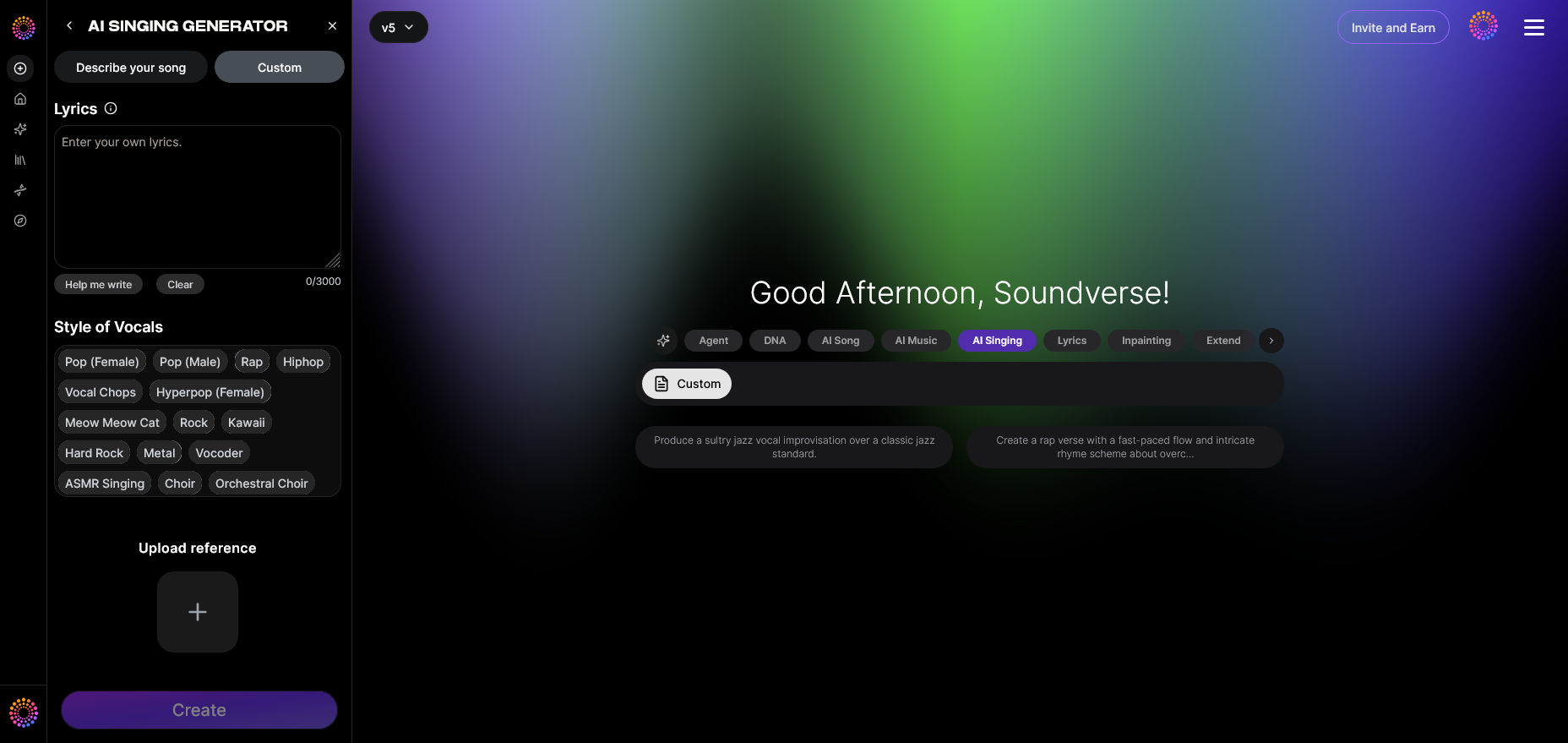
Start by logging into your Soundverse account. From the dashboard, click on AI Singing Generator under the Vocal Tools section. This feature opens a workspace where you can transform text into a singing performance. It’s ideal for testing lyric phrasing, training with new melodies, and generating reference vocals.
Step 2: Lyrics/Text Input — Enter Lyrics or Text to Sing
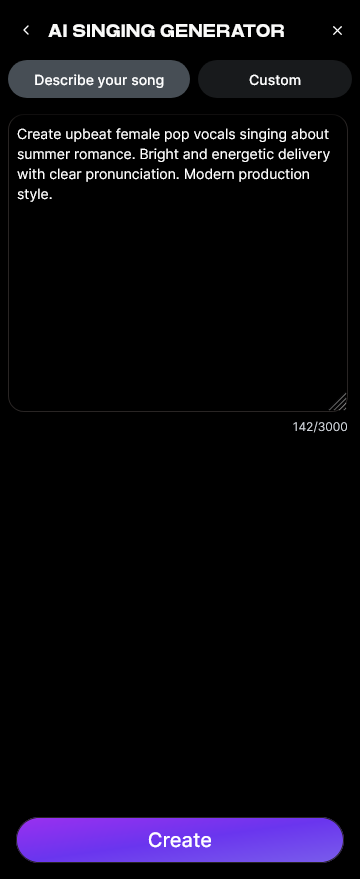
Type or paste the lyrics you want the AI to perform. This step helps users analyze how lyric stress and syllable placement affect melody. The generator interprets your text rhythmically, producing natural vocal patterns comparable to real singers.
Step 3: Voice Selection — Choose Voice Style and Characteristics
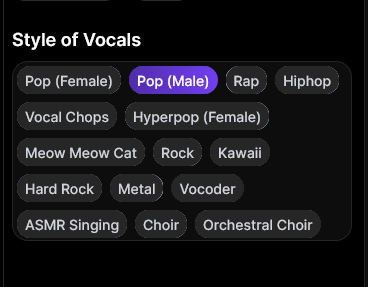
Here, select the genre, vocal tone, and singing style. You might experiment with Pop for energetic clarity or Opera for extended resonance. Soundverse lets you access both conventional and creative vocal textures like ASMR whispers. These voice variations are perfect for understanding how timbre influences emotional delivery.
Step 4: Generation — Generate Singing Vocals from Text
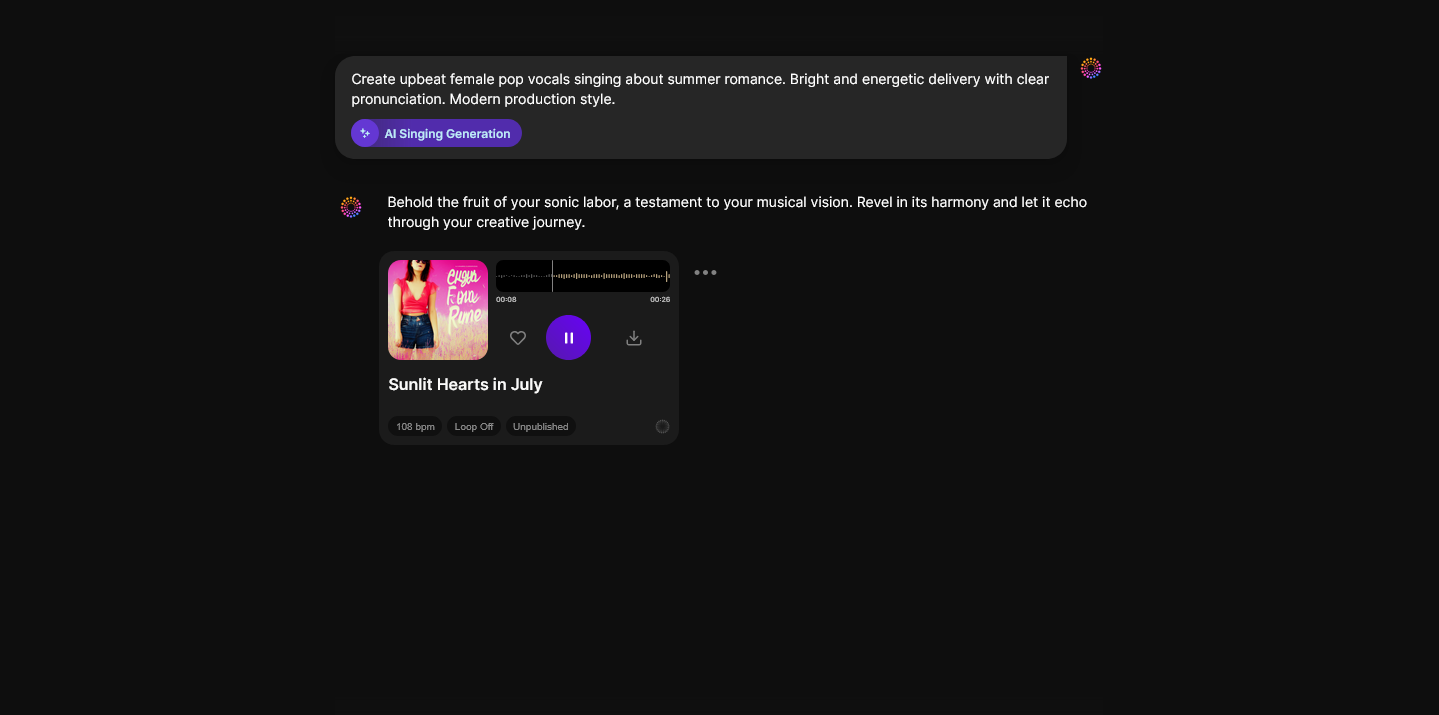
Once your selections are ready, click Generate to produce the AI-generated vocals. This process takes a moment as Soundverse’s neural music engine synthesizes realistic acapella performances. It’s not real-time but provides precise articulation and emotion that can be studied or used for mixing practice.
Step 5: Download Vocals — Export Generated Singing Vocals
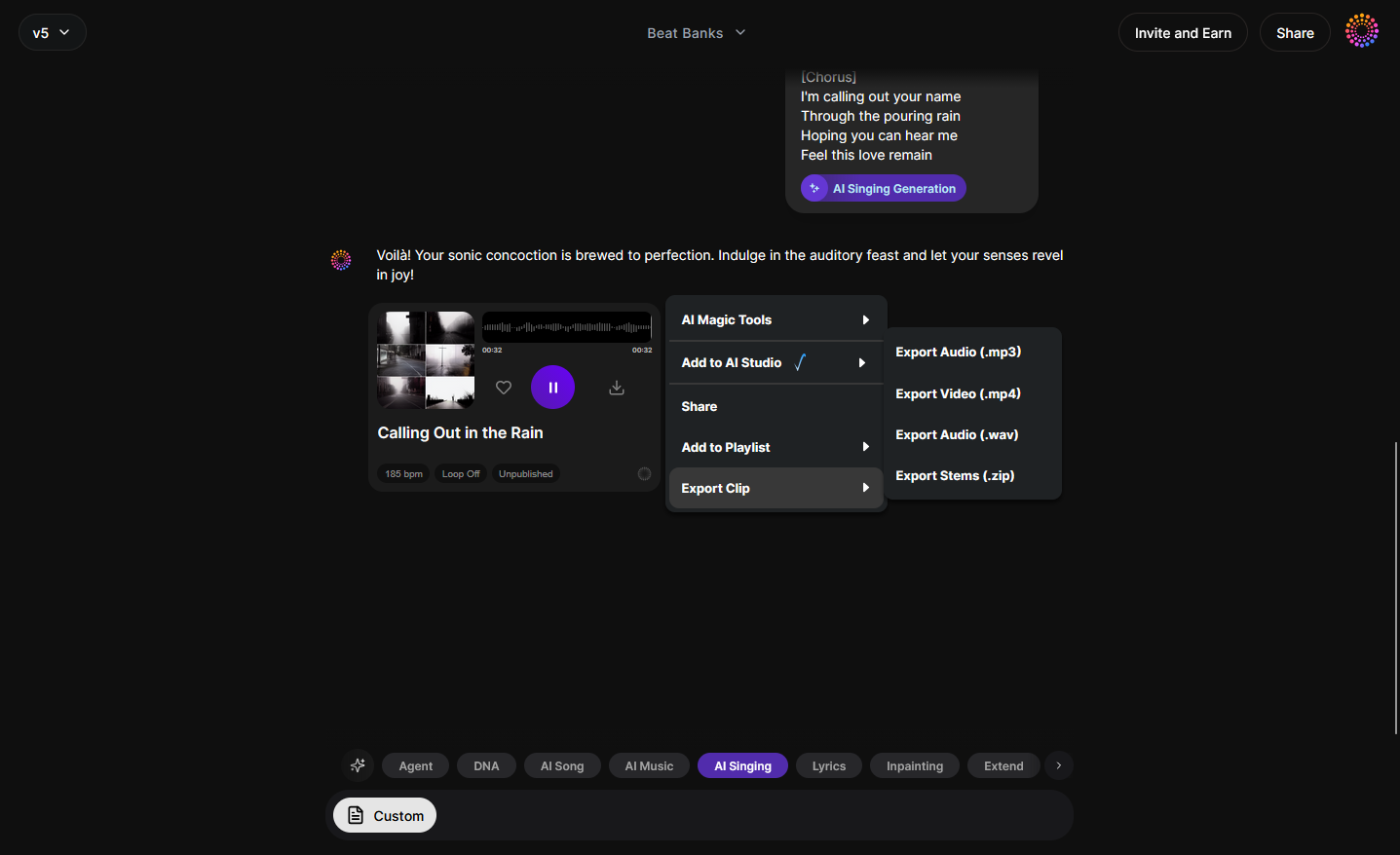
After generation completes, download your clean acapella vocals in WAV or MP3 format. These files can be used for practice, sampling, or pitch comparison. Singers reviewing their tone alongside these AI-generated references often improve faster, identifying specific vocal elements they want to refine.
What Are the Best Vocal Training Tips for Beginners?
- Master Breath Control: Practice breathing exercises such as diaphragmatic breathing to strengthen core support.
- Stay Hydrated: Drink water consistently to keep vocal cords supple and reduce friction.
- Record Yourself: Regularly record practice sessions to recognize progress and identify pitch inconsistencies.
- Work on Range Gradually: Avoid forcing high or low notes; expand your range with step-by-step exercises.
- Use Reference Tracks: Using Soundverse’s Similar Singing Generator, singers can generate versions of songs with different voices to understand tone and phrasing nuances.
You can also explore how AI-generated music inspires modern techniques in How AI-Generated Music Is Transforming the Music Industry. Additional studies like Is It Ever Too Late for Singing Lessons? show that voice improvement and lung capacity increase even in older adults with consistent training.
What Advanced Techniques Can Boost Vocal Performance?
Experienced singers in 2026 now combine traditional vocal lessons with AI-driven insight. Techniques like resonance mapping and vocal formant adjustments are studied more easily thanks to technology. Important advanced methods include:
- Mixed Voice Training: Blending chest and head voice for smooth transitions.
- Dynamic Expression Control: Modulating intensity and timing for emotional depth.
- Pitch Anchoring: Using digital pitch guides to stay consistently on key.
Soundverse’s Voice Swap tool complements professional vocal refinement by allowing performers to hear how their recordings might sound in other tonal identities—helpful for comparing stylistic delivery without re-recording. For a broader look at modern AI composition, watch our How to Make Music tutorial.
How to Sing Better with Consistent Practice
Consistency remains the most effective voice improvement technique. Set a routine blending daily warm-ups, singing exercises, and creative sessions with technology-assisted learning like Soundverse AI tools. Over weeks, your voice will strengthen, and emotional control during performances will deepen.
You can learn related artistic applications in Creating a Faceless Valentine’s Day Video Message with Free AI Tools and discover genre-specific guidance in How to Create Jazz Music with Soundverse AI.
Start Creating Music That Elevates Your Voice
Unlock your vocal potential with Soundverse AI. Whether you're refining your singing technique or composing original tracks, our tools help you create studio-quality music effortlessly.
Related Articles
- How to Create Jazz Music with Soundverse AI: Learn how AI can help you create smooth, expressive jazz compositions inspired by your vocal style.
- AI Ranks Soundverse’s AI Singer #1 — The Ultimate AI Singing Platform Dominating 2025: Discover how Soundverse’s AI singer technology is transforming vocal creation and performance.
- Generate AI Music with Soundverse Text-to-Music: Turn your lyrics and vocal ideas into complete songs using Soundverse’s Text-to-Music AI system.
- Soundverse Assistant: Your AI Music Co-Producer: Meet your digital co-producer that helps craft perfect accompaniment for your vocals in seconds.
Here's how to make AI Music with Soundverse
Video Guide
Here’s another long walkthrough of how to use Soundverse AI.
Text Guide
- To know more about AI Magic Tools, check here.
- To know more about Soundverse Assistant, check here.
- To know more about Arrangement Studio, check here.
Soundverse is an AI Assistant that allows content creators and music makers to create original content in a flash using Generative AI.
With the help of Soundverse Assistant and AI Magic Tools, our users get an unfair advantage over other creators to create audio and music content quickly, easily and cheaply.
Soundverse Assistant is your ultimate music companion. You simply speak to the assistant to get your stuff done. The more you speak to it, the more it starts understanding you and your goals.
AI Magic Tools help convert your creative dreams into tangible music and audio. Use AI Magic Tools such as text to music, stem separation, or lyrics generation to realise your content dreams faster.
Soundverse is here to take music production to the next level. We're not just a digital audio workstation (DAW) competing with Ableton or Logic, we're building a completely new paradigm of easy and conversational content creation.
TikTok: https://www.tiktok.com/@soundverse.ai
Twitter: https://twitter.com/soundverse_ai
Instagram: https://www.instagram.com/soundverse.ai
LinkedIn: https://www.linkedin.com/company/soundverseai
Youtube: https://www.youtube.com/@SoundverseAI
Facebook: https://www.facebook.com/profile.php?id=100095674445607
Join Soundverse for Free and make Viral AI Music

We are constantly building more product experiences. Keep checking our Blog to stay updated about them!