How to Become a Guitar Maker: A Complete 2026 Guide for Aspiring Luthiers
Learn step-by-step how to become a guitar maker with modern luthier training and tools.
How to Become a Guitar Maker
Have you ever dreamed of crafting a guitar from raw wood, shaping it to perfection, and hearing your creation sing with life? Learning how to become a guitar maker, or luthier, is both an art and a craft that combines patience, precision, and musical passion. In 2026, the field of instrument woodworking continues to evolve with advanced materials, online courses, and AI-assisted design tools like Soundverse Voice to Instrument. This guide will take you through everything you need to know — from training to guitar crafting techniques and how modern technology can accelerate your journey.
How to make your guitar with Soundverse Voice to Instrument
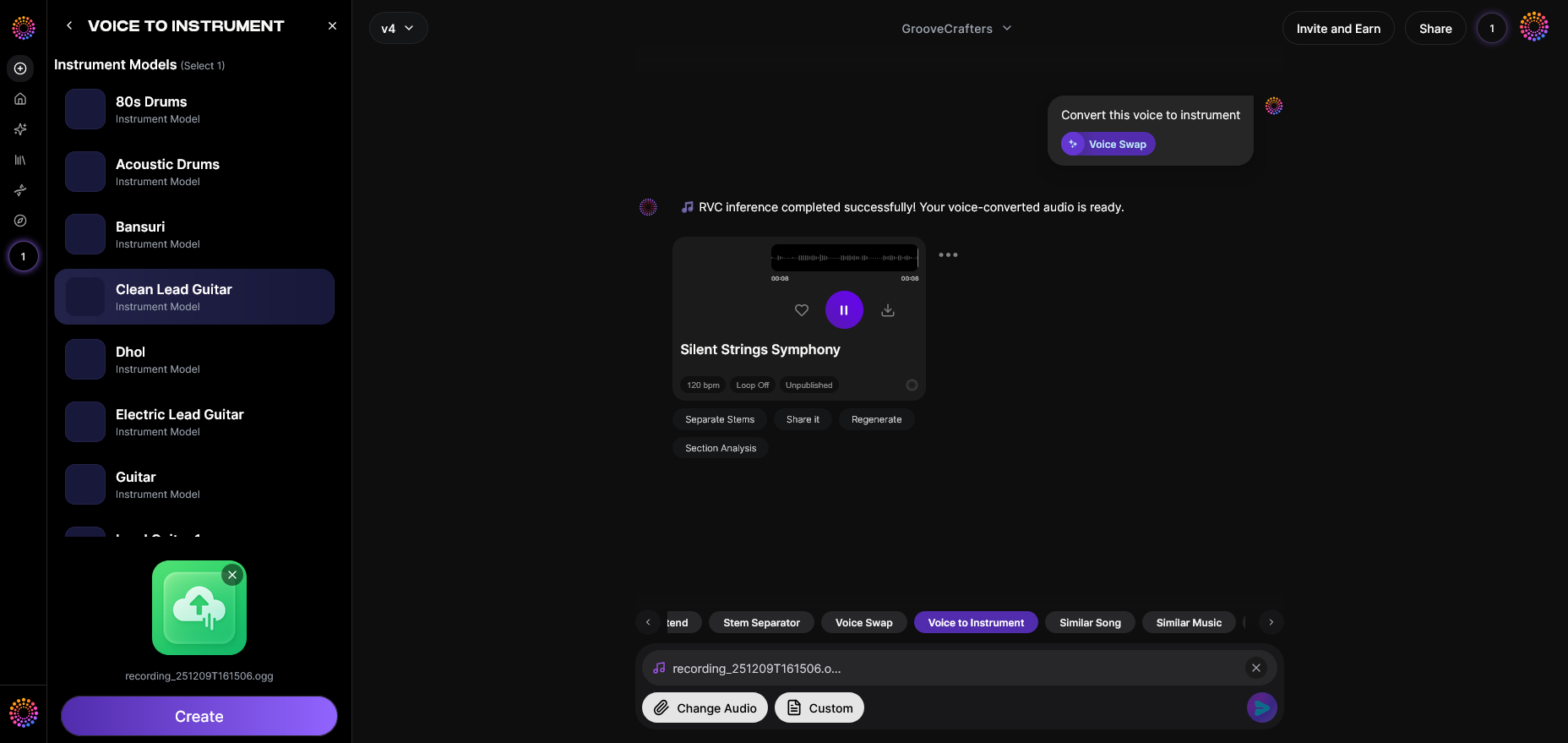
Soundverse’s Voice to Instrument feature is designed to bridge creativity and craftsmanship. Before you even start shaping wood, you can use this AI-powered tool to experiment with musical sounds and tonal ideas. This technology transforms vocal input — whether humming, beatboxing, or singing — into realistic instrumental sounds such as guitar, sitar, drums, or flute. It analyzes pitch, phrasing, and timbre, then converts your vocal ideas into the sounds of your chosen instrument.

Imagine recording yourself humming a melody and instantly hearing it as a fully formed guitar riff. This is now possible with Voice to Instrument. You can choose from a wide instrument library that includes both Western and ethnic instruments. It supports both melodic and rhythmic input, allowing you to sketch ideas for string tension, tonal shape, and rhythm patterns before building the actual instrument. The asynchronous workflow (upload or record voice → process → generate) helps you visualize the voice of your future guitar even before you design it.
Step 1: Feature Overview — Access Voice to Instrument tool
Start by logging into your Soundverse account and locating the Voice to Instrument tool. This acts as the creative sketchbook for your sound ideas. You’ll use it to translate your imagination into instrumental tones. It’s perfect for aspiring guitar makers who wish to design guitars with unique sound signatures, like those explored in How to Create Country Music with Soundverse AI, offering an understanding of tone coloration and structure.
Step 2: Instrument Selection — Choose your target instrument type
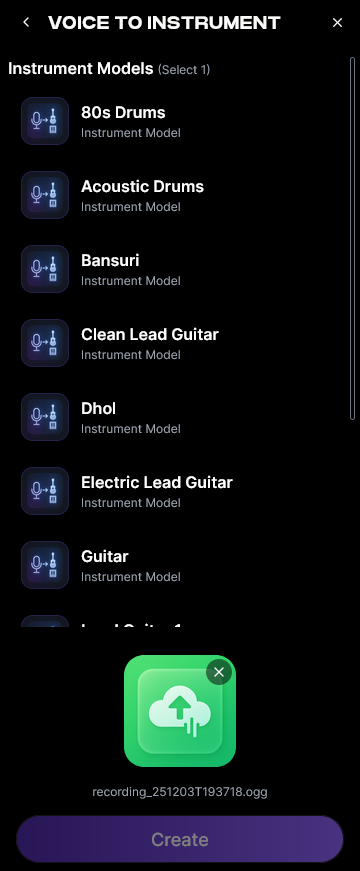
In the selection panel, pick “Guitar” from the instrument options. Whether you aim to create an acoustic, classical, or electric guitar, this selection determines the timbral output and tonal structure of your generated sounds. By experimenting with tones, you can identify the type of wood, string, and body shape that will complement your ideal sound.
Step 3: Upload Target Audio — Provide your vocal reference
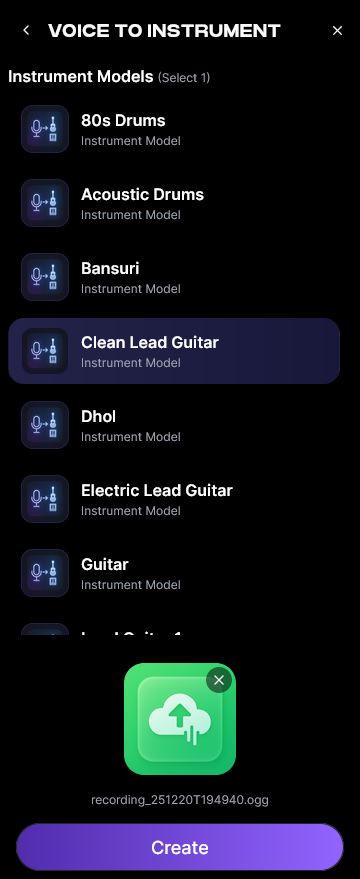
Record a simple melody or rhythm using humming, singing, or beatboxing. Upload your clip into the tool. This step is key to translating your creative sound into instrumental pitch data — similar to how a luthier translates sound vision into tangible design through careful crafting. Many creators today test sound inspirations through AI tools before working physically, as described in How AI-Generated Music Is Transforming the Music Industry.
Step 4: Generation — Convert vocals to selected instrument
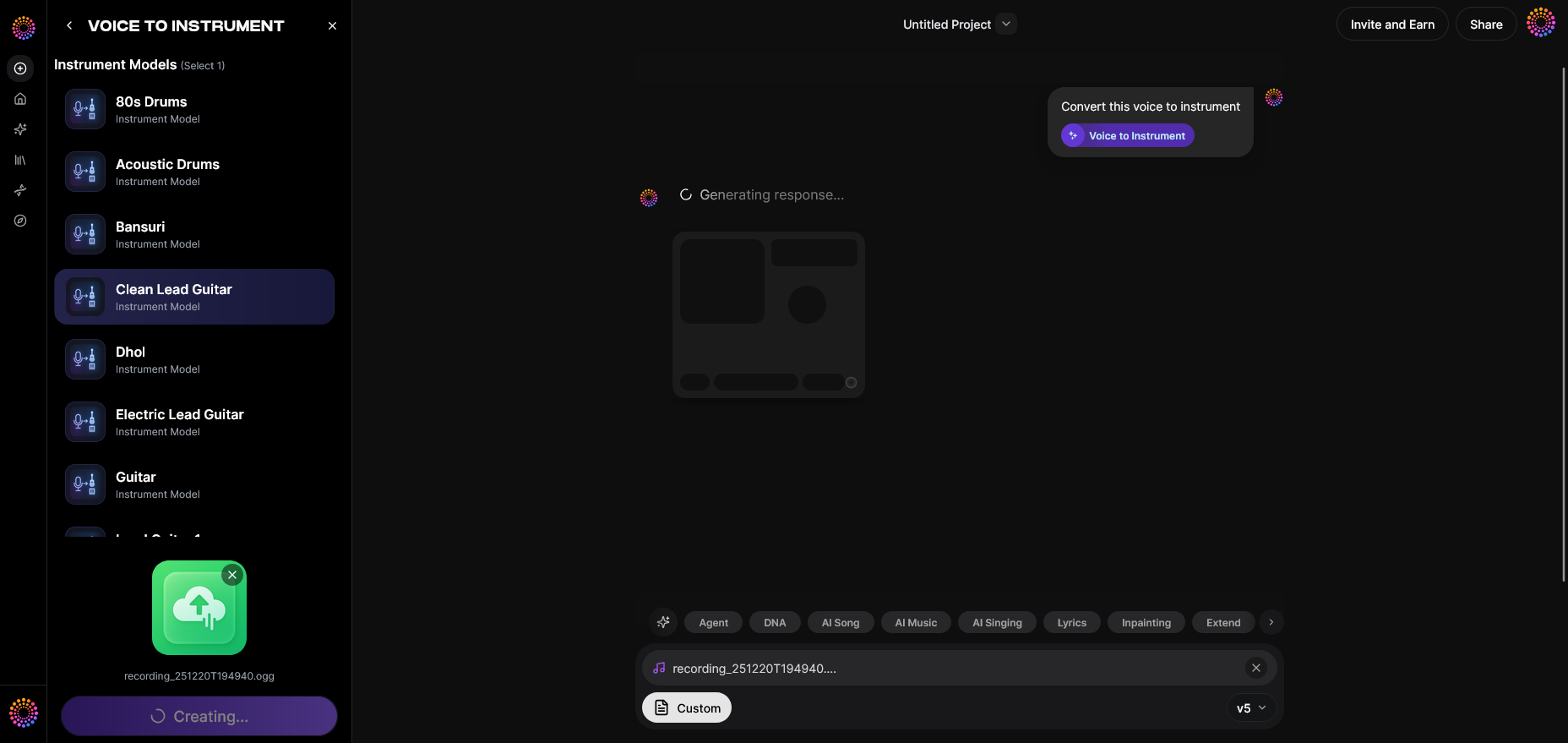
Once your file is uploaded, Soundverse’s AI processes it. Although the transformation is not live, the system reconstructs the vocal timbre into a realistic instrumental equivalent. The algorithm maps pitch dynamics and converts your vocal phrasing into playable guitar notes. This helps you understand tone articulation and rhythm spacing, key aspects of guitar crafting techniques. For a hands-on demonstration, check out our Soundverse Tutorial Series - 9. How to Make Music.
Step 5: Download Result — Export your instrument version

When processing completes, download your generated file. You’ll obtain a professional-quality instrumental sound inspired by your voice. This result serves as a sonic prototype, helping you decide specifications such as soundboard type, string gauge, and resonance cavity. Many modern luthiers use such digital references to fine-tune their building process before they begin physical assembly.
What does luthier training involve in 2026?
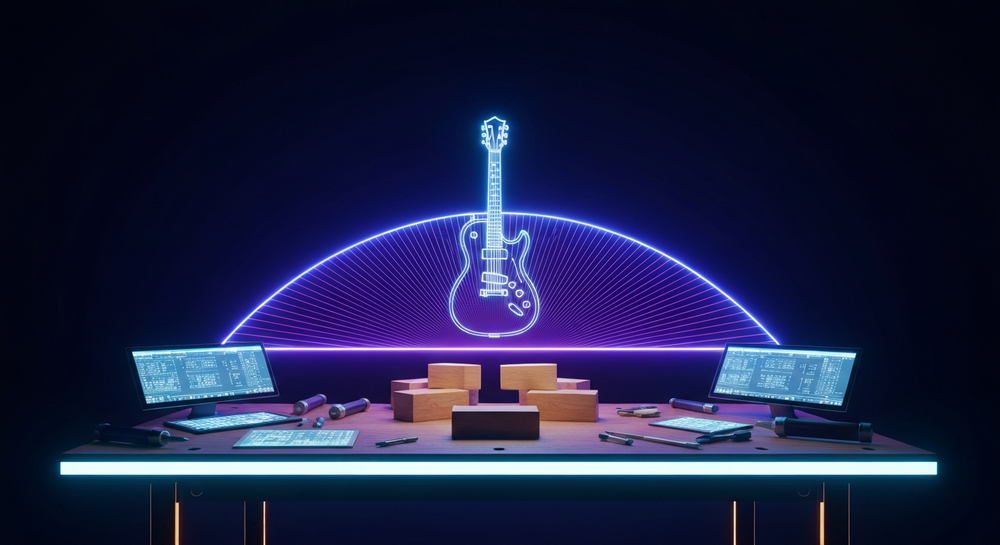
Luthier training provides the foundational knowledge and hands-on experience required to build and repair guitars professionally. In 2026, institutions and online platforms offer hybrid learning — a mix of digital design modules and in-person workshops. Courses focus on essential topics such as:
- Wood selection and grain behavior for instrument construction.
- Body design theories: solid body vs. hollow body acoustics.
- String tension calibration and fretboard design.
- Sound projection and finishing techniques.
Programs now integrate technology like 3D modeling and AI sound sampling, enabling students to analyze tone frequencies or simulate resonance. Some institutions collaborate with AI platforms similar to Soundverse to teach tonal design based on generated samples.
How do guitar crafting techniques shape your sound?
Guitar crafting techniques define how your instrument feels and sounds. A good luthier understands that every minute detail — from bracing inside the body to the thickness of the neck — affects tone. The main techniques include:
- Woodwork and Carving: Using hardwoods like mahogany, maple, and rosewood for balance between warmth and bright overtones.
- Joinery: Precision in joining the neck to the body using dovetail or bolt-on methods.
- Sanding and Finishing: Creates smooth surfaces and ensures tonal clarity.
- String and Bridge Setup: Adjusting distance between strings and fretboard for accurate playability.
Each step ties craftsmanship with acoustic science. Modern AI tools help visualize sound outcomes before physical building, similar to tonal previews discussed in Soundverse AI Magic Tools: Create Content Quickly with AI.
How do you build your own guitar in 2026?
Building your own guitar requires patience, the right materials, and an understanding of design flow. The basic steps include:
- Design Blueprint: Sketch the guitar’s body shape using software or paper.
- Wood Cutting: Shape body and neck pieces according to your blueprint.
- Assembly: Attach components using glue or bolts while maintaining alignment.
- Frets and Bridge: Install metal frets accurately on the fretboard and position bridge for correct intonation.
- Painting and Polishing: Apply finish coats for both protection and aesthetic appeal.
Combining DIY craftsmanship with digital sound previews through Soundverse enhances precision and creativity. You can hear how your design might sound and refine it before final build.
What kinds of guitar making courses are available now?
In 2026, guitar making courses range from short online tutorials to full diploma programs. Many emphasize sustainable practices and use of eco-friendly materials. Look for programs offering modules on instrument woodworking, electronic setup for pickups, and acoustic testing. Hybrid learning allows students to receive interactive guidance and submit virtual sound models generated through AI for instructor feedback. Additionally, exposure to digital sound crafting aligns perfectly with the modern musical ecosystem highlighted in Music Industry Trends. The intersection of manual artistry and artificial intelligence defines how today’s musicians and makers approach creativity.
Pro Tips for Aspiring Guitar Makers
- Start small: Practice by repairing or modifying existing guitars.
- Experiment with tone woods: Learn how each affects sound quality.
- Use AI tools for testing: Apps like Soundverse help you simulate sound output.
- Network with other makers: Collaborate or share insights on design principles.
- Document your journey: Keeping notes or recordings helps refine skills.
Start Crafting Music with AI Today
Take your guitar-making passion to the next level with Soundverse’s AI-powered music creation tools. Generate custom tracks, explore sounds, and transform ideas into complete compositions effortlessly.
Related Articles
- How to Create Country Music with Soundverse AI: Explore how AI can help you craft authentic country tunes to complement your handcrafted guitars.
- Create Metal Music with AI: Learn to generate powerful metal tracks that showcase the tone and depth of your custom guitars.
- How to Create Jazz Music with Soundverse AI: Discover how AI can emulate rich jazz sounds, perfect for highlighting your hand-built instruments.
- The Role of AI Music in Film and Television: See how AI-generated music plays a role in professional productions where your guitars could shine.
Here's how to make AI Music with Soundverse
Video Guide

Here’s another long walkthrough of how to use Soundverse AI.
Text Guide
- To know more about AI Magic Tools, check here.
- To know more about Soundverse Assistant, check here.
- To know more about Arrangement Studio, check here.
Soundverse is an AI Assistant that allows content creators and music makers to create original content in a flash using Generative AI. With the help of Soundverse Assistant and AI Magic Tools, our users get an unfair advantage over other creators to create audio and music content quickly, easily and cheaply. Soundverse Assistant is your ultimate music companion. You simply speak to the assistant to get your stuff done. The more you speak to it, the more it starts understanding you and your goals. AI Magic Tools help convert your creative dreams into tangible music and audio. Use AI Magic Tools such as text to music, stem separation, or lyrics generation to realise your content dreams faster. Soundverse is here to take music production to the next level. We're not just a digital audio workstation (DAW) competing with Ableton or Logic, we're building a completely new paradigm of easy and conversational content creation.
TikTok: https://www.tiktok.com/@soundverse.ai
Twitter: https://twitter.com/soundverse_ai
Instagram: https://www.instagram.com/soundverse.ai
LinkedIn: https://www.linkedin.com/company/soundverseai
Youtube: https://www.youtube.com/@SoundverseAI
Facebook: https://www.facebook.com/profile.php?id=100095674445607
Join Soundverse for Free and make Viral AI Music

We are constantly building more product experiences. Keep checking our Blog to stay updated about them!